Some HDR monitors switch automatically because the PC, cable, GPU driver, OS, and display firmware all agree on the HDR signal and mode. Others need manual switching because “HDR supported” can mean anything from basic signal acceptance to a separate high-brightness picture mode that the monitor will not trigger cleanly on its own.
HDR Detection Starts With the Signal Chain
Automatic HDR is not magic. Your PC reads the monitor’s capabilities, sends an HDR video signal, and the display decides whether to enter an HDR mode.
On a desktop OS, HDR behavior depends on the selected display, GPU driver, and system HDR setting; the system’s HDR behavior may include tone mapping content on the GPU before composing the desktop image.
That matters because the monitor may not be receiving a simple “turn HDR on now” command. It may be receiving a full desktop image that the OS has already processed, especially when HDR and SDR app windows are mixed.

For gaming monitors, this is why one setup can feel seamless while another feels stubborn: the better-integrated system recognizes HDR metadata, applies the right tone-mapping path, and switches modes with minimal user input.
Why Manual HDR Switching Still Exists
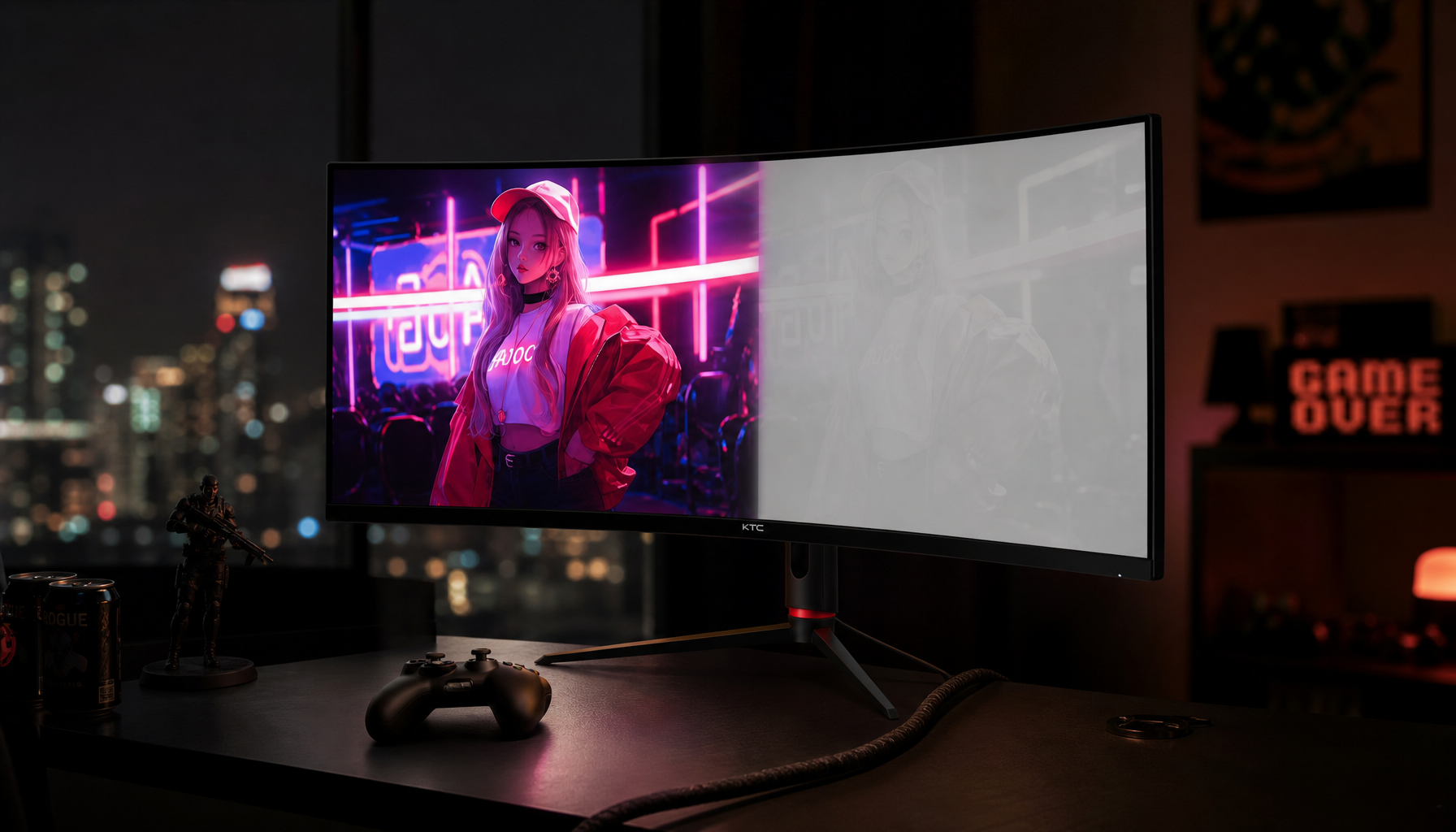
Many displays separate SDR and HDR into different picture modes. SDR may prioritize stable brightness, color accuracy, and comfortable desktop use, while HDR unlocks higher peak brightness, wider color behavior, or local dimming.
Some monitors require you to manually choose HDR in the on-screen display because their firmware treats HDR as a performance mode, not just a signal format. This is common when the monitor offers multiple HDR presets, such as game, cinema, certified HDR, dynamic HDR, or non-certified HDR10 modes.

A formal certification process exists partly because HDR claims can be confusing; testing may cover brightness, color gamut, bit depth, and response behavior rather than accepting a vague HDR label.
Manual switching can also protect image quality. If a monitor’s HDR mode makes the desktop look washed out, too dim, or oversaturated, keeping SDR for office work and switching HDR on for games may deliver the most reliable experience.
Auto Detection Works Best on Well-Matched Hardware
Auto HDR switching is strongest when every part of the chain is modern and aligned: an HDR-capable GPU, current drivers, the right OS settings, a certified display, and enough cable bandwidth.
Quick setup checks:
- Use a modern high-bandwidth video connection for current HDR modes.
- Enable HDR for the correct display in the OS settings.
- Update GPU drivers from the hardware vendor.
- Check the monitor’s on-screen display for HDR mode options.
- Test real HDR content, not just the desktop wallpaper.
The hidden performance detail is brightness. A monitor that only accepts HDR but cannot sustain meaningful highlight brightness may technically auto-detect HDR while still looking unimpressive.
That is why an entry-level certified HDR office monitor and a 1,000-nit mini-LED gaming display can behave very differently even when both show the same HDR toggle.

Tone Mapping Can Change the Behavior
Some premium monitors support multiple certified HDR paths. The OS may automatically prefer one certified mode when available because it provides broader validation, but that can affect perceived brightness and color.
Some monitors may limit brightness in certified modes, while a separate HDR10 option in the monitor menu may allow higher peak output. In plain terms, automatic mode may be more accurate, while manual HDR10 mode may look brighter.
HDR content itself also varies. Static HDR10 metadata, dynamic HDR metadata, and game-specific calibration screens can all push a display differently. Good tone mapping adapts the signal to the panel’s real brightness and contrast limits, which is why HDR calibration is still worth doing after choosing the monitor’s HDR mode.

Automatic detection is convenient, but it is not always the most visually impactful mode on every monitor.
The Practical Buyer Takeaway
If you want effortless HDR, look beyond the badge. Prioritize a monitor with strong HDR hardware, clear firmware modes, credible certification, useful calibration controls, and proven desktop behavior.
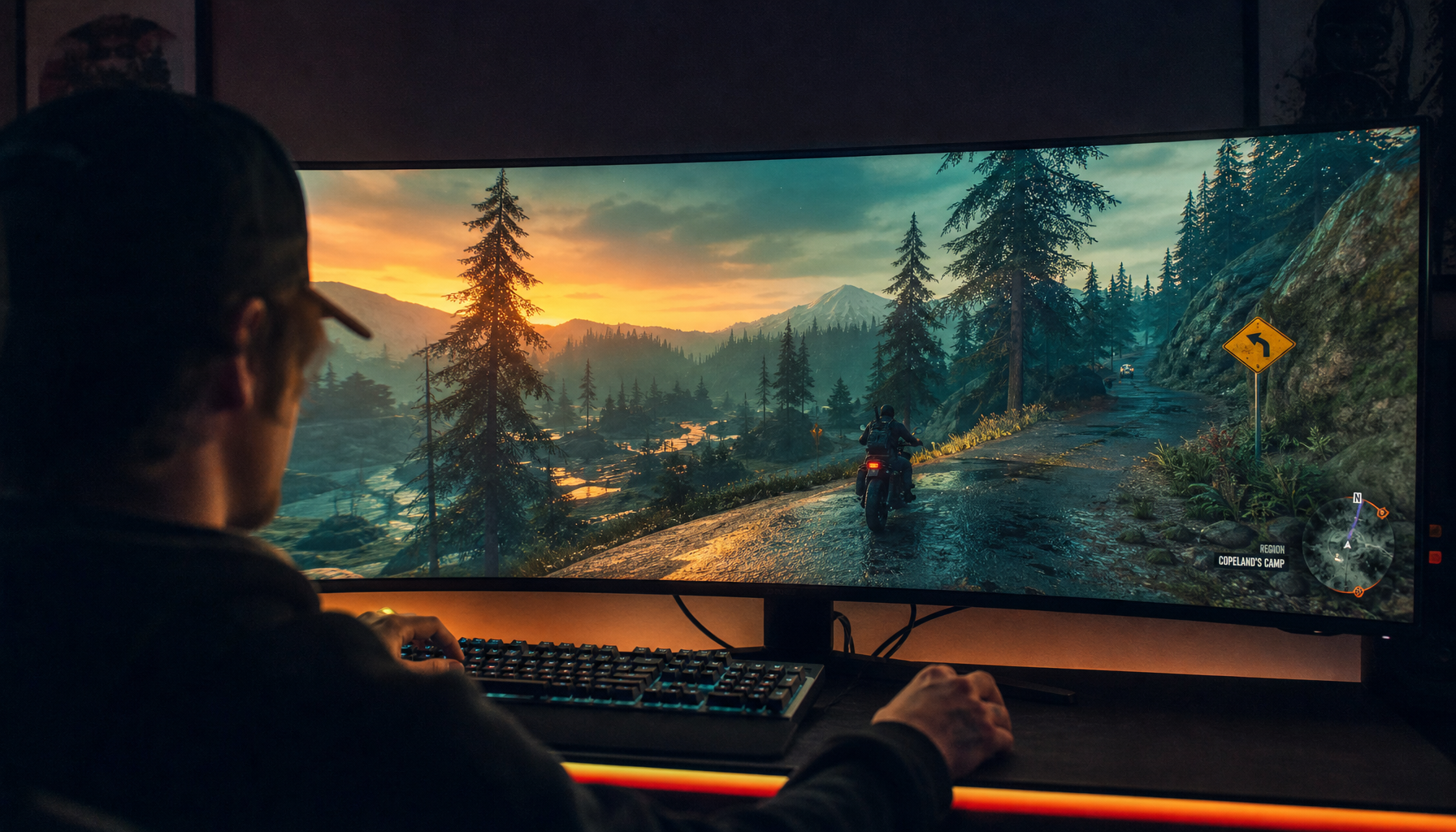
For gaming, automatic switching is ideal when you move between SDR desktop use and HDR titles. For creative work, manual control can be better because it lets you keep SDR accuracy separate from HDR review.
The best HDR monitor is not the one with the most toggles. It is the one that makes the right mode obvious, repeatable, and visually worth switching on.