







LCD Monitors
KTC Multiple Display for Diverse Scenarios

KTC Multiple Display for Diverse Scenarios
Filters
32 products
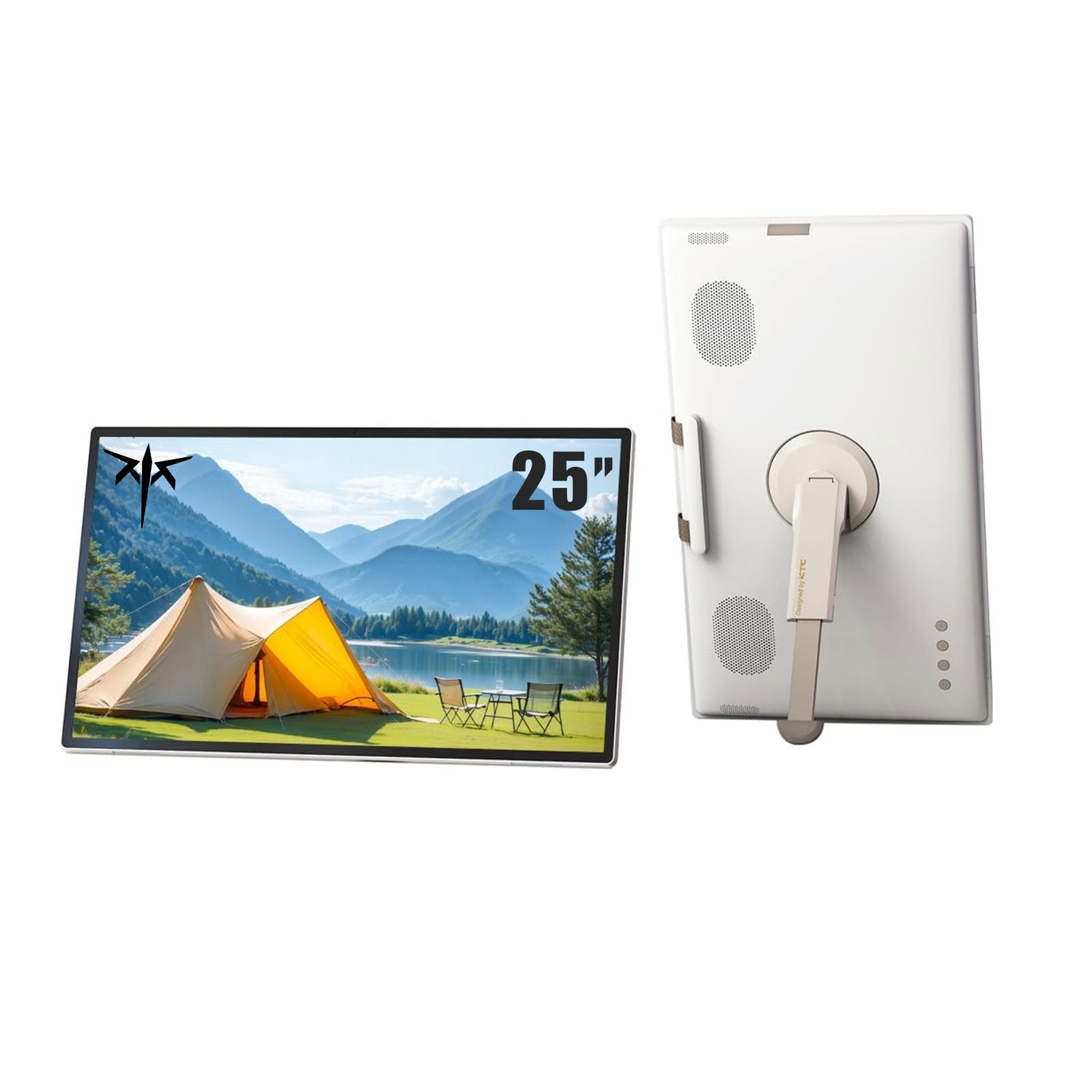

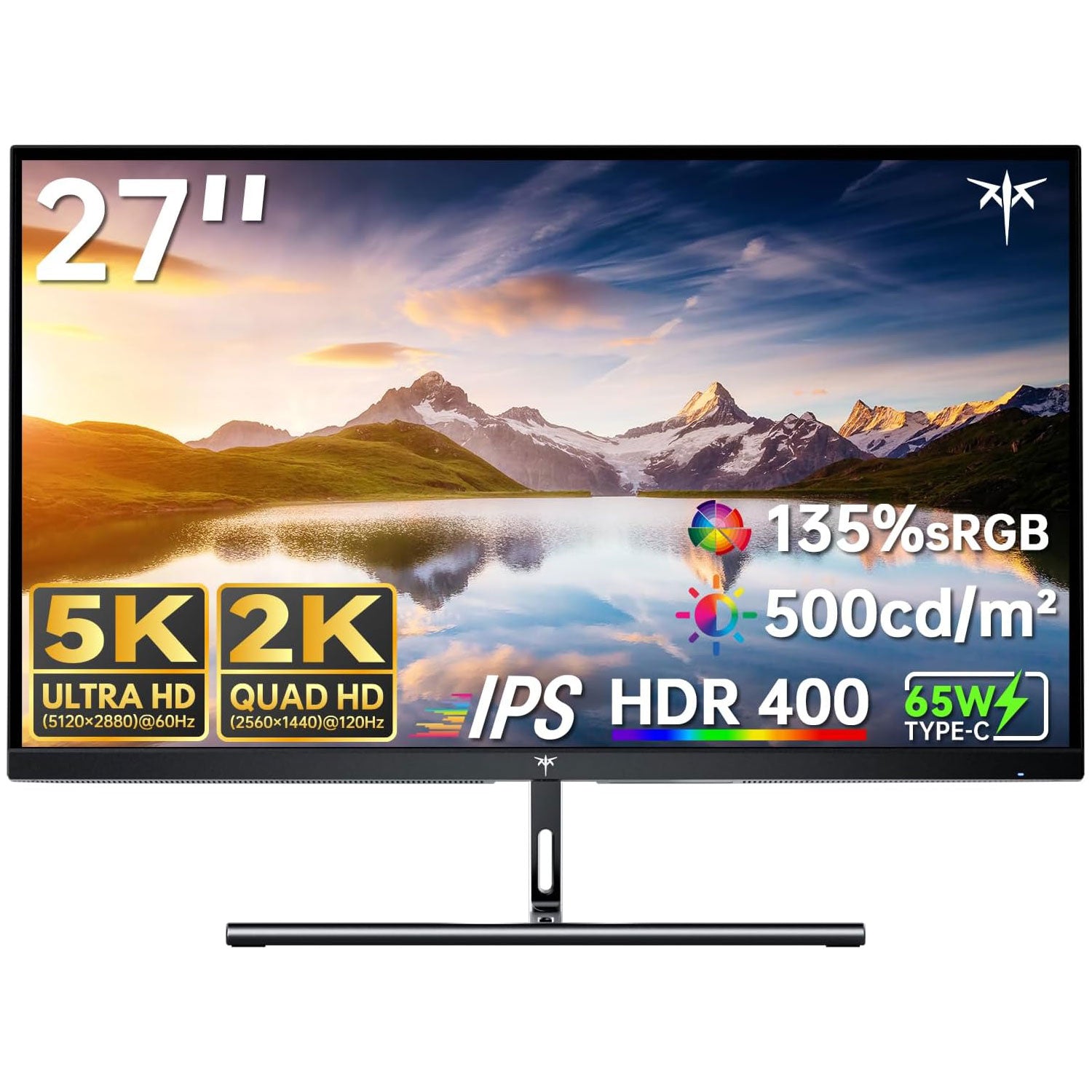
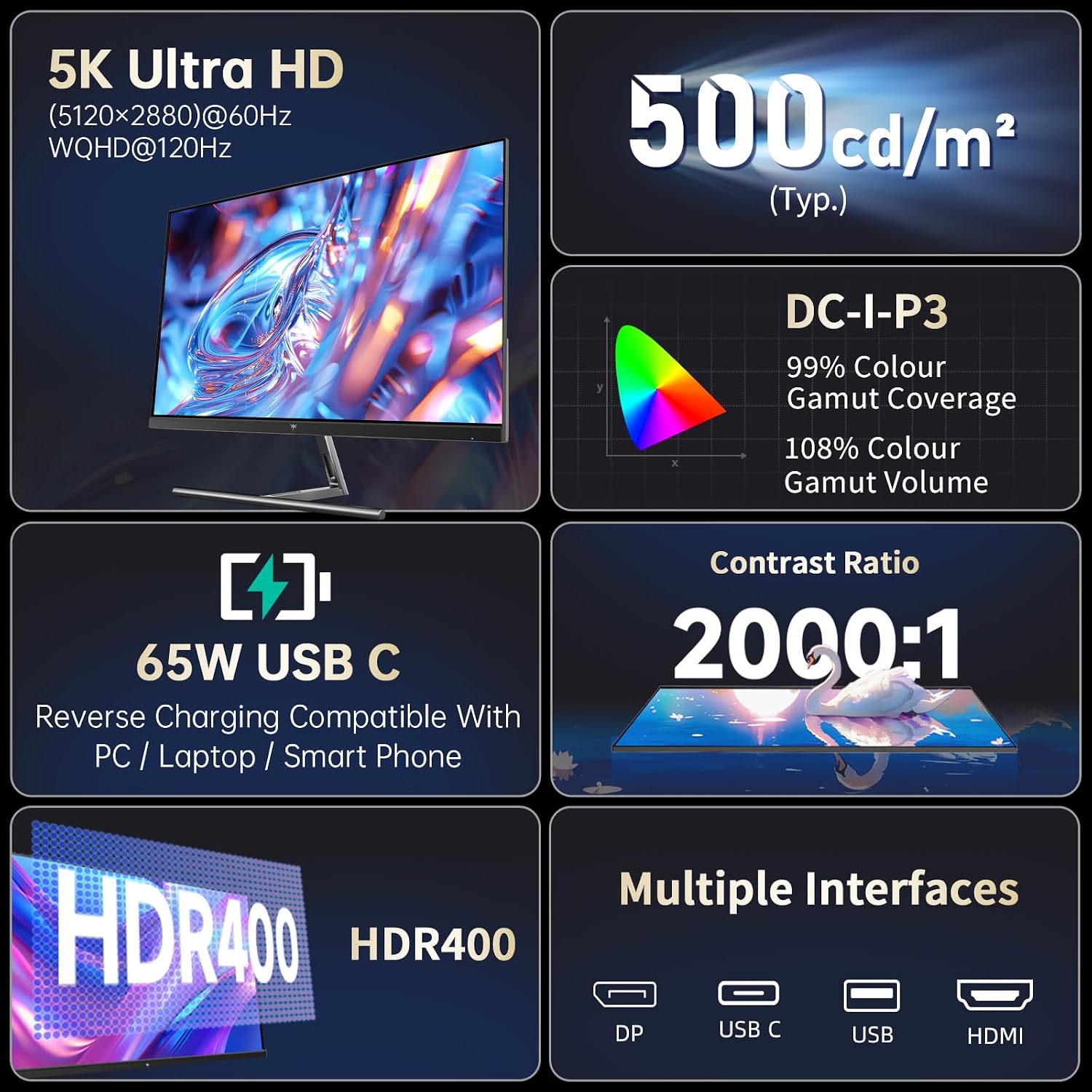
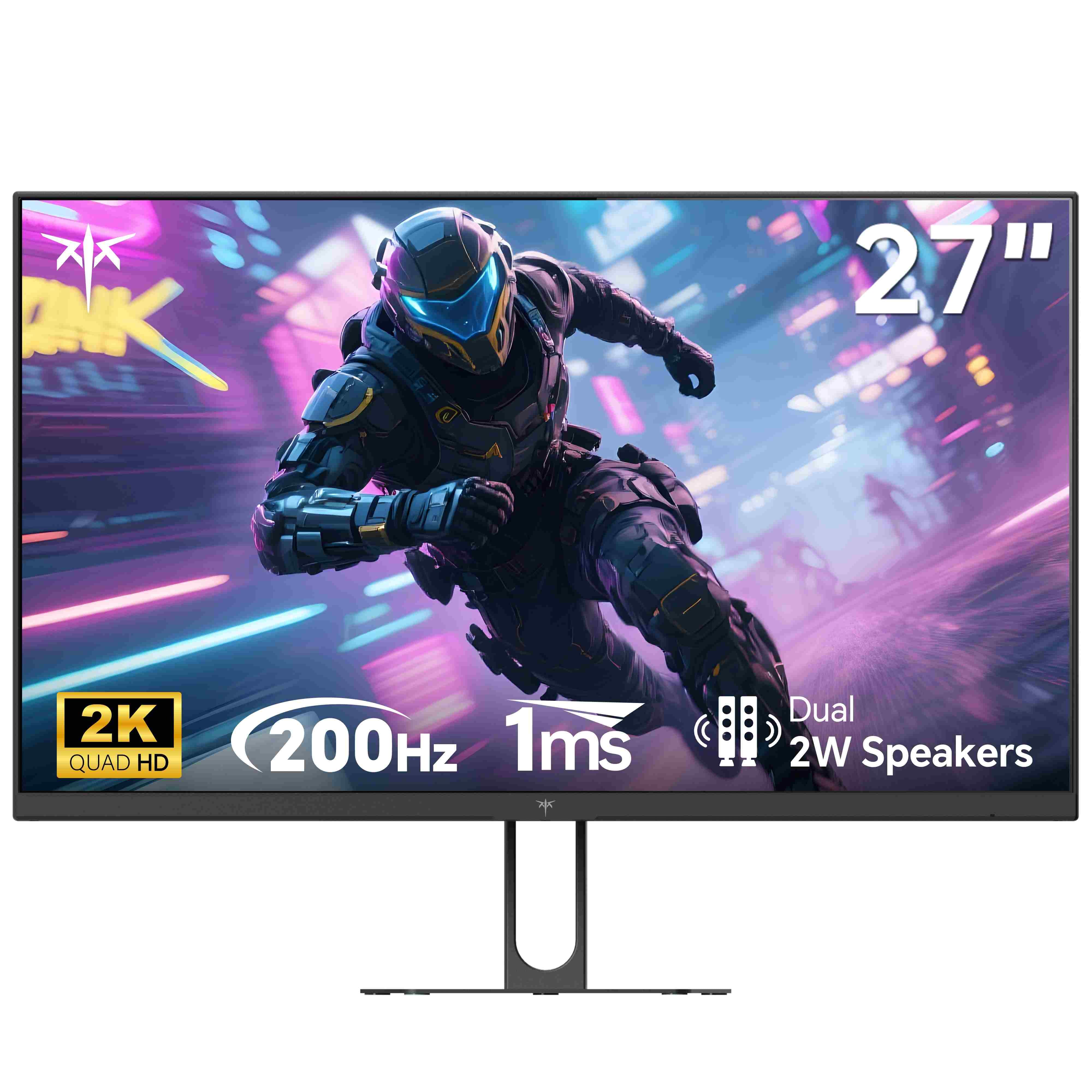
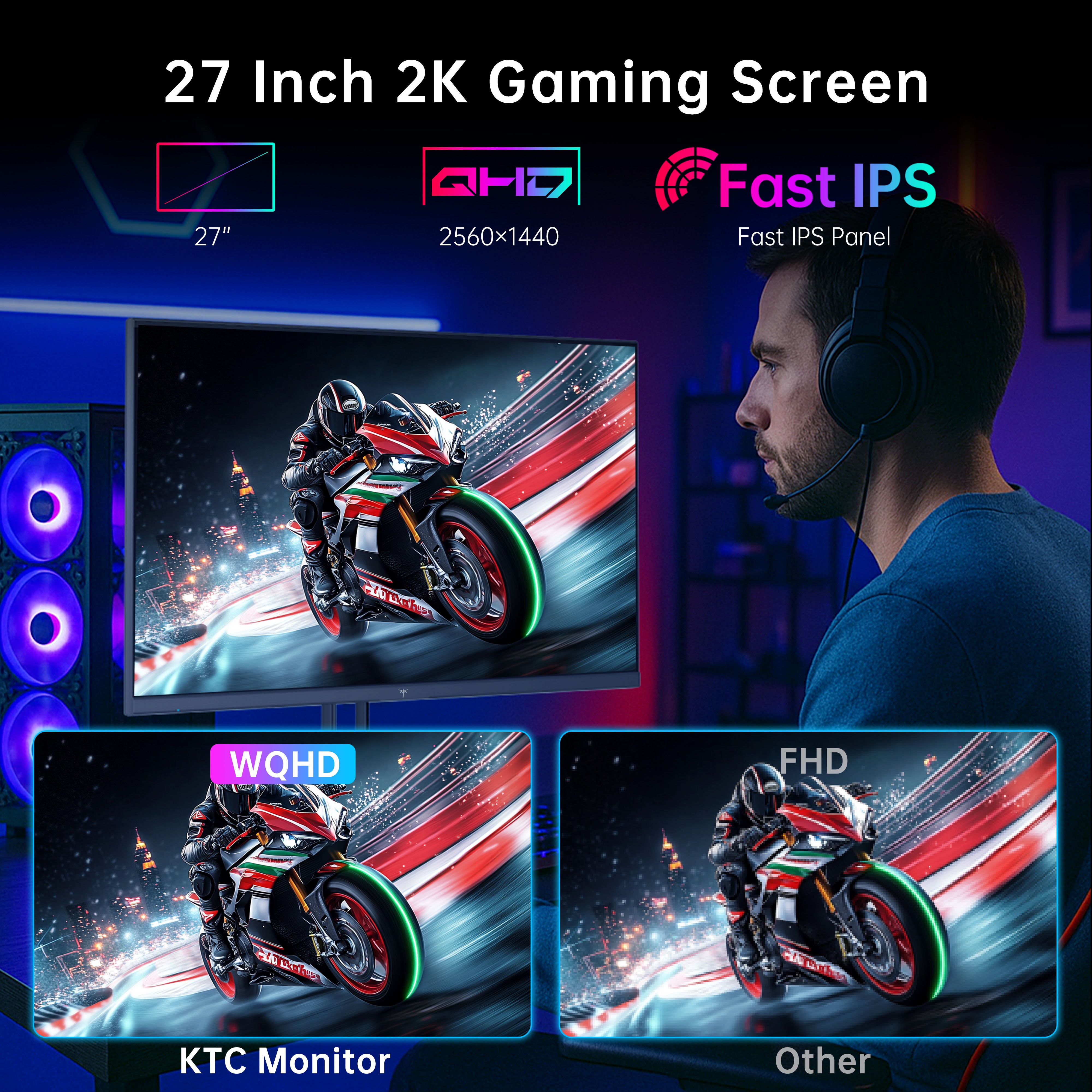
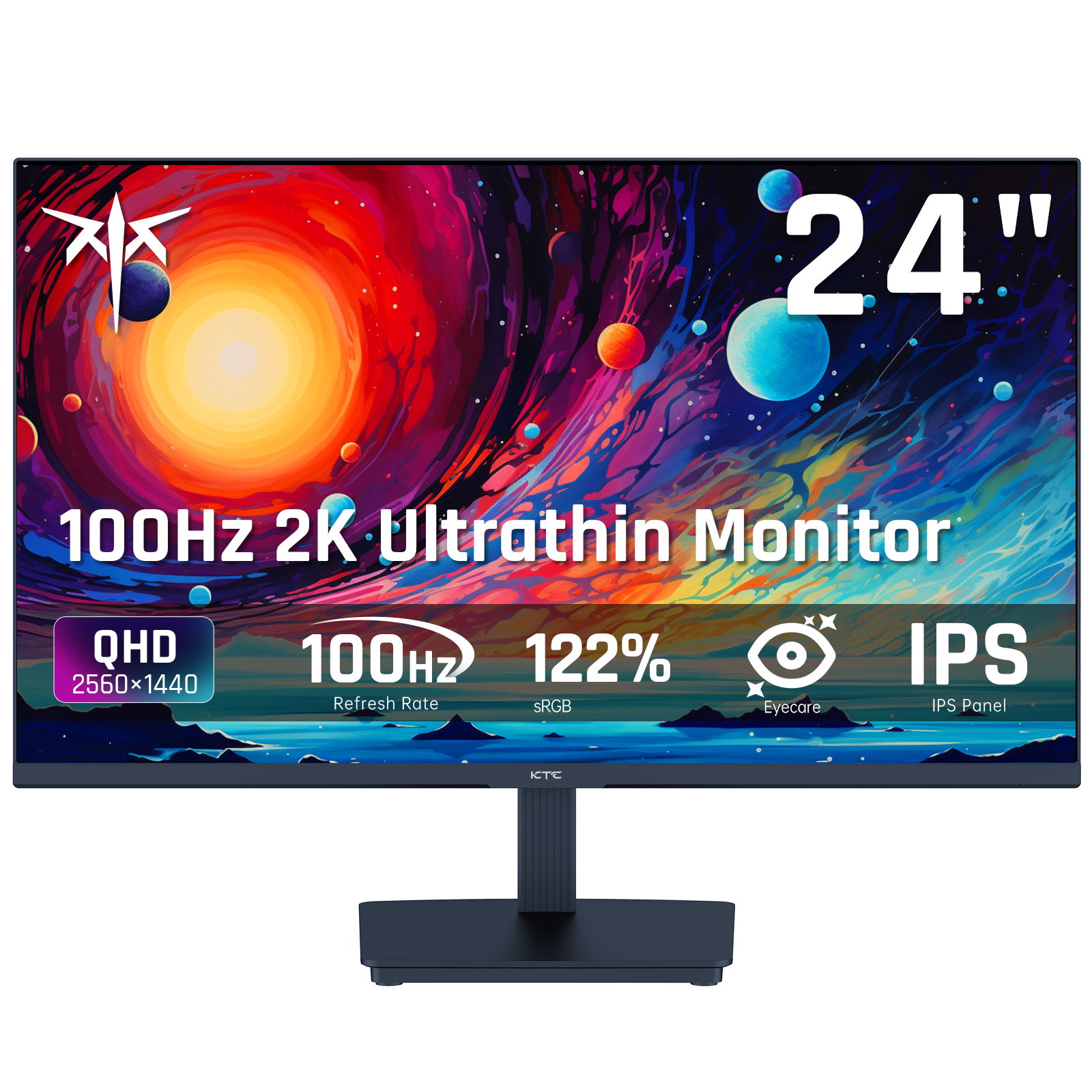
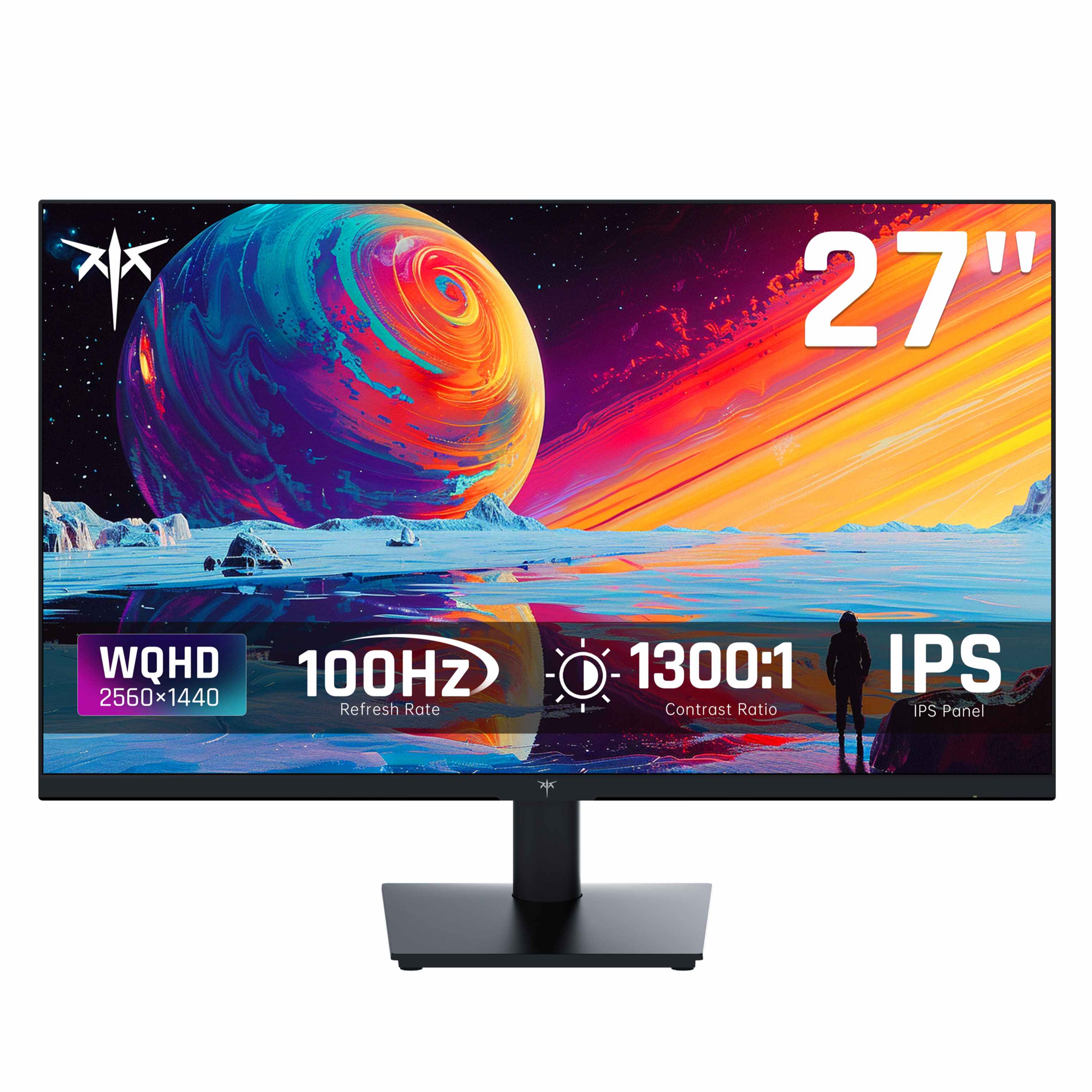
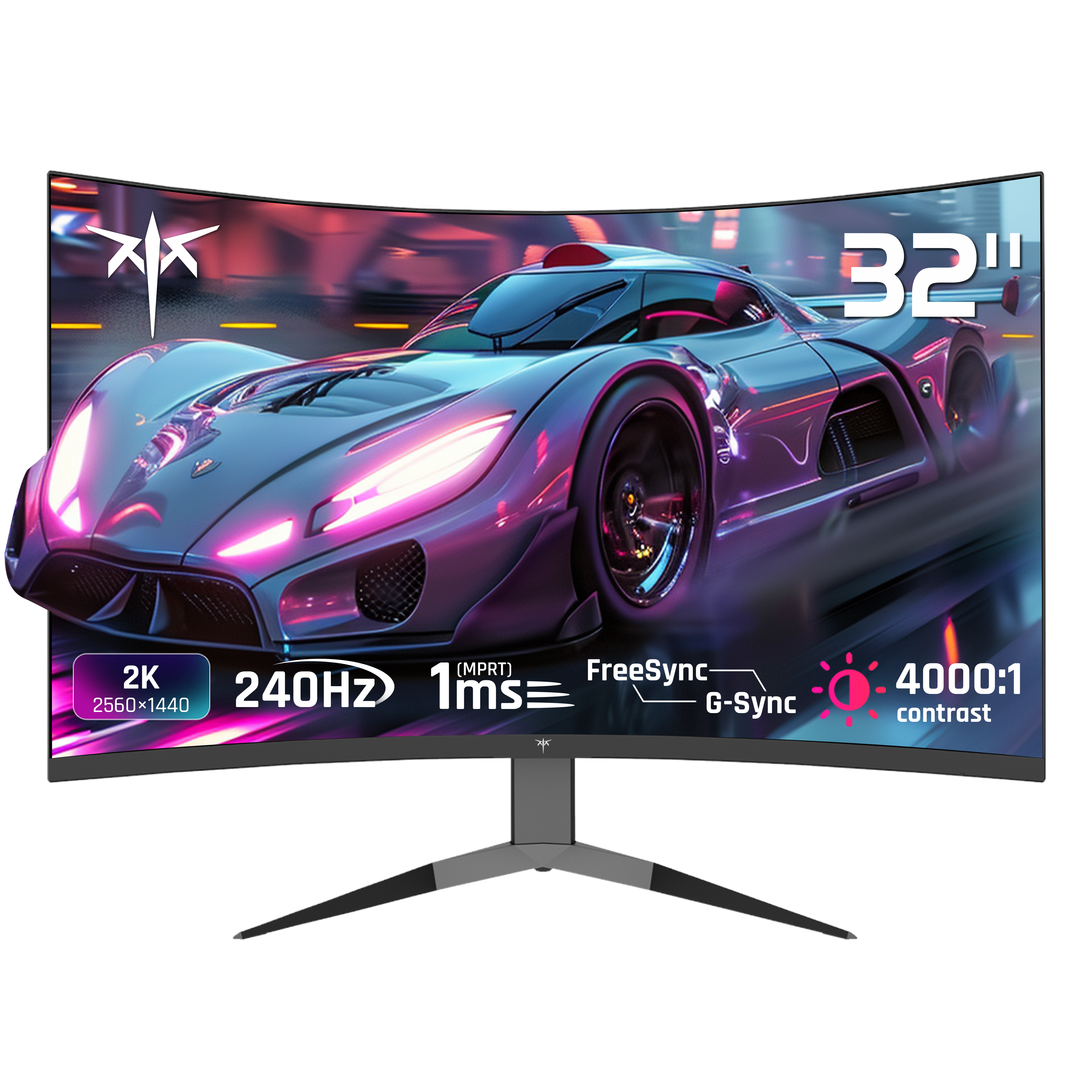
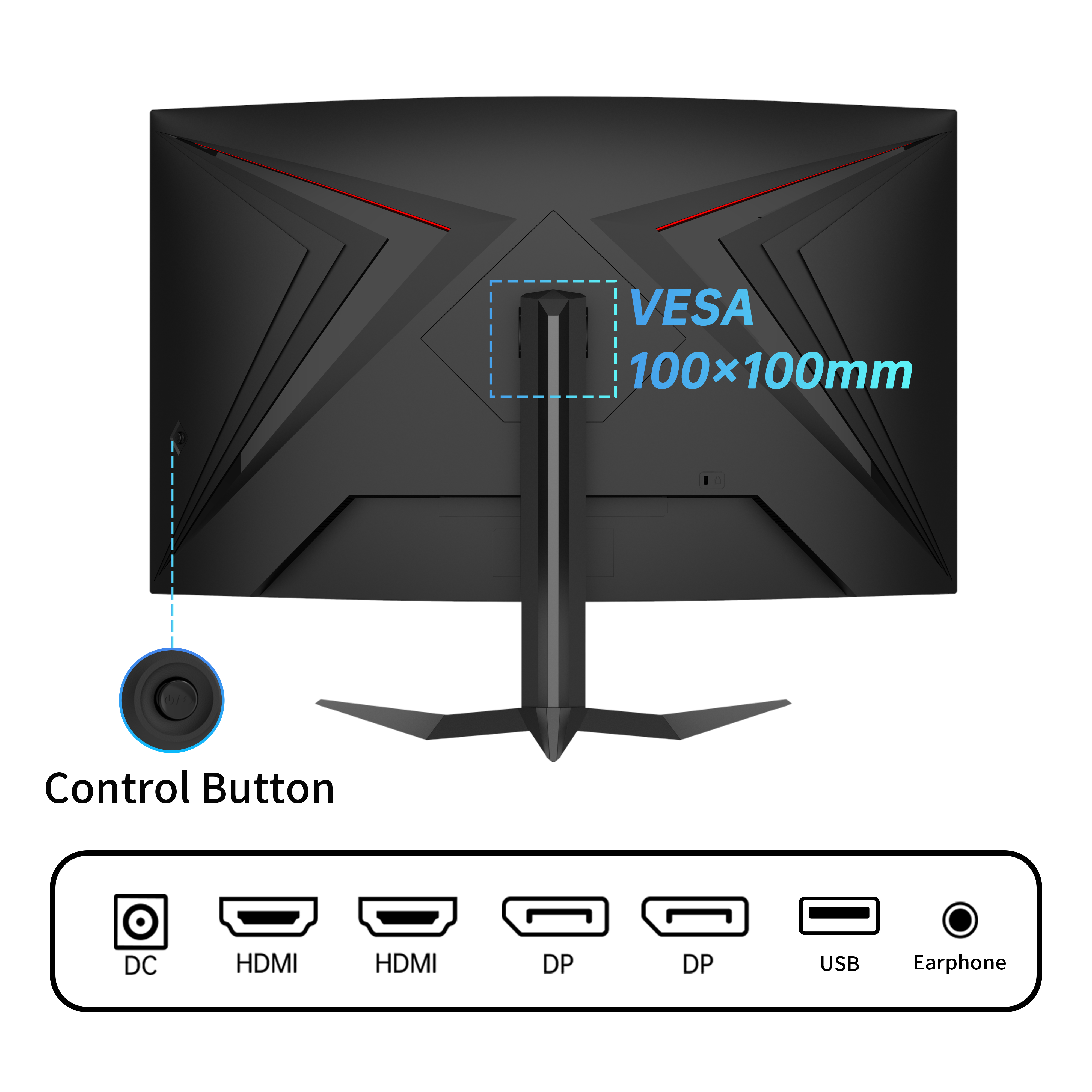
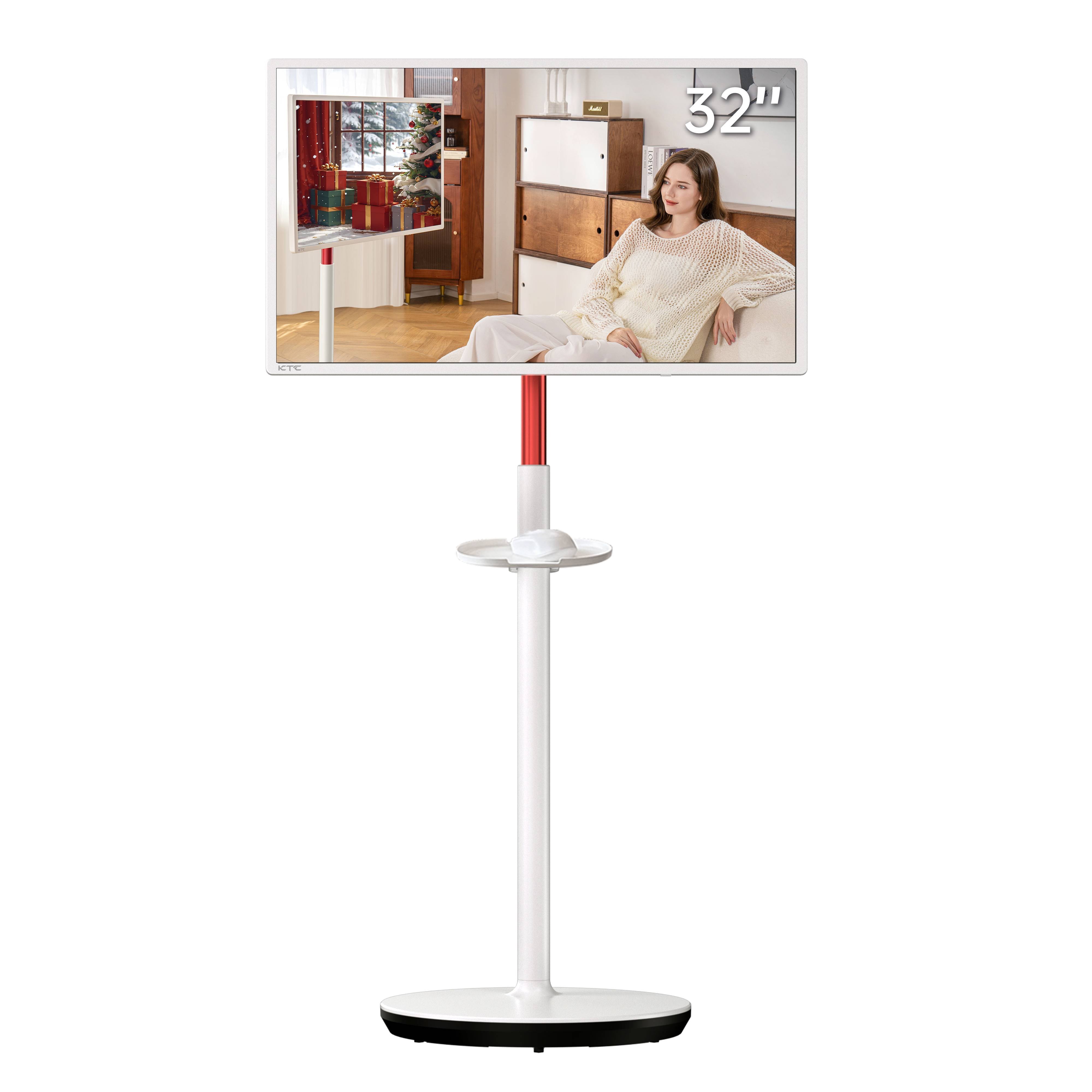

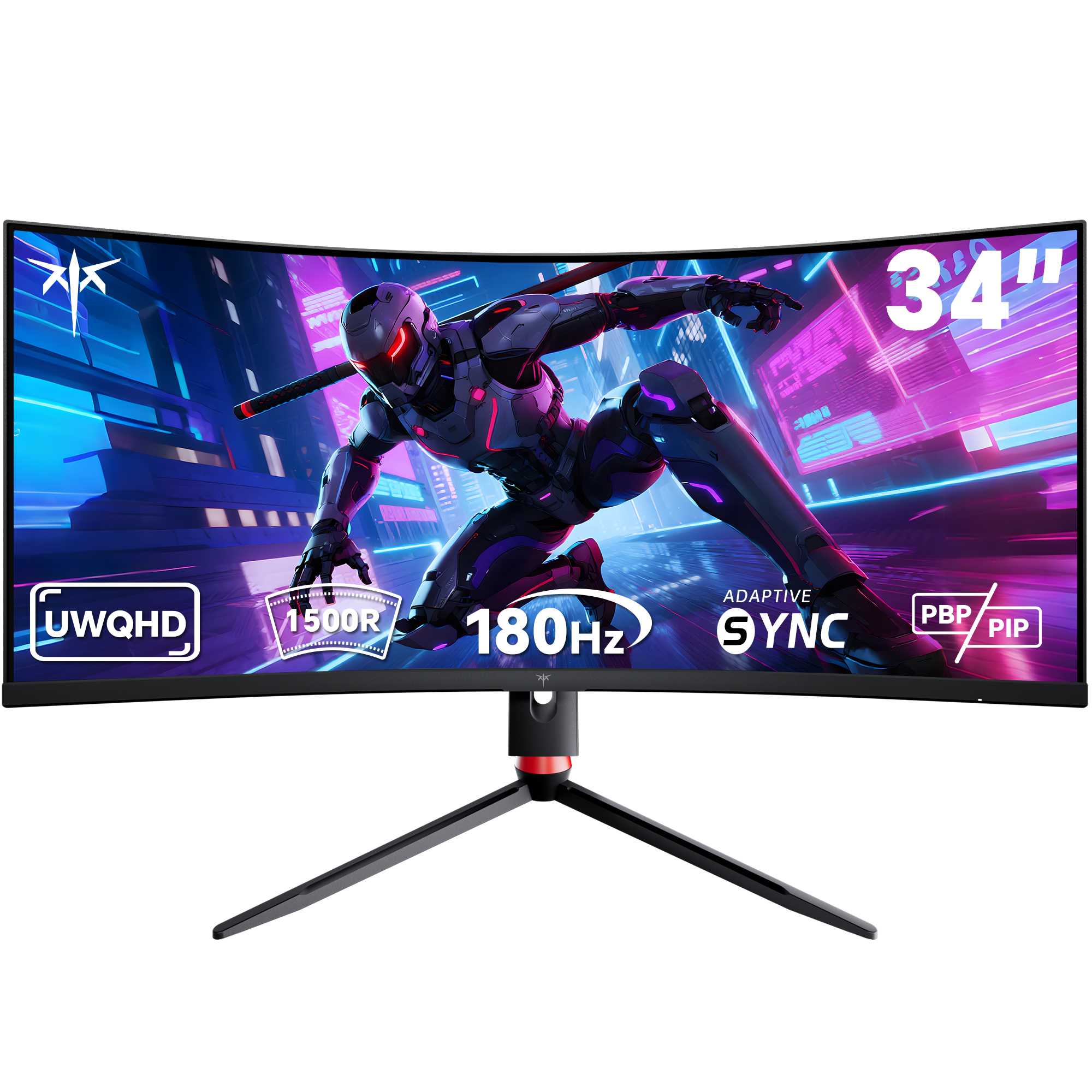
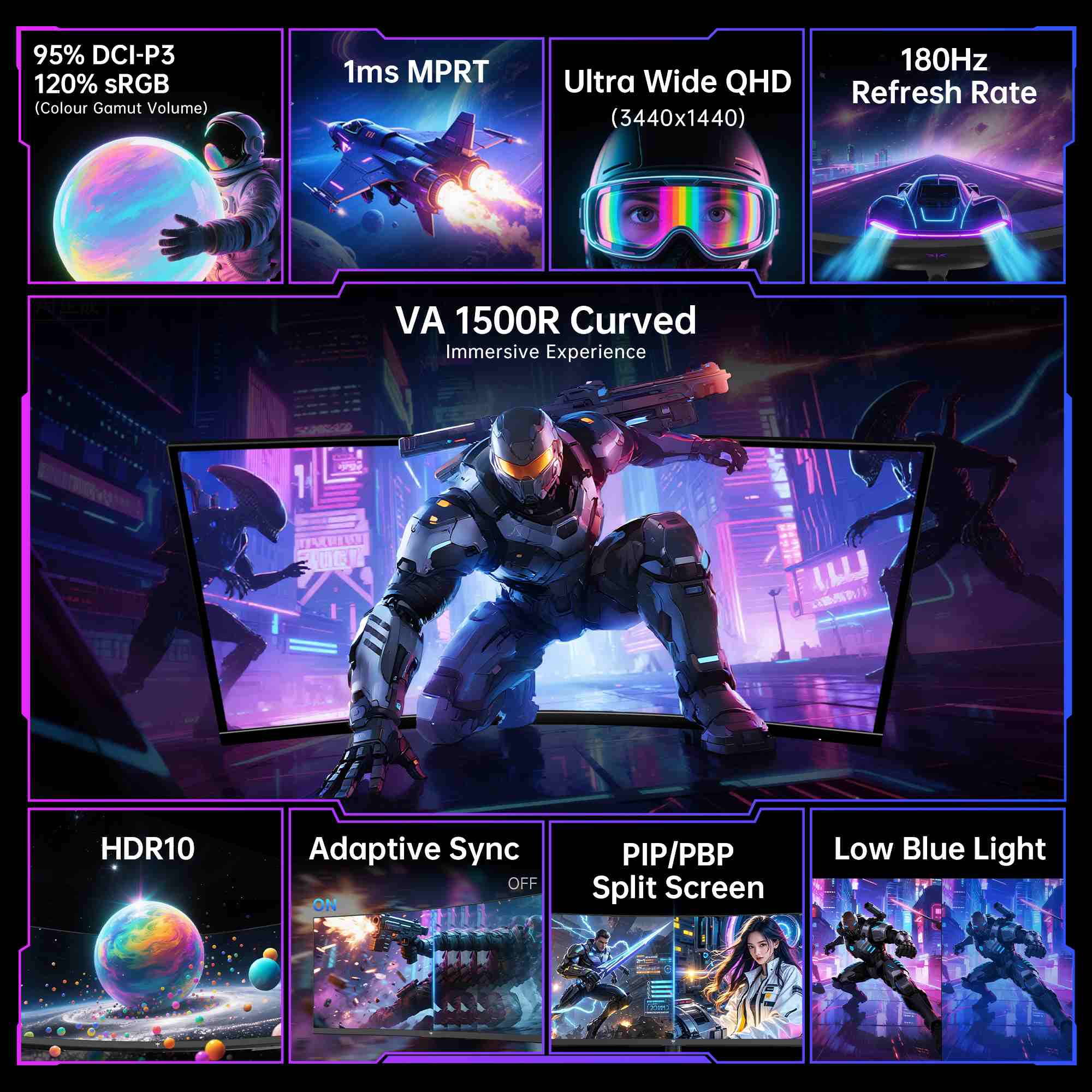
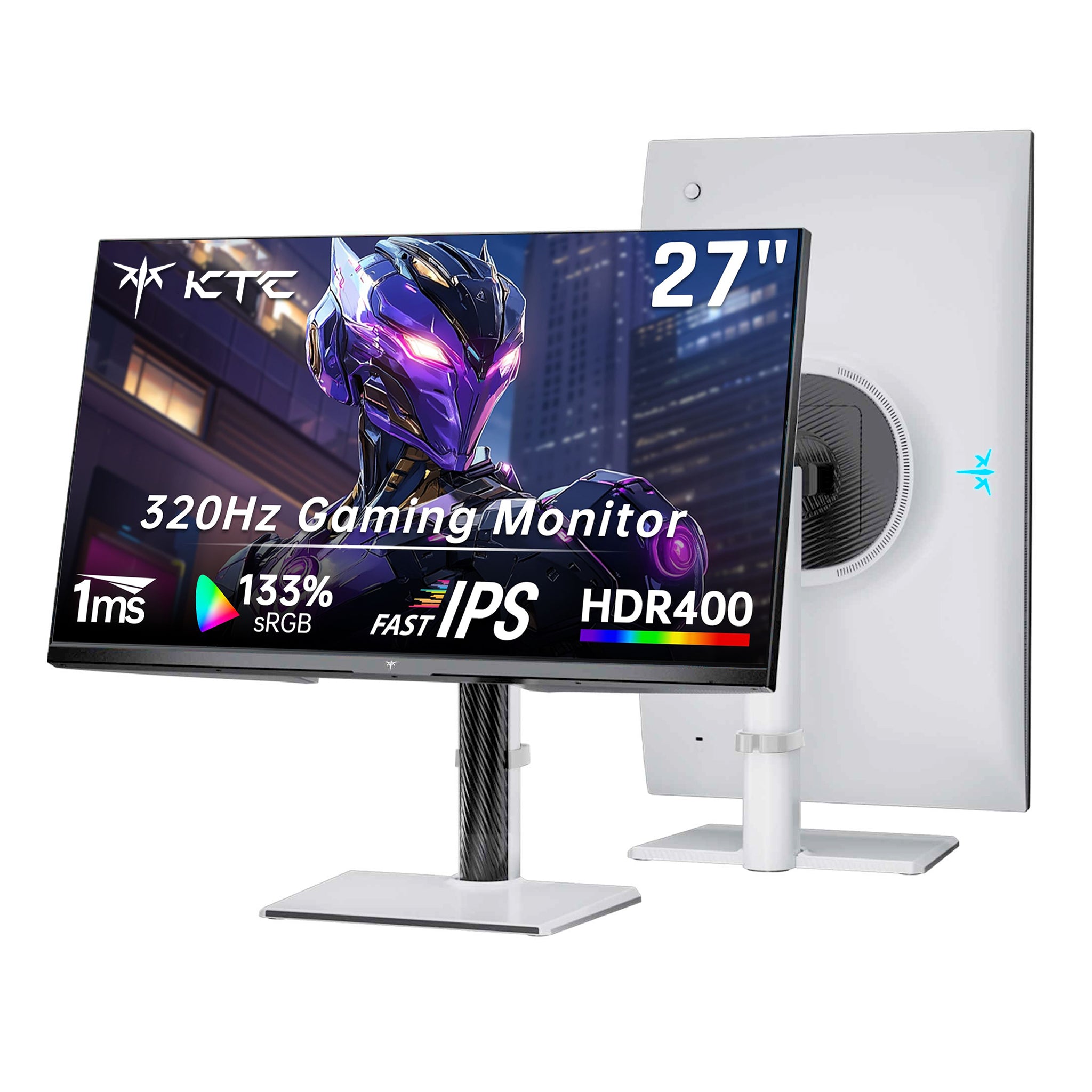
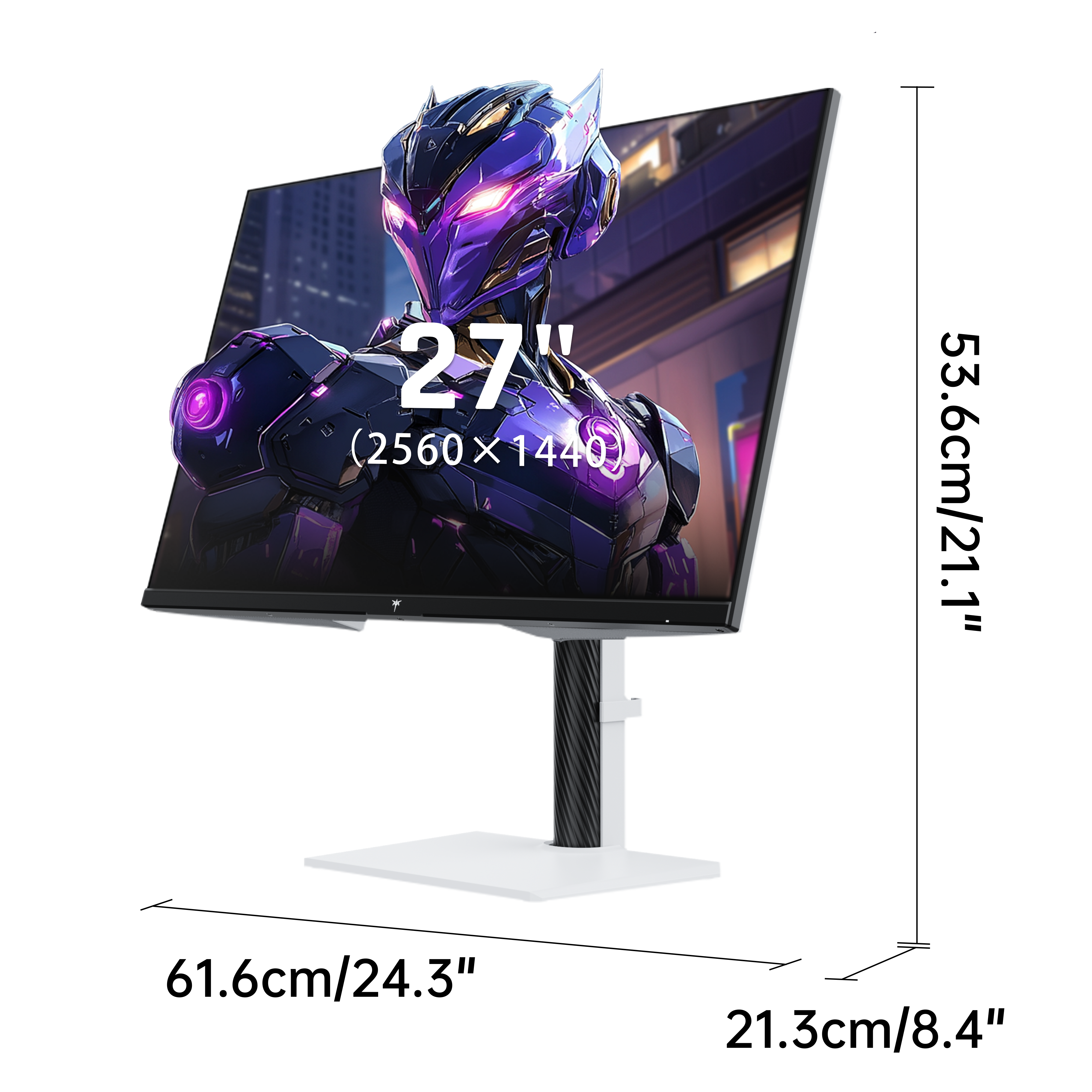
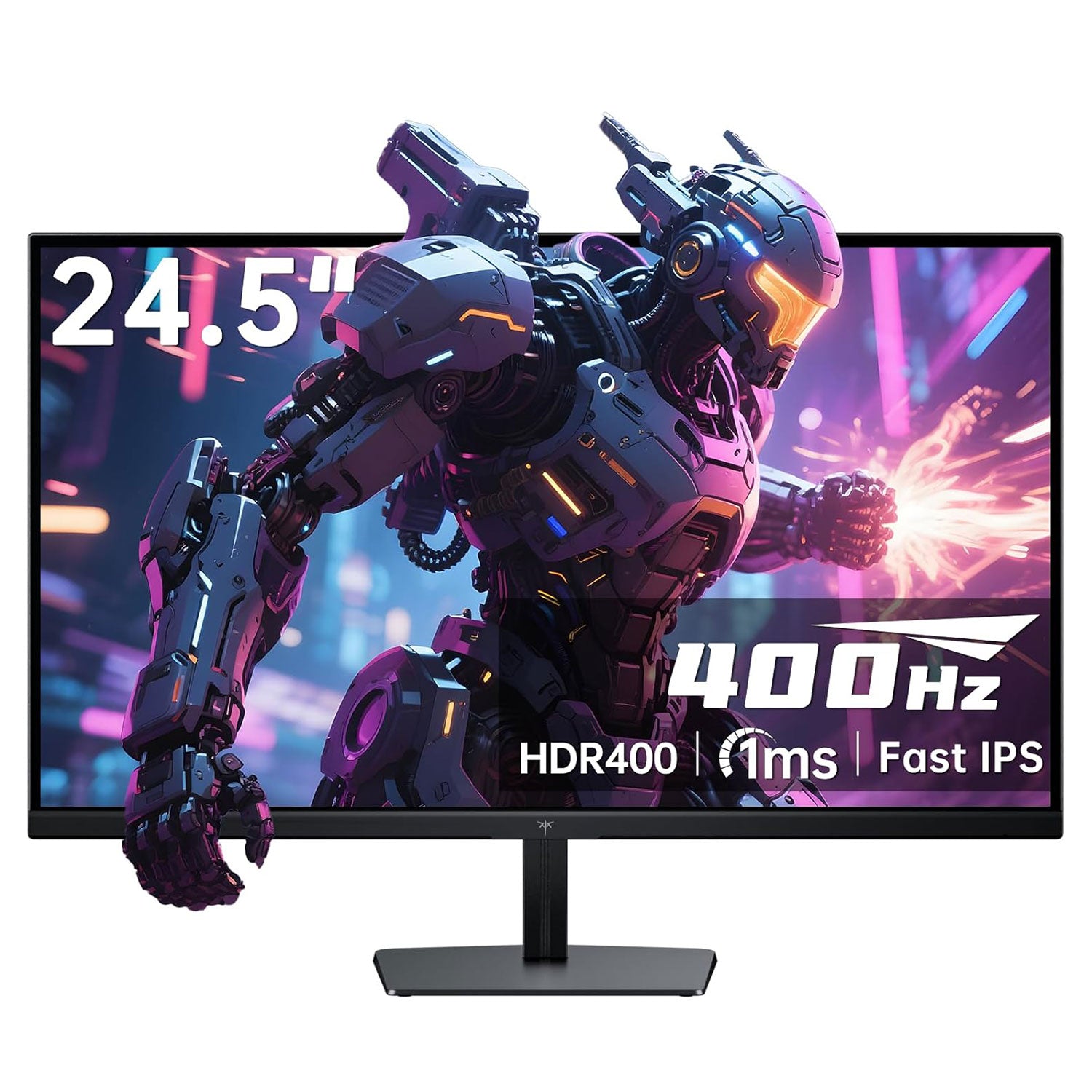
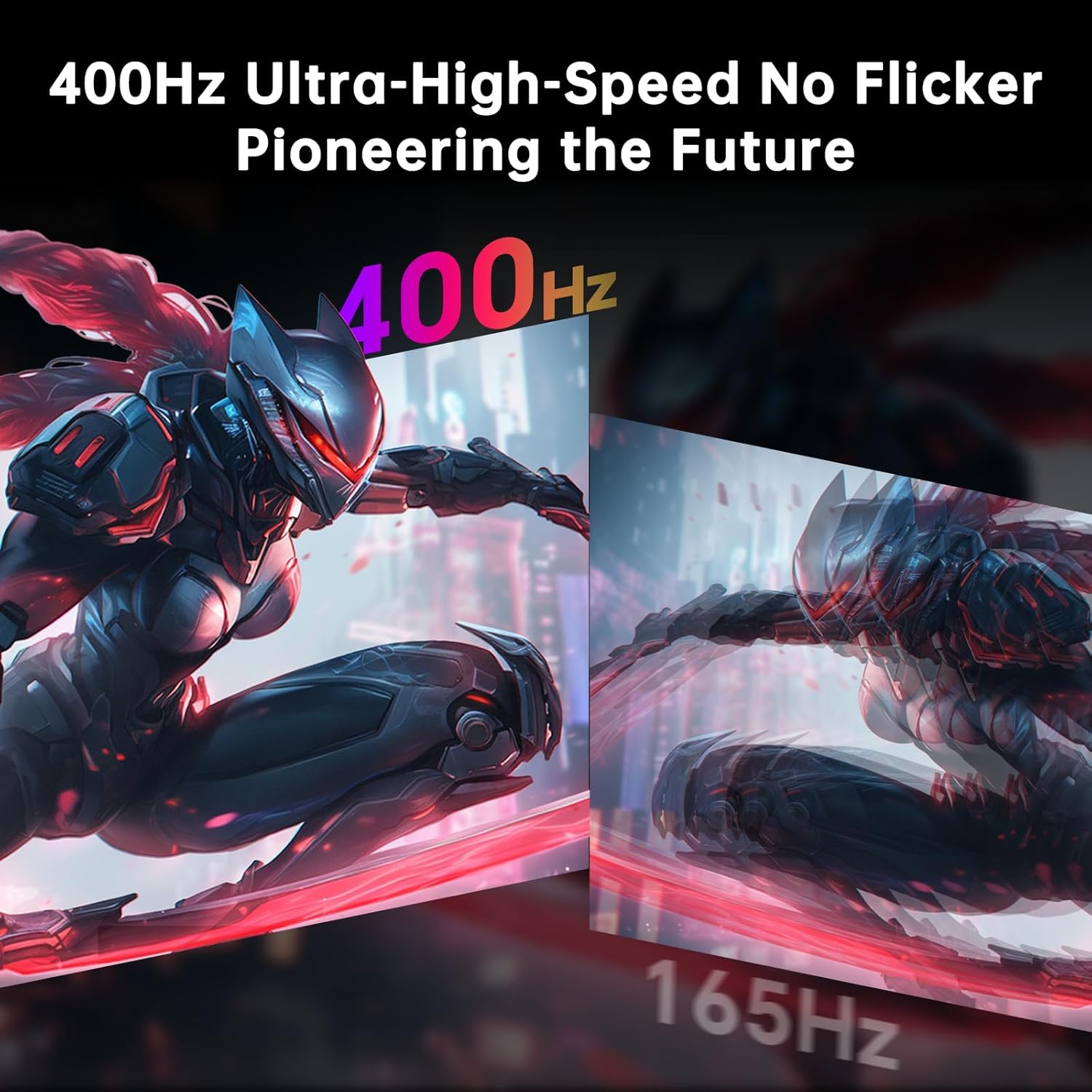
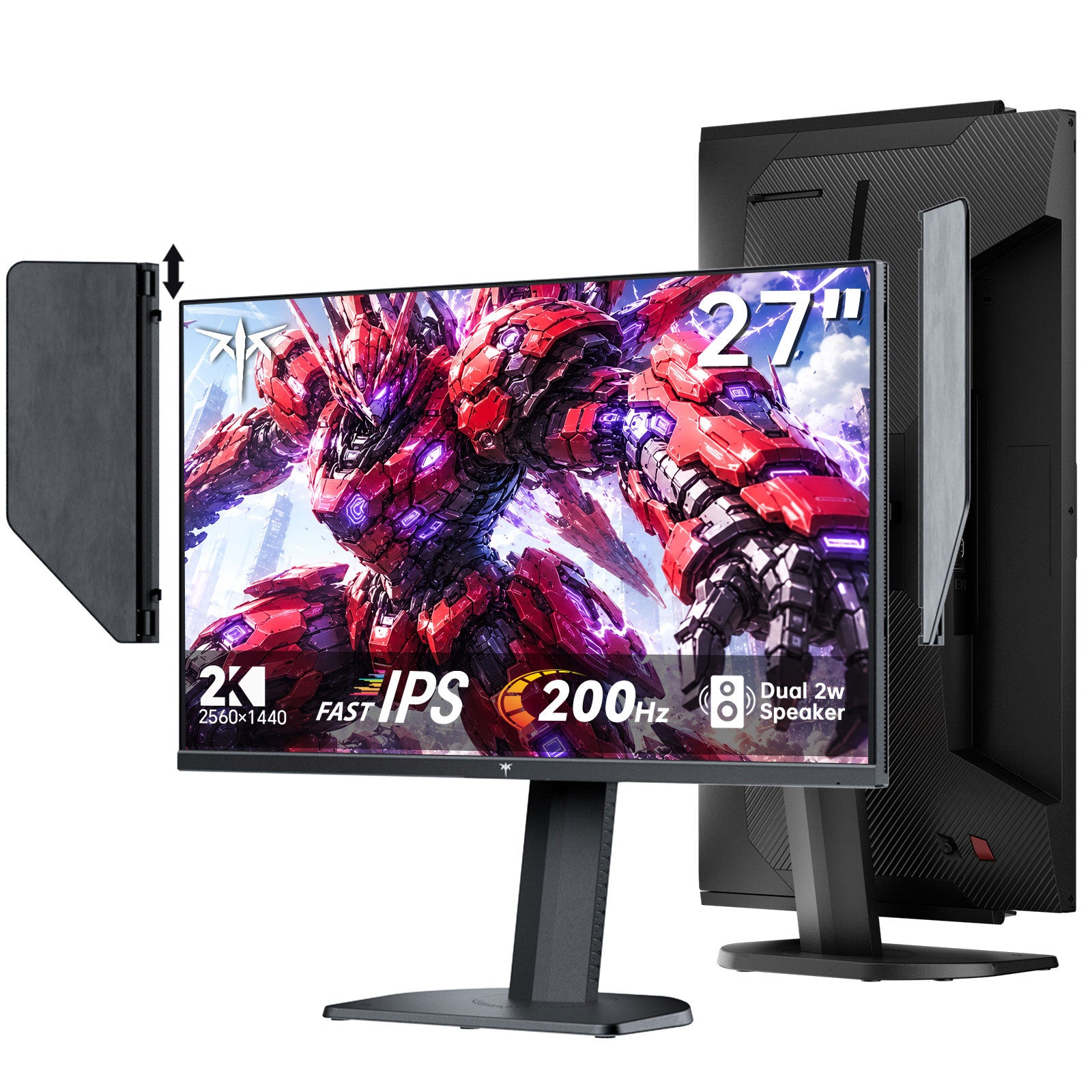
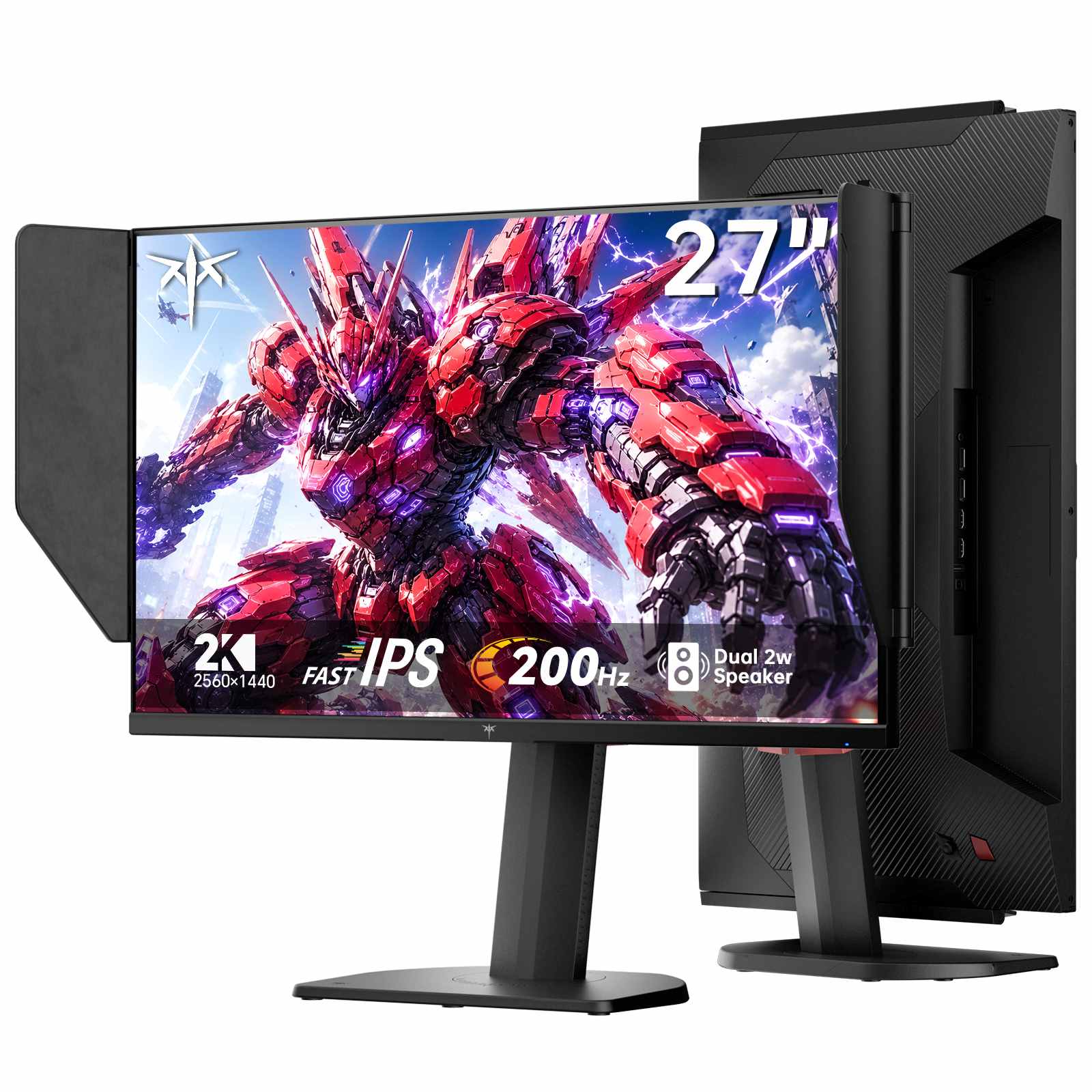
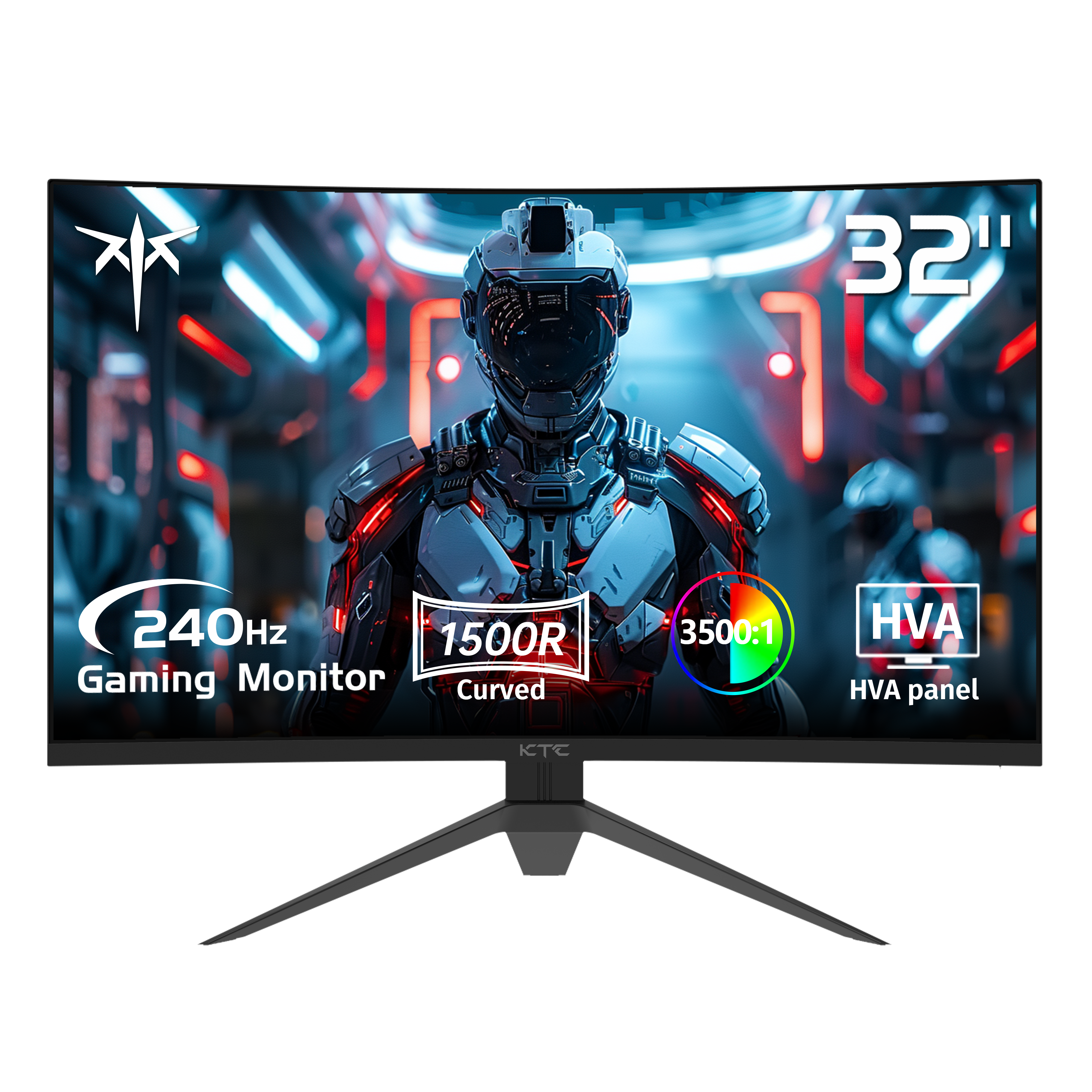
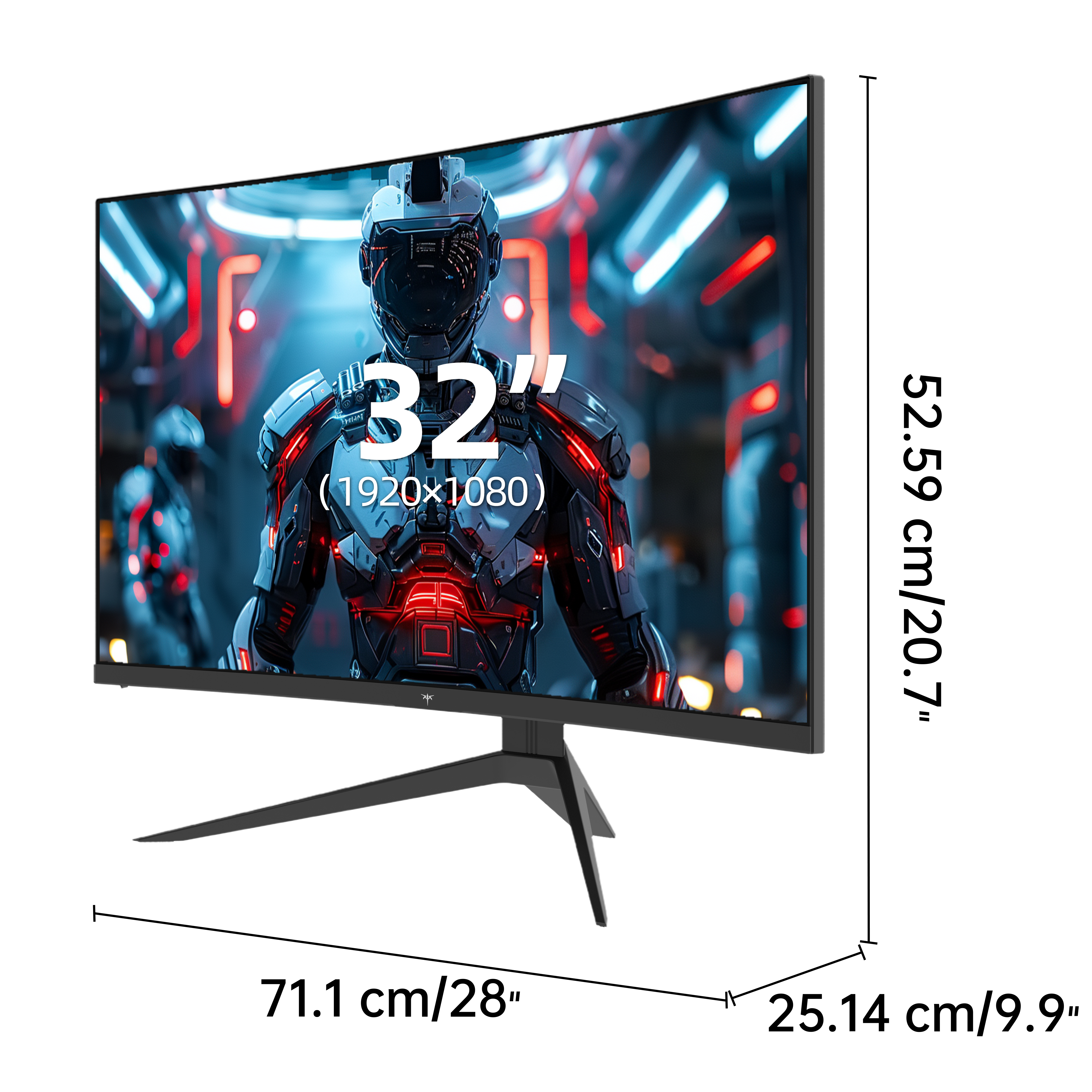
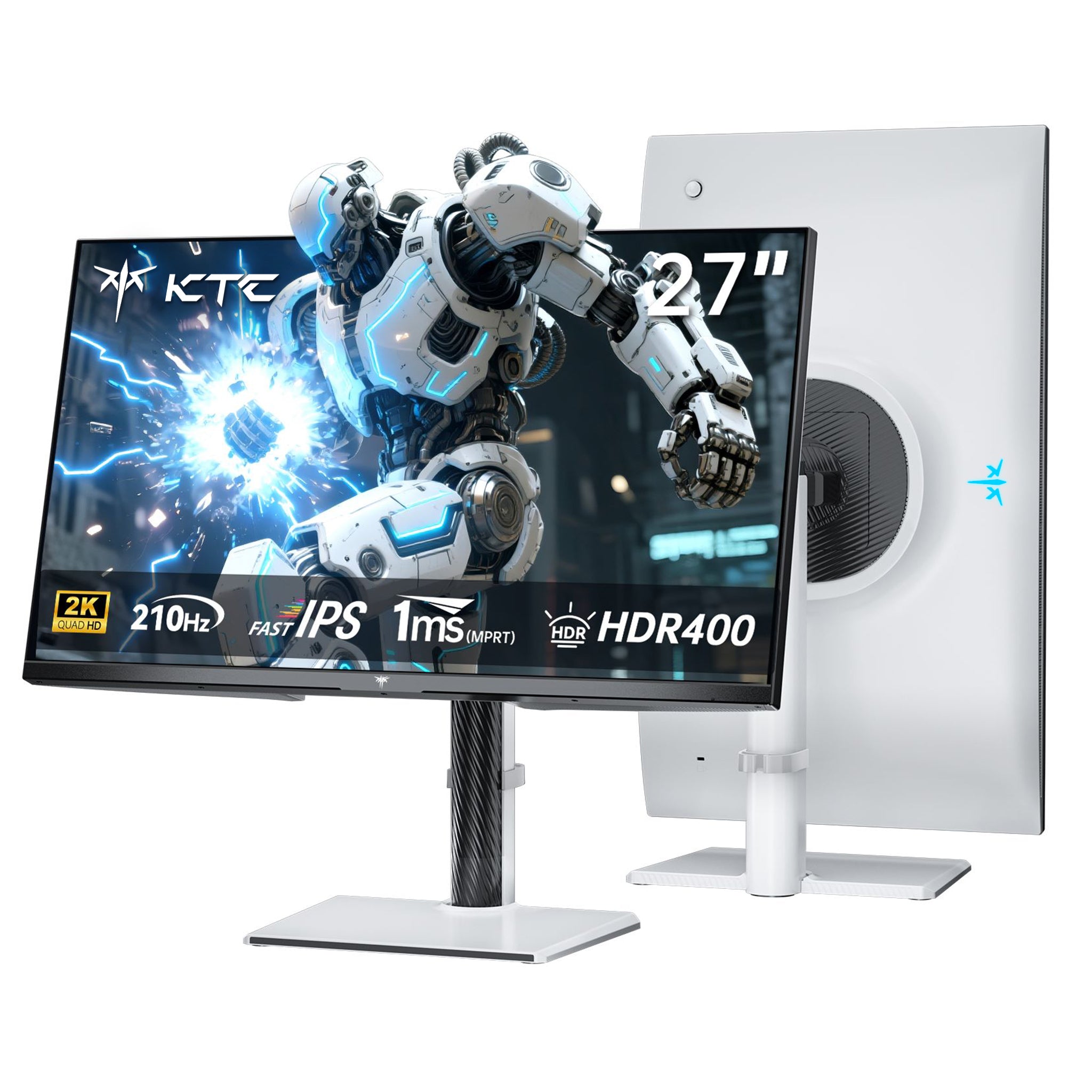
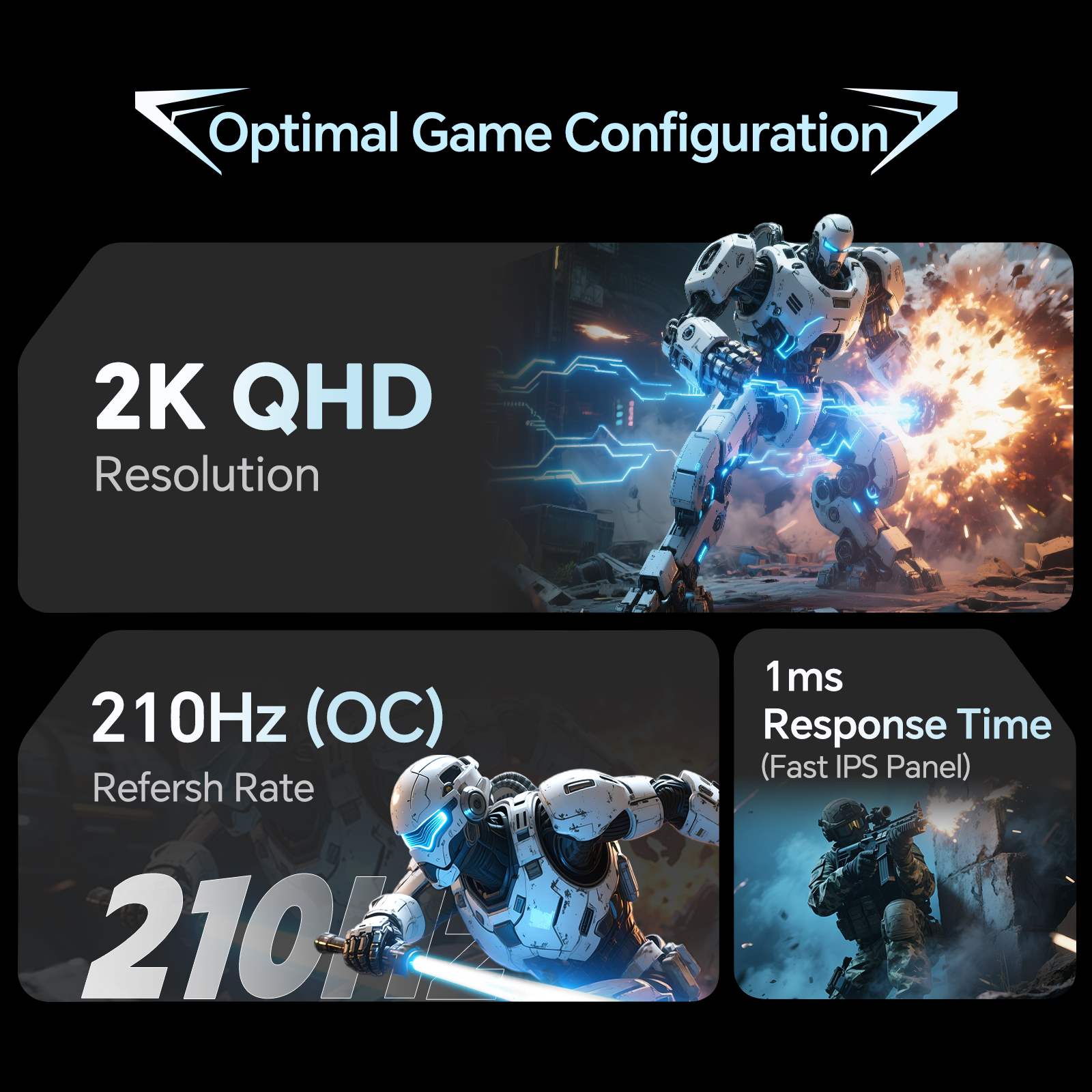
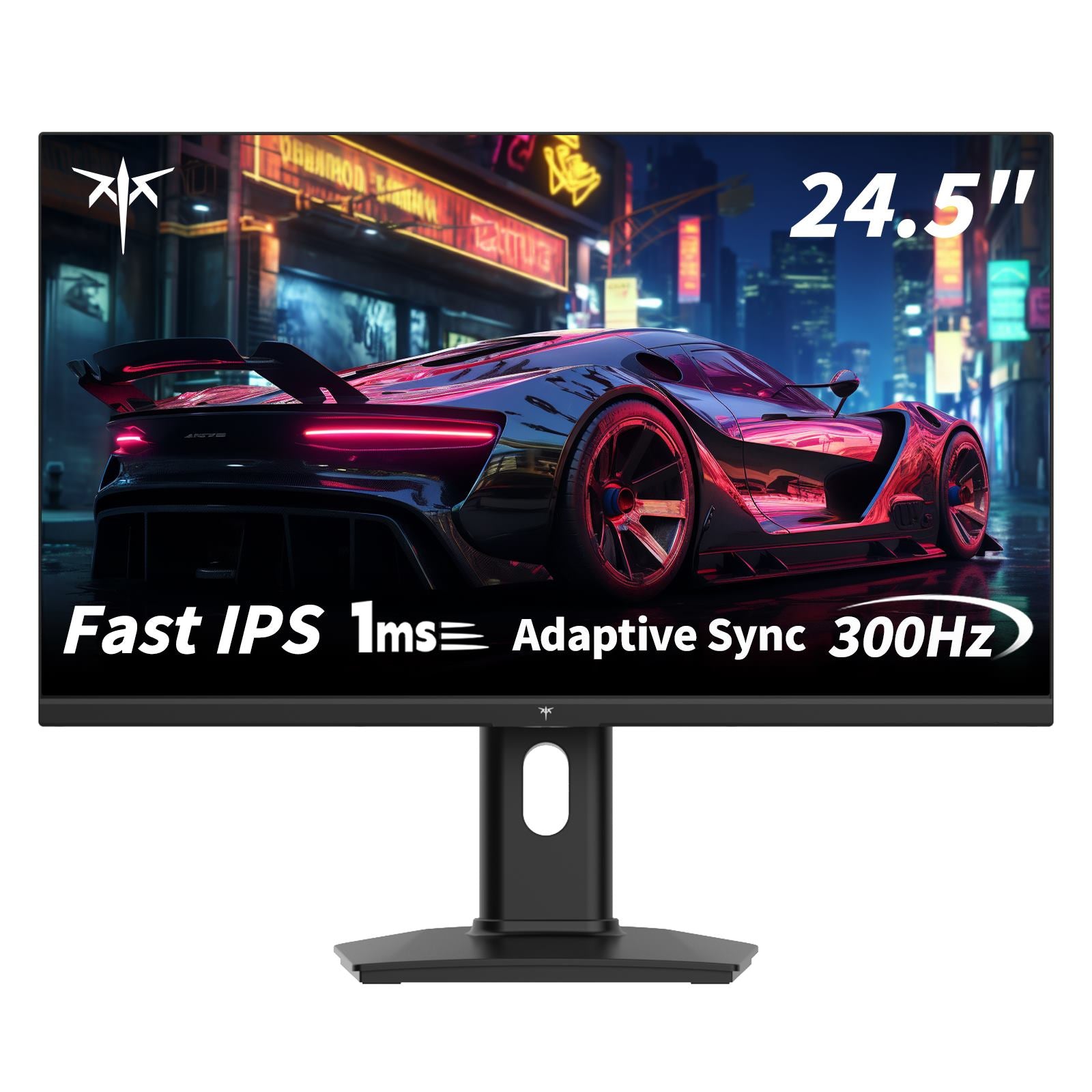
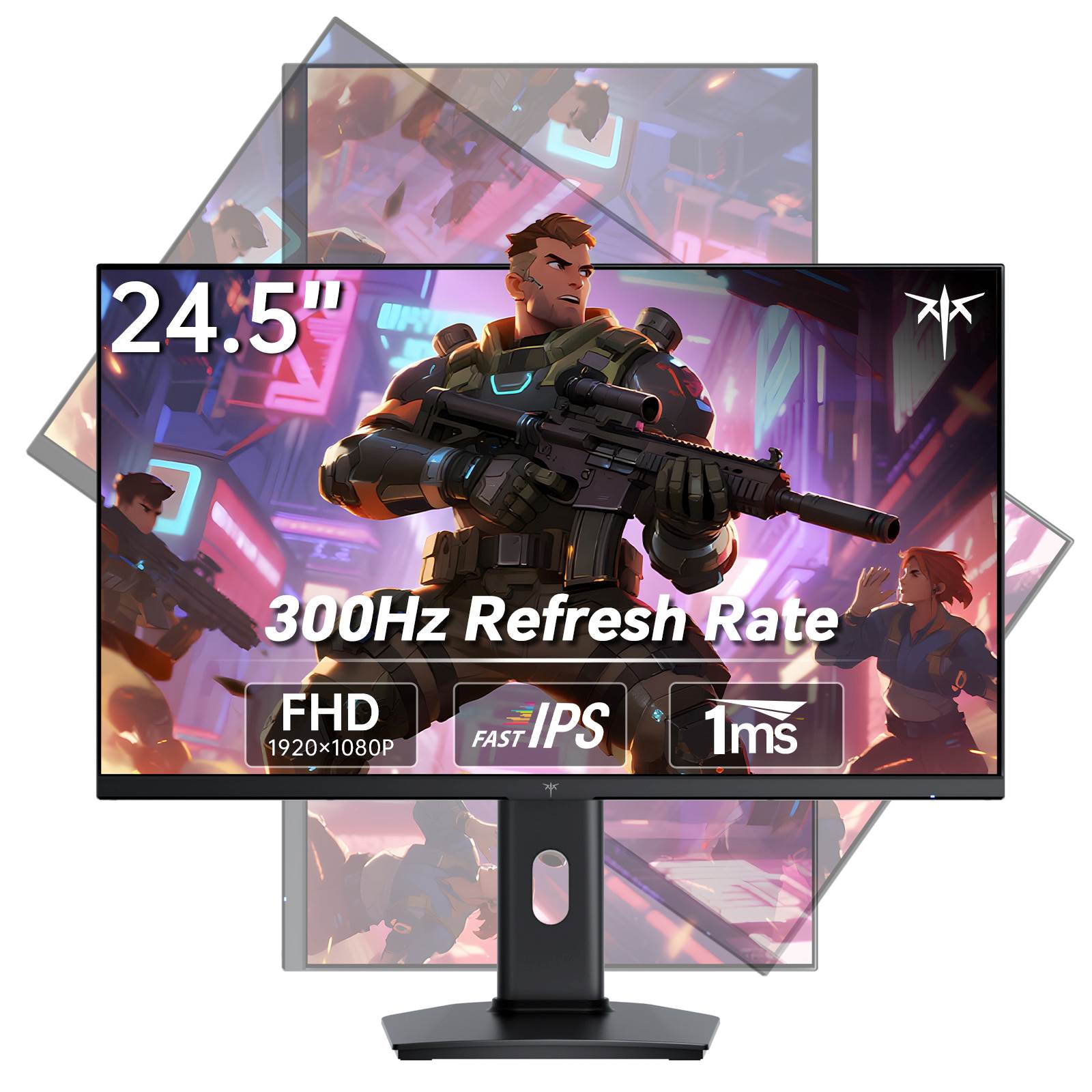
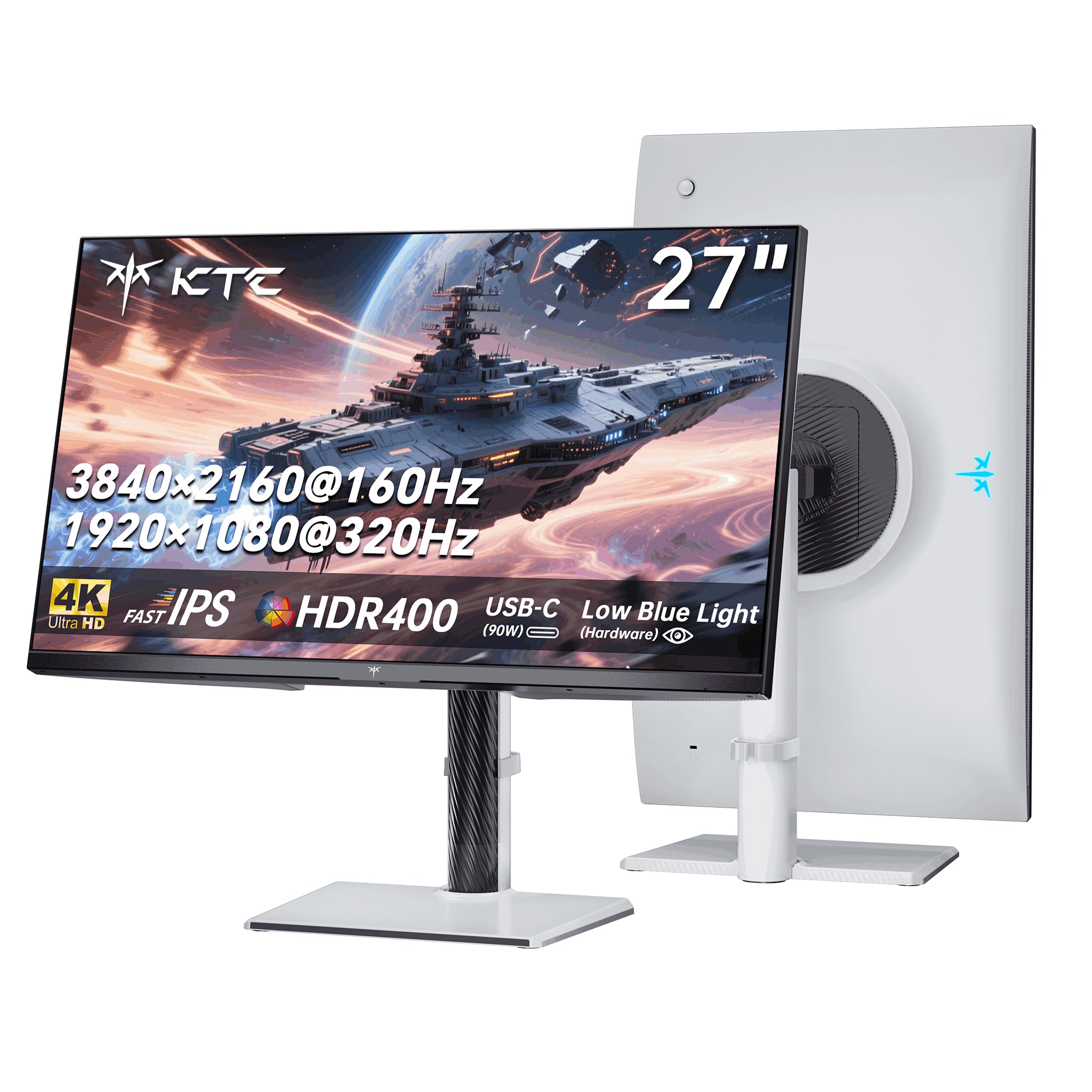
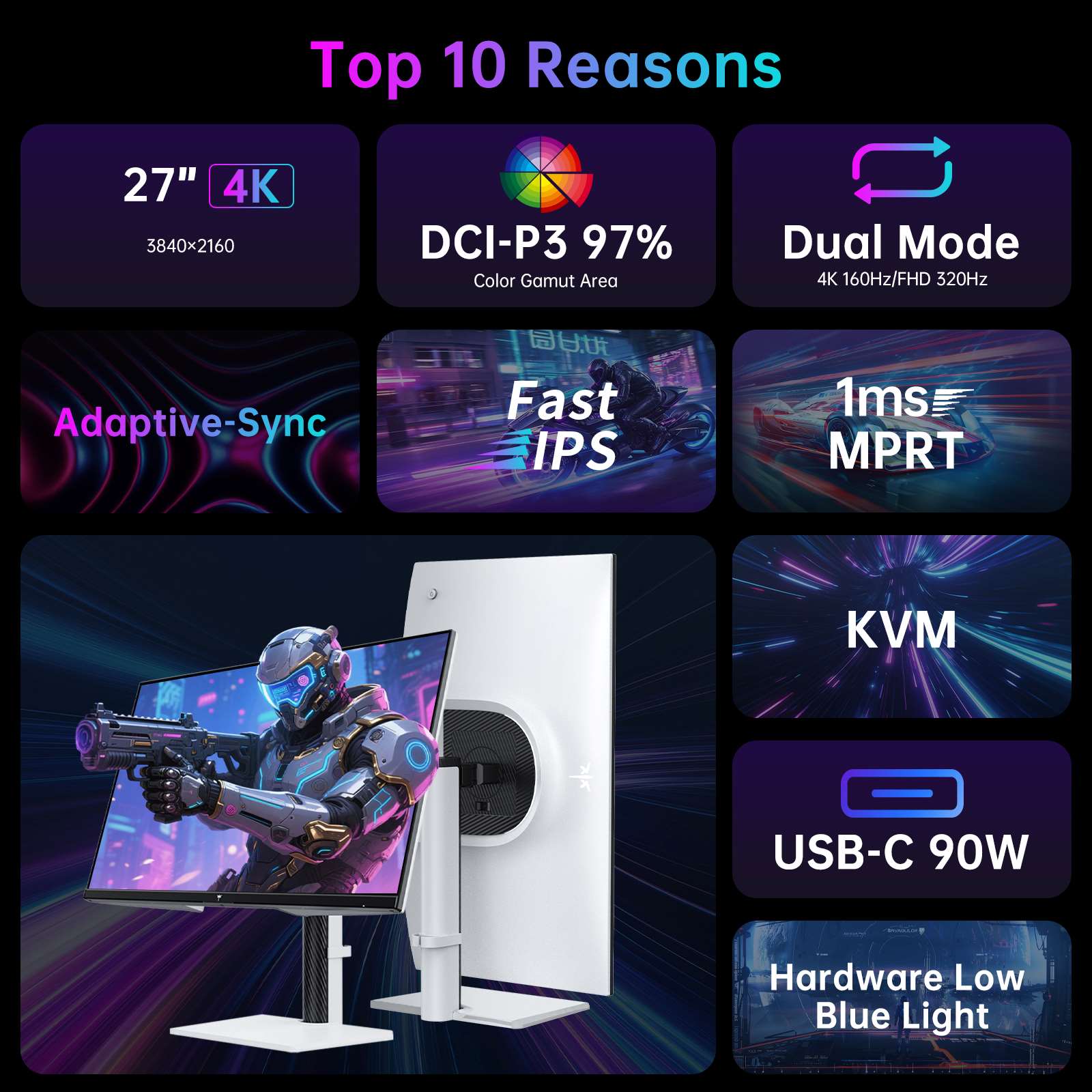
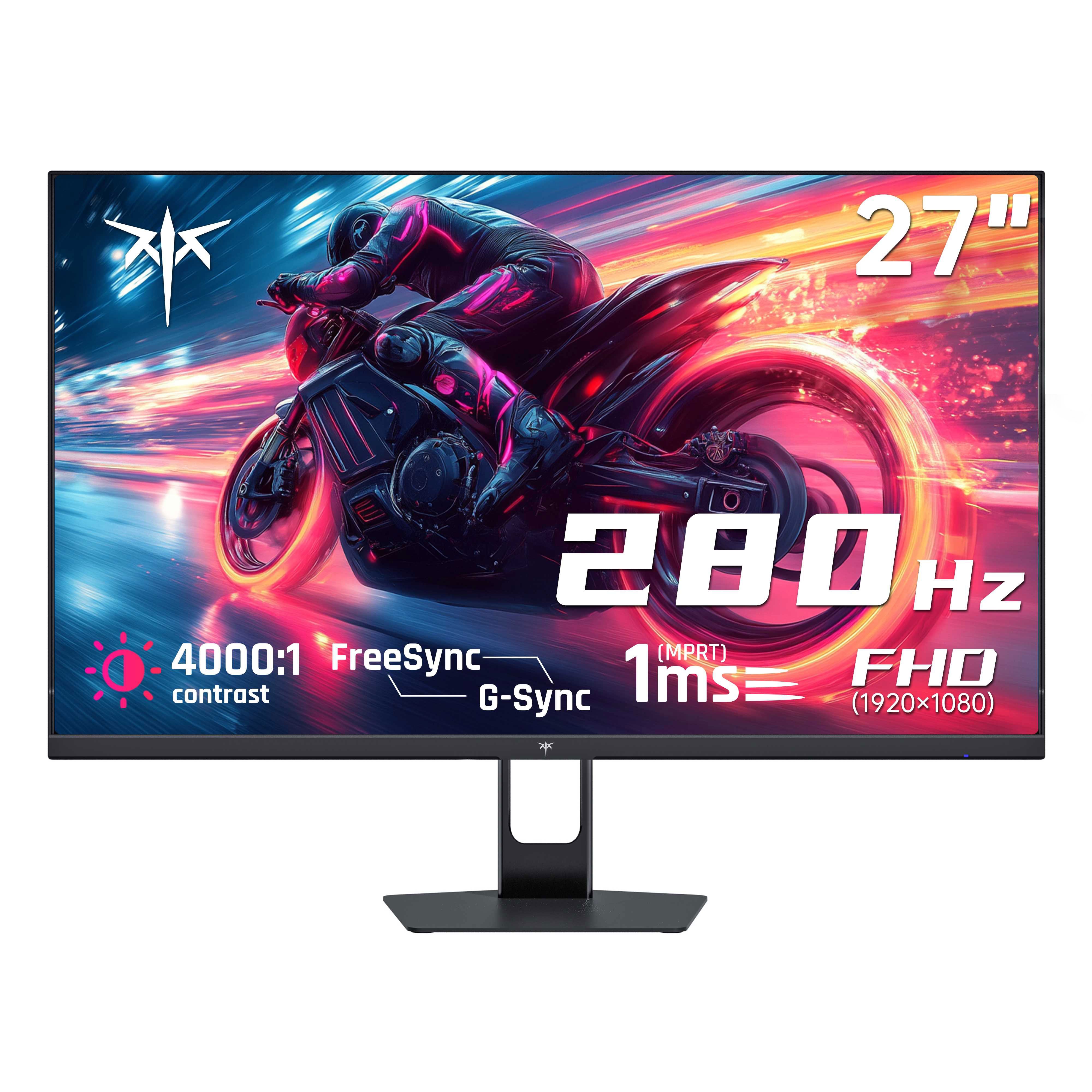
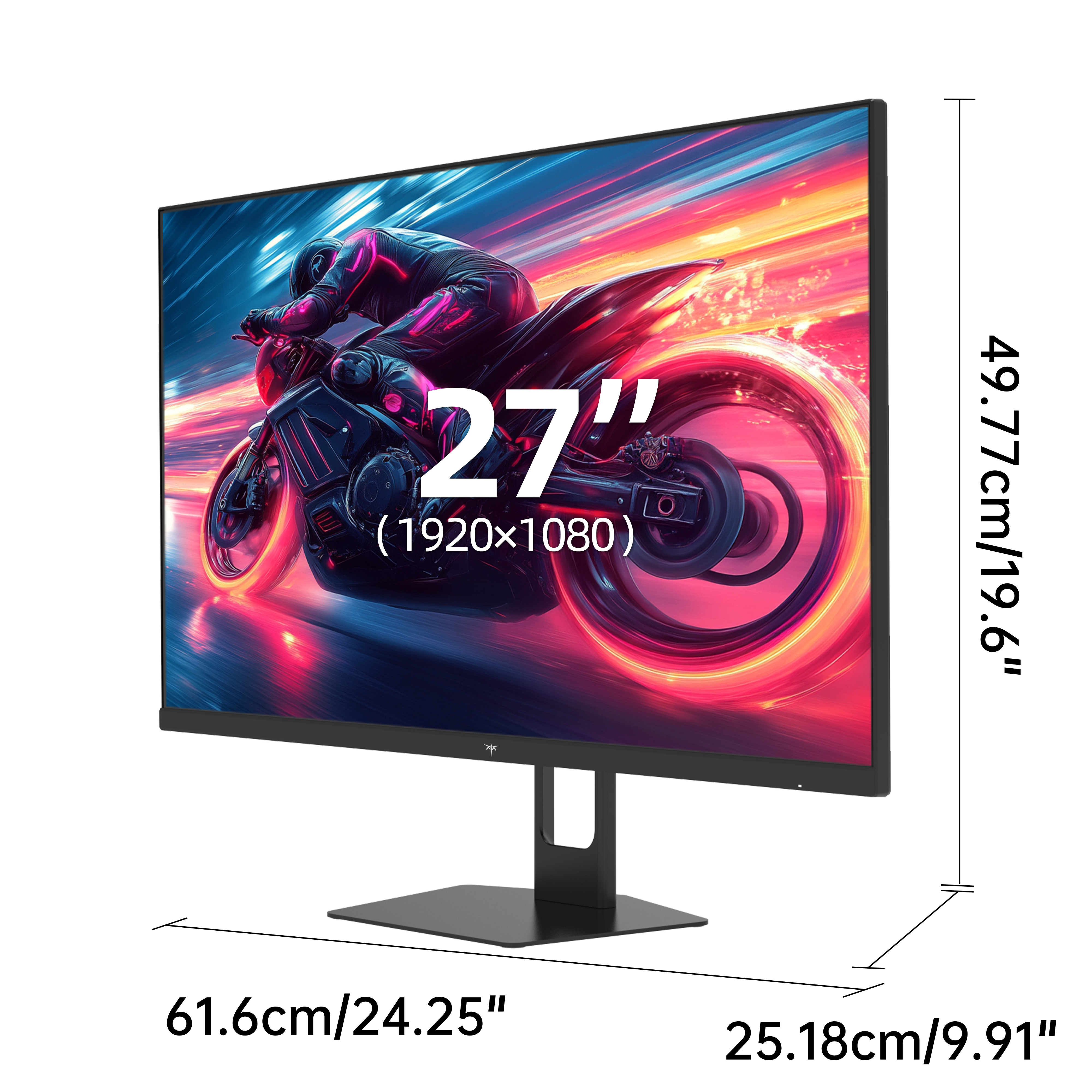
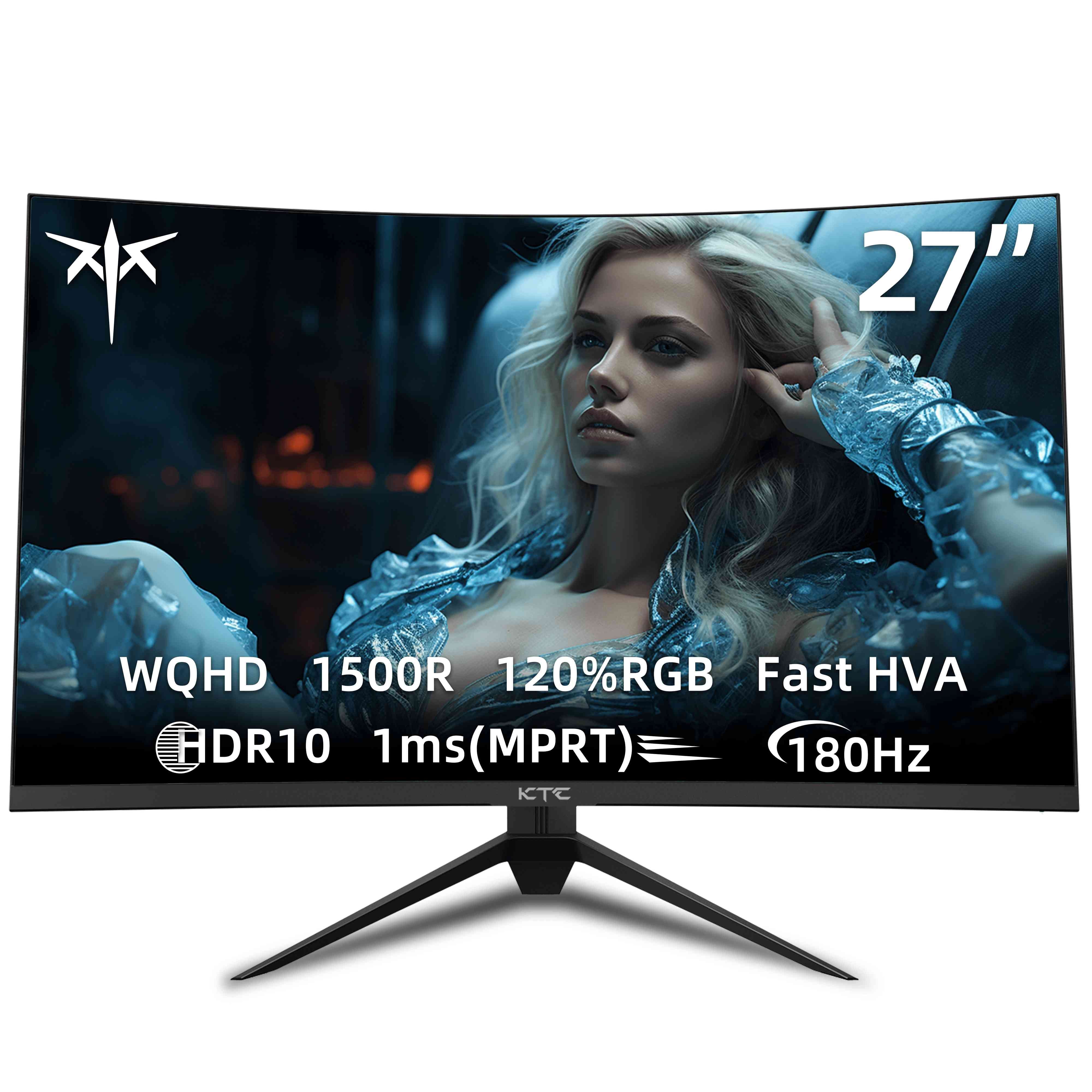
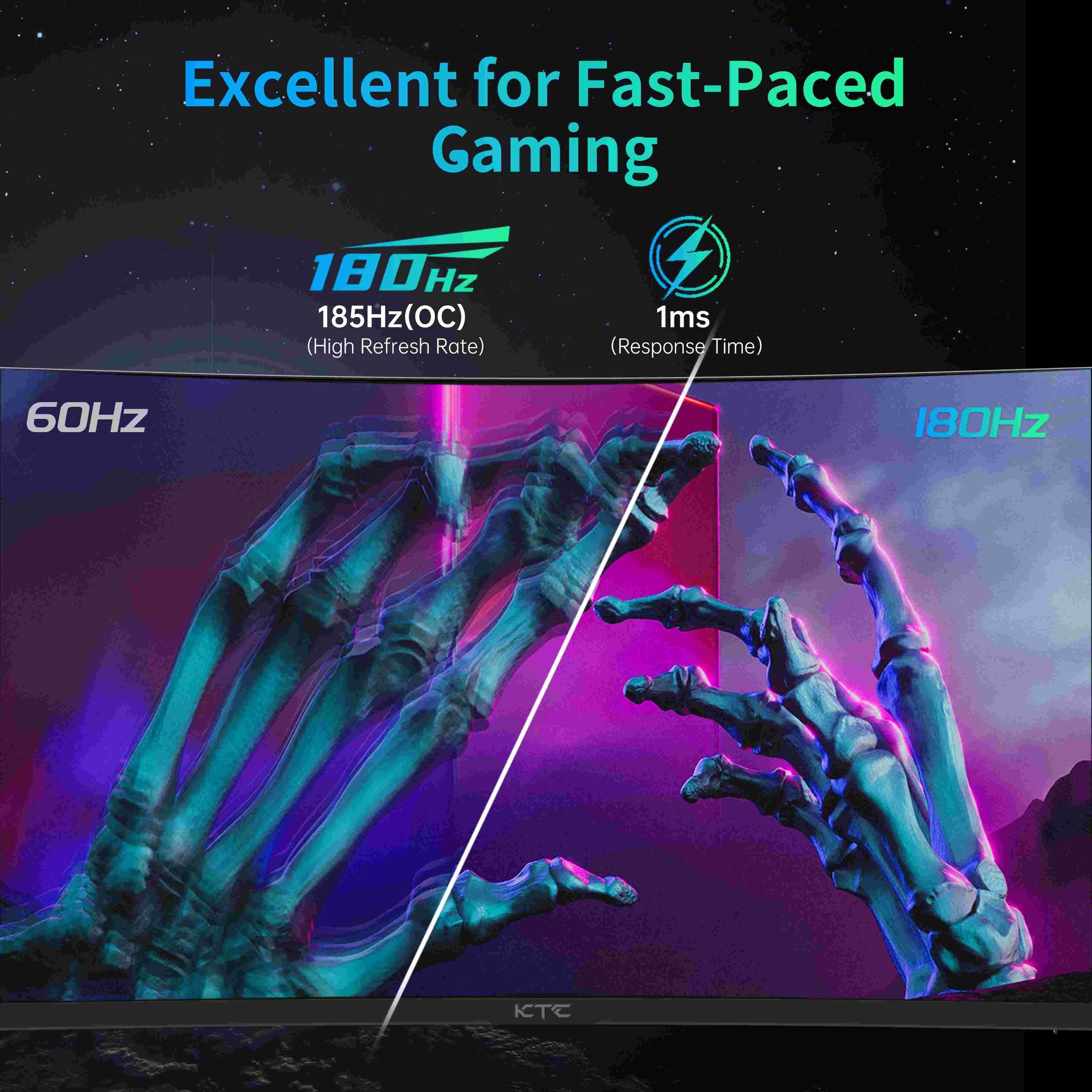
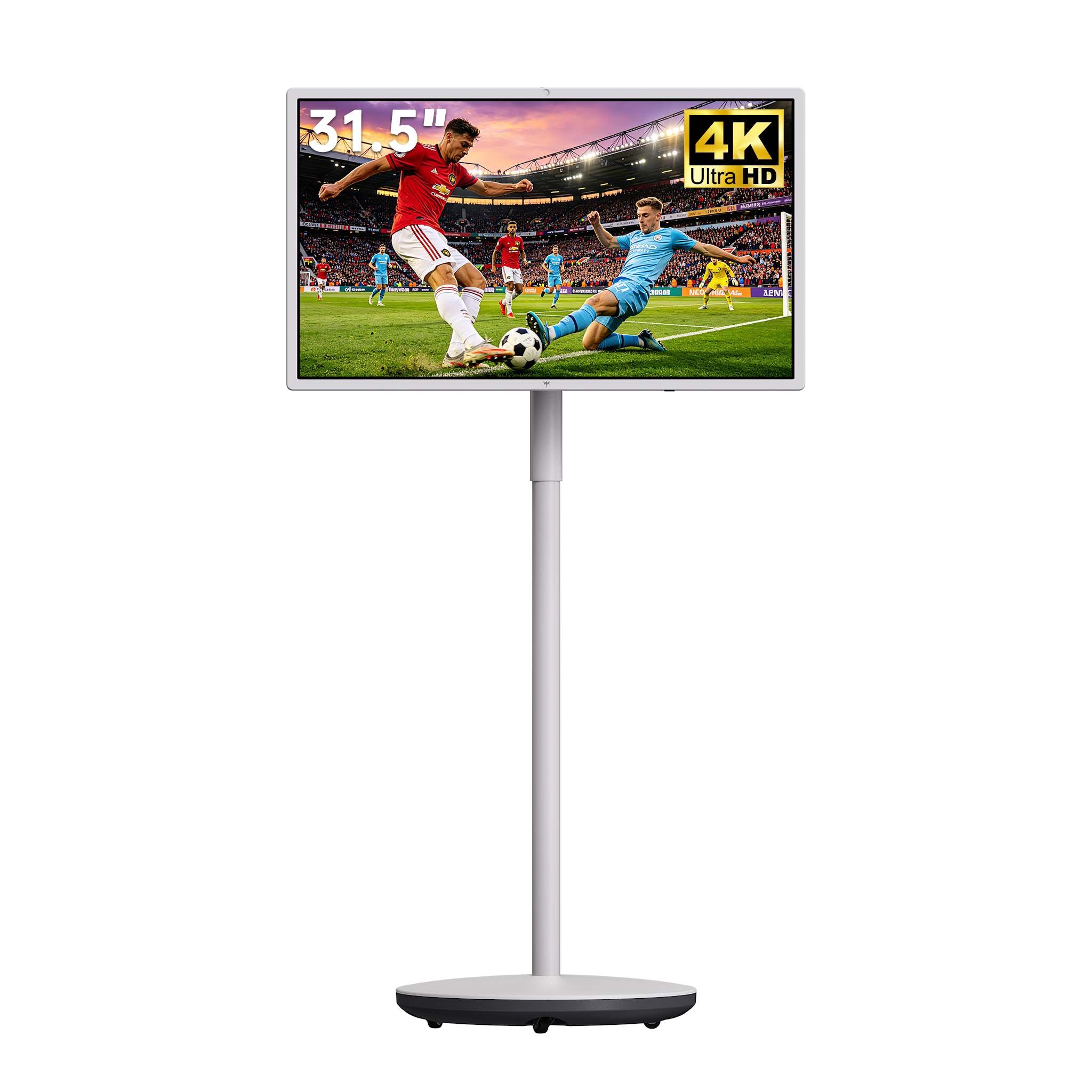
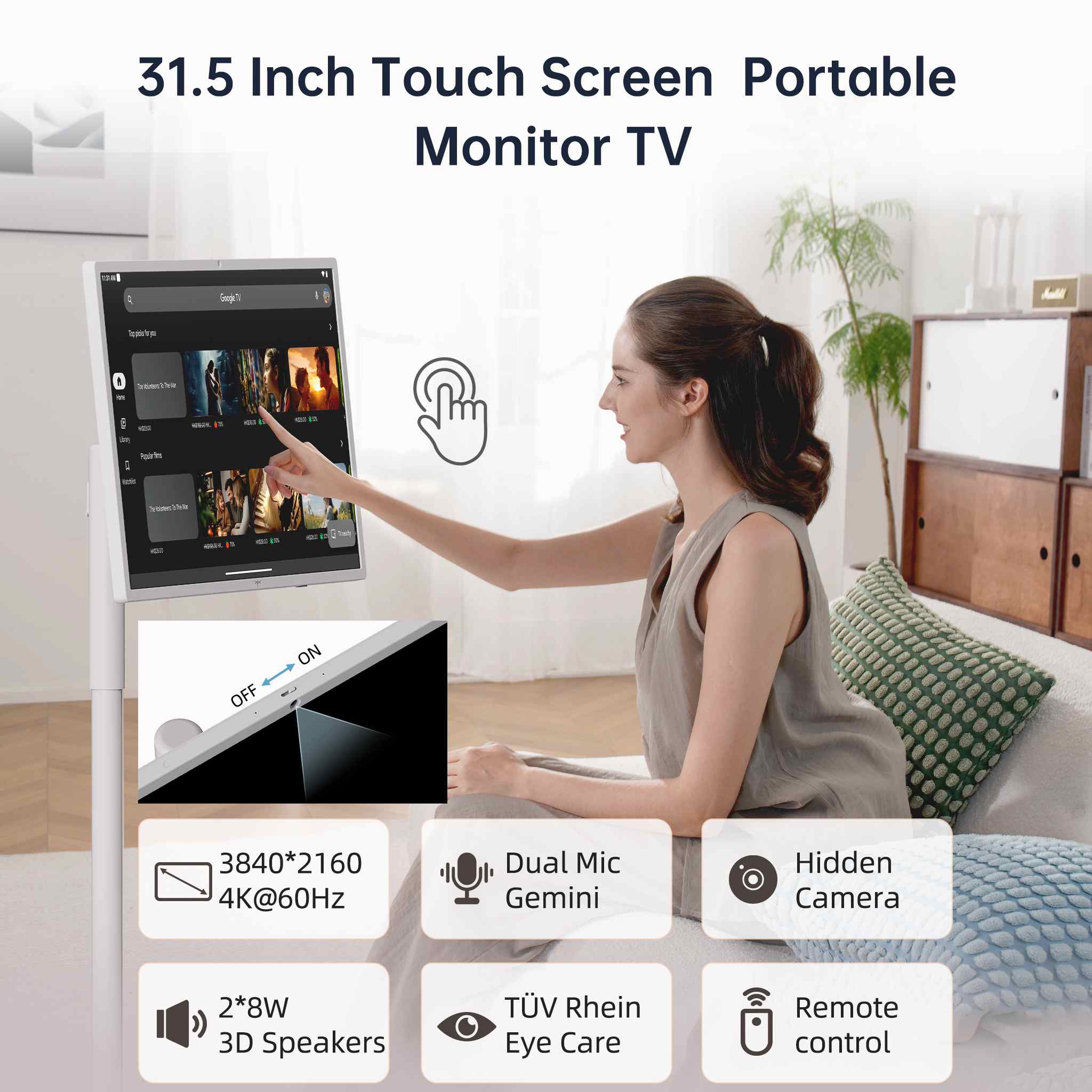
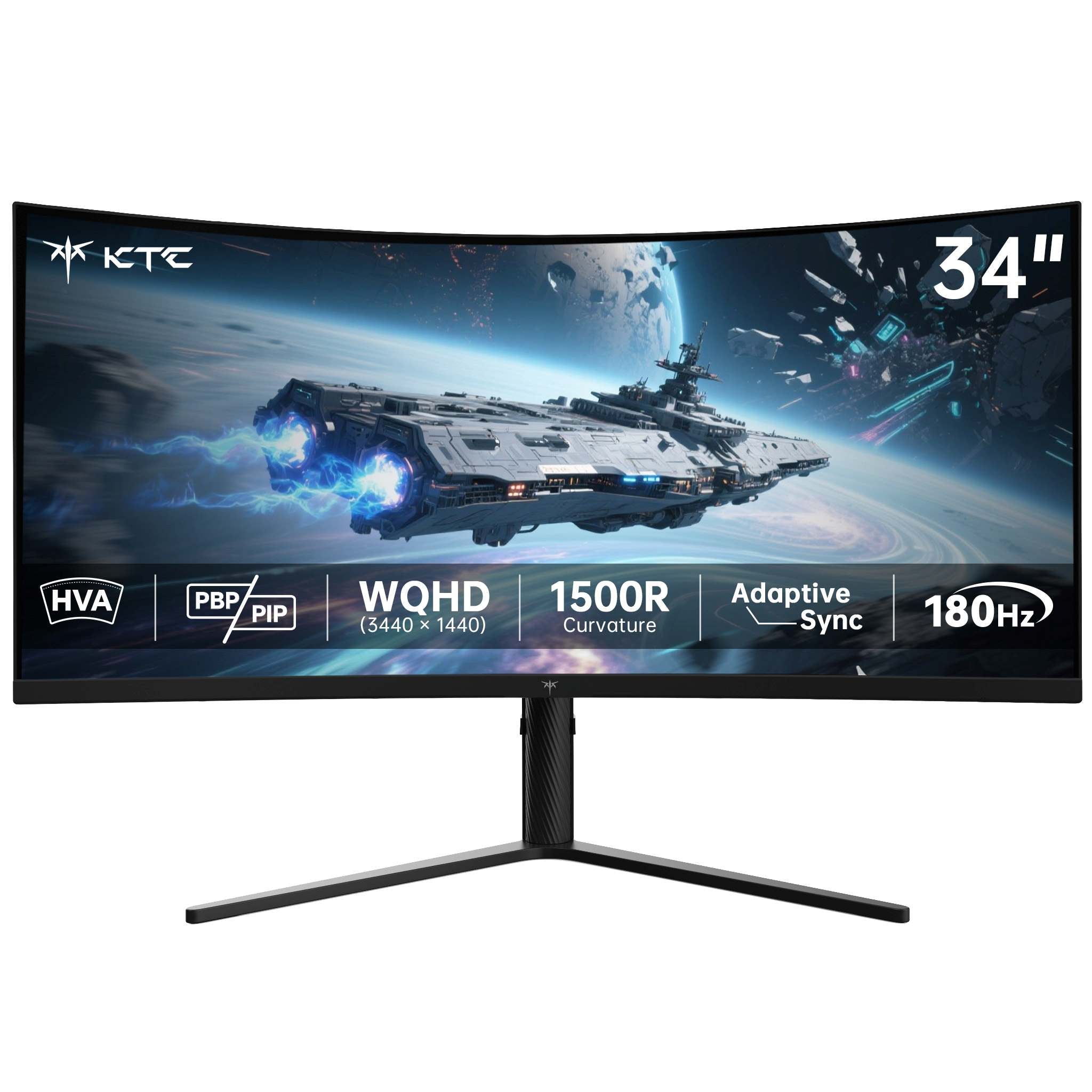
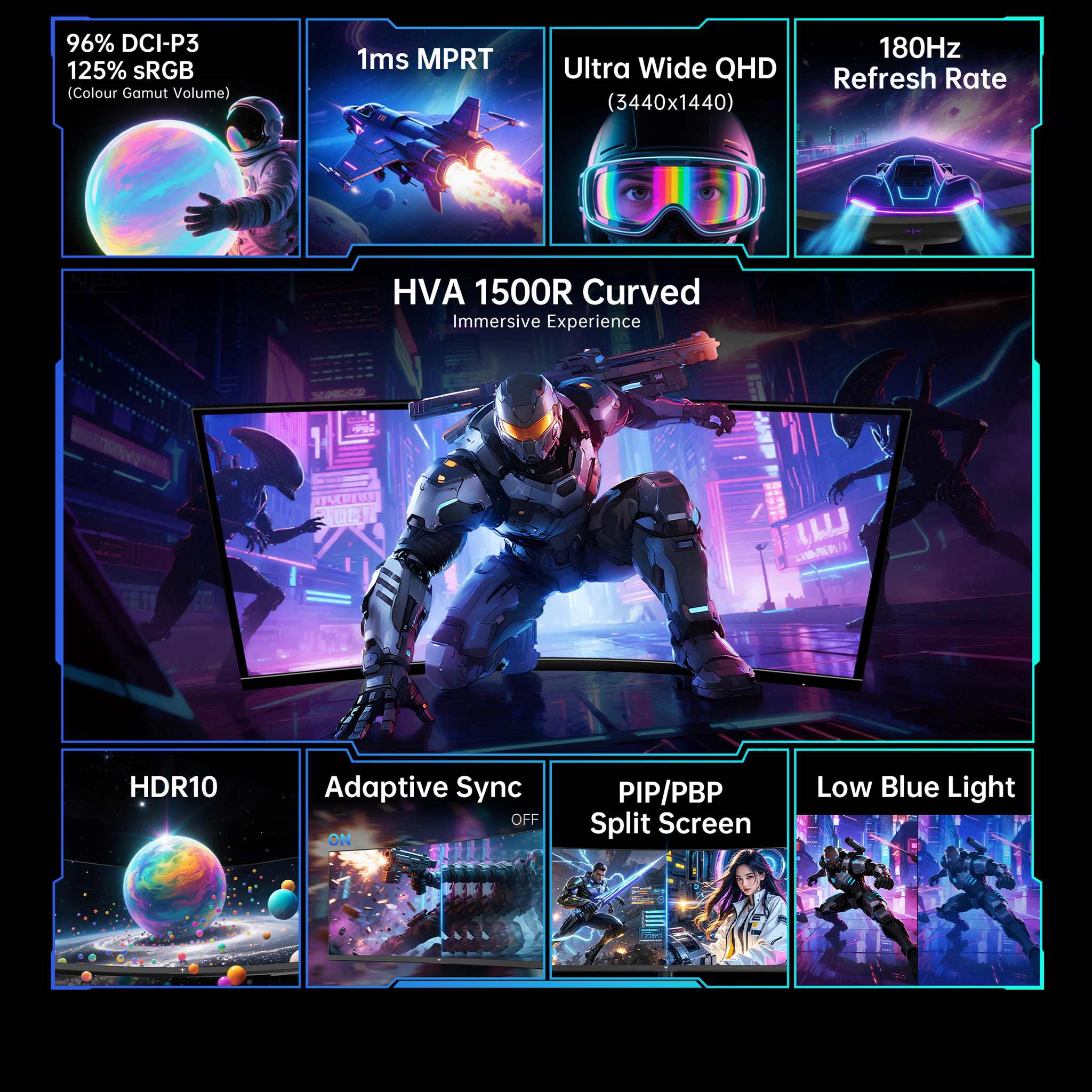
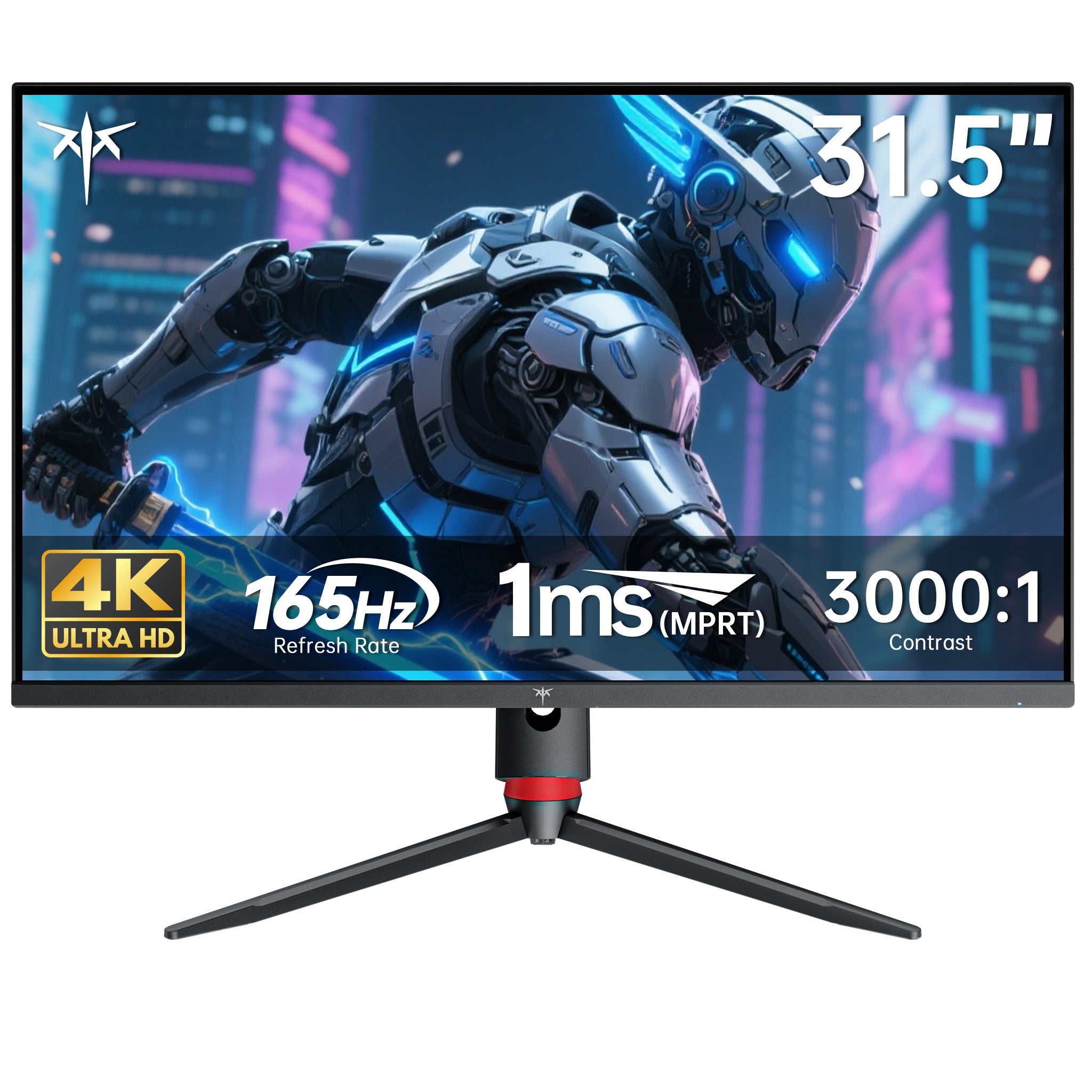
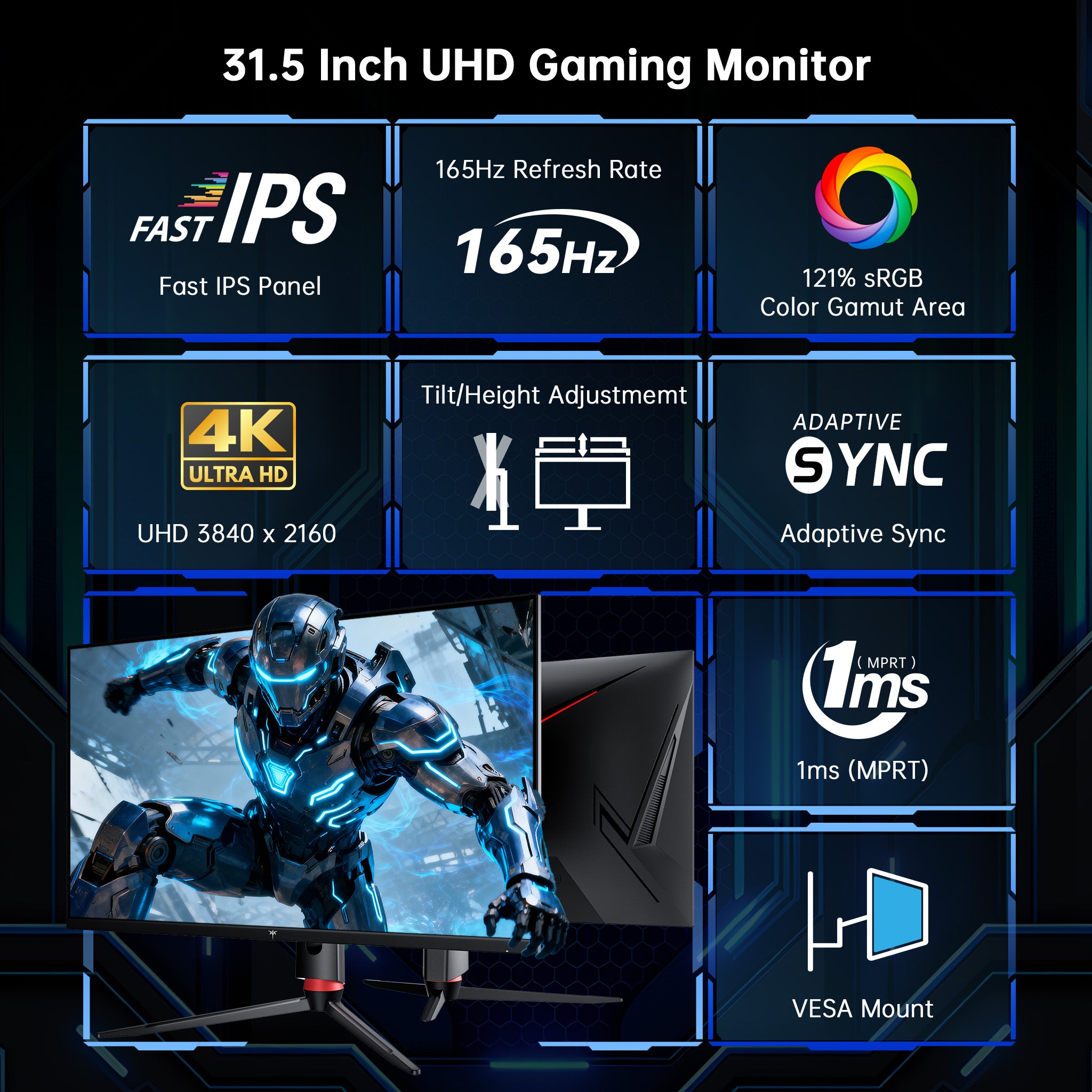
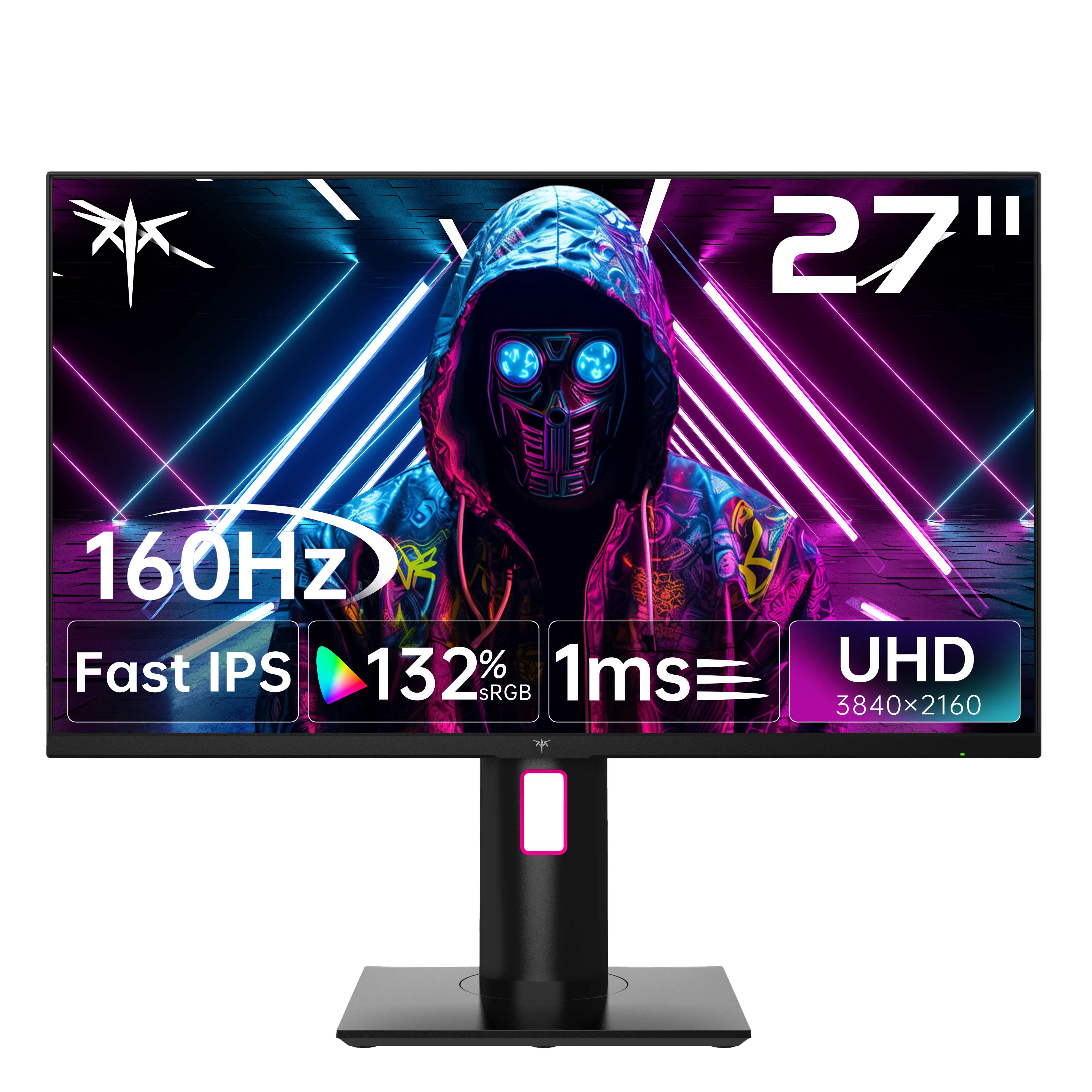
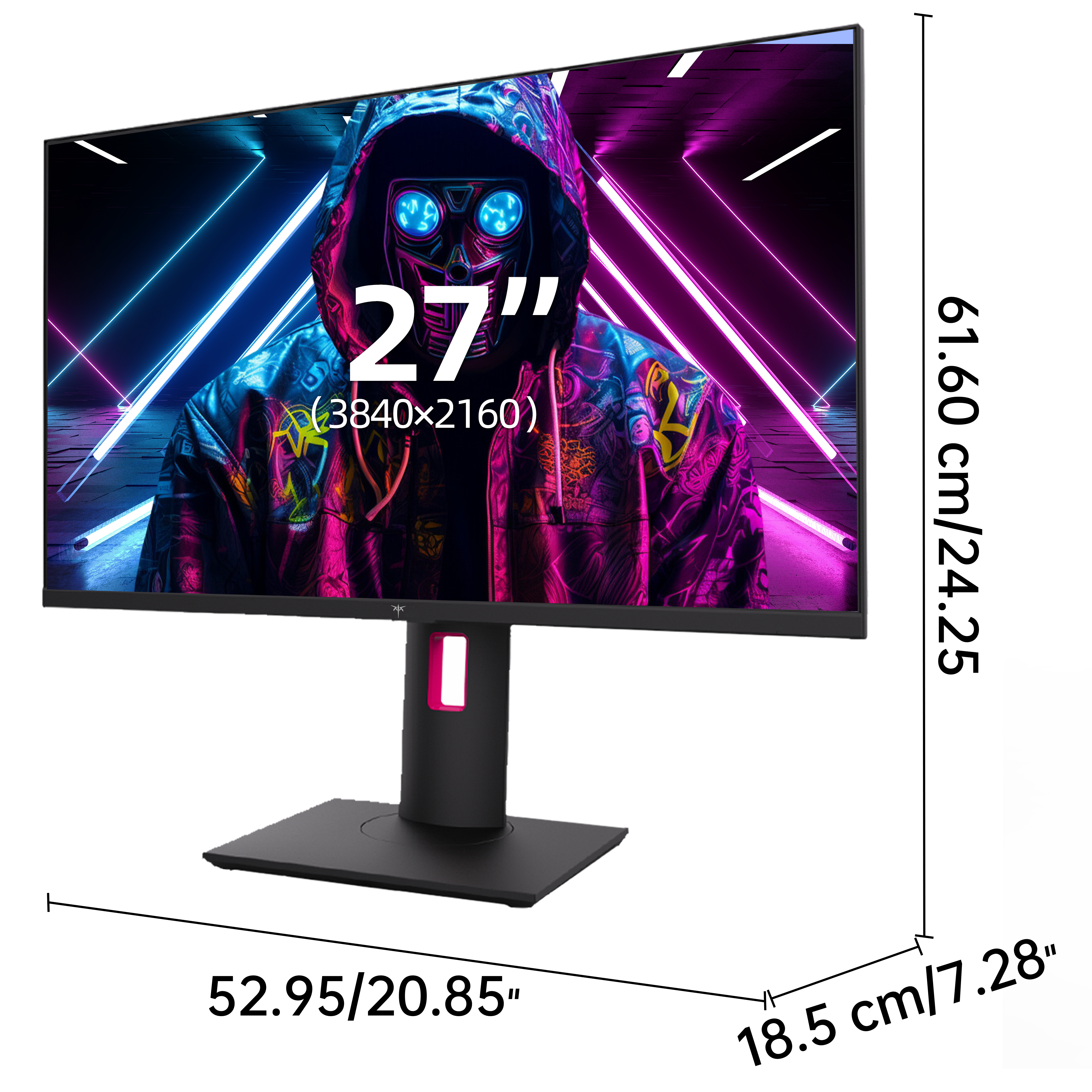
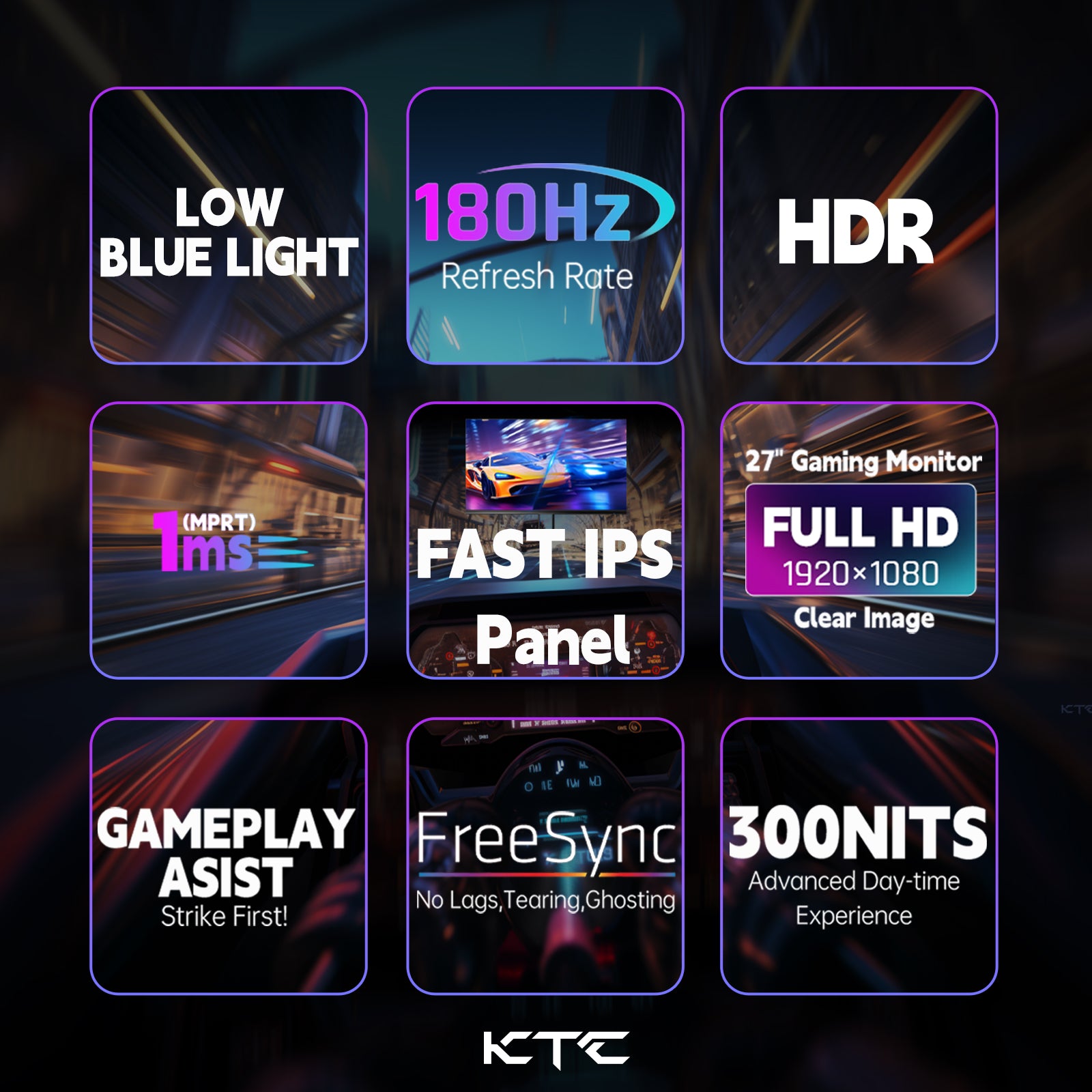
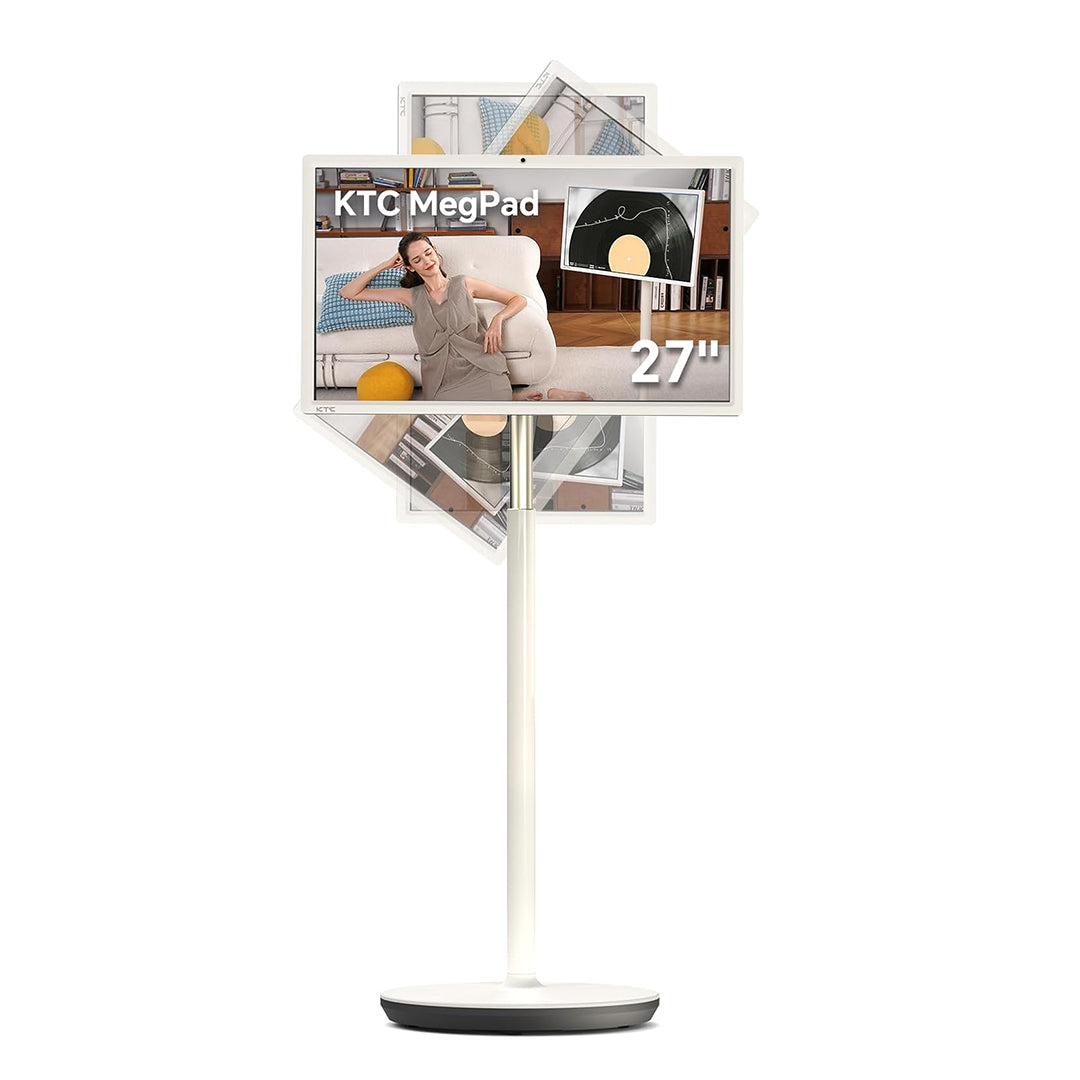
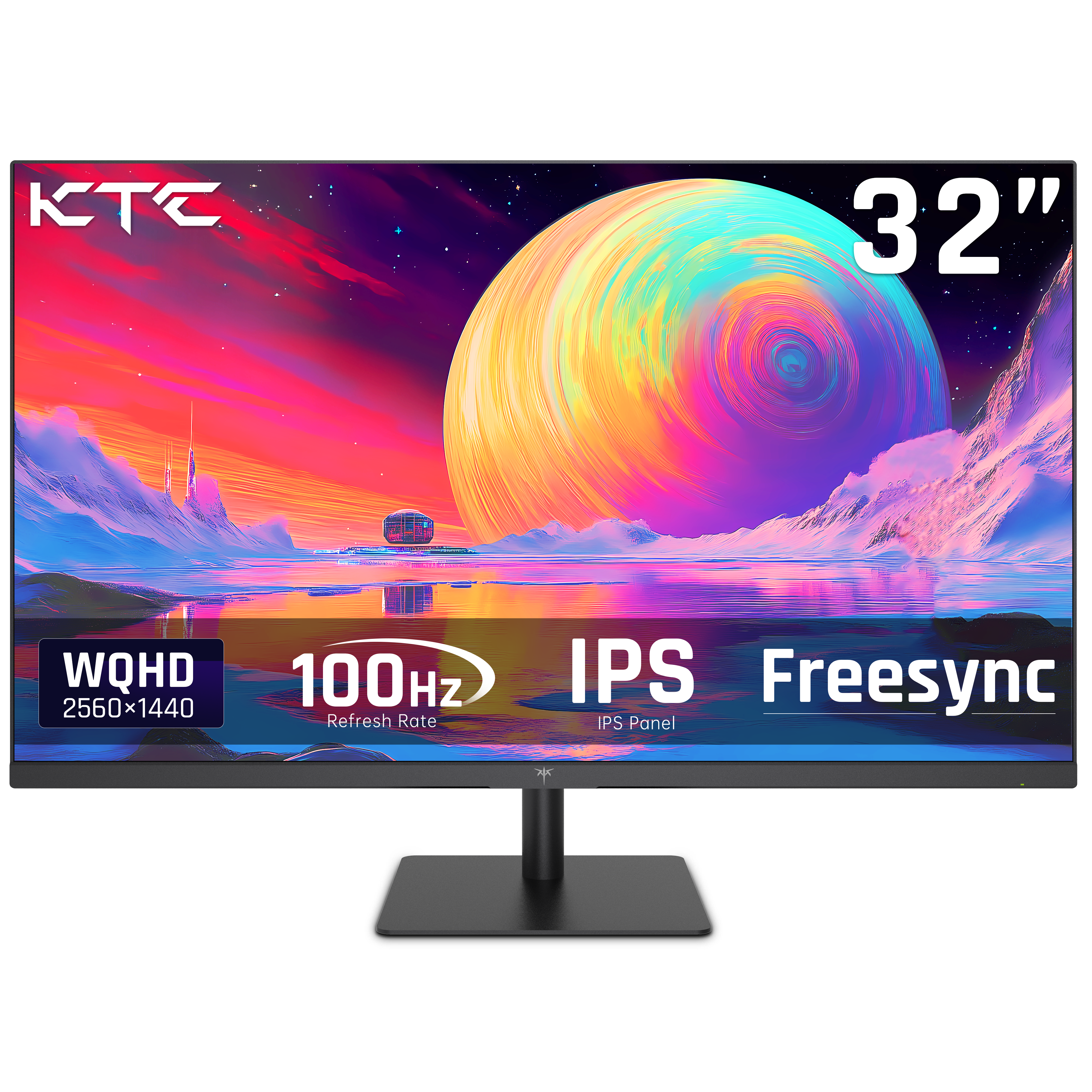
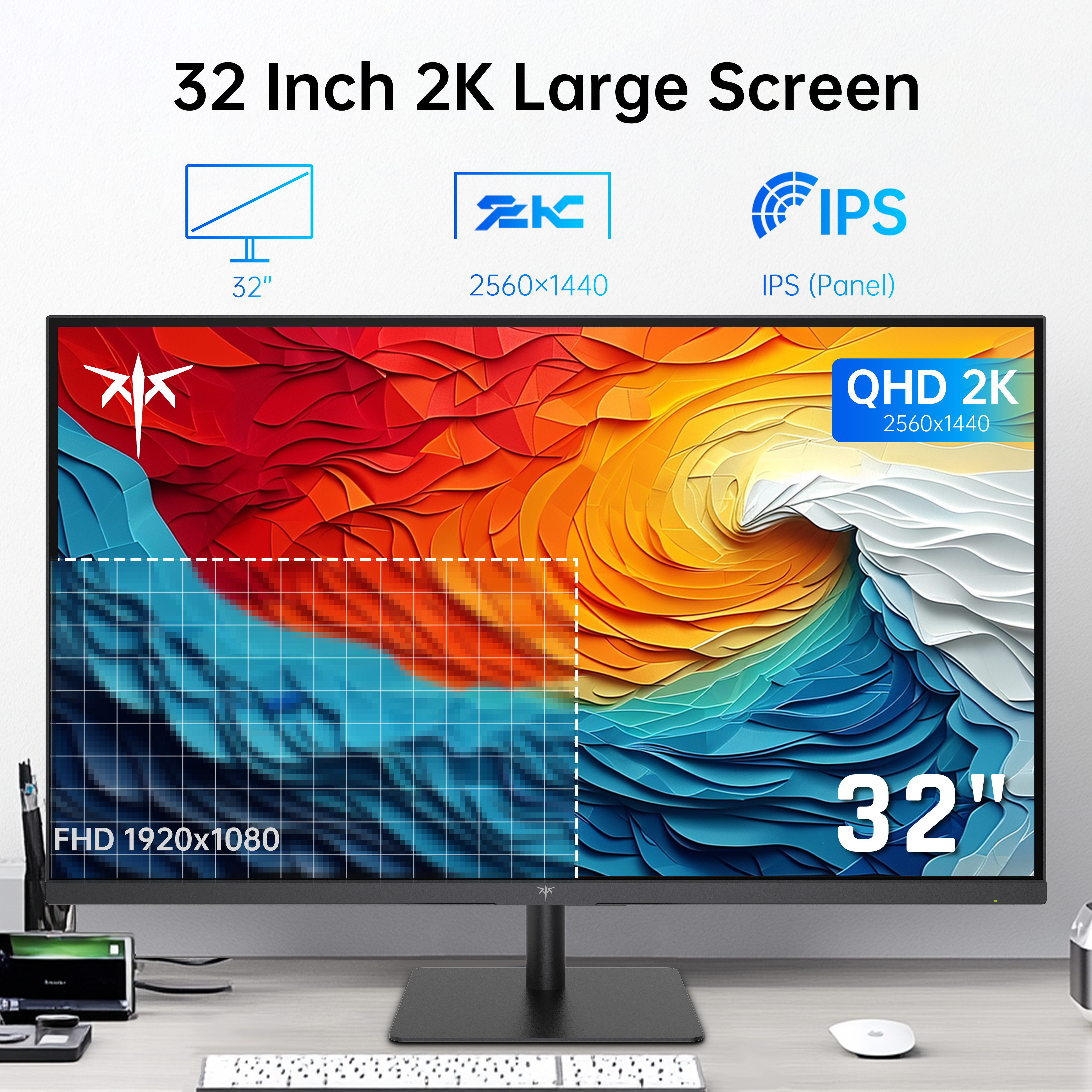
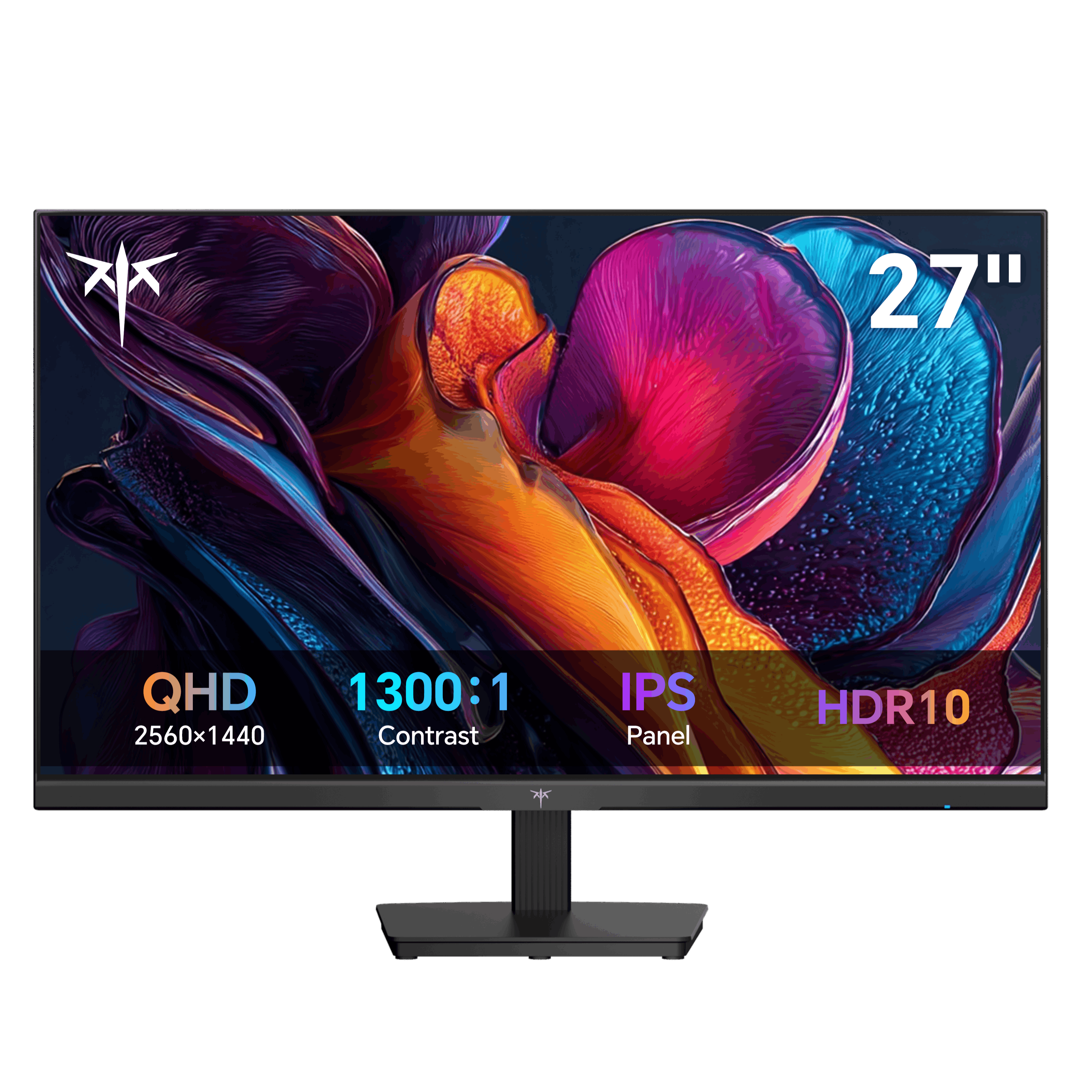
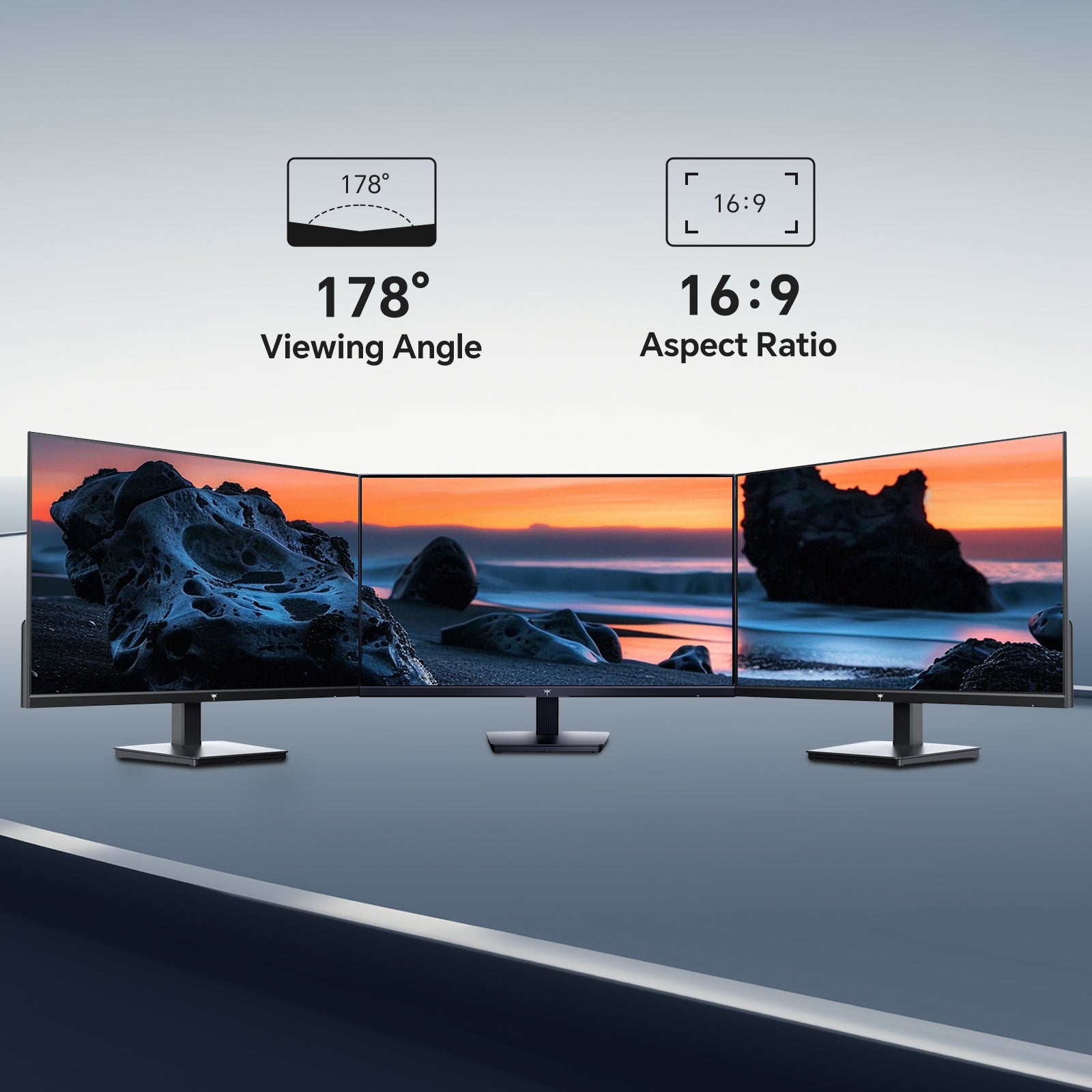
An LCD panel cannot generate its own light. Instead, a backlight passes through a layer of liquid crystals that open and close to control light output—which is why traditional LCD blacks are dark grey rather than pitch black. The fundamental dividing line between modern displays comes down to how precisely that backlight (or light source) can be controlled across your screen.
Mini LED and OLED address light control in completely opposite ways. Mini LED divides an LCD backlight into hundreds or thousands of localized dimming zones, while OLED removes the backlight entirely by letting every individual pixel emit its own light. Understanding how each technology handles contrast, brightness, and color helps you choose the perfect display for your room environment and content habits.
Traditional LCD displays utilize a single uniform backlight or edge lighting. It is a proven, reliable architecture that makes competitive ultra-high refresh rates affordable—powering our competitive 240Hz to 400Hz lineup. We explore common backlight traits like corner glow and light leakage in our IPS glow vs backlight bleed analysis.
Mini LED technology upgrades traditional LCD by splitting the backlight into hundreds of independent local dimming zones. By dimming dark areas while driving bright elements to extreme peaks, Mini LED displays reach HDR1400 certifications while preserving delicate shadow details without washout.
OLED displays feature self-emissive pixels with zero backlight. Pixels turn off completely for infinite contrast and true pitch blacks. Because there are no liquid crystals rotating, models like the G27P6 deliver a near-instant 0.03ms response time. While OLED offers unmatched contrast, near-black handling and static content care differ from LCD displays.
Underneath the light source, the underlying LCD crystal alignment still dictates viewing angles and contrast: IPS panels maintain color consistency at wide angles, while VA panels block light more effectively for deeper native contrast. Read our complete IPS vs VA vs OLED comparison for a side-by-side analysis.
Explore KTC LCD, Mini LED, and OLED monitors engineered to match your space, lighting conditions, and performance demands. From high-value competitive LCDs and HDR1400 Mini LED displays to self-emissive OLED panels with instant response times, find the exact balance of contrast, brightness, and speed for your workstation or gaming setup.
Standard LCD uses a single global backlight, whereas Mini LED splits the backlight into hundreds of full-array local dimming zones. This localized control significantly boosts dynamic contrast and peak HDR brightness without altering standard LCD panel longevity.
It depends on your primary usage. OLED delivers true black levels and near-instant response times for immersive dark-room gaming and movies. Mini LED offers significantly higher sustained full-screen brightness and zero concern for static image retention, making it ideal for bright offices and productivity.
Modern OLED panels include automatic pixel cleaning and pixel-shift mitigation tools. Simple habits—such as using auto-hiding taskbars, screensavers, and varying content at high brightness—keep OLED displays operating safely for years.
All three display types are built for long-term daily use. LCD and Mini LED displays maintain stable performance for years as backlights gradually dim, while OLED maintenance focuses on varying static UI elements during high-brightness sessions.