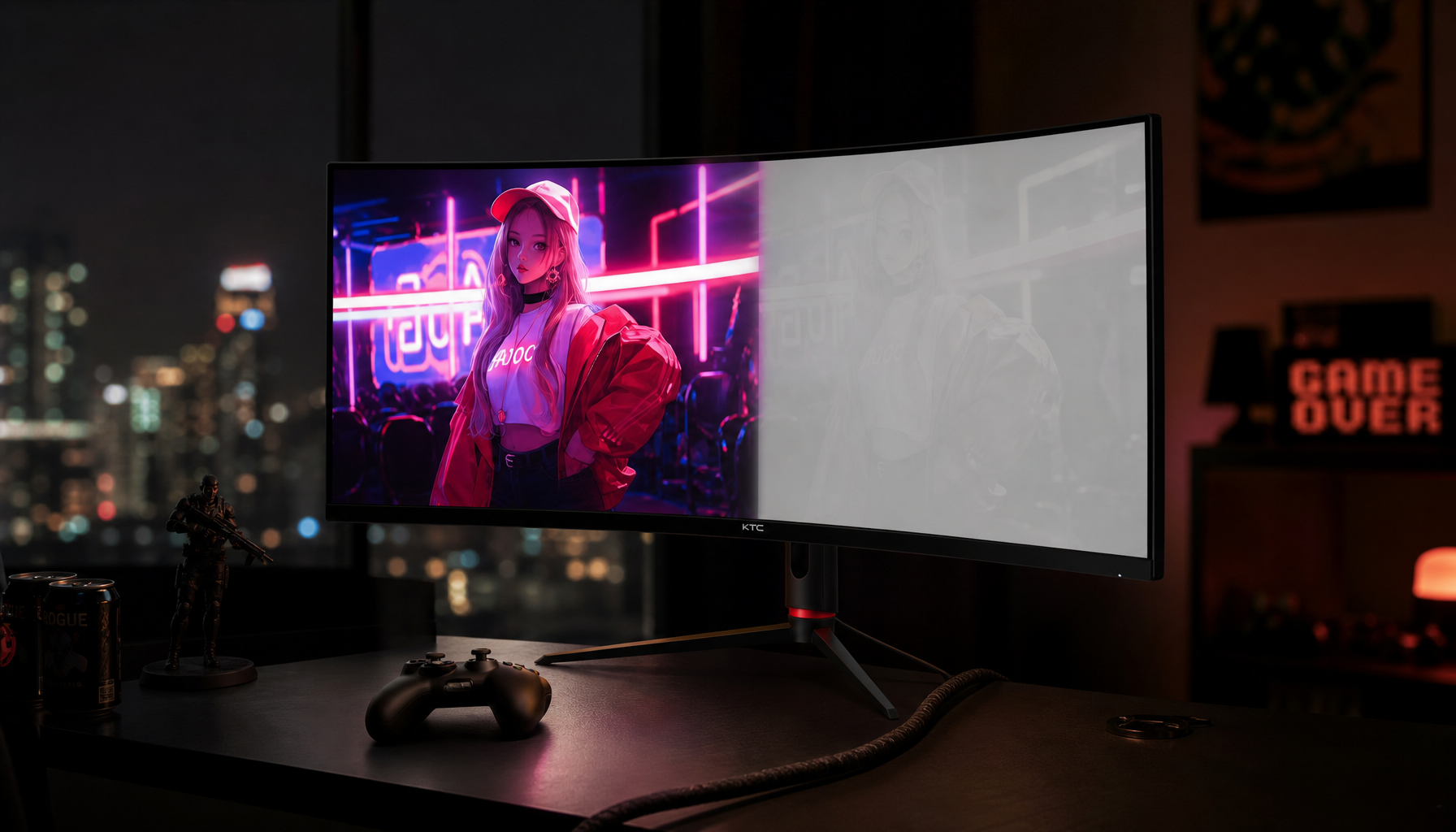
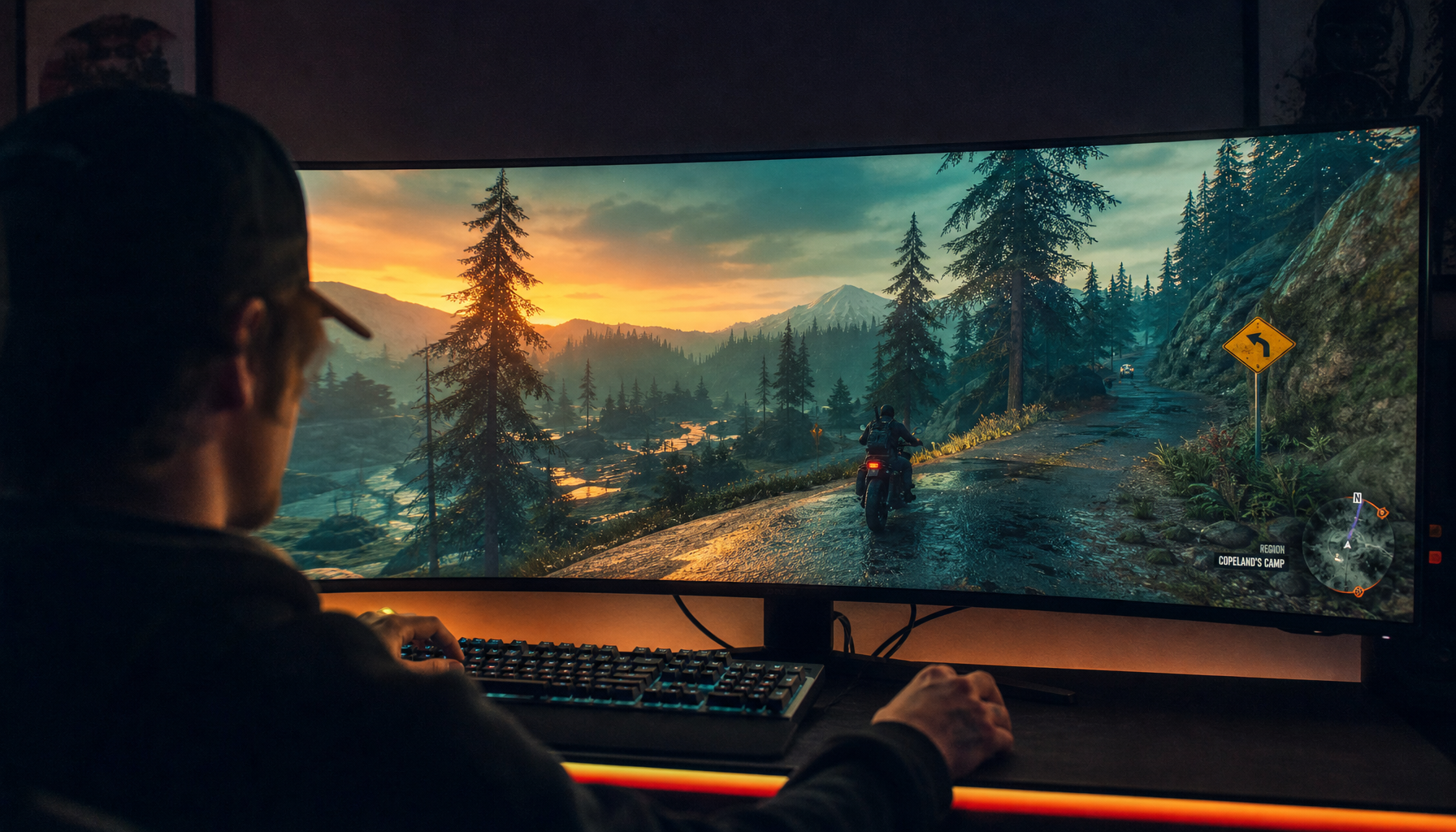
A good starting point for how many local dimming zones for mini led monitor shopping is around 1,152 zones on a 27- to 32-inch screen. That is a practical baseline, not a guarantee. If you care about HDR impact in a bright room, that zone count is where a mini led monitor starts to feel meaningfully serious. If you mostly do text work, small UI, or mixed desktop use, tuning and panel type still matter just as much.

How Local Dimming Zones Shape HDR
Local dimming zones are grouped backlight areas, not pixel-level light control. On a Mini-LED monitor, that means the screen can brighten one region while dimming another so highlights stand out against darker parts of the image. TFTCentral's explanation of FALD backlight architecture is useful here: the backlight sits behind the panel in a matrix, which is why Mini-LED can behave very differently from a basic edge-lit display.
What that means in practice is simple. Small bright objects on a dark background are the easiest place to see the limits of the zone grid. A starfield, a movie subtitle over a black bar, or a bright HUD element over a dark scene can all reveal whether the monitor keeps contrast under control or starts to glow around the object.
More zones can help because each zone covers a smaller area of the screen. That gives the monitor a finer way to localize brightness, which often reduces obvious blooming. But it is still a backlight system, not OLED-style per-pixel lighting, so there will always be some compromise when bright and dark content share the same small area.
The key judgment is this: if a mini led monitor sounds impressive but the zone count is still low, the HDR result may look closer to "better SDR" than to a true wow upgrade. If the zone count is high enough and the dimming behavior is tuned well, HDR highlights usually look more convincing without turning the whole screen gray.
How Many Local Dimming Zones Are Enough?
For most 27- to 32-inch Mini-LED monitors, around 1,152 zones is the most useful buying threshold. That is the level many shoppers should treat as the first serious target for convincing HDR rather than spec-sheet theater. A recent Mini-LED buying roundup describes 1,152 zones as a practical sweet spot for desktop-sized monitors, which matches how many buyers end up screening options.

That does not mean lower counts are useless. It means the tradeoff gets harder to ignore as zone counts fall. A monitor with a few hundred zones can still improve peak highlight punch and contrast, but the odds of visible haloing and desktop inconsistency rise as bright objects occupy a larger share of each zone.
A helpful way to read the numbers is this:
- Below roughly 336 zones: treat it as a weak HDR starting point for a desktop monitor.
- About 336 to 719 zones: usable, but more likely to show compromise in mixed scenes.
- About 720 to 1,151 zones: a much better middle ground, especially if reviews show controlled blooming.
- 1,152 zones and up: the safest practical bucket for shoppers who want strong HDR without overthinking every scene.
That threshold is most useful for hybrid desks because it helps you filter quickly. If a monitor is under that range, it is not automatically bad. It just needs a stronger reason to justify the purchase, like a lower price, a better panel, or review evidence that its dimming behavior is unusually well tuned.
Why More Zones Do Not Always Mean Better HDR
Zone count matters, but it is not the whole story. RTINGS notes that local dimming performance depends on both zone density and the dimming algorithm. That is the right mental model for shoppers: two Mini-LED monitors can have similar zone counts and still behave differently because the processing favors either brighter highlights or deeper shadows.
This is where many buyers get tripped up. A spec sheet can make one model look strictly better than another, but the actual image may differ once firmware, panel type, and scene handling are involved. In other words, more zones usually help, but they do not automatically remove blooming or fix a sloppy implementation.
For mixed-brightness scenes on a desktop, this matters a lot. Review patterns and user feedback often point to cursor halos, text-adjacent glow, or a toggling habit where people leave local dimming off for work and only turn it on for games or movies. That friction is normal, and it is the reason zone count should be treated as a filter, not a verdict.
A clean decision sentence is this: if you mostly want HDR for games and video, higher zone counts are worth chasing; if you spend hours on spreadsheets, browser tabs, and bright UI panels, a well-tuned lower-zone model can feel less annoying than a technically stronger monitor with awkward desktop behavior.
Where the Featured Mini-LED Monitor Fits
If you want a concrete example of the threshold, the KTC Mini LED 27" 4K 160Hz HDR1400 Gaming Monitor | M27P6 sits right in the practical sweet spot with 1,152 local dimming zones. On paper, that puts it in the safer range for buyers who want Mini-LED HDR without starting from a weak zone count.
That does not make it the universal answer, and it should not be read that way. It simply fits the buying logic well if you want a 27-inch Mini-LED monitor for gaming, media, or a bright-room desk where stronger highlight control matters. The same model can still feel less ideal if you are very sensitive to blooming on text-heavy work or if you prefer the fewest possible toggle steps in a mixed-use setup.
The point of using this model as a reference is practical: it shows what a threshold-level mini led monitor looks like when the spec is aligned with the buying goal. If a different monitor has fewer zones, ask whether the price or panel type makes up for it. If it has more zones, ask whether the reviews actually show cleaner dimming behavior.
For shoppers comparing the full range, browse the broader Mini-LED monitor lineup after you decide whether 1,152 zones is enough for your room and use case. If you want more background on the tradeoff between zone count and real HDR behavior, the article on how many dimming zones you actually need is a useful companion read. For another variable that can change how local dimming feels in a bright room, see ambient light sensor behavior.
Mini-LED Zone Count Checklist for Buyers
Use this quick check before you compare models:
- Start with your use case. HDR games and movies justify a higher zone target than office work.
- Check whether the monitor is in the 27- to 32-inch range. That is where the 1,152-zone baseline is most useful.
- Look for review evidence on blooming, not just the listed zone count.
- Decide how much desktop haloing you will tolerate around text, cursors, and app windows.
- If you are shopping for a hybrid desk, favor models that are easy to switch in and out of dimming modes.
- If a monitor is under the threshold, only keep it if the price or panel quality clearly compensates.
- If it is above the threshold, still verify the algorithm quality before you pay extra.
The short version is this: for most buyers, how many local dimming zones for mini led monitor shopping becomes meaningful around 1,152 zones, but the best choice still depends on the monitor's tuning and your tolerance for blooming. If you want the safest starting point, use the zone count as a filter first and the reviews second. If you care more about smooth desktop use than flashy HDR, keep your expectations grounded and shop the implementation, not the number alone. If you use a console, console HDR calibration is worth checking before you judge local dimming at face value. For a broader look at display labels, HDR certification levels can help you separate minor upgrades from more visible ones.
FAQs
Do More Local Dimming Zones Always Mean Better HDR?
Not always. More zones usually give the monitor finer control over bright and dark areas, but the dimming algorithm and panel behavior still matter. A well-tuned lower-zone monitor can look better than a poorly tuned higher-zone one in mixed scenes.
What Is a Good Zone Count for Work and Gaming?
For a hybrid desk, 1,152 zones is a strong practical target on 27- to 32-inch monitors. It is high enough to make HDR feel worthwhile, while still giving you a straightforward baseline for comparison. If you work with lots of text, also check blooming behavior in reviews.
Is a Lower-Zone Mini-LED Monitor Still Worth Buying?
Yes, if the price is right or the monitor has a better panel and stronger overall tuning. Lower-zone models can still improve contrast and highlight punch, but they are more likely to show halos in small bright-on-dark scenes.
Why Does Zone Count Matter More in Bright Rooms?
In bright rooms, HDR highlights need enough punch to stay visible against ambient light. Mini-LED helps there, but only if the monitor has enough zones and strong peak brightness. The tradeoff is that you should still check whether blooming becomes distracting in darker game scenes.
Should Gamers Care About Zone Count More Than Office Users?
Usually yes. Gamers and movie viewers tend to benefit more from stronger HDR highlights and darker shadow control. Office users may notice local dimming toggles, cursor halos, and text friction more often, so they should weigh convenience and consistency more heavily.
Final Takeaway
If you want a simple rule, start at about 1,152 zones for a 27- to 32-inch Mini-LED monitor and treat that as the point where HDR becomes a more serious buying feature. Below that, the monitor can still be good, but the tradeoffs show up faster. Above that, you still need to check reviews, because the algorithm matters as much as the zone count.