For most buyers, 336 to 1,152 well-controlled dimming zones is the sweet spot for a 27-inch to 32-inch mini-LED monitor. That range usually delivers visibly better HDR, cleaner highlights, and stronger dark-scene control without paying for specs you may never notice.
Does your “HDR” monitor still turn dark scenes into gray mush or make every subtitle glow like a flashlight? On a real desk, the upgrade becomes obvious only when the backlight works in smaller sections instead of large chunks. That is exactly where entry-level and premium mini-LED monitors start to separate.

What a dimming zone actually changes
One industry explanation notes that full-array local dimming typically spans about 384 to 1,152 zones, while simpler designs may dim the whole screen at once or split it into broad bands. That matters because an LCD monitor does not create light by itself; it depends on a backlight behind the panel. The more independently that backlight can brighten and darken, the better the monitor can keep a bright explosion bright without lifting the entire black background into gray.
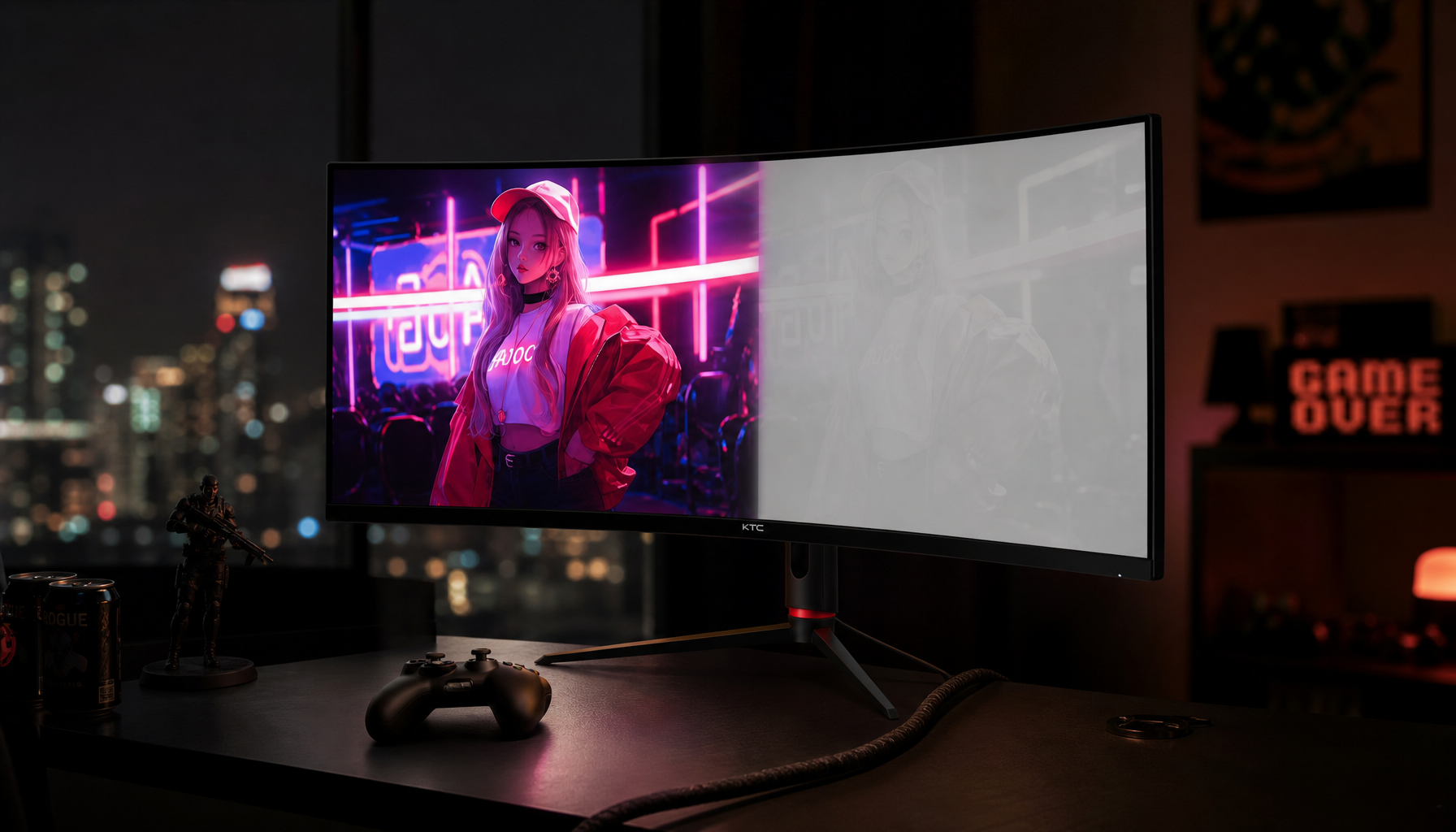
At desk distance, the fastest reality check is a black loading screen, a white cursor, or subtitles over a dark movie scene. If the glow spreads far beyond the bright object, you are seeing the limits of zone size, not just “bad HDR.” Another display analysis notes that blooming is a built-in risk of zone-based backlights because each zone lights an area much larger than a single pixel, so a small bright object can still illuminate nearby darkness.
The short buying answer
What that means on a real desk |
||
Office-first use with occasional HDR |
A monitor that lets you disable or tame local dimming cleanly matters more than max zone count |
Stable whites, fewer brightness shifts, and less distraction around windows or text |
Mixed gaming, movies, and general use |
Around 336 to the mid-hundreds is the practical entry point |
Noticeably better highlight control than ordinary LCD, but some halos remain |
Serious HDR gaming on 27-inch to 32-inch monitors |
Around 1,000 zones, usually 1,152-class designs |
Stronger contrast, brighter specular highlights, and better control around HUD elements |
Larger ultrawides or TV-sized desktop displays |
More than 1,000 zones plus strong processing |
Bigger screens need more zones to keep each zone from becoming too large |
SDR photo or video work |
A good single-zone or dimming-off mode can matter more than raw count |
Consistency and tonal honesty beat aggressive contrast tricks |
Recent 2026 gaming monitor recommendations reflect this split clearly, with mini-LED picks ranging from 336-zone value options to 1,152-zone premium options. As a neutral example at that upper end for a 27-inch Mini LED screen, the KTC Mini LED 27” 180Hz 2K HDR1400 Gaming Monitor lists Mini LED 1,152 zones and HDR1400. That is a useful reality check: you do not need thousands of zones to get a meaningful upgrade on a desktop monitor, but you usually do need more than a token implementation if HDR quality is a buying priority.
Office work, gaming, and portable screens need different answers
Some mini-LED setup guidance recommends local dimming off for office work, web browsing, and documents, and that matches real use. When you are staring at spreadsheets, chat windows, code, or long-form writing for eight hours, uniform brightness is often more comfortable than dramatic contrast. In that situation, paying extra for a huge zone count is wasted money unless you also watch HDR video or play games after work.

Portable and creator-focused screens follow the same logic. In mini-LED laptop testing, single-zone mode is often better for color-critical editing, especially on panels with 500 zones or fewer, because multi-zone dimming can exaggerate shadows and highlights. The lesson carries over to portable smart screens and desktop monitors: if your main job is judging tone rather than chasing HDR impact, consistent backlighting matters more than raw zone count.
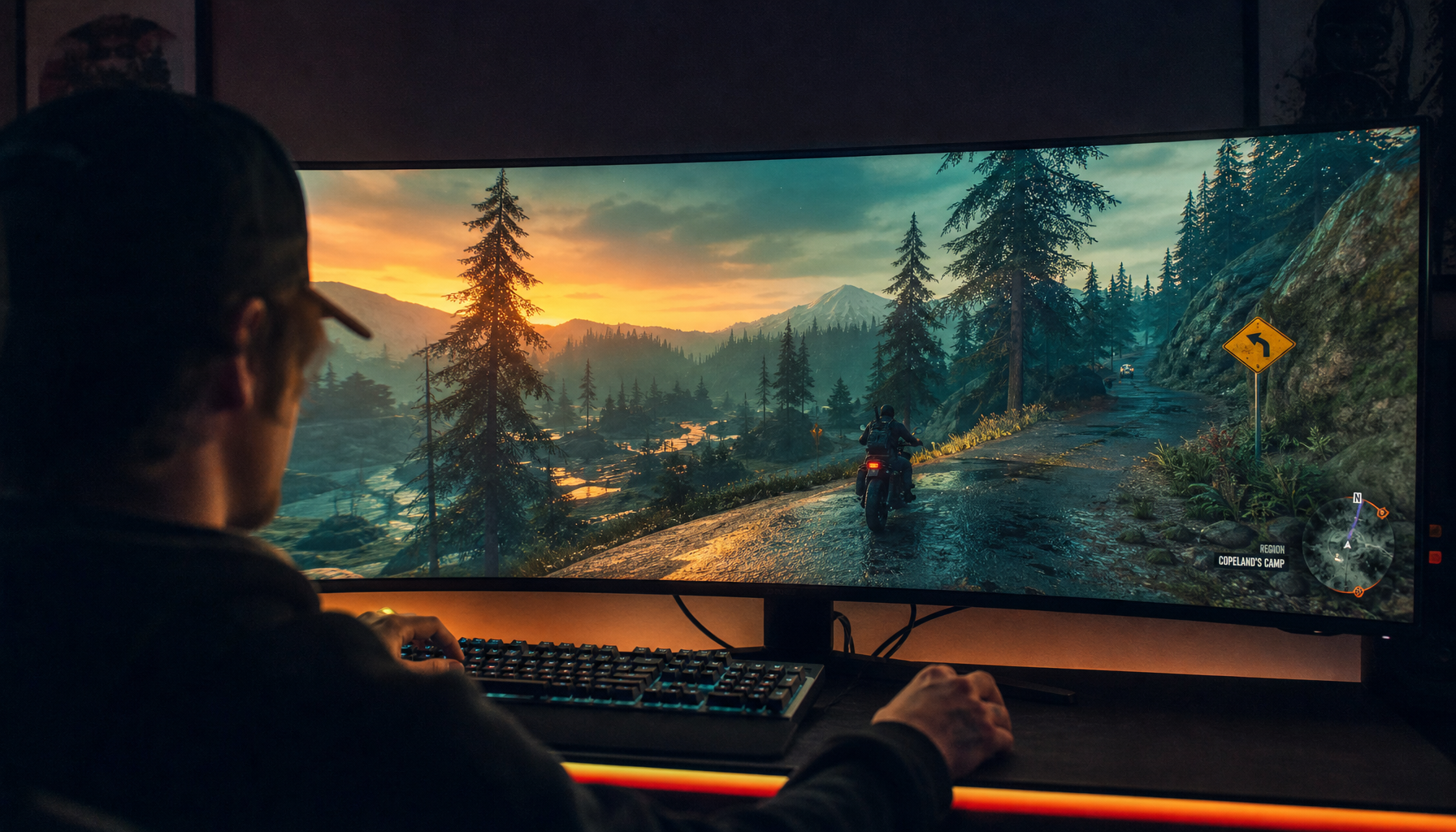
For gaming, the balance shifts. A 27-inch 1440p or 4K monitor with roughly 1,000 zones can make bright spells, headlights, muzzle flashes, and sky detail stand out much more convincingly while keeping dark areas darker. That is why a premium 1,152-zone monitor feels more immersive in actual play than a lower-zone model, even when both have similar refresh rates and similar peak brightness on paper.

Why the biggest number can still disappoint
One display-engineering analysis found that about 200 local dimming zones can suppress blooming below human perceptibility on a 5,000:1 LCD, while a 2,000:1 LCD may need more than 3,000 zones. That sounds contradictory until you remember that zone count is only part of the system. A panel with stronger native contrast gives the backlight less cleanup work to do, so it can look better with fewer zones than a lower-contrast panel.
A detailed look at zone density and algorithms makes the other half of the case: more zones increase potential, but dimming software decides how well the monitor actually uses them. Weak processing can still create halos, crush dark detail, or react too slowly in motion. That is why two monitors with similar zone counts can look noticeably different in black bars, subtitles, star fields, or fast HUD movement.

Screen size also changes what “enough” means. A 32-inch 16:9 monitor has about 40% more screen area than a 27-inch 16:9 monitor, so the same 1,152 zones are spread more thinly. In plain English, a zone count that looks tight and convincing on a 27-inch panel can look merely adequate on a larger screen. That is also why very large desktop displays and super-ultrawides should not be judged by zone count alone; they need stronger zone density just to hold the same line.

How to shop without getting fooled
An April 20, 2026 list of 162 mini-LED monitors shows how broad this category has become. That is good news for buyers, but it also means “mini-LED” by itself tells you almost nothing. Zone count, screen size, panel behavior, HDR tuning, and firmware quality matter more than the logo on the box.
On some displays, especially large-screen crossover products, some marketing labels for dimming can hide whether you are getting meaningful local dimming or just a vague contrast feature. The safest buying pattern is simple: verify that the monitor uses a true full-array mini-LED backlight, check whether the zone count is disclosed, and then read a review that discusses blooming, black crush, and transition behavior instead of only brightness numbers.
If you want one clean rule, buy enough zones to match your use, then spend the rest of your budget on panel quality, firmware, and ergonomics. On most desks, a well-tuned 336-zone to 1,152-zone mini-LED monitor will beat a flashy spec-sheet claim every time.