Yes, but only on monitors specifically built to support both at once. On most gaming displays, backlight strobing and VRR still compete, so you usually choose either sharper motion or smoother variable frame pacing.
Why These Technologies Clash
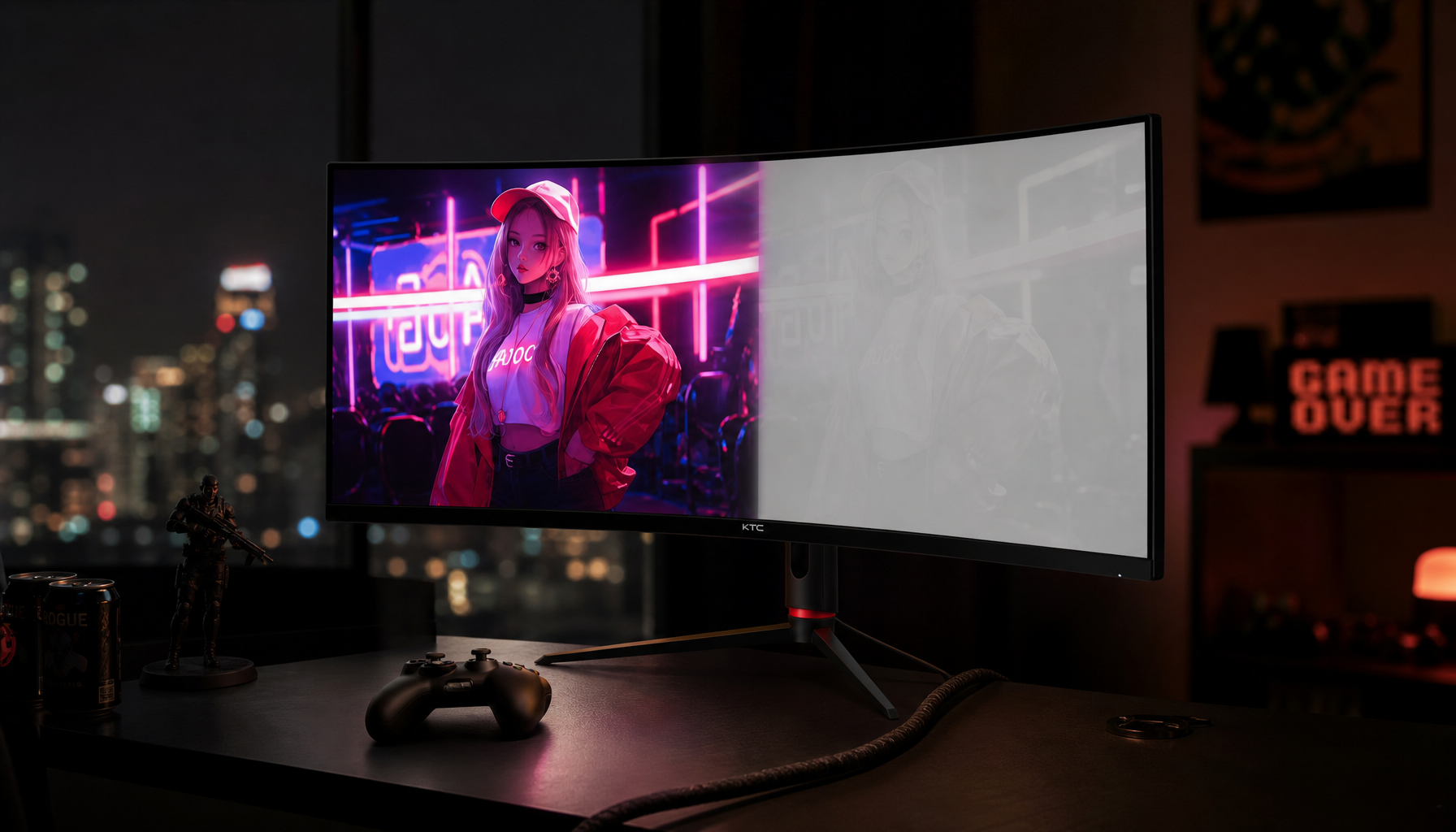
Backlight strobing improves motion clarity by flashing the backlight briefly between frames, reducing the sample-and-hold blur that makes fast targets smear across the screen. That matters because display motion blur is closely tied to how long each frame stays visible to your eyes.

VRR works differently. It changes the monitor’s refresh timing to match the GPU’s changing frame rate, helping reduce tearing and uneven pacing. A game running at 142 FPS one moment and 108 FPS the next needs flexible timing, while a strobe backlight prefers predictable timing.
That is the core conflict: strobing wants a steady rhythm; VRR is designed around a moving rhythm.
The Short Answer for Gamers
Most monitors do not let traditional blur-reduction or strobing modes run together with adaptive-sync features. Many motion blur reduction modes disable VRR because mistimed flashes can create flicker, image doubling, overshoot, or strobe crosstalk.
When both features are forced together without strong tuning, motion can look worse instead of better. The backlight may flash before pixels have fully settled, creating a second ghost image around moving objects.

A practical rule: if your FPS is locked and stable, strobing can be excellent. If your FPS swings often, VRR usually delivers the cleaner overall experience.
When Simultaneous Strobing and VRR Can Work
Newer implementations are closing the gap. Some monitors now offer sync-capable blur-reduction modes designed to coordinate variable refresh behavior with variable strobe timing.
The best versions manage two things at once: pixel overdrive and backlight pulse timing. Without that coordination, the panel cannot reliably hide pixel transitions during the dark part of the strobe cycle.
This is why support on the spec sheet is not enough. Look for real testing that checks brightness, crosstalk, overshoot, and usable VRR range, not just a badge or a marketing term.
“VRR plus strobing” can mean anything from a genuinely tuned system to a rough compatibility mode with visible artifacts.
Which Mode Should You Use?
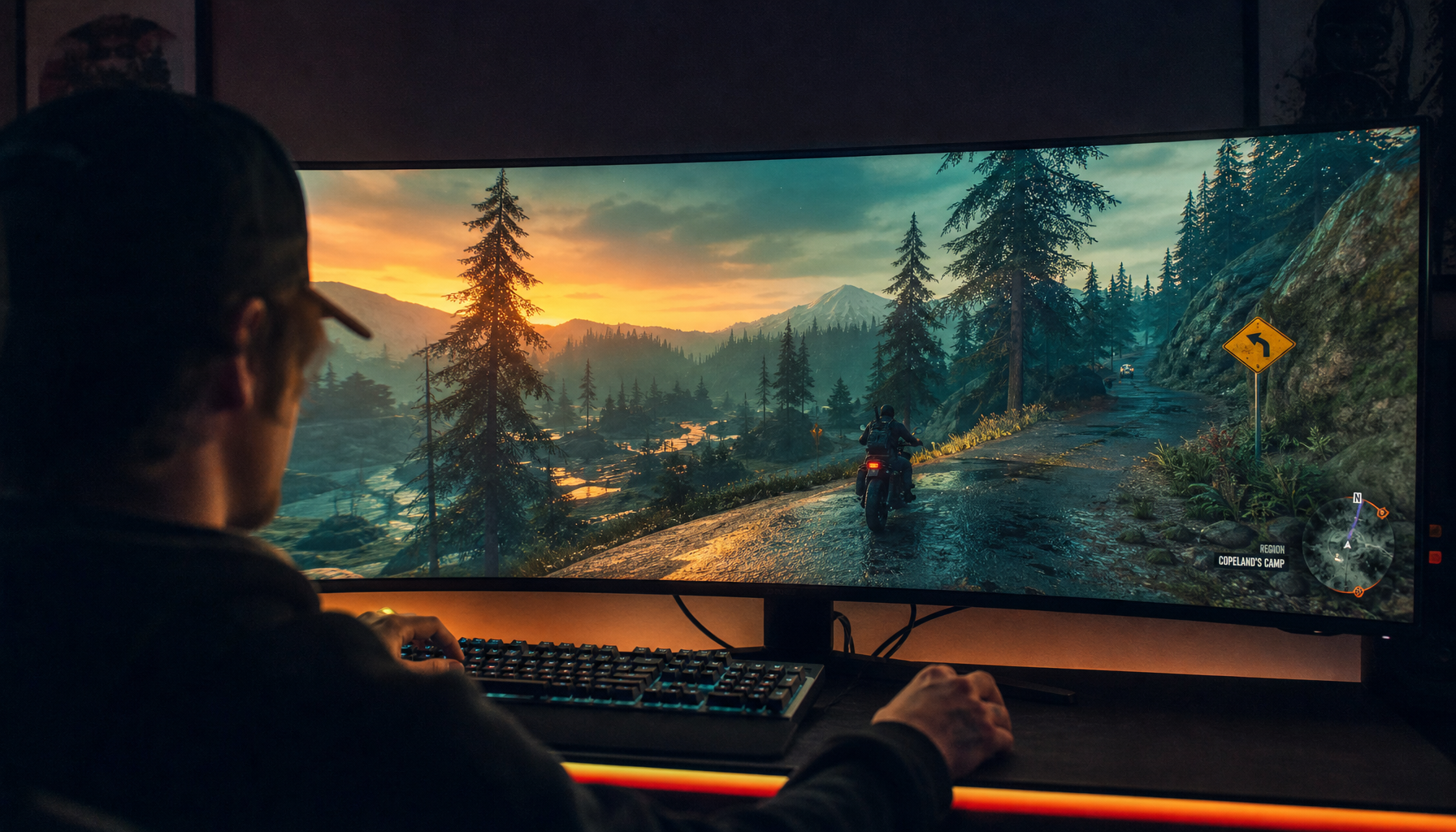
For esports, choose strobing when your system can hold frame rate close to the selected refresh rate. A 240 Hz monitor with a game locked near 240 FPS can feel extremely sharp in aim tracking and fast strafing.

For visually rich games, open-world titles, or unstable frame rates, choose VRR. Variable refresh rate is built to smooth out frame-rate changes while keeping latency lower than traditional V-Sync.

Quick setup priorities:
- Competitive FPS: try strobing with a stable FPS cap.
- Mixed gaming: use VRR first, then test strobing.
- Low-brightness rooms: avoid aggressive strobe pulse settings.
- Flicker sensitivity: skip strobing for long sessions.
- Buying new: verify VRR plus strobe behavior in reviews.
Bottom Line
Backlight strobing can work with VRR, but only when the monitor’s hardware, firmware, overdrive tuning, and backlight timing are designed for it. For most users, VRR is the reliable default; strobing is the performance tool to enable when frame rate is stable and motion clarity matters more than brightness or flexibility.