AI-powered auto-calibration is faster and easier for everyday consistency, while manual hardware calibration is still the stronger choice when measured accuracy, print matching, or proof-level trust matters.
Does your 4K monitor look rich in-game, but your edited images come back too dark, too warm, or strangely dull on another screen? A basic hardware calibration pass can take about 10 minutes, while modern auto-calibration can keep a good factory-calibrated display closer to target with less daily effort. Here is how to choose the right method without overspending or trusting color by guesswork.
What Calibration Actually Solves
Display calibration brings a screen closer to a known target for brightness, white point, gamma, and color response. A properly calibrated monitor gives you a more stable visual baseline, whether you are tuning shadow visibility in competitive games, matching product photos for an online store, or keeping an office display comfortable for long spreadsheet sessions.
The important split is calibration versus profiling. Display calibration changes how the display behaves, while profiling describes that behavior in an ICC profile so color-managed apps can compensate. In plain terms, calibration adjusts the screen; profiling tells your software what the screen is doing.
That distinction matters because a good-looking monitor is not automatically an accurate monitor. A gaming panel in vivid mode may make grass pop and neon signs glow, but it can also crush shadow detail or oversaturate skin tones. A laptop may look clean in a coffee shop and completely wrong under office lighting. For creators, that gap turns into re-edits. For gamers, it can hide detail in dark scenes. For productivity users, it can mean glare, fatigue, and inconsistent color across a multi-monitor desk.
AI-Powered Auto-Calibration: Fast Consistency With Less Friction
AI-powered auto-calibration generally refers to display systems that use factory measurements, onboard processing, ambient light sensors, and learned correction behavior to keep the image closer to target over time. The appeal is obvious: less setup, fewer manual steps, and smoother switching between SDR, HDR, sRGB, DCI-P3, or other display modes.
For digital-first work, this can be a serious quality-of-life upgrade. If you edit thumbnails, stream overlays, web graphics, UI mockups, or short-form video, auto-calibration can reduce the daily drift that makes one session look different from the next. It is especially helpful when a monitor starts from a strong factory calibration and has hardware-level controls instead of relying only on software sliders.
AI also has a broader reliability lesson. AI calibration in machine learning is about making confidence line up with reality; for displays, the same practical caution applies. A system can be smart and still need a measured reference when the result must be proven.
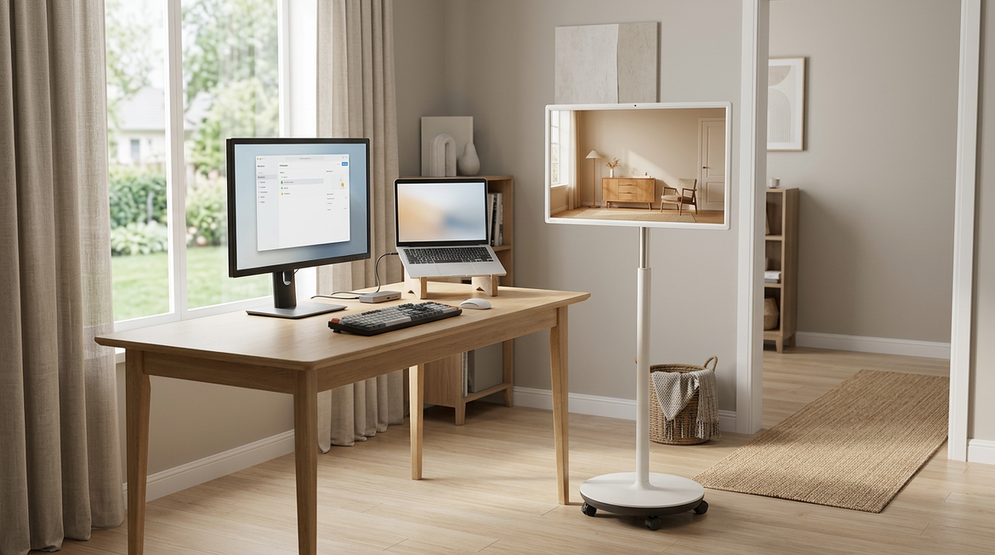
The strongest use case is convenience. A hybrid desk with a gaming PC, work laptop, and portable smart screen benefits from automatic brightness behavior, color mode switching, and stable presets. You avoid turning every setup change into a calibration session. The tradeoff is that AI prediction is still prediction. It may maintain consistency, but it cannot physically measure your exact panel output the way a colorimeter can, and it cannot judge printed paper under your room light.
Manual Hardware Calibration: Slower, Measurable, More Defensible
Manual hardware calibration uses a colorimeter or spectrophotometer placed on the screen. The software displays known color patches, the device measures the actual light coming from the display, and the system builds a correction profile. For print, photography, design review, and high-stakes video work, that physical measurement is the key advantage.
A typical calibration workflow emphasizes targets such as white point, luminance, contrast, and gamma because these are not just visual preferences. They are measurable settings that shape whether an image looks too dark, too cool, too flat, or too saturated across devices.
A common real-world example is print matching. If your monitor is set to 250 cd/m² in a bright showroom-style mode, you may darken every photo until it looks right on screen. The print then comes back muddy because paper cannot emit light like a screen. Accurate print matching often starts by lowering display luminance closer to 100–120 cd/m², using a stable room, and embedding the correct color profile.

Manual calibration also exposes hardware limits. Some laptop panels simply cannot hit a wide gamut, hold neutral grays, or provide enough controls for precise adjustment. In those cases, the calibrator is not failing; it is telling you the display is the bottleneck. That is valuable information when deciding whether to buy a better monitor or stop chasing impossible settings.
Side-by-Side Comparison
Factor |
AI-Powered Auto-Calibration |
Manual Hardware Calibration |
Best for |
Daily consistency, gaming, office work, digital content |
Print, proofing, professional color, final verification |
Main strength |
Low effort and adaptive behavior |
Physical measurement and repeatable reports |
Main weakness |
Depends on factory data, sensors, and prediction |
Requires hardware, time, and controlled setup |
Cost profile |
Often built into premium displays |
Usually requires a colorimeter or spectrophotometer |
Room lighting response |
Can adapt automatically on supported displays |
Best when room lighting is controlled manually |
Confidence level |
Strong for convenience and consistency |
Strongest for measured accuracy |
Where Manual Still Wins
Manual hardware calibration wins when the output leaves the screen. Prints, packaging, signage, client proofs, and color-critical product images all depend on more than the monitor. Paper type, ink, printer profile, viewing light, and vendor workflow can all shift the final result.
That is why print-focused workflows should not rely on the screen alone. Graphic design calibration discussions consistently point out that production color values, spot-color references, vendor ICC profiles, and physical proofs matter more than subjective screen appearance when color accuracy is contractual or brand-sensitive.
Manual also wins when you need verification. Calibration software can measure patches after calibration and report error values. That post-check gives you evidence, not just a pleasing image. For a small studio, that means you can compare month-to-month drift. For a creator with two monitors, it helps identify which screen is trustworthy for final decisions.
For a practical desktop target, start with gamma 2.2, a D65 white point, and luminance near 120 cd/m² for a moderately lit room. If you edit in a dim room, 100 cd/m² may be more comfortable and more print-friendly. If your room is bright, fix the lighting before pushing the display too hard.
Where AI Auto-Calibration Makes More Sense
AI-powered auto-calibration is the better value when speed, comfort, and consistency matter more than proof-grade measurement. A gamer tuning an OLED or Mini-LED display for HDR titles does not need to run a full color workflow before every match. A remote worker moving between a laptop, docked monitor, and portable screen benefits more from stable brightness and sane color modes than from laboratory-grade precision.
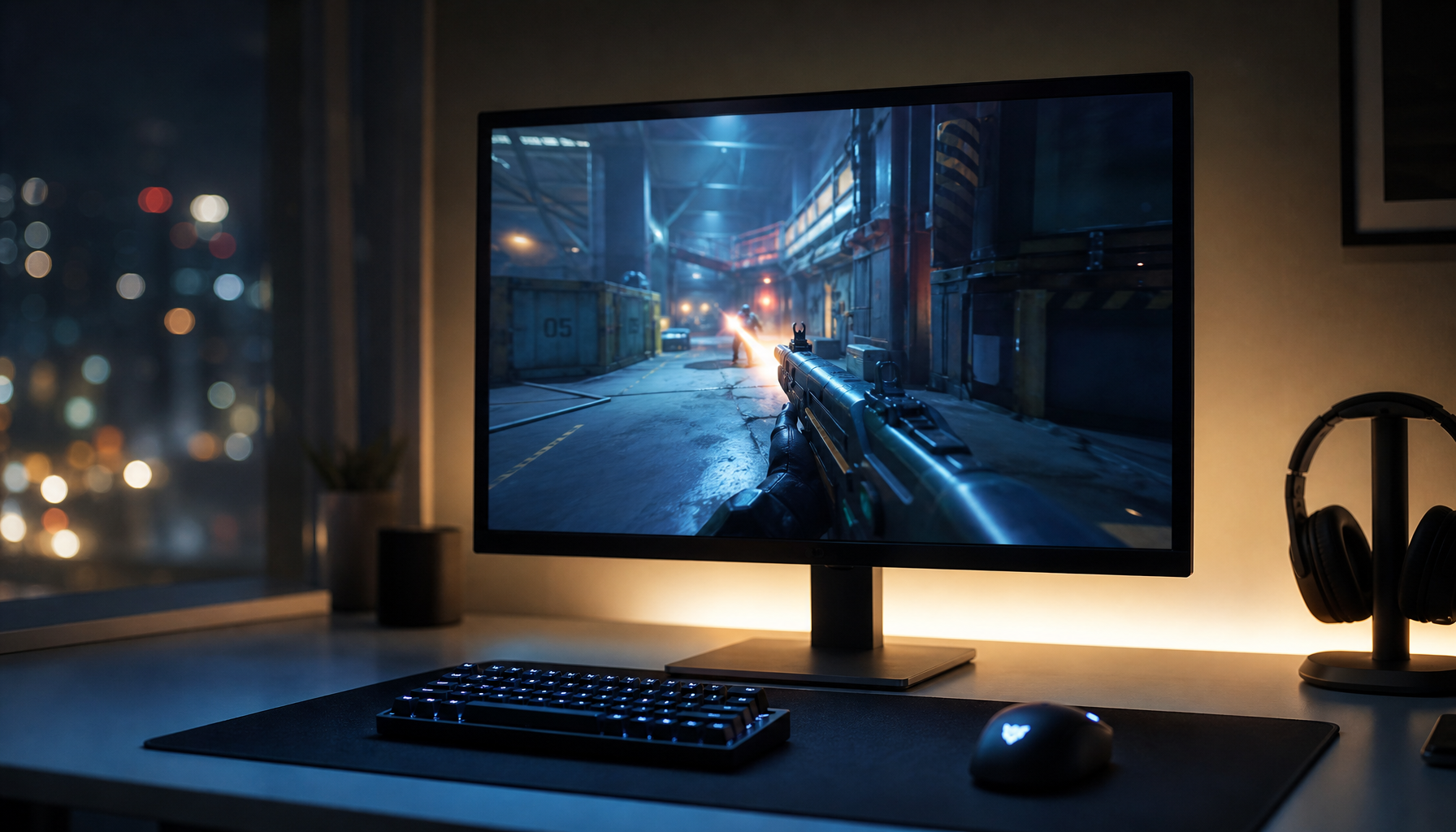
Gaming monitor calibration starts with the same fundamentals: warm up the monitor, disable dynamic contrast or eco behavior, use a flexible picture mode, and set black and white levels so detail is not clipped. AI can automate parts of that experience, but the user still benefits from checking whether dark areas retain detail and bright highlights do not wash out.
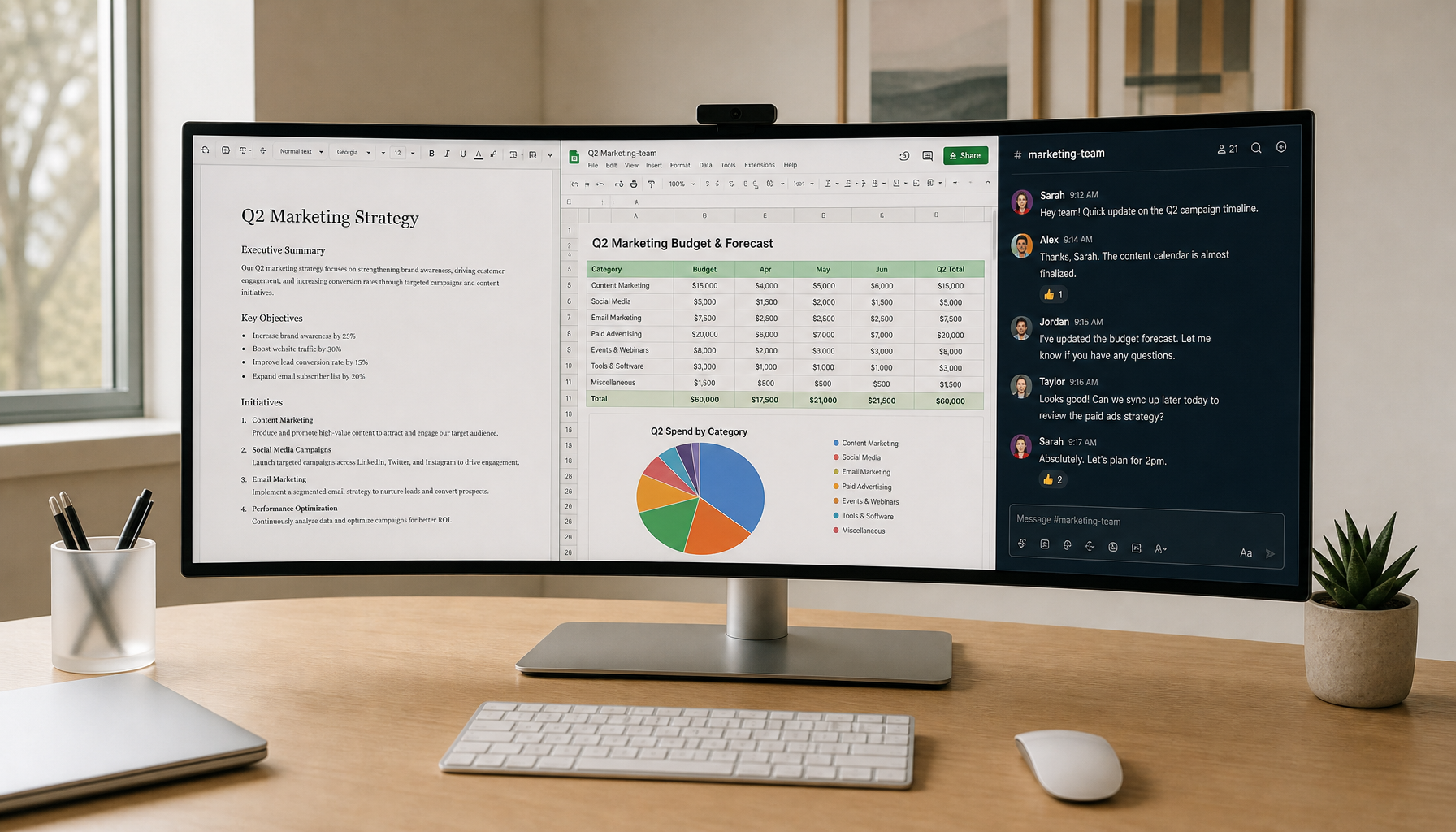
For office productivity, auto-calibration can be even more compelling. A portable smart screen used under changing light does not need perfect wide-gamut coverage to be useful. It needs readable whites, stable grays, comfortable brightness, and predictable color for charts, slides, dashboards, and video calls. If the screen automatically manages brightness and white balance without looking blue at night or dim at noon, that is real value.
The Ground Truth Problem
The biggest difference between AI and hardware calibration is ground truth. Manual calibration measures the actual output of the exact screen in front of you. AI-assisted systems infer, predict, or adjust based on sensors, stored factory data, and internal models.

A useful analogy comes from agriculture, where a yield monitor is only as reliable as the scale weight used to calibrate it. Ground truth calibration aligns a monitor’s reading with a known reference, and if the reference is wrong, the resulting data is wrong too. Displays work the same way in principle: the more critical the decision, the more you need a trusted measurement source.
For screens, the colorimeter is that source. AI can maintain a good baseline, but it cannot confirm how your individual display has aged unless the system includes a reliable measurement path. It also cannot evaluate your print under a controlled viewing light, account for a specific paper white, or guarantee that a client’s proofing environment matches yours.
Practical Buying and Setup Advice
If you are buying for gaming and mixed productivity, prioritize a monitor with good factory calibration, an accurate sRGB mode, usable brightness control, and the ability to disable dynamic contrast. AI auto-calibration is a strong bonus when it supports stable SDR and HDR switching without making the image pulse or shift during use.
If you are buying for photo, design, or video work, prioritize hardware calibration support, wide-gamut accuracy, uniformity controls, and multiple saved modes. Manual calibration controls can vary widely by display, so a professional monitor with reliable user modes, white balance controls, and hardware LUT support is easier to trust than a consumer display with flashy presets.
If you already own a monitor, do the low-cost fixes first. Warm it up for 30 minutes. Turn off eco mode, dynamic contrast, auto brightness, and aggressive vivid presets. Set the screen where you actually work, reduce window glare, and choose a neutral picture mode. Then use AI auto-calibration if your display supports it, or run a colorimeter workflow if color matters to your output.
Recommended Calibration Rhythm
For most digital-only users, AI auto-calibration can run continuously or as the monitor recommends, with a manual visual check after major driver updates, new lighting setups, or monitor moves. If your games suddenly lose shadow detail or your office screen feels harsh after a room change, recalibrate the environment first before blaming the panel.
For creators using manual hardware calibration, a 2–4 week rhythm is reasonable when color decisions affect deliverables. Monitor calibration for photo editing often works best when luminance is matched to the room and quality checks are repeated over time, because panel behavior and ambient light both change.
For print-critical work, calibrate before major projects, soft proof with the correct ICC profile, and evaluate proofs under controlled lighting. The screen is only one link in the chain. A calibrated monitor improves decisions, but it does not replace printer profiles, paper testing, or physical proofing.
Which Should You Choose?
Choose AI-powered auto-calibration if your work is mostly web, gaming, office productivity, streaming, casual photo editing, or portable-screen use. It gives you a better everyday image with less effort, especially on a quality factory-calibrated display.
Choose manual hardware calibration if you sell prints, approve brand color, edit paid photography, grade video seriously, run multi-monitor production, or need evidence that a display meets a target. The extra setup pays for itself by reducing rework, uncertainty, and expensive output mistakes.
The strongest setup is not either-or. Use AI auto-calibration as the daily stabilizer, then use manual hardware calibration as the reference check when accuracy becomes a deliverable. That combination gives you speed when you are working and confidence when the final image has to hold up.