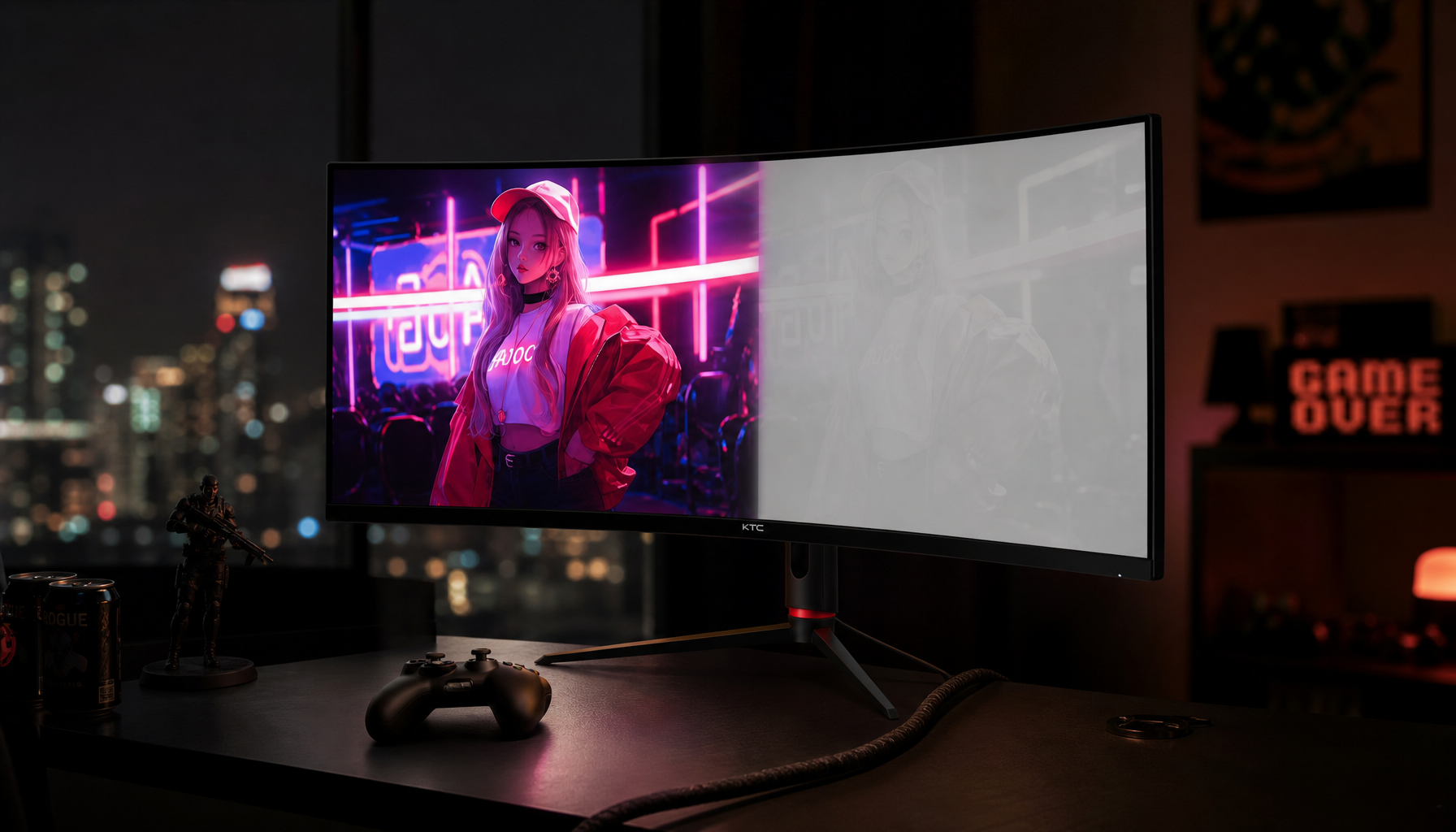
A rolling smart display for healthcare and telehealth can help when teams need one screen to move between rooms, support approved apps, and reduce setup friction. The best fit is usually a workflow with repeated bedside, intake, or consult movement; it is not a replacement for IT review, privacy checks, or a fixed workstation when the room never changes.

Why Mobile Clinical Displays Are Hard to Standardize
Healthcare teams rarely need just a screen. They need a device that can move, stay usable in shared spaces, and avoid adding extra steps to a busy workflow. That is why a rolling smart display for healthcare and telehealth is often judged more on handling, app access, and room fit than on size alone.
Telehealth also brings a governance layer. As the Joint Commission notes for telehealth accreditation, remote care still has to fit organizational standards, so EDLA or Android capability does not replace facility review.
The practical test is simple: if the same display must serve bedside education, triage, and consults, it needs to travel cleanly between those jobs. If it only lives in one room, a fixed display is usually simpler.
A good first filter is this: if staff will spend time hunting for outlets, parking space, or a clean path between rooms, the mobility promise is weaker than it looks. If the workflow already moves, a rolling unit can remove steps instead of adding them.
MegPad for 2026 Home Rehab: Mobile Screens for Recovery is a related use-case guide if you want to compare mobile-screen setups across different care-adjacent environments.
What Healthcare Teams Need From a Rolling Display
For most buyers, the useful question is not whether the display is smart. It is whether the device matches the way staff actually work.
Mobility matters when the same unit has to move between patient rooms, triage desks, or consult spaces without a second cart or a long teardown. Touch access matters when staff want to launch approved apps quickly during a visit instead of juggling a separate keyboard or laptop.
Camera and privacy controls matter because these units are used in visible spaces. A physical cover gives staff a clearer privacy state than software alone. Portrait mode and height adjustment matter when the screen must be visible to both clinician and patient in a tight room.
If the use case is mostly chart review at one station, those features are less important. If the display is part of bedside education or intake, they become decision-making features rather than nice extras.
The first concrete product mention in this article is the KTC MEGAPAD 25" FHD Google EDLA Portable Touch Monitor built in Camera, which fits a lighter, camera-led setup when the priority is a portable touch display with EDLA, Android 14, and a privacy cover.
How the MegPad Fit Maps to Care Settings
The right fit depends on the room and the job. A rolling smart display for healthcare and telehealth can be useful in one setting and awkward in another.
Bedside Patient Education and Rounds
In bedside education, the main value is visibility. The screen needs to sit where the patient and clinician can both see it without crowding the bed or blocking movement. A 25-inch portable model can make sense when the room is tighter and the display stays in a lighter role.
The Google EDLA certification overview for smart monitors is useful background here because it explains why EDLA is often discussed in app-access conversations, but it still does not replace hospital policy review.
For bedside teaching, the feature-to-job match is straightforward: camera for live consults, touch for quick navigation, and privacy cover for shared spaces. If the unit will mostly show static materials, those extras matter less than stability and visibility.
Mobile Triage and Intake Stations
For intake, the pressure point is movement. Staff want a shared device that follows the workflow, not a screen that has to be reassigned each time the station changes.
That is where the portable touch screen options are a useful starting point if you are comparing portable display formats rather than one fixed product. The category is broad, so it works better as a browsing path than as proof that one unit fits every clinic layout.
The KTC MEGAPAD 27" model is the more natural fit when you want a room-to-room device with built-in wheels and a bigger viewing surface. Its 27-inch EDLA smart touch monitor is better aligned with moving between stations than a purely portable tabletop screen.
Rolling Telehealth Cart Consults
For specialist consults, the question is whether the display can support longer sessions without becoming a logistics problem. Battery runtime, camera placement, and viewing height matter more here because the unit may need to travel farther and stay visible during a call.
The 27-inch model gives you the clearer cart-style option. Its built-in wheels, 8MP camera, and stated runtime of up to 6 hours make it easier to treat as a shared consult device, but only if the facility is comfortable with the app and privacy setup.
The 25-inch model is better if the workflow is lighter and the device needs to be more portable than cart-like. That is the point where the recommendation flips: smaller and lighter can be easier for bedside use, while the larger rolling unit is usually easier for repeated department-to-department movement.

What to Check Before You Roll It Into Care
Before procurement, IT and operations should verify the device against the actual workflow, not the marketing language. A rolling smart display for healthcare and telehealth only works if the surroundings support it.
- Confirm the approved apps, sign-in method, and network rules before pilot use.
- Confirm where the unit will be stored, charged, and cleaned between patient encounters.
- Confirm that hallway width, room size, and bed placement allow safe movement.
- Confirm whether portrait use, height position, and camera angle match the room layout.
- Confirm warranty, return terms, and support contact details before department rollout.
For the 25-inch model, the published product details support a 24.5-inch FHD IPS touch display, Google EDLA Android 14, a built-in HD camera with slide privacy cover, 8GB RAM, 128GB storage, and Type-C connectivity. For the 27-inch model, the product page supports a 27-inch FHD rolling touch display, built-in wheels, height adjustment of about 200 mm, an 8MP camera, 8GB RAM, 128GB storage, and Android 14 with EDLA.
That does not mean either device is automatically approved for your environment. It means the hardware has the kinds of features that are easier to review for a pilot.
Google EDLA for IT Procurement: 2026 Security Standards for Smart Displays is a useful follow-up if your team is deciding how much weight to give EDLA in procurement.
How to Decide If It Fits Your Workflow
Use the checklist below to decide whether a rolling smart display is worth piloting. The goal is to separate useful mobility from unnecessary complexity.
| Criterion | Good Fit | Needs IT Review | Probably Not A Match |
|---|---|---|---|
| Workflow movement | Staff move between rooms or stations | Some movement, but not standardized | Screen stays in one room |
| App access | Approved apps are known and manageable | App approval still needs review | No supported app path exists |
| Privacy and camera use | Shared-space use is expected | Camera policy needs confirmation | Camera is unnecessary or restricted |
| Viewing position | Bedside, intake, or consult visibility matters | Layout varies by department | Static desk use only |
| Power and storage | Charging and parking are defined | Storage is still being planned | No reliable space for rollout |
| Support and warranty | Pilot terms are acceptable | Return or support details need review | Procurement terms are unclear |
A good fit should reduce movement friction and support the exact bedside, triage, or consult sequence you need. A needs-review result should point to app approval, privacy, or layout questions before purchase. A poor fit usually means the room is fixed, the workflow is static, or another display type is simpler.
If you want a browsing shortcut after that filter, portable touch screen options remain the cleanest category entry point. If your team wants the more compact route, the 25-inch model is the calmer choice; if room-to-room movement is the main need, the 27-inch model is the stronger starting point.
Hybrid Classroom Hardware: Why Google EDLA Smart Displays are the New Standard is another relevant explainer if your team is comparing EDLA-based display ecosystems across departments.
FAQs
Q1. How Can a Rolling Smart Display Support Bedside Education?
It can be moved to the patient's side, tilted or positioned for shared viewing, and used to show education materials, instructions, or video calls. The useful part is workflow flexibility, but the content still has to be approved and appropriate for the facility.
Q2. What Should IT Verify Before Approving It for Telehealth?
IT should confirm app approval, account management, network access, storage, charging, and cleanup expectations before a pilot. EDLA may help with app access, but it does not replace security review or device management rules.
Q3. Can Google EDLA Help With App Access in a Clinic?
Yes, EDLA can make Google Play access and Google account use more straightforward on supported models. In a clinic, that is helpful for approved telehealth or education apps, but the facility still needs to decide what is allowed on the network.
Q4. Why Does a Rolling Cart Matter More Than a Fixed Display?
A rolling cart matters when the same unit must support multiple rooms, intake points, or consult areas in one day. It can reduce repeated setup work, but only if the building layout and storage plan make the movement easy.
Q5. Which MegPad Size Is Better for Telehealth Rooms?
The 25-inch model is usually easier to treat as a portable bedside or camera-led screen, while the 27-inch model is the better fit when you want a more cart-like shared unit. The final choice depends on room size, how often the device moves, and whether battery runtime or portability matters more.
Which Model Fits Your Care Workflow Best?
Match the model to movement patterns first. The 25-inch MegPad suits compact bedside education or camera-led consults where portability and quick positioning matter most. The 27-inch model supports repeated room-to-room travel with built-in wheels, longer battery runtime, and a larger shared viewing surface. Review storage, charging, and app-approval steps before any pilot; the device that removes workflow friction without new logistics problems is the correct choice.