In 2026, telehealth has evolved from episodic laptop-based video calls into continuous remote patient monitoring and home-centered care. Rolling smart displays address key physical and cognitive barriers that laptops create for both clinicians and senior patients, offering a mobile telepresence hub that supports better engagement and simpler interaction when deployed thoughtfully.

The 2026 Telehealth Shift: Moving Beyond the Laptop
Telehealth programs now prioritize proactive, continuous remote patient monitoring integrated into everyday home care rather than scheduled check-ins. This shift creates new hardware demands that traditional laptops struggle to meet. Laptops often force fixed positioning, indirect input methods, and small screens that increase physical strain and reduce session completion rates, especially for older adults.
Rolling smart displays provide a practical alternative by delivering large-format touch interfaces on mobile stands. They allow care to come to the patient in their preferred seating or bedside position instead of requiring movement to a desk. This mobility supports both hospital ward rounds and home visits while maintaining session readiness without repeated setup steps. As telehealth expands, such hardware helps align technology more closely with real-world clinical and patient workflows.
Doctor Workflows: Breaking the 'Screen-as-a-Barrier' Effect
Clinicians frequently report that laptops create a literal and figurative barrier during consultations. The typical head-down posture required to view a small screen breaks eye contact, which can reduce patient trust and engagement. A height-adjustable rolling display changes this dynamic by allowing the screen to sit at eye level or in peripheral vision, so doctors can maintain direct gaze with patients while accessing records or imaging.

The larger 32-inch real estate also enables side-by-side viewing. Both doctor and patient can review labs or scans together without the clinician turning away. In ward or home settings, the display scale offers a more lifelike presence for remote specialist input, reducing the sense of disconnection common with shaky tablets or laptop webcams. Battery-powered mobility further eliminates cord management issues that often anchor providers to fixed outlets.
These ergonomic improvements represent potential workflow gains rather than guaranteed clinical results. Large-format mobile displays can improve clinical engagement by allowing eye-level contact while navigating charts, though outcomes depend heavily on room layout, training, and individual clinician habits.
The chart below visualizes typical fit patterns across different IT maturity levels and engagement priorities. It helps decision-makers see where rolling displays tend to outperform laptops in engagement-focused scenarios.
The 'Last-Mile' Patient Friction: Why Seniors Need Rolling Displays
Senior patients often face significant hurdles with conventional telehealth setups. A laptop typically demands a desk or table, forcing users into positions that may be uncomfortable for extended remote patient monitoring sessions. Opening the device, positioning it correctly, managing a mouse or trackpad, and dealing with small targets adds cognitive and physical load that leads many to skip or shorten visits.
Rolling displays on mobile stands bring the interface directly to the patient’s preferred location—whether a recliner, bedside, or living room chair—eliminating much of this setup tax. The large 32-inch screen provides oversized touch targets that accommodate hand tremors, reduced dexterity, or vision changes far better than a 13-inch laptop or 10-inch tablet. Research on older users shows that direct touch input is generally preferred because it removes the indirection of a mouse and keyboard while offering larger, more forgiving interaction areas.
This preference for touch interfaces can improve adherence to remote monitoring schedules. However, practical limits remain. The weight and size of a 32-inch rolling unit can still present challenges on thick carpet, stairs, or during solo home visits without assistance. For many senior care programs, the mobility and interface simplicity outweigh these logistics when the display stays primarily within one residence.
For guidance on maintaining these touch surfaces in clinical or home environments, see our guide on How to Clean a Portable Touch Screen Without Damaging the Capacitive Layer.
The 2026 Healthcare IT Baseline: Why EDLA is Non-Negotiable
Hospital and clinic IT teams evaluating telehealth hardware now treat Google EDLA certification as a baseline requirement for Android-based devices. Unlike uncertified or AOSP-only displays, EDLA-certified units include full Google Mobile Services, enabling seamless integration with enterprise identity providers, single sign-on, and leading mobile device management platforms.
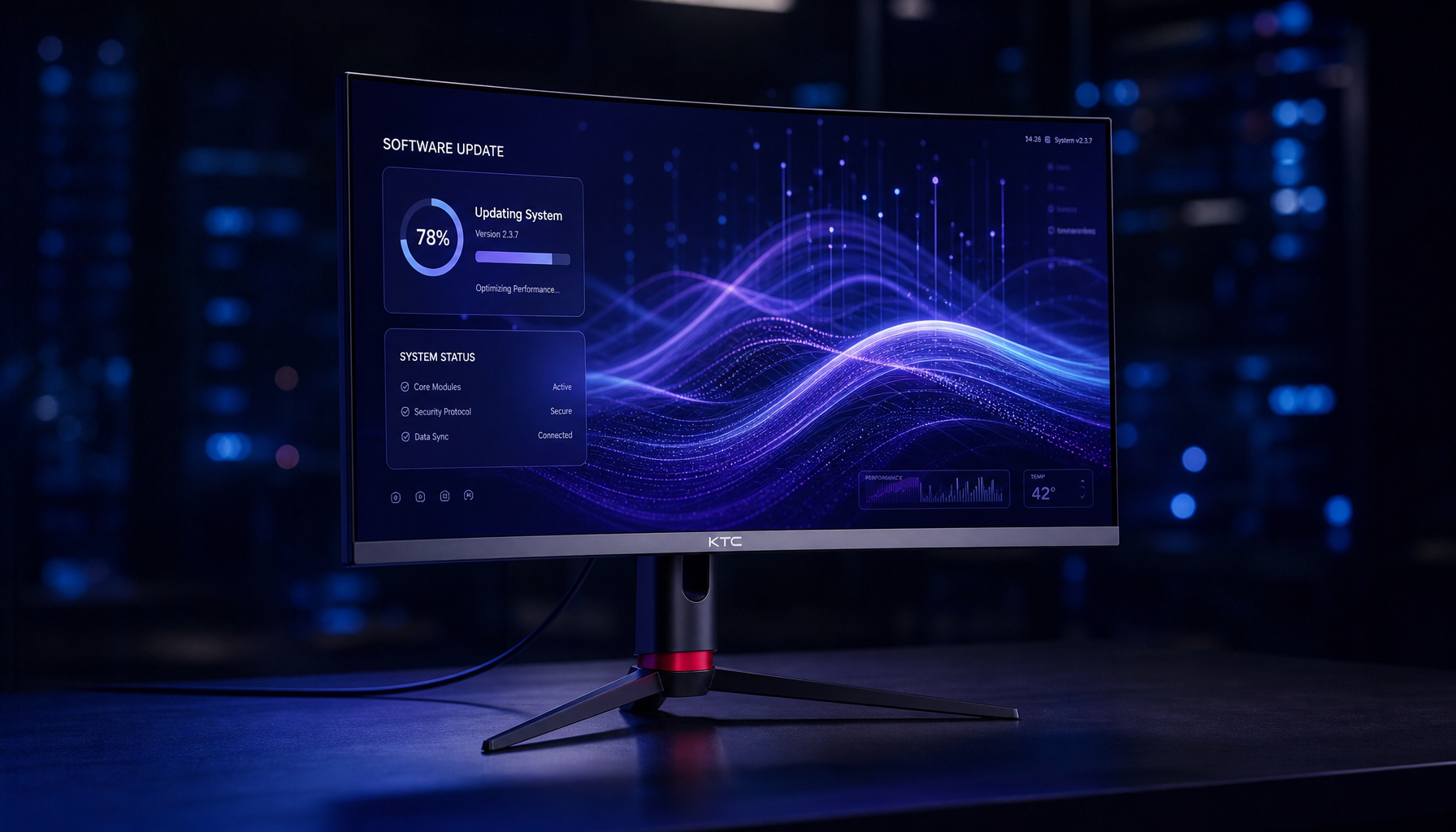
The certification mandates Google Play Protect for real-time app and file scanning plus committed regular security updates. This closes the patching gaps common in white-label hardware and reduces the vulnerability window that concerns healthcare networks. Zero-touch deployment further simplifies scaling: IT can ship devices that auto-enroll and configure on first boot, minimizing manual support overhead.
EDLA alone does not guarantee HIPAA compliance or replace the need for network segmentation, VLANs, and organizational security policies. It does, however, move Android devices from consumer risk category to manageable enterprise endpoint, aligning them more closely with the controls expected on managed Windows laptops. For most healthcare deployments in 2026, choosing non-EDLA Android hardware introduces unnecessary compliance and management friction.
Deploying Telehealth Hardware: IT Integration and Workflow Adaptation
Successful remote patient monitoring programs require hardware that matches both patient capabilities and clinical workflows. Medicare’s extension of telehealth flexibilities for Rural Health Clinics and Federally Qualified Health Centers through December 31, 2026 provides reimbursement stability that supports investment in purpose-built devices. Official HHS guidance emphasizes selecting tools that ensure seamless data flow without adding friction to care delivery.
Practical deployment considerations include floor surfaces for rolling mobility, vehicle space for home-visit transport, and battery runtime across shifts. In assisted living or long-term care, a 32-inch unit on a wheeled stand can serve multiple rooms efficiently when corridors allow passage. In private homes, success often depends on whether the patient can maneuver the device independently or needs occasional help.
A device such as the KTC MEGAPAD 32" 4K Android 14 Google EDLA Smart Touch Monitor illustrates the category well. Its height-adjustable rolling stand, 9500mAh battery, EDLA certification, and large touch interface support the mobility, security, and usability needs outlined above. IT teams should verify compatibility with their specific MDM platform and test in representative environments before fleet-wide rollout. When these conditions align, rolling smart displays can reduce workflow friction compared with laptop-only approaches.
For related productivity and eye comfort considerations in shared or clinical spaces, explore The Complete Guide to Finding the Best Monitor for Productivity & a Healthier Workspace and The Secret Productivity Issue: How to Remedy Digital Eye Strain.
Healthcare organizations evaluating options may also review the broader Mobile Touch Screen and Smart Monitor collections to compare form factors.
How Should Healthcare Teams Evaluate Rolling Displays for Telehealth in 2026?
What Makes EDLA Certification Essential for Hospital Networks?
EDLA ensures managed Google services, Play Protect scanning, and scheduled security patches that align with enterprise requirements. Without it, devices often require more manual oversight and carry higher vulnerability risk, making scaling fleets across departments more difficult.
How Do Rolling Displays Improve Senior Patient Adherence to Remote Monitoring?
By removing desk dependency and mouse/keyboard coordination, large touch interfaces lower the physical and cognitive effort needed to join sessions. Patients can participate from comfortable positions with larger targets, which research indicates many older adults find more intuitive and less frustrating.
Can a 32-Inch Rolling Display Fit in Typical Home-Care Environments?
It depends on home layout. The unit works well in single-level homes with adequate doorway clearance and smooth floors, but stairs, thick rugs, or limited storage can create real logistical challenges. Pilot testing in target homes is advisable before broad adoption.
What Workflow Advantages Do Rolling Displays Offer Over Shared Laptops?
They support spontaneous bedside or living-room use without repeated login and positioning steps. The larger screen and battery-backed mobility reduce the “screen-as-barrier” posture and cord hazards that commonly disrupt laptop-based rounds.
How Should IT Teams Prepare for Rolling Display Deployment?
Begin with MDM compatibility testing, staff training on hygiene and mobility protocols, and a clear policy on battery charging and software updates. Successful programs treat the display as shared infrastructure that requires the same change-management attention as any new clinical tool.
Are Rolling Smart Displays Suitable for All Telehealth Scenarios?
No. They excel in home-care follow-up and mobile ward rounds where mobility and large touch interfaces add value. Fixed consultation rooms or bandwidth-constrained rural sites may still be better served by wall-mounted or traditional laptop solutions.