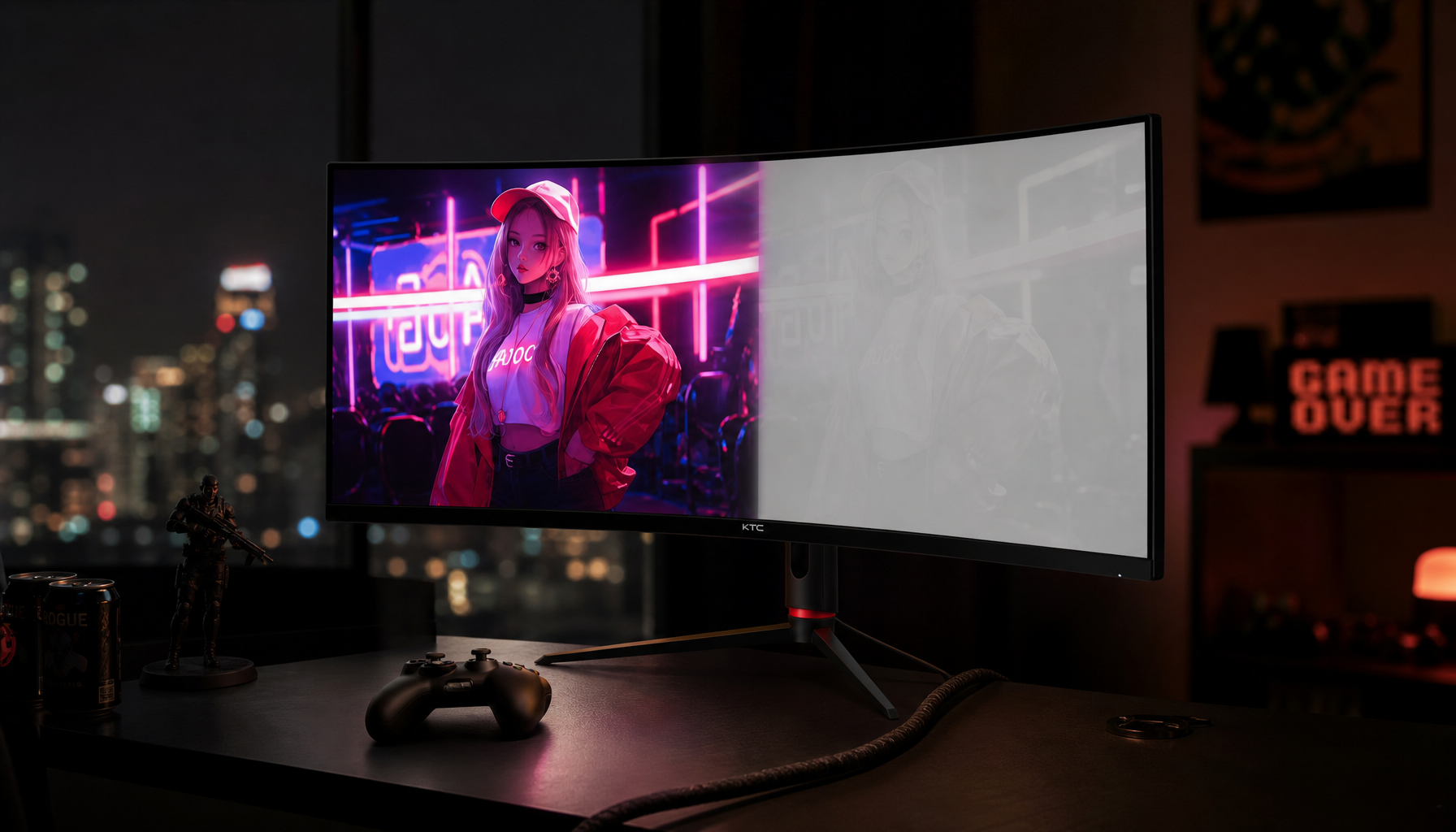
For convincing HDR on a monitor, treat 600 nits as the practical floor, 1,000 nits as the sweet spot for serious HDR gaming and movies, and 400 nits as entry-level brightness rather than full HDR impact. Peak brightness matters, but only when paired with strong contrast, wide color, and effective dimming.
Why Nits Matter, but Do Not Tell the Whole Story
A nit measures screen brightness, and HDR uses that extra light range to make highlights, shadows, and color feel more lifelike. HDR formats can represent far brighter scenes than SDR, with many HDR workflows targeting much higher luminance than traditional SDR’s roughly 100-nit baseline.
That does not mean every “HDR” monitor looks dramatic. A display can accept an HDR signal yet still lack the brightness, black depth, or dimming control needed to show real contrast.
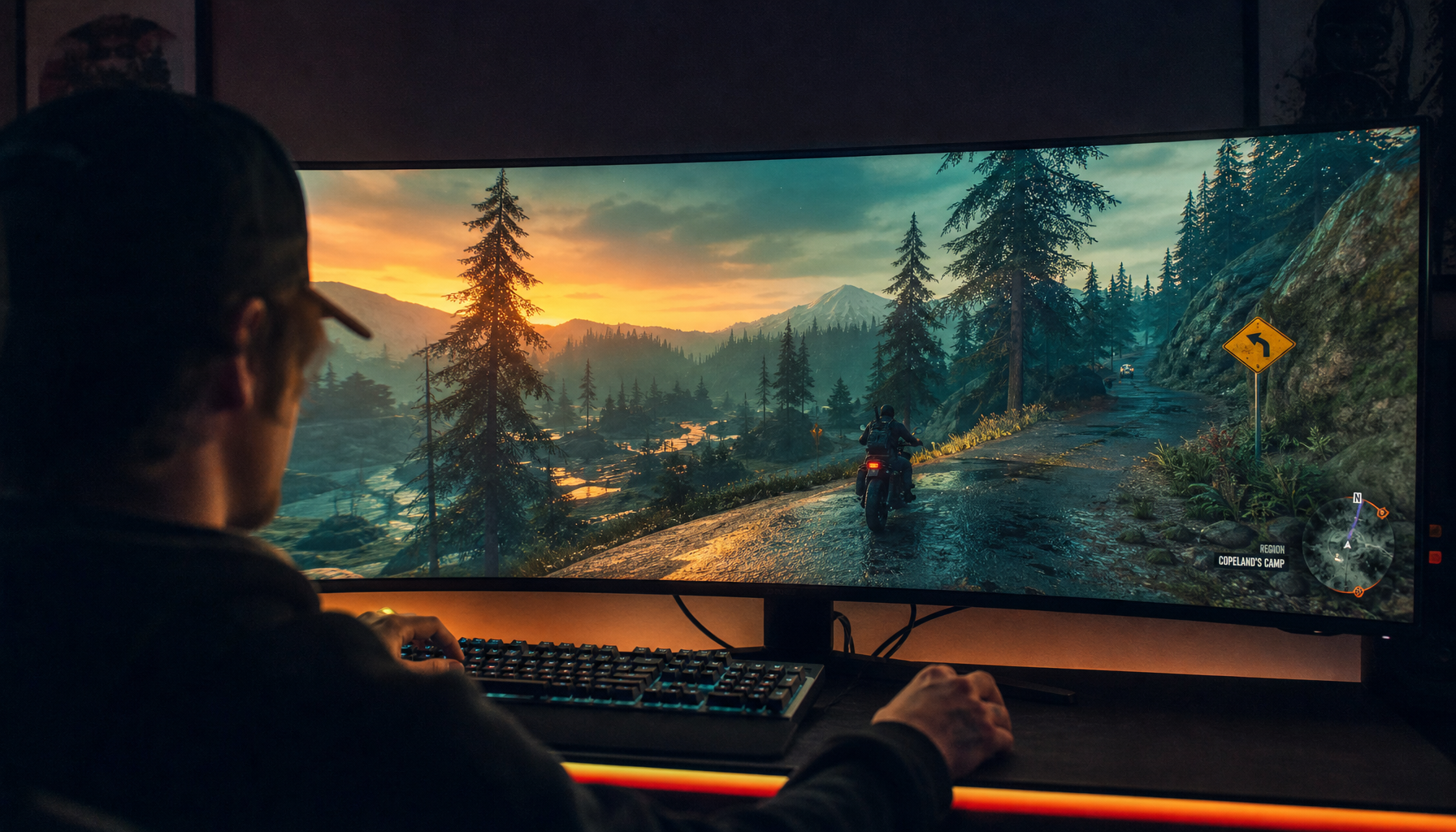
For gaming, the visible payoff is simple: sunlight, fire, reflections, neon, and spell effects should pop without crushing dark areas into gray mush. For productivity, HDR brightness is less about drama and more about readability in bright rooms.

The Real-World Brightness Tiers
DisplayHDR 400 is useful, but it is not the level I would call convincing HDR. It usually means the monitor can hit at least 400 nits, which can help office work, web browsing, and casual media, but that brightness tier does not guarantee local dimming.
At 600 nits, HDR starts to feel more intentional. Highlights have enough punch to separate themselves from normal white UI elements or bright scenery, especially in games with proper HDR calibration.
At 1,000 nits, HDR becomes much more convincing on LCD and Mini-LED monitors because bright effects can land with real intensity. This is the range to prioritize for immersive single-player gaming, HDR movies, and premium console or computer setups.

Key takeaways:
- 300–400 nits: good SDR, basic HDR compatibility
- 500–600 nits: entry point for noticeable HDR
- 1,000 nits: strong target for convincing HDR
- 1,400+ nits: premium HDR for bright rooms and showcase content
Contrast Is the Multiplier
Peak brightness is only half the HDR equation. HDR depends on the gap between bright highlights and dark blacks, and local dimming is central for LCD monitors because it lets bright zones stay bright while darker areas remain controlled.
This is why a 1,000-nit monitor with poor dimming can look worse than a lower-brightness OLED in a dark room. OLED cannot always match Mini-LED’s peak brightness, but its pixel-level black control gives HDR scenes excellent depth.
For LCD gaming monitors, look beyond the nit number. Full-array local dimming or high-zone Mini-LED backlighting is far more meaningful than a basic edge-lit HDR label.

A lower-nit OLED can look more convincing in a dark room, while a brighter Mini-LED often wins in daylight or mixed lighting.
What You Should Buy for Your Setup
For competitive gaming, do not chase brightness first. Prioritize refresh rate, response time, low input lag, and clean motion, then treat HDR as a bonus unless you also play cinematic titles.
For immersive gaming, streaming, and console use, aim for at least 600 nits with real dimming, or step up to 1,000 nits if the budget allows. Features like older compatible games enhancement can make games more vivid, but they still depend on the display’s hardware limits.
For office productivity, 400 nits is often enough. It gives spreadsheets, dashboards, and documents stronger visibility near windows without forcing you to pay for premium HDR hardware you may rarely use.

For creators grading HDR video, consumer HDR labels are not enough. You need accurate tone tracking, wide color, calibration controls, and a display class that matches your delivery target.
The Practical Answer
If you want HDR that actually feels like HDR, buy 600 nits minimum and 1,000 nits when possible. If the monitor also has high contrast, wide color, and good local dimming, that brightness becomes immersion instead of just glare.
For value buyers, DisplayHDR 400 is fine for productivity and casual use. For performance-driven HDR gaming or media, 1,000 nits with strong dimming is the more reliable target.