



HDR can look different in fullscreen versus windowed mode because the operating system, game, GPU driver, and monitor may switch tone mapping, color profiles, metadata handling, or SDR brightness behavior depending on how the image is presented.
Does your game look dull in exclusive fullscreen, then suddenly richer after Alt-Tab or in a window? A practical HDR check can usually narrow the cause to one of four places: the system HDR state, the game’s HDR pipeline, monitor picture mode, or calibration. You’ll learn how to identify which version is closer to correct and how to stabilize HDR for gaming, work, and smart-screen use.
Why Fullscreen and Windowed HDR Can Diverge
Fullscreen and windowed mode are not just different ways to size a game. They can change who controls the final image. In exclusive fullscreen, a game may take more direct control of display output, resolution, refresh rate, color format, and HDR signaling. In borderless or windowed mode, the desktop compositor usually combines the game with overlays, browser windows, chat apps, and other SDR or HDR surfaces.
That matters because the operating system performs tone mapping based on the display, the HDR profile, and the content path. If the game uses its own HDR output in fullscreen but the desktop compositor handles the image in windowed mode, the two paths may not match. The visible result can be a shift in brightness, saturation, black level, or highlight detail.
A common real-world pattern is simple: fullscreen looks flatter, while Alt-Tabbing or switching to windowed mode makes the same scene appear more vibrant. That does not automatically mean the more colorful version is correct. It may be SDR being stretched into an HDR desktop, HDR being double tone-mapped, or a monitor picture mode changing behind the scenes.
The Core Definitions That Matter
HDR, or high dynamic range, gives compatible content more room for bright highlights, deeper shadows, and wider color than SDR. A proper HDR signal usually needs the source app, operating system, GPU, cable, and monitor to agree on the format. HDR on a monitor also depends heavily on contrast, black level, brightness, color volume, and local dimming quality, so an “HDR supported” label alone is not enough.
SDR is the normal desktop and office-display world: spreadsheets, documents, web pages, most productivity apps, and many older games. The problem starts when SDR content is shown while HDR is enabled. The desktop has to be mapped into an HDR container, and that mapping can look washed out, dim, or overly saturated depending on the slider, profile, and monitor mode.
Tone mapping is the translation layer. If a game is mastered for bright HDR highlights but your monitor cannot reproduce that full range, tone mapping compresses the image into what the display can actually show. HDR metadata helps describe brightness and color intent, but the final look still depends on the monitor’s firmware and calibration.

The Most Common Causes
The System Is Handling SDR and HDR at the Same Time
Windowed mode often means the operating system is mixing multiple surfaces. Your HDR game may sit beside SDR overlays, chat apps, a browser, capture software, or the desktop. In that case, everything has to be composed into one final image.
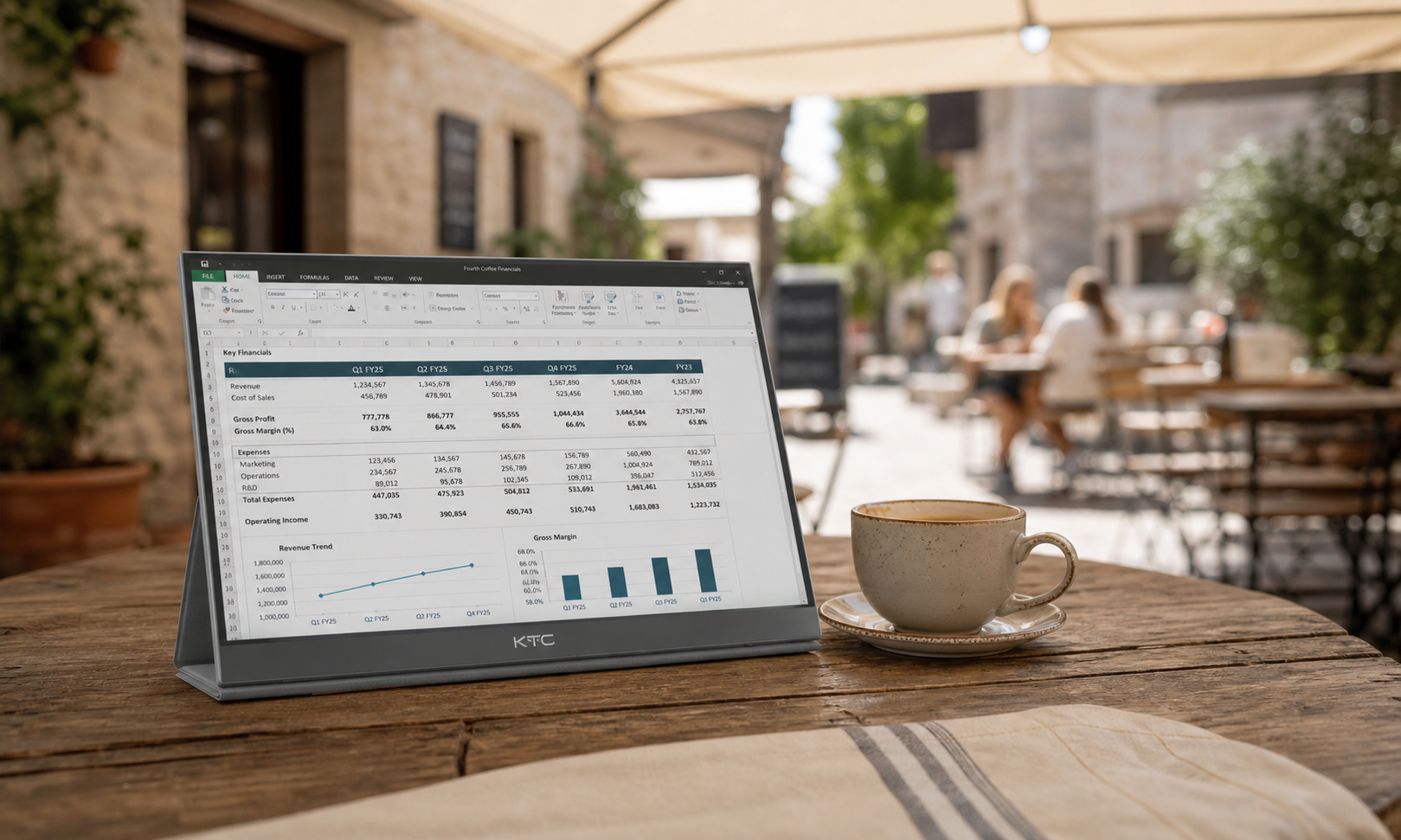
This is why SDR desktop content can look wrong when HDR is left on all day. Desktop use is still mostly SDR, and SDR content inside HDR mode can suffer from skewed gamma, reduced accuracy, and awkward brightness behavior. For office productivity displays, that is not a small detail. A spreadsheet that should sit comfortably around 120 to 150 nits may feel harsh, gray, or low contrast if the monitor is locked into HDR behavior designed for bright highlights.
The practical test is to compare true HDR content, not the desktop. Use a known HDR game scene with bright highlights and dark shadow detail. If fullscreen preserves cloud detail, neon reflections, and dark-area separation better, it may be the more accurate HDR path even if windowed mode looks punchier at first glance.
The Game Uses a Different HDR Pipeline in Fullscreen
Some games expose native HDR only when system HDR is already enabled. Others can trigger HDR differently in exclusive fullscreen. Older PC titles may behave inconsistently because their HDR implementation was designed before current HDR workflows became common.
HDR setup requires the right monitor, GPU, cable, driver, and operating system support. If one part of that chain changes during a fullscreen transition, the monitor may briefly black out, renegotiate the signal, then return with a different color format or brightness response. That black-screen pause is often a clue that the display mode changed rather than merely resizing a window.
For gaming monitors, this is especially visible at high refresh rates. A 144 Hz or 240 Hz HDR mode may use different bandwidth choices than a lower-refresh desktop mode. Depending on the GPU and cable, the system may switch bit depth, chroma format, or HDR metadata behavior. The image can remain “HDR” in name while looking meaningfully different.
Your Monitor’s HDR Mode Is Not Neutral
Monitor OSD settings can be decisive. Many displays lock brightness, gamma, color temperature, local dimming, and contrast controls once HDR is active. Some “HDR Game,” “HDR Cinema,” “HDR Standard,” or “HDR Effect” modes are tuned for impact rather than accuracy.
Avoid modes that simulate HDR from SDR. HDR Effect modes can make the image brighter or more colorful without using real HDR metadata, which often creates the exact confusion people blame on fullscreen. A windowed game might look exciting because the monitor is exaggerating color, while the fullscreen native HDR path may actually be closer to the creator’s intent.
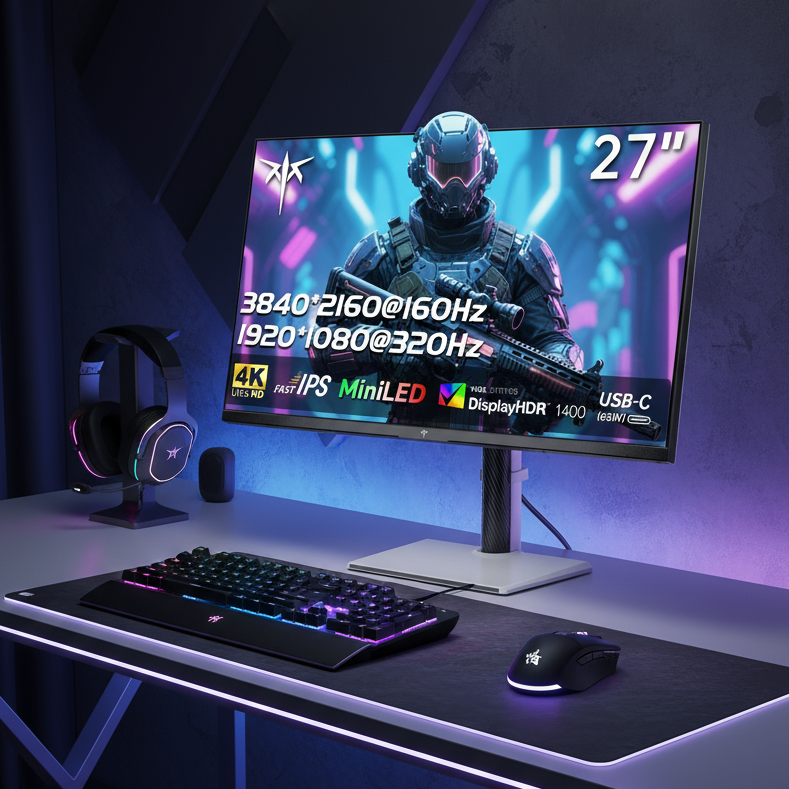
This is where panel type matters. OLED can deliver excellent black levels and highlight contrast, but automatic brightness behavior can change large bright scenes. Mini LED can hit stronger peaks, but local dimming quality affects halos and shadow detail. Entry-level HDR 400 monitors often lack the contrast, local dimming, and sustained brightness needed for convincing HDR, so fullscreen and windowed differences become more about tone mapping compromises than true HDR performance.

Fullscreen, Borderless, and Windowed: Practical Comparison
Mode |
HDR Advantage |
HDR Risk |
Best Use |
Exclusive fullscreen |
Game may control HDR output more directly |
Mode switching can alter color, refresh, or brightness behavior |
Native HDR games where accuracy and latency matter |
Borderless fullscreen |
Easier Alt-Tab and overlay support |
Desktop composition can change tone mapping behavior |
Modern games, streaming, multitasking |
Windowed |
Easy comparison with desktop and tools |
SDR/HDR mixing can exaggerate saturation or wash out contrast |
Troubleshooting, capture, secondary-screen workflows |
For a pro gaming setup, start with fullscreen or borderless fullscreen depending on the game’s HDR reliability. For productivity displays, keep SDR as the default desktop mode unless you are actively viewing HDR content. For portable smart screens, prioritize stable sustained brightness and readable SDR behavior because travel, USB-C power limits, and glare often matter more than a short peak brightness claim.
How to Fix the Difference Without Chasing Fake Vibrance
Calibrate System HDR First
Run the system HDR calibration tool on the exact display you use for HDR. The calibration process sets darkest visible detail, brightest visible detail, and maximum brightness using HDR Gaming Interest Group-style patterns. Do this after selecting the monitor’s HDR mode, because changing the monitor preset afterward can invalidate the profile.
For a simple example, if your monitor’s real HDR behavior is closer to 600 nits but the system assumes something else, highlights may clip too early or look muted. Calibration gives the operating system a better target, which helps both fullscreen and windowed presentation.
Set SDR Brightness for Your Actual Room
If you leave HDR enabled, adjust the SDR content brightness slider. HDR in the operating system often looks washed out because SDR content is poorly matched inside HDR mode, and lowering SDR brightness can make the desktop more usable. For a dim gaming room, a lower slider may make sense. For a bright office, you may need more desktop luminance, but pushing it too far can make documents look harsh.
The key is not to tune SDR so one game menu looks impressive. Tune SDR so a white browser page, a document, and your launcher look comfortable, then tune HDR inside the game separately.
Match the Game, System, and Monitor Settings
Use one clean HDR chain. Enable HDR in the operating system before launching games that require it. Then enable native HDR in the game. Then confirm the monitor OSD shows a real HDR mode, not an SDR enhancement mode.
If the game has peak brightness, paper white, black level, or UI brightness sliders, adjust them after system HDR calibration. A strong practical target is to preserve detail in bright clouds, lamps, explosions, and reflections without crushing dark corners. If the “vibrant” windowed version blows out highlight texture or turns skin tones neon, it is probably not the better image.
Separate Gaming and Work Presets
A performance-driven display setup should not use one visual mode for everything. Keep an SDR preset for office work, coding, browsing, and dashboards. Keep an HDR gaming preset for supported titles. Keep a separate cinema or streaming preset if your monitor offers useful controls.

This matters more on multi-monitor rigs. A dual-display setup often mixes a gaming monitor with a productivity panel, and dual-monitor workflows commonly split tasks like calls, coding, spreadsheets, streaming, and play across different screens. If only one screen is truly HDR-capable, calibrate and use HDR on that display instead of forcing every monitor into the same behavior.
Pros and Cons of Leaving HDR On
Choice |
Pros |
Cons |
HDR always on |
Fast access to HDR games and video, fewer manual toggles |
SDR desktop may look washed out, dim, inaccurate, or too bright |
HDR only for HDR content |
Better SDR accuracy and comfort for office work |
Requires toggling or automation before games |
Separate presets |
More consistent gaming, work, and media behavior |
Takes time to configure and verify |
For most users, HDR only for HDR content is the cleanest approach. For heavy gamers who launch HDR titles daily, leaving HDR on can work if SDR brightness and calibration are dialed in. For office-first users, SDR should remain the reliable baseline.
When the More Vibrant Mode Is Not the Correct Mode
Human vision often prefers brighter and more saturated images in quick comparisons. That is why windowed mode after Alt-Tab can feel “fixed” even when it is less accurate. The better test is whether the display preserves more information.
Look at a dark hallway, a sunset, a flashlight beam, and a bright sky. Correct HDR should show separation in shadows, controlled highlights, and believable color. Incorrect HDR often shows one of three failures: gray blacks, clipped white highlights, or candy-colored saturation. A reliable pro display does not just punch harder; it gives you more usable visual information.
Closing
Fullscreen versus windowed HDR differences usually come from a handoff problem, not a mystery defect. Stabilize the chain by calibrating system HDR, choosing a real monitor HDR mode, setting SDR brightness deliberately, and tuning each game after the operating system and display are already aligned. The best HDR setup is the one that gives you impact in supported content and predictable accuracy when you return to work.