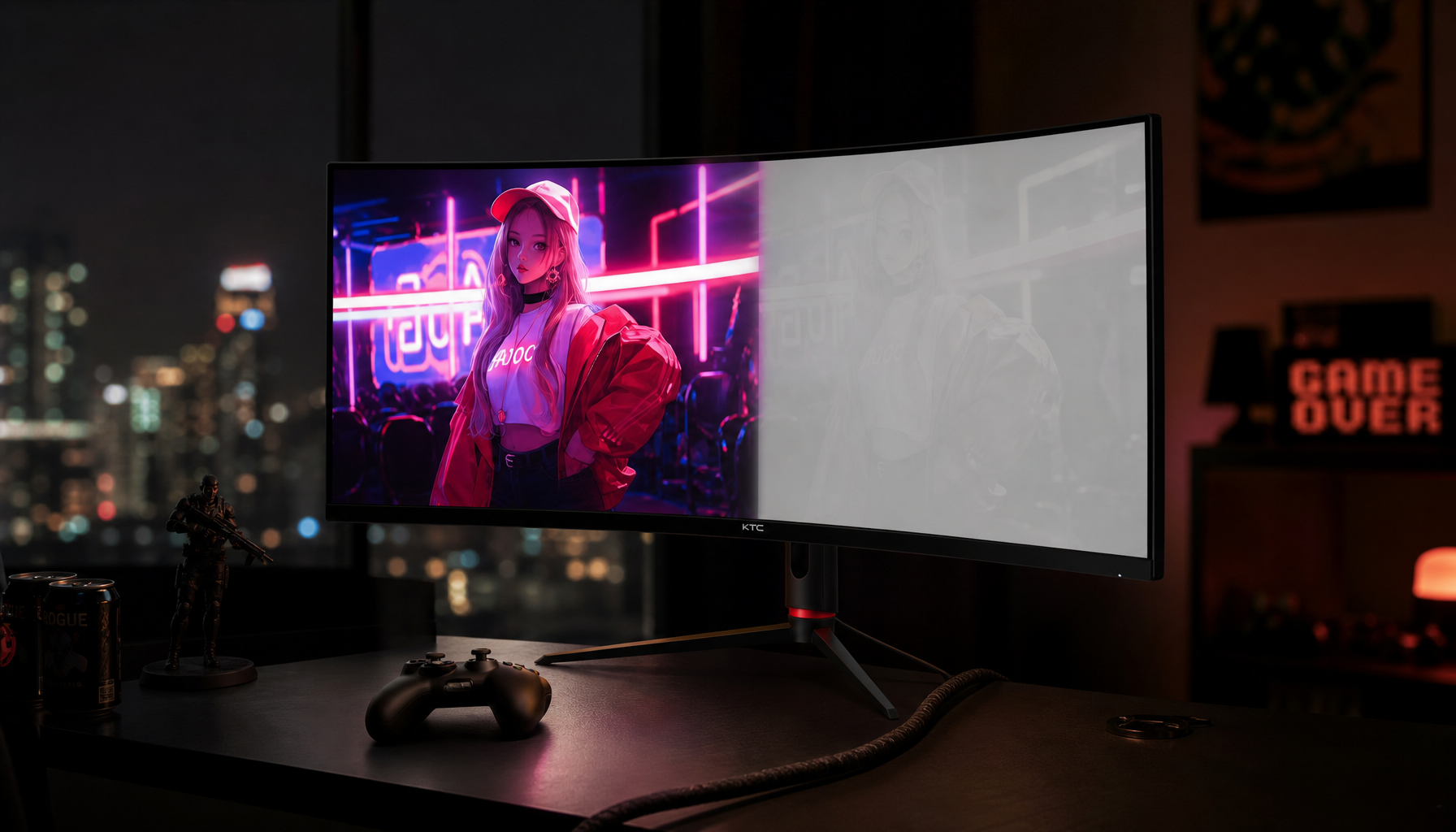
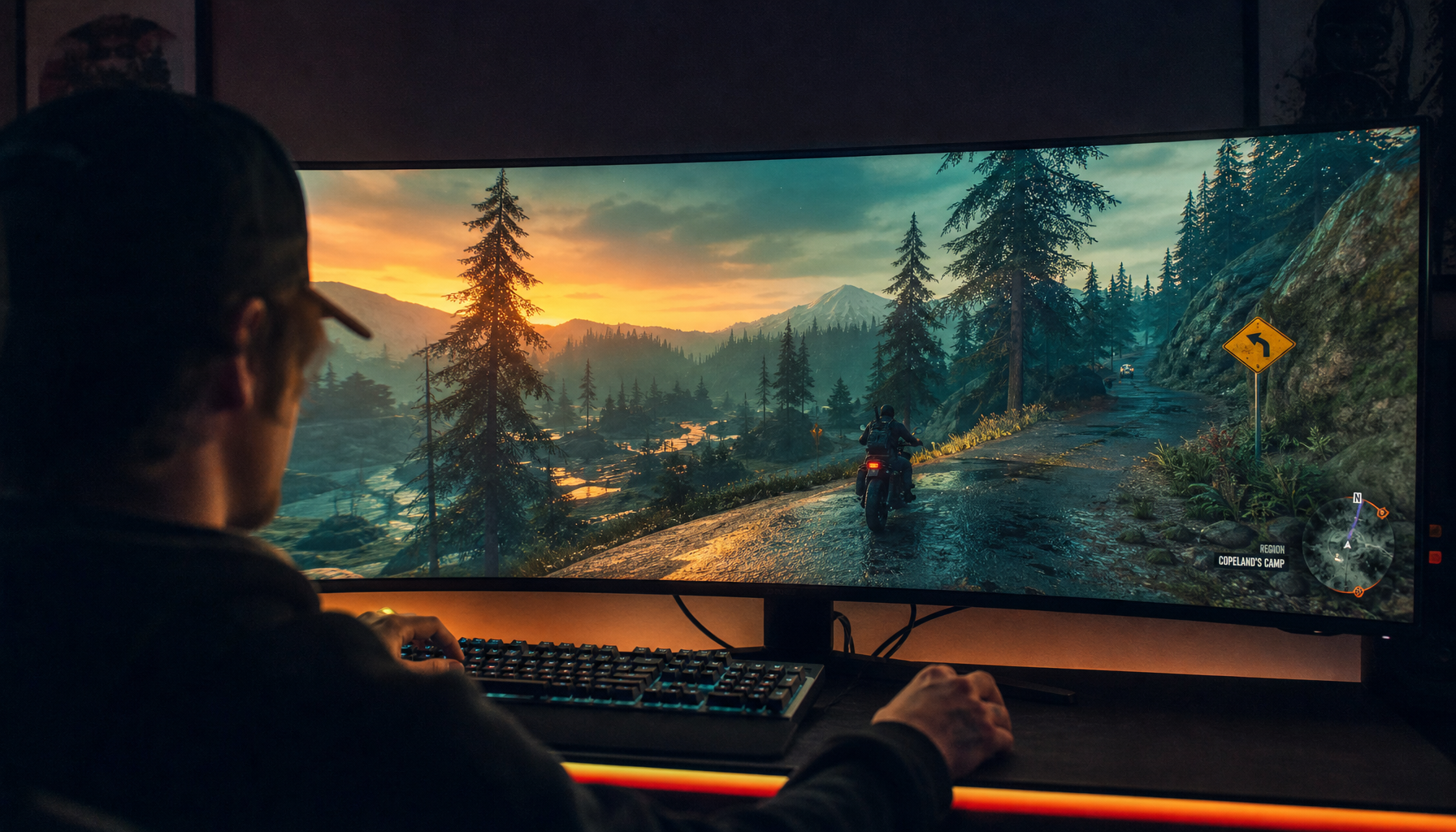
Warm-up matters because the first minutes after power-on are often the least stable period for an HDR display. Waiting for the panel to settle gives you a more trustworthy picture for games, movies, editing, and calibration.
Ever notice a screen that looks a little off right after you turn it on, then seems to snap into place a bit later? That is where HDR can mislead you, because the display may still be changing while your eyes are already judging brightness. In real calibration workflows, the difference between an early reading and a settled one can affect whether shadows hold detail or highlights clip, and the fix is usually patience.
What Is Actually Warming Up?
HDR is not just a brighter picture mode. It depends on the display reaching a stable operating state so it can track brightness targets, shadow detail, and highlight detail consistently. Sources on luminance show that brightness can change noticeably right after power-on, then continue drifting before flattening out. That matters because HDR accuracy depends on where the screen settles, not just how bright it can get.
For many LCDs, the backlight and panel behavior do not stabilize instantly. In practical terms, the same HDR scene can look slightly different at 5 minutes, 20 minutes, and 60 minutes after startup. A calibration session done too early can leave blacks too crushed or whites too hot once the display fully settles.
Why Brightness Drifts
The main reason is simple: display hardware is physical. Backlights, panel materials, thermal behavior, and internal processing can all change as the unit warms up. Some screens keep drifting for 30 minutes or longer, and one tested LCD did not hit a very tight stability threshold until roughly 50 minutes.
That is why experienced calibrators do not trust a cold screen. In one common setup, the panel may brighten in the first minutes, then settle more gradually later. If you set black level during that early phase, the final image can end up too dark once the display reaches its normal state. With HDR content, that can mean losing shadow detail in a dim game scene or a dark movie frame.
Why HDR Makes the Problem More Visible
HDR gives you a much wider brightness range than SDR, so small shifts are easier to notice. A monitor-testing explanation of good HDR notes that it depends on contrast, black levels, peak brightness, color gamut, local dimming quality, and tone mapping. That stack is sensitive: if the display is still drifting, the tone-mapped image can feel unstable even when the content itself is correct.
A simple example makes this clear. If a monitor is warming up and its black floor is still moving, a dark hallway scene may look rich one moment and washed out or crushed the next. The issue is not the game or movie. It is the screen still finding its real operating point.
What can drift |
Why it matters in HDR |
Luminance |
Changes perceived peak brightness and overall punch |
Black level |
Affects shadow detail and dark-scene depth |
Color balance |
Can shift neutral grays and skin tones |
Alters how highlights and midtones are compressed |
How Long Should You Wait?
For practical use, 30 minutes is a good minimum, and 60 minutes is safer when you want repeatable results. That lines up with KTC’s calibration guidance, which recommends warming the display before adjusting brightness and contrast. The workflow is also sensible for HDR panels: choose a neutral mode, disable dynamic processing, then set black level and white level after the panel settles.

For office work or gaming, you may not need lab-level precision, but warm-up still helps. If you are comparing two HDR monitors side by side, or trying to tune one display for a dark room and another for a bright desk, an unsettled panel can make you choose the wrong setting.
HDR Mode Can Add Its Own Confusion
Another wrinkle is that HDR mode itself can change how SDR desktop content looks. Technical testing of normal desktop content shows that Windows HDR can make it look washed out or too bright, and many monitors restrict brightness and contrast controls while HDR is enabled. That means the problem can be mistaken for warm-up when the real issue is mode mismatch.
For a practical desk setup, keep HDR off for normal desktop work and turn it on when you actually need HDR content. That preserves control over brightness, avoids strange SDR rendering, and makes any warm-up behavior easier to judge because the screen is operating in the mode you intended.
Pros and Cons of Waiting
Waiting has clear benefits. You get more stable brightness, more dependable black levels, and a better baseline for calibration. You also reduce the chance of misjudging a display that only looks too dim or too bright because it was still drifting.
The downside is time. If you are jumping into a quick game session, waiting 45 to 60 minutes is not always realistic. There is also a usability tradeoff: in bright rooms, some HDR screens already look dimmer than expected, so a cold panel can make that problem feel worse before it settles. The answer is not to chase brightness constantly, but to let the panel stabilize and then judge it in the room where you actually use it.
Practical Setup Advice
Start with a neutral preset such as Standard, User, or sRGB, then disable dynamic contrast, auto brightness, and similar features before you evaluate HDR. Calibrate in the same room lighting you normally use, because daylight, glare, and evening viewing all change the right target. If you are comparing displays, give each one the same warm-up window and use the same test scene or pattern so you are measuring the panel, not the clock.

For serious HDR work, treat warm-up as part of the setup, not an optional extra. It is a small habit that pays off every time you sit down: the image becomes easier to trust, and a display that was merely bright starts acting like a precise tool.
The best HDR screens are not just capable of high peak brightness. They are stable enough to hold it, and that is where the warm-up period earns its place.