Wall mounting a curved gaming monitor can reclaim valuable desk space and create a more immersive combat station, but it requires careful attention to VESA compatibility, weight distribution, and the extra torque that curvature places on the mount. Unlike flat panels, curved monitors shift their center of gravity forward, so a standard wall mount may allow sag or instability over time. The good news is that with the right hardware and a few practical checks, most gamers can safely complete the installation in under an hour.

Is Your Curved Monitor VESA Compatible? Checking Patterns and Spacers
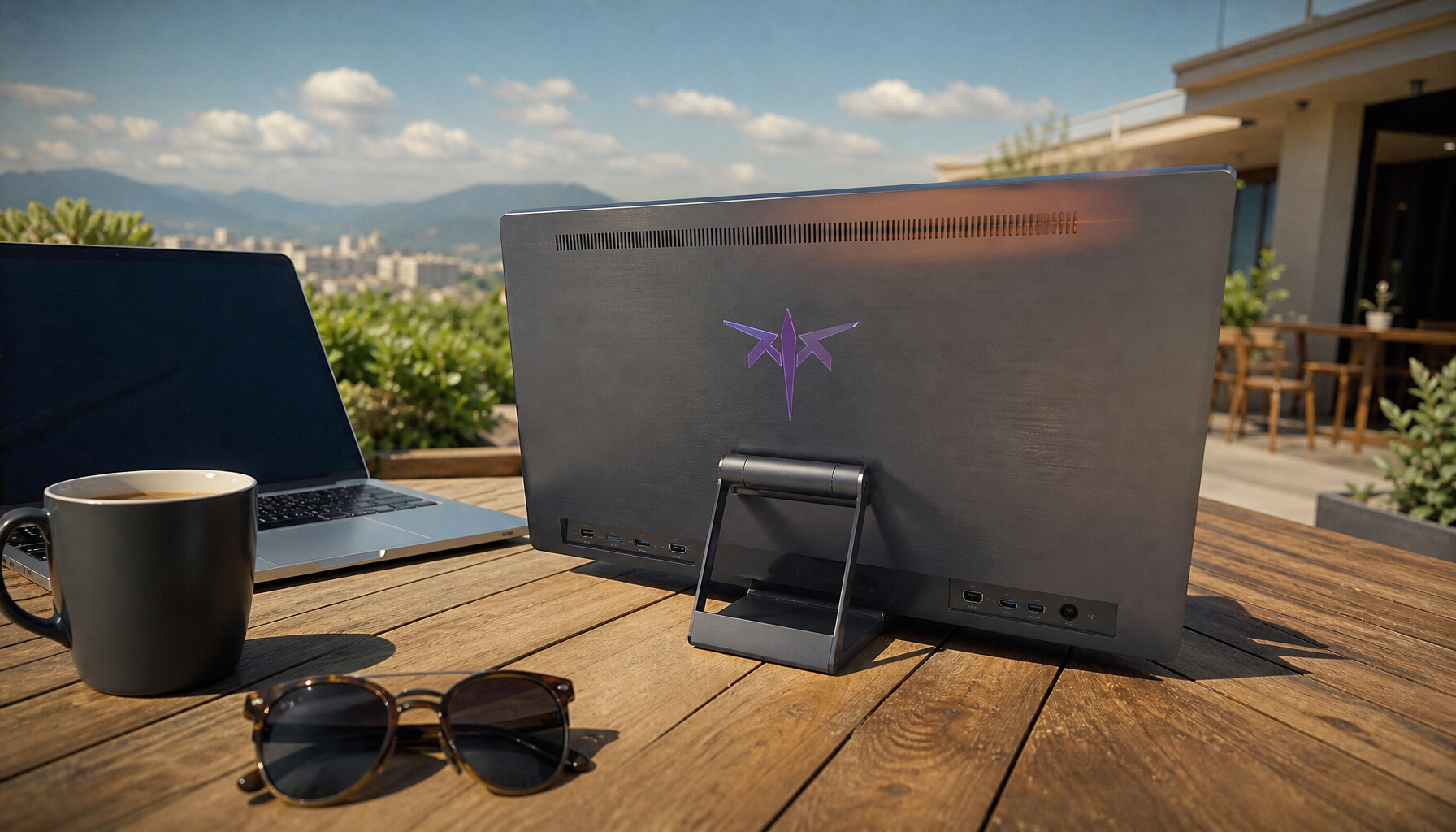
Most KTC curved gaming monitors use the common 100x100 mm VESA pattern, making them compatible with the majority of wall mounts. However, many curved models feature recessed mounting holes set deep into the rear chassis. This design means the mounting plate cannot sit flush against the monitor without the proper spacers or standoffs, which can lead to uneven pressure and potential chassis damage.
According to mounting hardware specialists, recessed VESA patterns require specific spacers to ensure the bracket sits securely without stressing the housing. KTC typically includes these standoffs with their monitors. Perform a quick "dry-fit" test: insert the screws and spacers into the monitor first, without attaching the plate, to confirm they seat fully without bottoming out. This simple check prevents overtightening that could crack internal components.
If your mount came without spacers, source VESA-compliant ones that match the screw length recommended in your monitor's manual. Avoid generic hardware store bolts, as thread pitch and length variations can cause issues.
Choosing the Right Hardware: Beyond Weight Ratings
A mount's listed weight capacity is only part of the story when dealing with curved displays. The forward-shifted center of gravity on curved monitors creates additional leverage on the tilt joint, often referred to as tilt torque. This means a mount rated for your monitor's weight may still allow gradual droop if the tilt mechanism lacks sufficient tension.
Tilt-Torque Trade-Off by Monitor Curvature
Curved displays tend to shift more mass forward, so the tilt mechanism needs more headroom to avoid droop as curvature gets tighter.
View chart data
| Category | Safe tilt torque rating band (relative) |
|---|---|
| Flat | 1.0 |
| 1500R | 2.0 |
| 1000R | 3.0 |
This visualization shows relative tilt torque demands. For tighter curves like 1000R models, choose heavy-duty mounts explicitly rated for ultrawide or curved panels, often featuring reinforced tilt pivots or high-tension adjustment bolts. Fixed mounts generally offer better long-term stability than articulating arms for very heavy panels, though arms provide more positioning flexibility if your setup allows.
Learn more about ultrawide gaming monitors to better understand how curvature affects your overall setup decisions.
Setting the Perfect Height: Ergonomics for Curved Displays
Proper height prevents neck strain during long gaming sessions. Position the wall mount so the top of the screen sits at or just below eye level when seated in your normal gaming posture. This creates a comfortable 15- to 20-degree downward gaze toward the center of the screen.
The Mayo Clinic's office ergonomics guidelines recommend this neutral neck position for extended computer use. For curved monitors, also consider your sitting distance. A common heuristic suggests matching your distance to the monitor's curvature radius—for a 1000R panel, roughly 1 meter (about 39 inches) from the wall often provides the most immersive experience without distortion at the edges.
Adjust tilt and swivel to keep the entire curved surface within your natural field of view. In smaller rooms, a slight downward tilt can help align the curve with your eyes while maintaining clearance for ventilation at the rear.
If you're transitioning from a desk stand, read our guide on curved vs flat monitors for additional insights on viewing angles and immersion.

Step-by-Step: Installing Your Curved Monitor Wall Mount
Always locate and mount into a solid wooden stud using appropriate lag bolts—never rely solely on drywall anchors for monitors larger than 24 inches. This is a critical safety rule, as the combined weight and leverage of a curved ultrawide can pull weaker anchors free over time.
Sanus mounting guidelines emphasize stud mounting for heavy displays to prevent wall damage. Use a stud finder to mark the center of the stud, then drill pilot holes before securing the bracket.
- Attach the VESA plate to the monitor using the included or correctly sized spacers and screws. Tighten only until snug—overtightening can damage the chassis.
- Secure the wall bracket to the stud.
- Hang the monitor on the bracket and make initial tilt and height adjustments.
- Route cables with enough slack to prevent strain on ports during any future adjustments. External power bricks should be mounted separately on the wall or desk to avoid adding weight or heat buildup directly behind the panel.
For cable management in tight spaces, consider our article on building ergonomic monitor setups.
Post-Installation Audit: Testing Stability and Comfort
After mounting, wait 24 hours and check for any sag in the tilt joint under normal load. Gently push and release the screen to ensure it returns to position without drifting. Verify that rear ventilation ports remain unobstructed to prevent overheating.
Use a level to confirm the screen sits straight, paying special attention to any slight "arm lean" on articulating mounts. Test your typical gaming distance and viewing angles to confirm the curvature enhances immersion rather than creating edge distortion. Adjust height or tilt slightly if neck strain appears after 30 minutes of use.
If stability issues arise, double-check spacer seating and consider upgrading to a mount with higher torque specifications. With these steps completed, your wall-mounted curved gaming monitor should deliver a clean, ergonomic combat station for years to come.
Frequently Asked Questions
Do curved monitors require special wall mounts compared to flat ones? Curved monitors do not always need entirely different brackets, but they benefit significantly from mounts with reinforced tilt mechanisms. The forward center of gravity increases stress on standard pivots, so look for models labeled for ultrawide or heavy curved use to minimize long-term droop.
Can I wall mount a curved monitor without finding a stud? For monitors larger than 24 inches, mounting without a stud is strongly discouraged. The added leverage from curvature multiplies force on the wall, making drywall anchors unreliable and potentially dangerous over time.
What is the ideal height for a wall-mounted curved gaming monitor? Position the top edge at or slightly below eye level for a natural viewing angle. Combine this with a sitting distance roughly matching the monitor's R-rating for optimal comfort and reduced neck strain.
Are KTC curved monitors VESA compatible? Yes, KTC curved models generally use standard 100x100 mm VESA patterns. However, their recessed designs require the provided standoffs or equivalent spacers for a secure, flush fit.
How do I prevent cable damage after wall mounting? Leave deliberate slack in all cables so that tilt or swivel movements do not pull on HDMI, DisplayPort, or power connectors. Secure the power brick separately rather than letting it hang from the monitor.
Do I need extra spacers for recessed VESA holes on curved monitors? Yes. Recessed holes prevent the mounting plate from sitting flush, so spacers are mandatory to distribute pressure evenly and avoid damaging the monitor housing.