MegPad battery life is useful only if it matches how you actually move through the day. In mixed home use, the real number is usually lower than the headline claim, because brightness, casting, audio, apps, and standby gaps all add up. For a display that moves room to room, the safest rule is simple: judge the battery by your brightest, busiest session, not the best-case spec.

Claimed Runtime Versus Daily Reality
The first thing to check is whether your day looks like short check-ins or longer living-room style sessions. A manufacturer runtime can be a useful starting point, but it is not a promise across every room, brightness level, and app mix. The A32Q7 Pro listing says it has a 9500mAh battery and up to 11 hours under manufacturer conditions, while the A32Q7S manual says the product can run about 5 hours after a full charge in its own test context. Those two figures already tell you the key truth: runtime depends heavily on how you use it.
For home users, the real battery question is not "How long does it last?" but "How long does it last at my usual brightness and workload?" If you stream video, cast wirelessly, and keep the audio up, expect the battery to behave differently than it would in a quiet reading or browsing session. That is why Battery vs Plugged-In Smart Display Comparison is worth a quick look if you are deciding between flexibility and always-on convenience.
A practical decision sentence: if your display needs to survive most of the day without a charger, the battery spec matters a lot; if you mainly roll it for occasional room changes, the headline runtime matters less than charging convenience and setup friction.
What Changes Battery Life Most
For most people, brightness is the first setting to review because it usually has the biggest visible effect on runtime. If the screen is bright enough for a sunny kitchen or living room, it will usually use more power than it needs for an evening bedroom session. A good habit is to set brightness for the room you are in, not the brightest room in the house. How to Match Your Monitor's Brightness Range to Your Typical Ambient Lighting Conditions is a useful companion if you want a cleaner way to think about that trade-off.
Wireless casting and network activity also tend to draw more power than simple offline viewing. That does not mean casting is a bad fit. It just means the battery has more work to do when the screen is constantly moving data across Wi-Fi. Loud audio can matter too, especially if you use the built-in speakers for workouts, kids' videos, or background music.
The last drain source is easy to miss: standby gaps. If the display stays awake while nobody is using it, you can lose a surprising amount of usable time over a day. In a room-to-room routine, the battery is often spent in small chunks, not one long session, which makes idle time more expensive than many buyers expect.
Daily Habits That Stretch Runtime
The easiest way to extend runtime is to change the habit with the biggest payoff first, then move down to the smaller gains. Start with brightness, because that is the setting most people notice and the one they can adjust fastest. Then look at sound volume, casting habits, and how long the screen stays on between uses.
- Lower brightness before you do anything else.
- Keep volume only as loud as the room needs.
- Close apps you are not using.
- Turn the screen off during room changes longer than a quick walk.
- Charge after a use session instead of waiting for the battery to hit empty.
That last step matters more than it sounds. The manual guidance for the A32Q7S says charging after a period of use is better than leaving the battery fully charged all the time, and it also notes that storing around 50% can help battery life over time. In plain English, treat charging like maintenance, not a race to 0%.
If you want to browse the broader category while comparing battery-friendly options, the Mobile Touch Screen collection is the cleanest navigation path. It is more useful than searching by battery number alone, because it lets you compare size, resolution, and use style together.

When Battery Power Is Enough
A battery-powered display is easiest to justify when your day is made up of shorter sessions, lighter app use, and a few room changes. It becomes harder to justify when you want one screen to stay active for long streaming blocks, a full workday, or repeated casting with high brightness. In other words, the question is not whether battery power exists. The question is whether you want to think about charging every day.
| Daily Use Pattern | Battery Fit | Charging Pressure | Why It Feels This Way |
|---|---|---|---|
| Morning news or recipes in one room | Good fit | Low | Short sessions usually leave plenty of margin. |
| A few hours of streaming or browsing | Mixed fit | Moderate | Runtime depends on brightness, audio, and casting. |
| Video calls plus movement between rooms | Mixed fit | Moderate to high | Wireless use and screen-on time stack up. |
| All-day entertainment or work | Weak fit | High | You are more likely to want the charger nearby. |
| High-brightness daytime use | Weak fit | High | Bright rooms shorten practical runtime faster. |
A useful boundary: if you can name the exact room and session length in advance, battery use is probably manageable; if your use pattern changes every hour, plug-in power starts to look less annoying.
A32Q7 Pro for All-Day Home Use
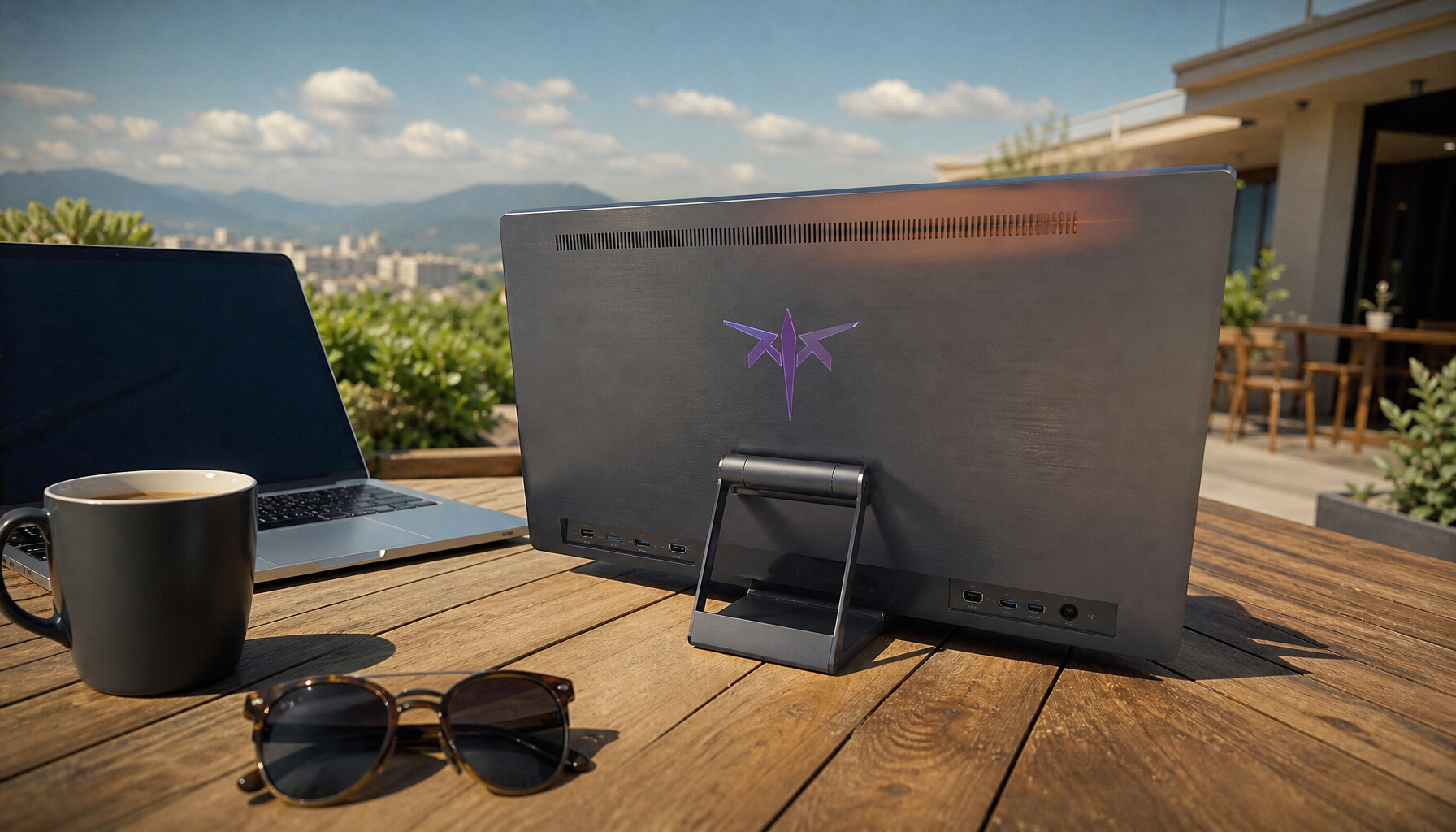
If you want the clearest fit in this topic set, the KTC MEGAPAD 32" 4K Android 13 Google EDLA Smart Touch Monitor with 9500mAh Battery is the one that lines up most directly with longer daily use. The verified specs support that comparison: 9500mAh battery, up to 11-hour manufacturer runtime, Android 13, Google EDLA, 4K resolution, and built-in mobile use with wheels. That does not make it a universal all-day solution, but it does make it the strongest match here when runtime is the main concern.
The practical takeaway is simple. If your use case is casual room-to-room entertainment, video calls, or mixed home use with top-offs, this model is a reasonable fit to check first. If your goal is to leave the screen running all day at high brightness, even a larger battery is still a battery, not wall power in disguise.
For readers who want to compare the category more broadly, Are Rolling Smart Displays Worth the Investment helps frame the bigger purchase decision.
Purchase Checklist for Real Battery Needs
Before you buy, check the part of your day that is hardest on the battery, not the part that looks best in marketing. If your day is mostly short sessions and easy room changes, battery practicality matters more than maximum runtime. If you expect long streaming blocks, constant casting, or bright daytime use, keep the charger nearby in your mental plan, even if the spec looks strong.
Use this quick checklist:
- Does your typical use last under a few hours, or does it stretch all day?
- Do you usually need high brightness in your main room?
- Will you cast wirelessly often, or mostly use local apps?
- Is the charger nearby enough to be convenient if runtime falls short?
- Would a battery-powered model still feel better than a fixed smart monitor?
If you are still undecided, a broader browse through Smart Monitor can help you compare battery-first and plug-in-first setups side by side. The best choice is the one that matches your routine without turning charging into a daily annoyance.
Related Resources
Compare the KTC MEGAPAD 27" FHD Android 14 Google EDLA Smart Touch Monitor with 9500mAh Battery for shorter sessions or the KTC MEGAPAD 32" 4K Android 14 Google EDLA Smart Touch Monitor with 8550mAh Battery when you need a different runtime balance.
FAQs
Q1. How Long Does MegPad Battery Life Usually Last in Mixed Home Use?
Mixed home use usually lands below the best-case figure because brightness, audio, casting, and standby all stack up. If you move between rooms and keep the screen active for different tasks, think in terms of your busiest session rather than the brand's top number.
Q2. Can I Leave a MegPad Plugged in Most of the Time?
Yes, that is often the most convenient setup for a mostly stationary home screen. The main trade-off is that you lose some of the flexibility that makes a rolling display useful in the first place, so it helps to still cycle the battery occasionally and avoid storing it empty for long periods.
Q3. Why Does Battery Life Drop Faster During Wireless Casting?
Wireless casting adds ongoing network and processing activity, so the display has more work to do than it does in simple offline use. That does not make casting a bad feature, but it does mean runtime is usually shorter than with lighter local viewing.
Q4. What Charging Habits Help Battery Life Over Time?
The most practical habits are avoiding constant deep discharge, not storing the battery empty for long stretches, and keeping a moderate charge level when the display is idle. The manual also favors charging after use rather than keeping the battery fully charged all the time.
Q5. Can Brightness Changes Make a Noticeable Difference?
Yes. Brightness is usually the fastest lever for longer runtime, especially in daytime rooms. If you lower it for evening viewing or quieter tasks, you often gain more usable time than you would by making smaller app-level changes first.
What to Do Next If Runtime Is Your Priority
If battery practicality matters most, start with your hardest use pattern and work backward from there. Short, flexible sessions point toward a battery-powered display; all-day streaming or work points toward keeping power close. The real win is not the highest number on the page. It is choosing a setup that fits your routine without constant battery anxiety.