For 5K tandem OLED for generative video editing, 2026 generative film studios usually need more than a fast panel. The safer buying target is a display that makes masks, shadows, and AI-upscaled detail easy to inspect, then fits your real workspace and connection path.

What Generative Studios Need From a Monitor
For most creators, the first question is not whether a monitor sounds premium. It is whether it helps you spot artifacts, judge black detail, and keep timelines readable without constant zooming.
5K-class pixel density matters because generative video often adds small edges, texture noise, and interpolation artifacts that a softer display can hide. In practical terms, that means the monitor should make problems easier to see, not simply make the image look impressive.
Color accuracy matters for the same reason. If preview, intermediate export, and final grade do not line up, you spend more time correcting mismatches. For a plain-language benchmark on color error numbers, KTC’s guide on what Delta E values mean is a useful refresher.
Motion clarity matters when you scrub, preview, or compare versions quickly. If the image smears during review, you can misread timing or mistake blur for a content issue.
Decision sentence: If your daily work is artifact inspection and final review, prioritize sharpness, color consistency, and black detail first; if your work is more general editing, those traits still help, but they are less likely to justify a top-end panel on their own.
Why 5K OLED Fits the Brief
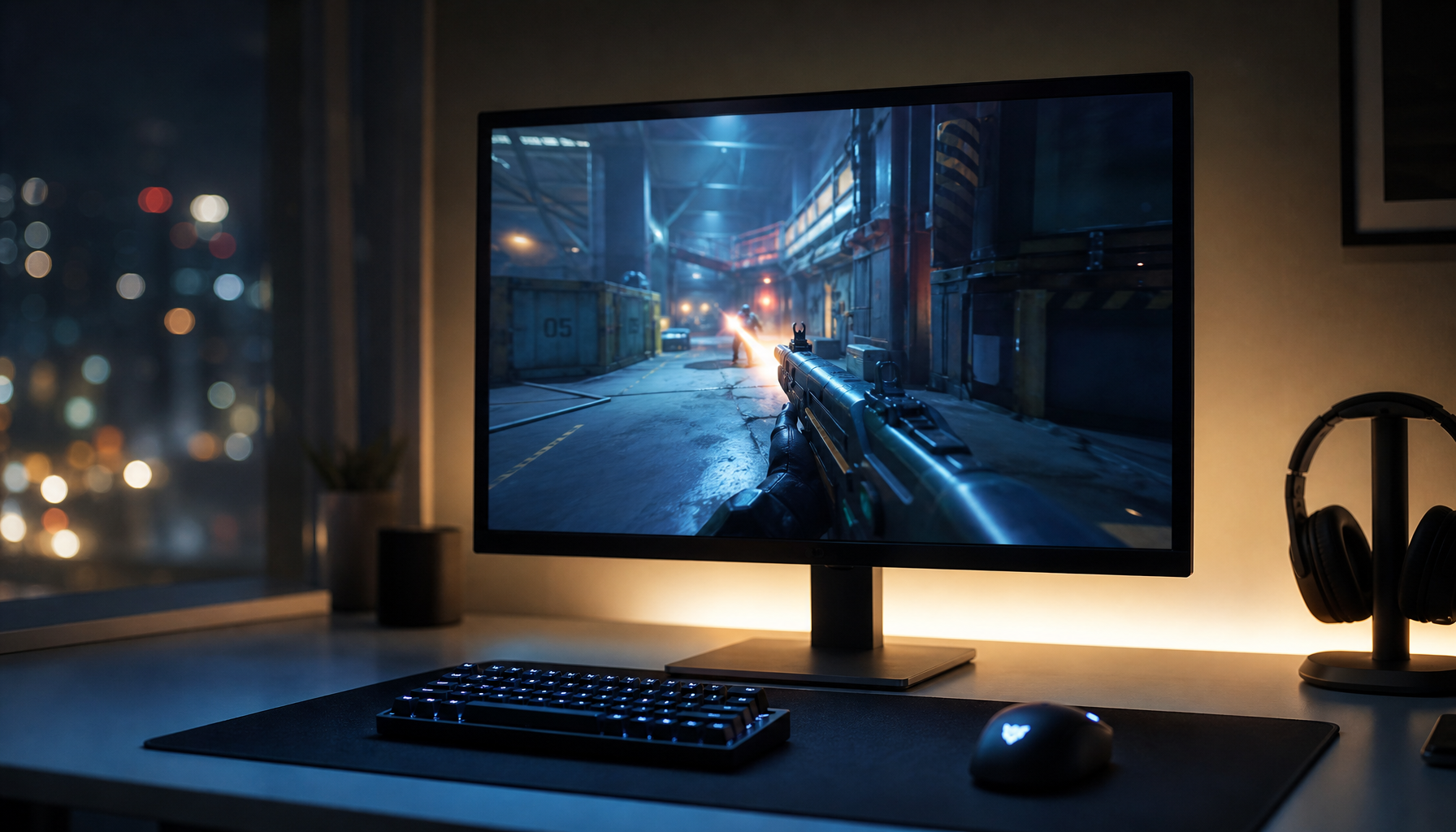
If your studio spends a lot of time on dark scenes, masks, or finishing passes, OLED is the most intuitive fit because each pixel can turn off individually. That helps near-black detail stand out, which is exactly where generative footage can be hardest to judge. Tandem OLED stacks multiple emissive layers to increase brightness, efficiency, and lifetime compared with single-layer designs (source).

That said, OLED is not the universal answer. It is strongest when black depth and contrast matter more than desktop brightness headroom or panel caution about static content. KTC’s own OLED model, the KTC OLED 27" 2K 240Hz/0.03ms USB-C Gaming Monitor | G27P6, is a useful reference point for the kind of dark-scene review OLED is designed to support.
The trade-off is simple: OLED can be compelling for critical viewing, but it is not the first choice for every desk, every lighting condition, or every workflow. If you want a broader shopping path while comparing OLED against other high-end displays, start with 4K & 5K High-Refresh Monitors.
Decision sentence: Choose OLED when shadow detail and motion cleanliness are your top two concerns; choose a brighter Mini-LED or IPS path when you want a more forgiving all-day workstation display.
Match the Monitor to Your RTX Workflow
What matters here is not the GPU brand itself, but the way your workstation is used. The monitor should match the mode you actually spend hours in, not the highest headline spec on the box.
| Workflow priority | Better fit | Why it usually fits | When it breaks down |
|---|---|---|---|
| Dark-scene review, masks, and finishing | 5K OLED | Best for black depth and fine visual separation | Less attractive if you need the brightest possible room performance |
| Mixed editing and brighter review bays | 4K Mini-LED | Better if HDR brightness and brighter rooms matter more | Less ideal if you want absolute black depth |
| Text-heavy editing and creator comfort | 5K IPS | Strong for UI density and desk comfort | Less compelling if contrast depth is the priority |
The 5K IPS option is the most balanced starting point for many creator desks. KTC’s 27" 5K@60Hz 2K@120Hz Home&Office Monitor | H27P3 gives you 5K detail at native resolution, plus a dual-mode path if you need smoother motion at lower resolution.
If your day includes both review work and occasional gaming, the KTC Mini LED 27" 4K 160Hz HDR1400 Gaming Monitor | M27P6 is the better compromise. Its brighter HDR behavior makes more sense when the room is not dark and the monitor has to do more than one job.
Decision sentence: If your workflow is mostly dark-room review, OLED is the best fit; if you split time between editing and brighter mixed use, Mini-LED is usually the safer compromise; if you want the cleanest text and workspace density, 5K IPS is the easiest long-session option.
Preview Quality Depends on More Than Resolution
This is where many buyers overfocus on the panel spec and miss the real friction. A monitor can be sharp and still feel wrong if the scaler adds processing, the source path is unstable, or HDR gradients break into visible steps.
For readers who want to check the processing side of the chain, KTC’s guide on hidden scaler latency is a practical companion. It matters most when you are not running native mode or when docks and adapters add complexity.
HDR banding is another common regret trigger in creative use. Skies, smoke, and subtle gradients can look smooth in one setup and visibly stepped in another, so a monitor should be judged with the kinds of scenes you actually finish. KTC’s post on reducing HDR banding is a good reference if that problem shows up in your preview chain.
Decision sentence: If your setup relies on adapters, docks, or non-native scaling, check processing behavior first; if your signal path is already direct and stable, panel choice matters more than the hidden latency question.
Choose the Right Studio Display Setup
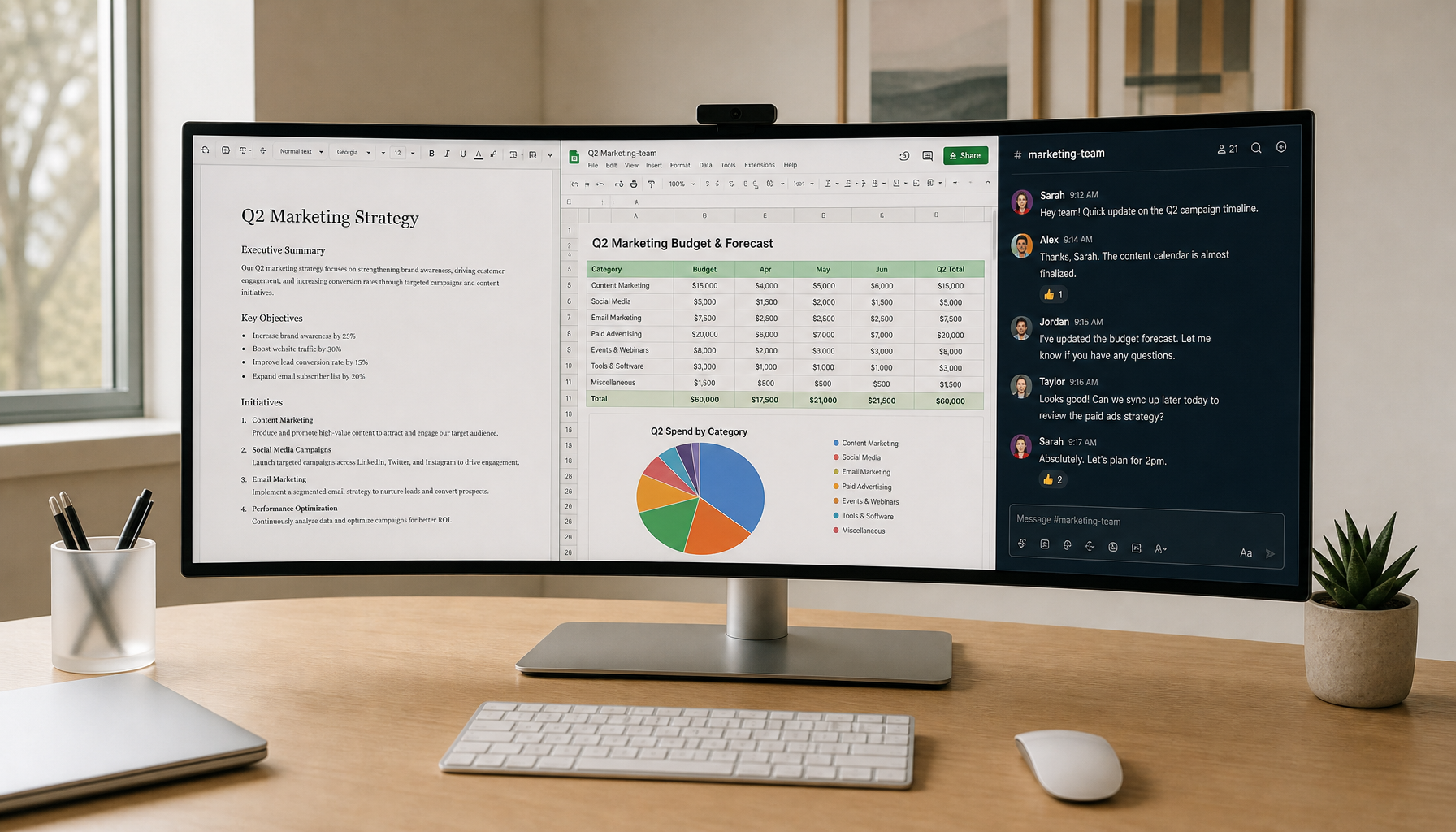
Start with the mode you will use most often. If you spend more time grading dark material, buy for black level and shadow separation. If you spend more time on text, scopes, and long editing sessions, buy for crisp 5K workspace density.
A simple check list helps avoid the most common mistake, which is choosing the most exciting headline instead of the most workable monitor.
- Confirm your preferred native resolution first.
- Check whether your room is bright or controlled.
- Verify whether color accuracy is important in your handoff process.
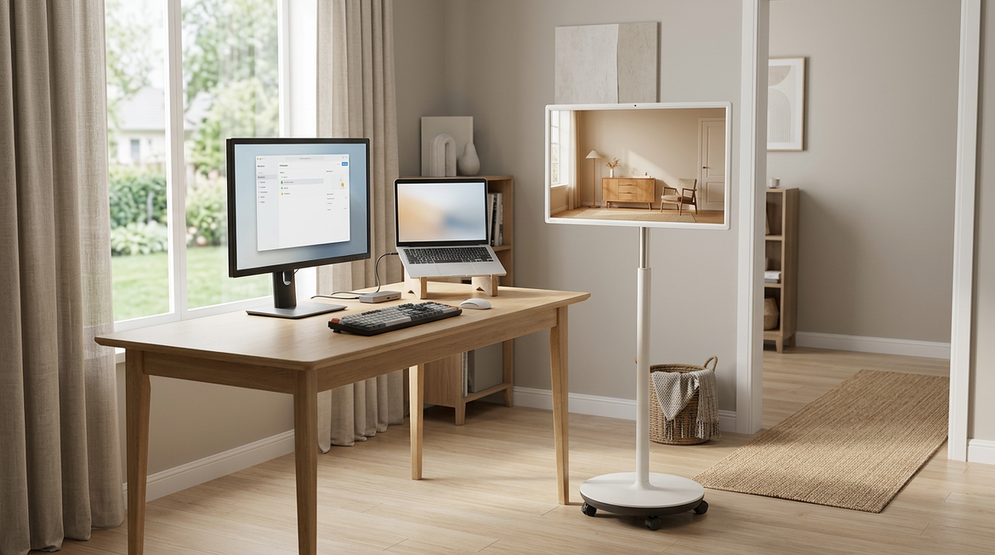
- Make sure the stand or VESA setup fits your desk height and posture.
- Confirm that your cable path supports the mode you want.
- Test black detail, gradients, and preview smoothness during the return window.
If you want a broader browse path before narrowing down, Above $200 Monitors is a reasonable shopping starting point. If you already know you want a 5K creator display, KTC’s H27P3 is the clearest 5K IPS fit in the current lineup.
Decision sentence: Buy the display that matches your most common session, not your rarest one; if a monitor only looks ideal on paper, it is not yet the right studio choice.
FAQs
Q1. How Does 5K Resolution Help Generative Video Editors?
5K gives you more workspace and finer detail visibility, which makes masks, text, and AI-upscaled artifacts easier to inspect. It does not improve the generator itself, but it can make review and correction faster because you see more of the frame and UI at once.
Q2. What Makes OLED Blacks Useful in a Studio Review Bay?
OLED helps separate near-black detail from true black, which is valuable in dark scenes, VFX plates, and masked regions. That makes it easier to judge whether detail is being preserved or crushed before final delivery.
Q3. Can High Refresh Rates Matter for Prompt-To-Video Previews?
Yes, but only when the rest of the path is stable. Smoother motion can make scrubbing and playback feel cleaner, yet a bad cable, unstable scaling path, or poor source settings can cancel most of the benefit.
Q4. What Should I Check Before Buying a 5K Creator Display?
Check native mode, color behavior, stand comfort, and the cable path before you buy. Then test gradients, black detail, and motion with the kind of footage you actually edit, because those are the problems that most often create regret.
Q5. How Do I Judge Whether HDR Is Good Enough for Generative Work?
Good HDR should keep highlights visible without turning dark scenes muddy or breaking gradients into visible bands. If skies, smoke, or fades look stepped, the HDR implementation is not helping your review process much.
Q6. What Should I Avoid If My Desk Uses Docks and Adapters?
Treat that setup as a compatibility check, not a default win. If the monitor only behaves well through a complicated signal path, a simpler display or a direct-cable workflow may be the better choice.
Q7. When Is 5K IPS a Better Choice Than OLED?
When you care more about long-session comfort, sharp UI text, and broad creative work than absolute black depth. In those setups, 5K IPS is often the more balanced and less fussy option.
Q8. Is a 4K Mini-LED Display Better for Mixed Use?
It often is if your room is bright or you want more HDR punch for mixed editing and occasional gaming. It is less persuasive if your main goal is absolute black level for dark-scene review.
Q9. Do I Need 5K for Generative Video Editing?
Not always. If your work is mostly offline review, text-heavy editing, or mixed creative tasks, a strong 4K or 5K IPS display can be enough. 5K becomes more compelling when artifact inspection and workspace density are part of the daily workflow.
Q10. What Is the Safest First Test Before Keeping a New Monitor?
Run your real footage through it during the return window. Check shadows, gradients, motion, and cable stability first, because those are the conditions that reveal whether the display actually fits the job.