For most monitor buyers, software filters are the stronger tool for reducing blue-heavy light at night, while monitor hardware modes are the easier tool to live with every day.
If you have ever finished a late gaming session on a bright ultrawide and then felt wide awake in bed, the problem is familiar even when your eyes do not feel obviously strained. Nighttime blue-rich light can shift melatonin timing, and the practical fixes built into monitors and operating systems do not all work equally well. This guide shows which option makes the most sense for gaming monitors, office displays, ultrawides, and portable monitors when sleep is the priority.
Why Night Display Settings Matter for Sleep
Blue light at night can disrupt melatonin timing and shift circadian rhythm, which is the main reason display settings matter more after dark than they do at noon. In the research summarized there, even relatively dim nighttime light can interfere with circadian signaling, and blue light exposure produced a larger melatonin effect than green light of similar brightness. For monitor users, that means the late-evening combination of a bright backlight plus a cool white point is more important than the marketing label on the box.
That matters directly in the monitor category because people often sit close to large screens for long sessions. In user reports from a platform, one poster described eye discomfort worsening after long computer days and said sleep became harder after extended monitor use. Forum anecdotes are not clinical proof, but they match the sleep science closely enough to be useful when you are deciding how aggressive your evening display setup needs to be.
Which Reduces Blue Light More: Software or Monitor Hardware?
Software filtering from the operating system works better for stronger blue-light reduction, while many monitor-side low blue light modes trade some effectiveness for convenience. The summary in that source says both methods lower blue output, but an operating system night mode was more effective and more customizable than built-in monitor modes across the tested displays. If your goal is sleep support first and image fidelity second, software usually gives you the deeper shift.
Measured examples from a real screen setup point the same way. On a monitor using a platform night mode, the measured blue-light ratio fell to 2.31%, but orange clip-on lenses dropped it further to 0.34%, and combining strong lenses with an aggressively red-shifted screen pushed remaining short-wavelength readings close to measurement noise. The practical takeaway is clear: software can move a monitor a long way toward sleep-friendlier output, but physical blocking can go further when you need a stricter evening setup.

What “hardware” really means on a monitor
Low blue light monitor modes usually work by reducing the blue channel, not by doing something fundamentally different from software. That includes presets such as Reading, Paper, Warm, a comfort preset, or another comfort preset, plus manual RGB adjustment on monitors that expose those controls. For a display buyer, that means the useful question is not “software or hardware in theory,” but “how far can this monitor’s controls go before the picture becomes unacceptable?”
Panel-level gaming certifications are positioned as always-on protection, and the sales pitch is that they reduce high-energy blue light while preserving better color performance than a visibly orange filter. That can be attractive on gaming monitors where owners care about color, contrast, and high refresh rates, but it is better treated as a comfort feature than a replacement for a true bedtime mode.
What Happens to Color, Brightness, and Gaming Use?
Both software and monitor filters warm the image and hurt color accuracy, so the right choice depends on what you are doing at night. If you are answering email, reading a guide, or browsing on a 34-inch ultrawide, a heavy software shift is usually acceptable. If you are editing photos, judging skin tones, or playing a game where color cues matter, monitor-side presets or a lighter manual RGB reduction may be the more usable compromise.
Monitor-side low blue light modes are generally consistent across apps and games, which is one reason many people tolerate their weaker reduction. A monitor preset keeps working when a game bypasses app-level settings, when HDR behaves differently, or when you switch inputs between a desktop and a console. That is especially useful on gaming monitors that spend part of the night in fullscreen titles and part in desktop use.
Does low blue light mode add lag?
Changing monitor RGB values or using built-in low blue light modes does not meaningfully add input lag, based on the forum discussion summarized here. The same thread says an operating system night mode is effectively doing the same kind of color adjustment, with any theoretical delay too small to observe in practice. For competitive players, that means the bigger tradeoff is not performance loss from the filter itself, but the fact that less blue-heavy light may leave you feeling less stimulated late at night.
That distinction matters on high-refresh-rate displays. If a 240 Hz gaming monitor feels “slower” after you switch to a warm picture mode, the likely cause is not electronics but your own alertness and visual preference changing with the warmer image. For most buyers, the sleep decision is therefore about comfort and habit, not latency.
Which Option Works Better in Real Setups With Multiple Monitors?
Software tools are easier to schedule across multiple connected displays, which is a major advantage for dual-monitor desks, stacked ultrawides, or a desktop plus portable side screen. A single operating-system setting can shift every connected display after sunset, and that is hard to match if each monitor needs separate on-screen menu changes. For people who work late and want the change to happen automatically, software wins on daily friction.

An operating system lets you identify and manage each connected display individually, which matters when one screen needs different brightness or placement. In practice, the simplest sleep-friendly arrangement is often a dimmer secondary screen for chat or documents and a main monitor with the strongest acceptable night filter. On large desks, that beats trying to keep every screen equally bright and equally cool after dark.
When utility software makes the setup easier
A utility app adds monitor fading, triggers, and layout controls, which can help when the problem is not only blue light but also excess brightness and unused glowing panels. Its monitor fading tools can dim inactive screens, and trigger-based automation can change behavior on events like idle time or desktop unlock. That is not a blue-light solution by itself, but for a three-monitor workstation it can remove one of the biggest sleep disruptors: the bright secondary displays you forgot were still blazing at 11:30 PM.

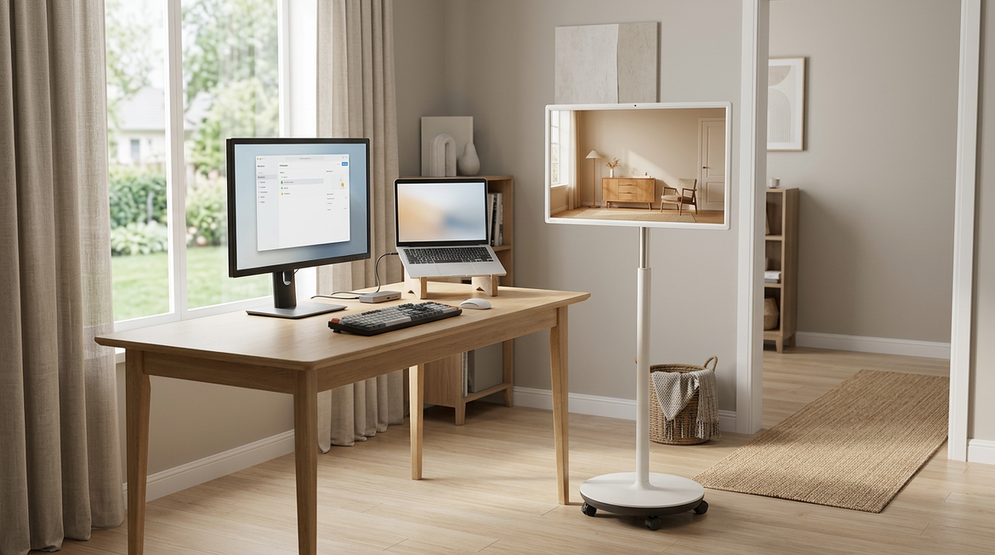
Portable monitors deserve separate mention because they are often used in changing environments. A user report about the a brand portable monitor highlighted its ambient light sensor and automatic adjustment, which is useful in daylight but not enough on its own for bedtime use. A portable monitor that can get very dim is usually more valuable for sleep than one that only advertises a low blue label.
What Should You Buy if Sleep Is Part of the Goal?
Modern monitor low blue light modes plus lower brightness can remove a large amount of blue light, so a separate screen-mounted filter is usually not the first thing to buy. Start with monitors that offer flexible picture presets, manual RGB control, and enough brightness range to get genuinely dim at night. A model such as the a brand 27-inch 4K IPS 60Hz low blue light home and office monitor fits that built-in low blue light approach, but software filters are still usually the stronger nighttime adjustment when sleep is the main goal. Those basics matter more than a flashy label on the bezel.
4,image_mode:: Prioritizing Built-in Monitor Controls for Sleep Health
Gaming-focused low blue light certifications are best understood as convenience features, not a guarantee that the monitor alone will protect sleep during long late sessions. They are useful if you want a cleaner-looking image in everyday use, but they do not remove the need for an evening routine. If you routinely use a gaming monitor within 2 to 3 hours of bed, software scheduling still deserves priority because it can push the white point much further when needed.
Best-fit choices by monitor category
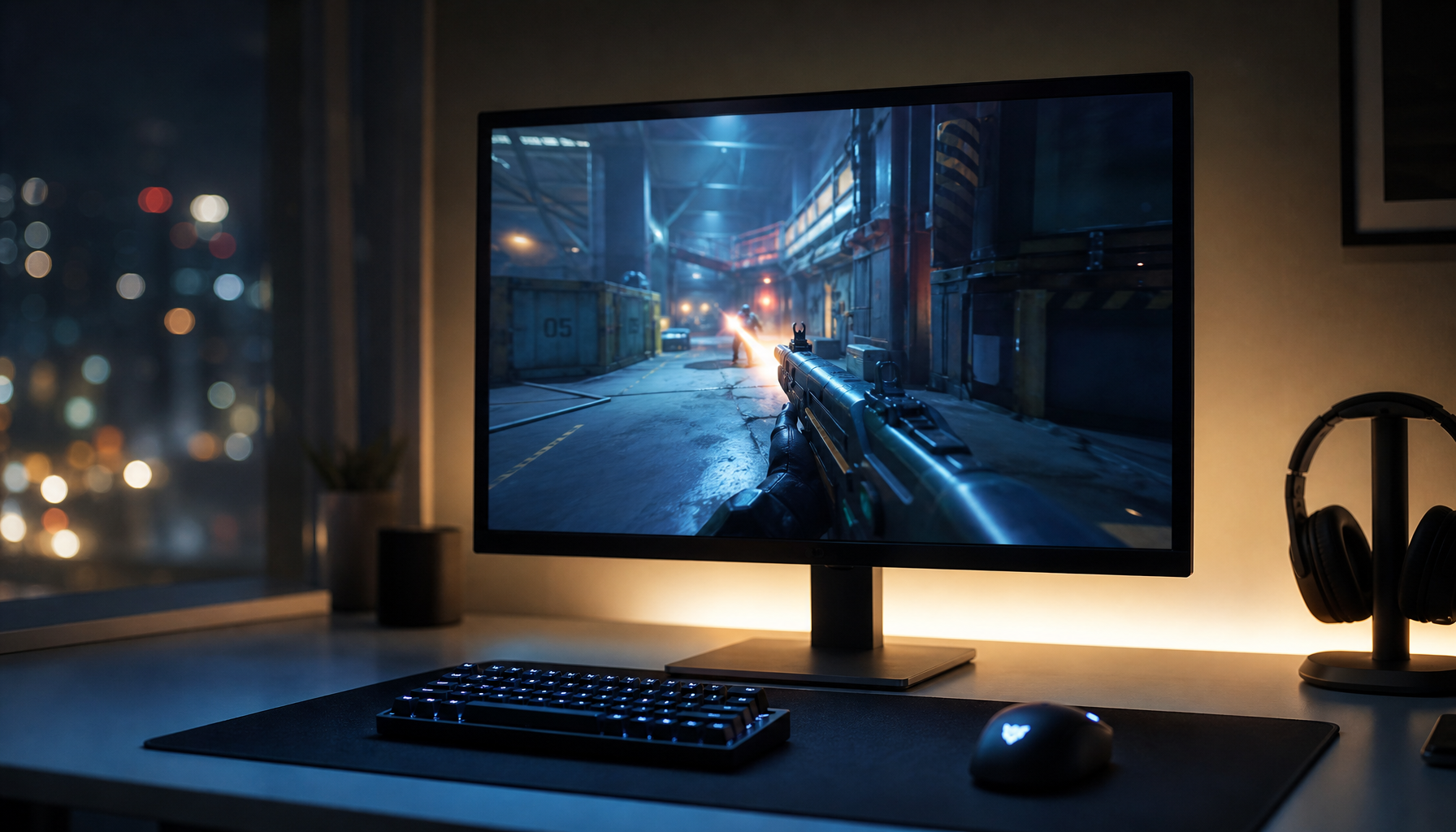
A gaming monitor buyer should prioritize these features: a usable warm preset, manual color controls, low minimum brightness, and an easy way to switch profiles. On a high-refresh model, that gives you a daytime profile for accurate play and a night profile for streaming, chat, or lower-stakes games.
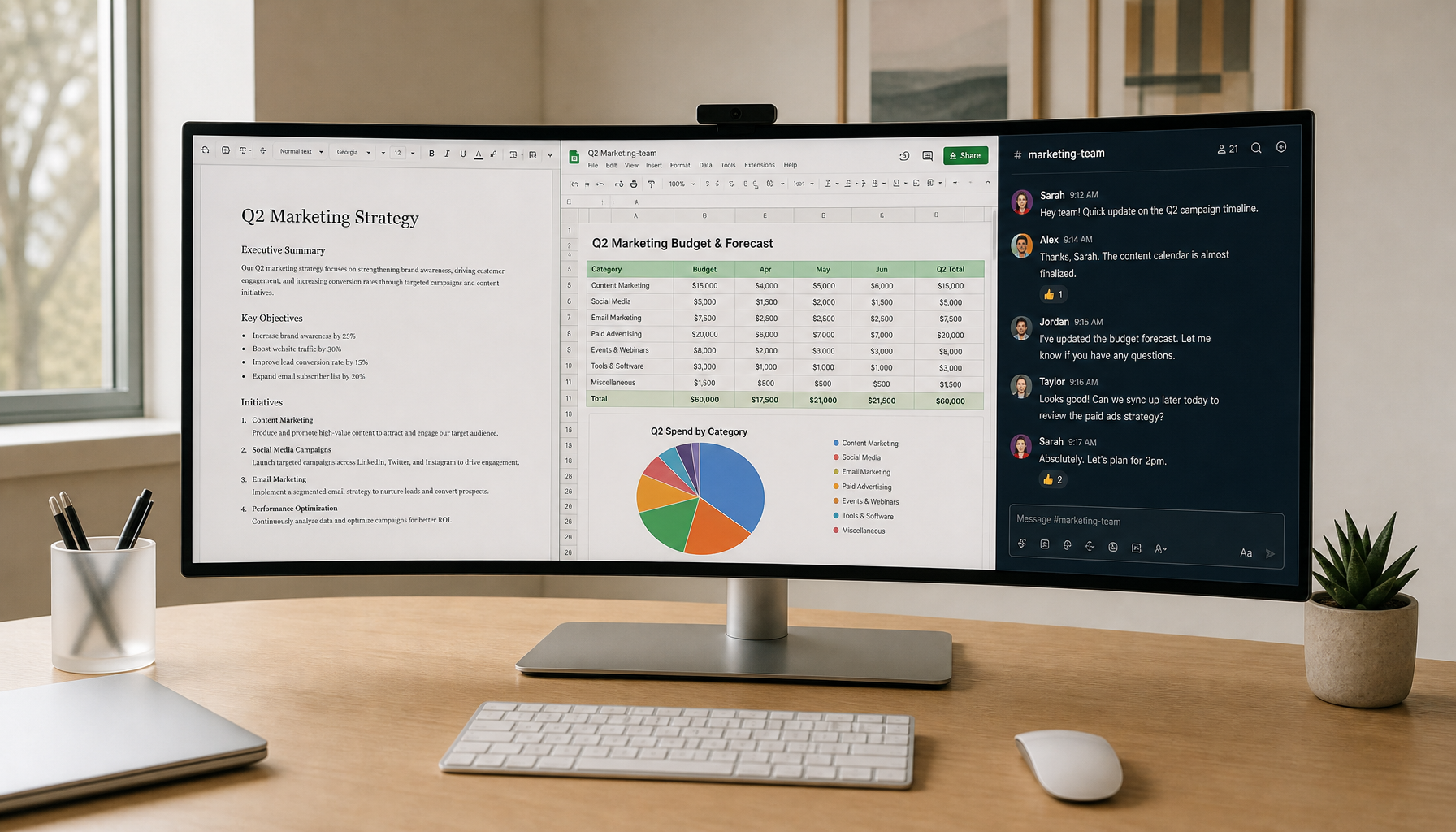
An ultrawide or office-monitor buyer should prioritize automation and multi-monitor consistency. A portable-monitor buyer should care most about low minimum brightness and simple OS-level control, because portable displays often get used in hotels, shared spaces, or late-night travel setups where ambient light changes quickly.
Comparison Table
Option |
Sleep-focused blue reduction |
Color accuracy impact |
Ease of daily use |
Multi-monitor fit |
Gaming fit |
Best for |
OS software filter |
Strongest in most normal setups |
High impact when set warm |
Excellent with scheduling |
Excellent |
Good, but color shifts are obvious |
Night work, browsing, reading |
Monitor low blue preset |
Moderate to strong, varies by model |
Moderate |
Very easy once configured |
Fair if each monitor needs separate setup |
Very good for fullscreen use |
Mixed gaming and desktop use |
Manual monitor RGB reduction |
Moderate to strong if controls are flexible |
Moderate to high |
Fair |
Fair |
Very good |
Buyers who want a custom compromise |
Blue-blocking glasses |
Strong when the lenses are aggressive |
Low impact on screen settings themselves |
Good if you will actually wear them |
Excellent |
Good for any display |
Strict sleep protection |
Screen-mounted filter |
Usually not first choice for modern monitors |
Lower image clarity risk depends on product |
Fair |
Per-screen |
Fair |
Edge cases where other controls are limited |
FAQ
Q: Do software blue light filters help sleep more than a monitor’s built-in low blue light mode?
A: Usually yes. The strongest evidence in these notes points to software producing a deeper reduction, while monitor presets are more convenient and often more acceptable visually.
Q: Will a low blue light mode hurt performance on a gaming monitor?
A: It is unlikely to add meaningful input lag. The bigger downside is warmer color and reduced visual punch, which can matter more than latency in actual use.
Q: Should I buy blue-light glasses instead of relying on my monitor settings?
A: If sleep is the main goal and you still need screen time near bed, strong blue-blocking glasses can be more effective than screen changes alone. They are most useful when you cannot avoid late-night display use.
Practical Next Steps
A sleep-friendlier monitor setup usually starts with software, then uses monitor hardware to make that software easier to live with.
- Set your operating system’s night mode to turn on automatically 2 to 3 hours before bed.
- Lower monitor brightness aggressively at night, especially on large gaming and ultrawide displays.
- Save a dedicated night profile on the monitor with a warm preset or reduced blue channel.
- Test fullscreen games and streaming apps to confirm the filter still behaves the way you expect.
- If you use two or more displays, dim or fade the secondary screens first.
- If you still struggle with sleep after late monitor use, add strong blue-blocking glasses rather than buying a screen filter first.
References
- A forum thread on lowering monitor brightness at night
- A company support page on using multiple monitors in an operating system
- A utility app product page
- A forum discussion on monitor blue light and sleep
- A gaming display certification page
- A measurement article about blue blockers and night light filters
- A forum discussion of low blue light modes
- A forum discussion of low blue light mode and lag
- A discussion of a brand portable monitor
- A review of blue light, circadian rhythm, and sleep
- A summary citing monitor blue light testing