A 32-inch 4K touch monitor can serve as a versatile hybrid hub that bridges the gap between passive television viewing and interactive smart device use, particularly for users who value mobility, touch control, and multitasking in smaller living spaces. Traditional Smart TVs excel at large-scale, lean-back entertainment from a distance, but they often fall short when you need to actively search, control smart home devices, or move the screen between rooms. This setup suits apartment dwellers, families who multitask while streaming, and tech-forward households seeking one device for entertainment, light productivity, and home management—provided you accept its limitations around broadcast TV reception and speaker power.

Beyond Passive Viewing: The 32-Inch 4K Touch Monitor as a Hybrid Hub
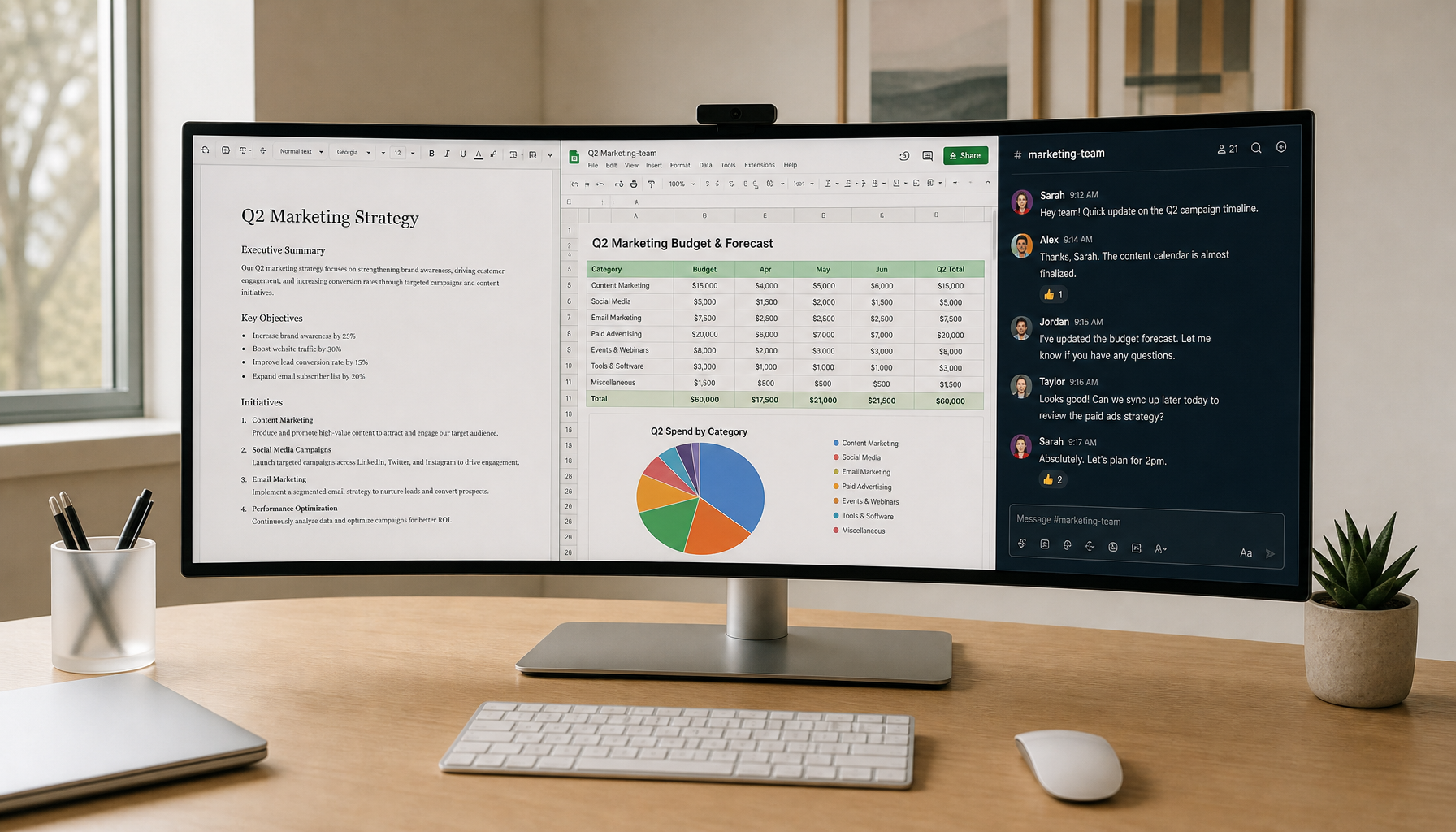
The core appeal of a 32 inch 4K touch monitor lies in closing the "interaction gap" that exists with most Smart TVs. While TVs rely on remote navigation and simplified interfaces, a touch-enabled Android monitor lets you tap, swipe, and type directly on the screen. This lean-forward approach feels more natural for active tasks like searching for content or adjusting settings.
Google EDLA certification plays a key role here. It ensures the device has native, secure access to the full Google Play Store and optimized apps, rather than the more restricted app selection often found on TV platforms. This certification helps deliver desktop-like multitasking features on large screens, including taskbars and split-screen modes that let you stream video while checking a recipe or smart home dashboard.
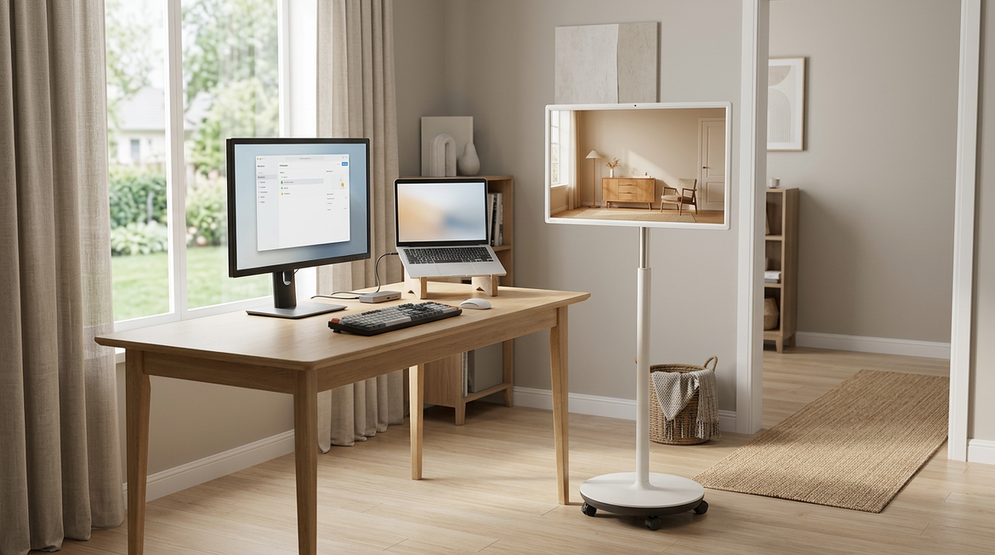
The result is a portable smart screen for home that functions as more than just a display. It becomes a central command center you can reposition easily, whether you want to follow along with a workout video in the living room or browse social media vertically on a kitchen counter. Models like the KTC MEGAPAD 32" 4K Android 13 Google EDLA Smart Touch Monitor with 9500mAh Battery exemplify this category, combining high-resolution visuals with built-in battery power for cable-free flexibility.
As explained in the Android Large Screen Development Guidelines, these optimizations make large-format Android devices far more productive than traditional TV operating systems for interactive use.
Smart TV vs. Smart Touch Monitor: Navigating the Technical Trade-offs
Choosing between a traditional Smart TV and a 32 inch 4K touch monitor depends on your primary needs. A Smart TV generally offers larger screen sizes and built-in tuners for over-the-air broadcasts, making it better for passive family viewing from across the room. In contrast, the touch monitor prioritizes portability, touch interaction, and pixel density suited for closer use.
A key consideration is pixel density, or PPI. A 32-inch 4K panel delivers sharper text and finer details at arm's length compared to many budget 43-inch 1080p or lower-density TVs. This advantage becomes noticeable for touch tasks like reading recipes or managing calendars. However, the monitor typically lacks an ATSC tuner, so it cannot receive broadcast TV signals without additional hardware such as a streaming stick or external tuner.
Audio represents another trade-off. Smart monitors often have lower-wattage speakers than dedicated TVs, which may sound thin for movie nights in larger rooms. Many users pair them with Bluetooth speakers or soundbars to compensate. Battery life also varies: the built-in battery typically supports 4 to 11 hours depending on activity, though 4K streaming will likely yield closer to 4-6 hours in real-world use.
This comparison clarifies when the hybrid approach wins. For viewing distances under about 6-8 feet with frequent interaction, the 32-inch 4K touch monitor often provides a better experience than a larger but less responsive TV.
Real-World Scenarios: From Kitchen Command Center to Bedroom Streaming
The portability and touch interface of a 32 inch 4K touch monitor open up practical uses that static TVs struggle to match. In the kitchen, it can function as a command center for displaying recipes, setting timers, and controlling smart home devices. Touch input makes it far quicker to navigate cooking apps than using a remote.
Using the Matter standard for smart home integration, these monitors can serve as a universal controller for lights, thermostats, and other connected devices across different brands. This turns the screen into a central hub rather than just a media player.
In the bedroom, the compact size and battery allow it to move easily from a nightstand for evening streaming to a desk for morning planning. Its pivot support also makes it ideal for vertical content like TikTok or YouTube Shorts, which many larger TVs display awkwardly.
For fitness enthusiasts, the monitor's mobility lets you position it optimally in a home gym for interactive workout apps. These scenarios highlight how a mobile smart display for kitchen or other rooms adds utility beyond traditional entertainment.
As outlined by the Matter standard, such devices can effectively act as central points for connected home ecosystems.
Setup and Integration: Streaming, Connectivity, and the Power of Google EDLA
Getting the most from a 32-inch 4K touch monitor as a smart TV alternative requires attention to software certification and connectivity. To stream premium content from Netflix, Disney+, or Prime Video in true 4K, the device must support Widevine L1 hardware-level encryption. Without it, playback is often limited to lower resolutions regardless of the screen's capabilities.
Android 13 or 14 with large-screen optimizations provides helpful features like a taskbar and improved split-screen functionality. These make multitasking smoother than on many TV platforms. Connectivity options include USB-C for single-cable video and power delivery, plus Wi-Fi 6 for stable streaming.
The built-in battery, typically around 8500-9500mAh, supports wireless use for several hours, helping maintain a clean, cable-free look in living areas. However, expect shorter runtime during intensive 4K streaming.
If 4K streaming is the priority, ensure your internet connection and app settings support UHD playback alongside the hardware certification.
This setup also aligns well with USB-C workflows for occasional productivity tasks. For more on optimizing portable setups, see our guide on How a USB-C Monitor Can Streamline Your Workspace.
Is the Hybrid Hub Right for You? Final Buying Checklist
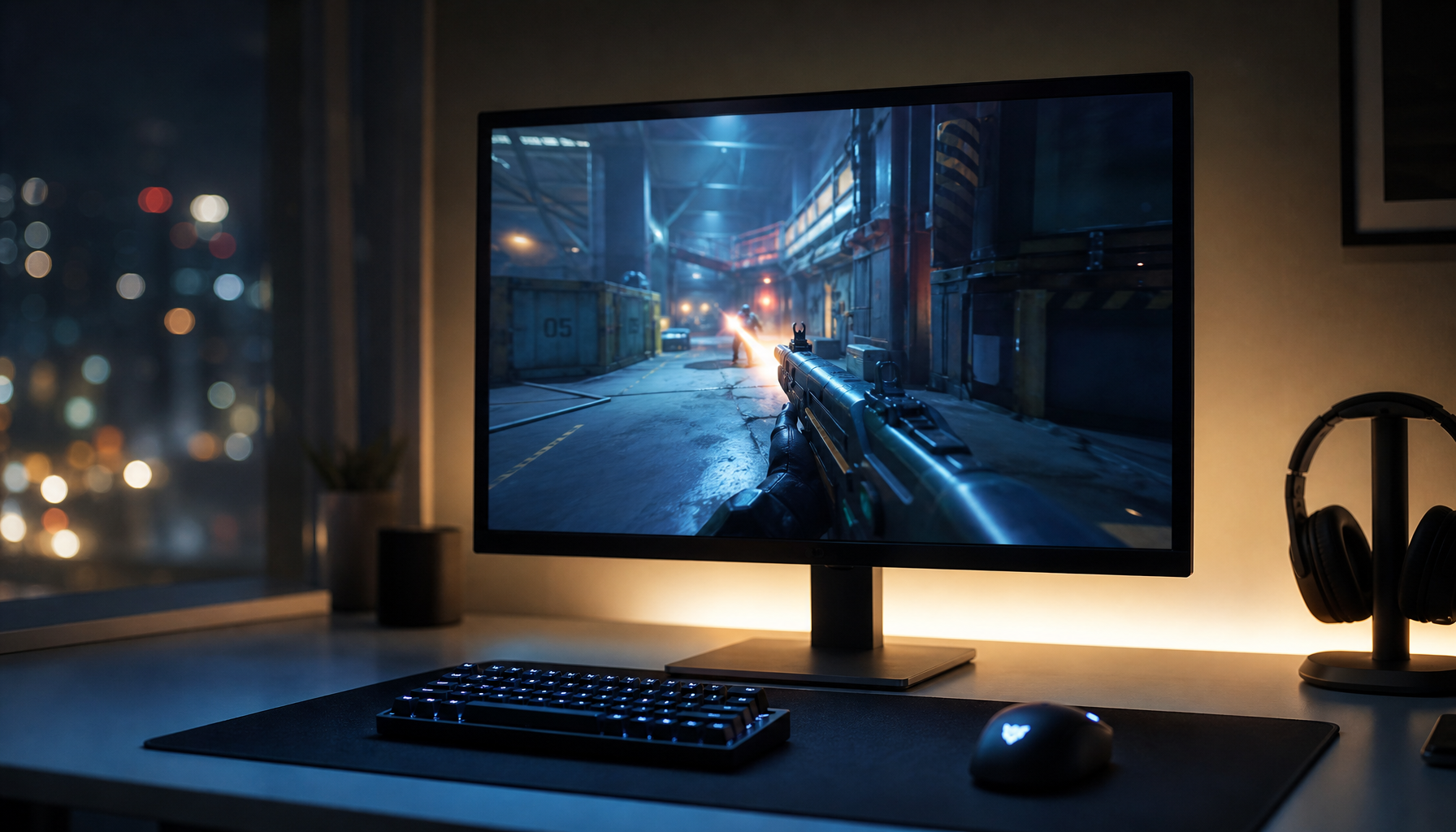
A 32 inch 4K touch monitor makes an excellent hybrid hub for tech-forward homeowners, apartment residents, and families who want one flexible screen for streaming, gaming, and smart home control. It particularly suits users who stay within a few feet of the display and value touch interaction over maximum screen size.
Consider other options if you primarily watch from long distances, rely on antenna TV for local channels, or need powerful built-in audio for large group viewing. In those cases, a traditional Smart TV or larger dedicated display may be more suitable.
When evaluating models, compare battery capacity, Android version, and EDLA certification. Check current options in the Smart Monitor or Mobile Touch Screen collections to match your needs.
Additional useful reading includes 5 Essential Specs to Check Before Buying a Portable Touch Screen Monitor and One Screen for the Whole House: Why MEGAPAD Is the Perfect Christmas Gift.
Frequently Asked Questions
Can a 32-inch 4K touch monitor fully replace a Smart TV for all family viewing? No. It works well for smaller groups and closer viewing but lacks broadcast tuners and typically has weaker speakers than dedicated TVs. It is best viewed as a complementary or alternative device for interactive use rather than a one-to-one swap for large living room setups.
How long does the battery last when streaming 4K content? Real-world battery life for 4K streaming usually ranges from 4 to 6 hours, depending on brightness and app usage. Manufacturer claims of up to 11 hours generally apply to lighter tasks like web browsing or lower-resolution video.
Does it support all the same streaming apps as a Smart TV? With Google EDLA certification and Widevine L1, it supports major platforms like Netflix and Prime Video in high quality. Access to the full Play Store often provides more complete app versions than TV-optimized versions, though some apps may require landscape optimization checks.
Is touch input practical for kitchen use with messy hands? Touch works well for quick taps on recipes or controls, but fingerprint smudges are common. Keep a microfiber cloth handy, and consider models with oleophobic coatings. Many users find the convenience outweighs the minor maintenance.
What connectivity is needed for the best experience? Stable Wi-Fi 6 is recommended for smooth 4K streaming. USB-C ports enable single-cable connections to laptops or power sources. Bluetooth support helps pair external speakers or headphones when built-in audio is insufficient.
How does the pixel density compare to a larger budget TV? The 32-inch 4K resolution provides noticeably sharper text and images at close range than many 43-inch 1080p TVs. This makes it preferable for touch-based tasks and reading from 2-5 feet away.