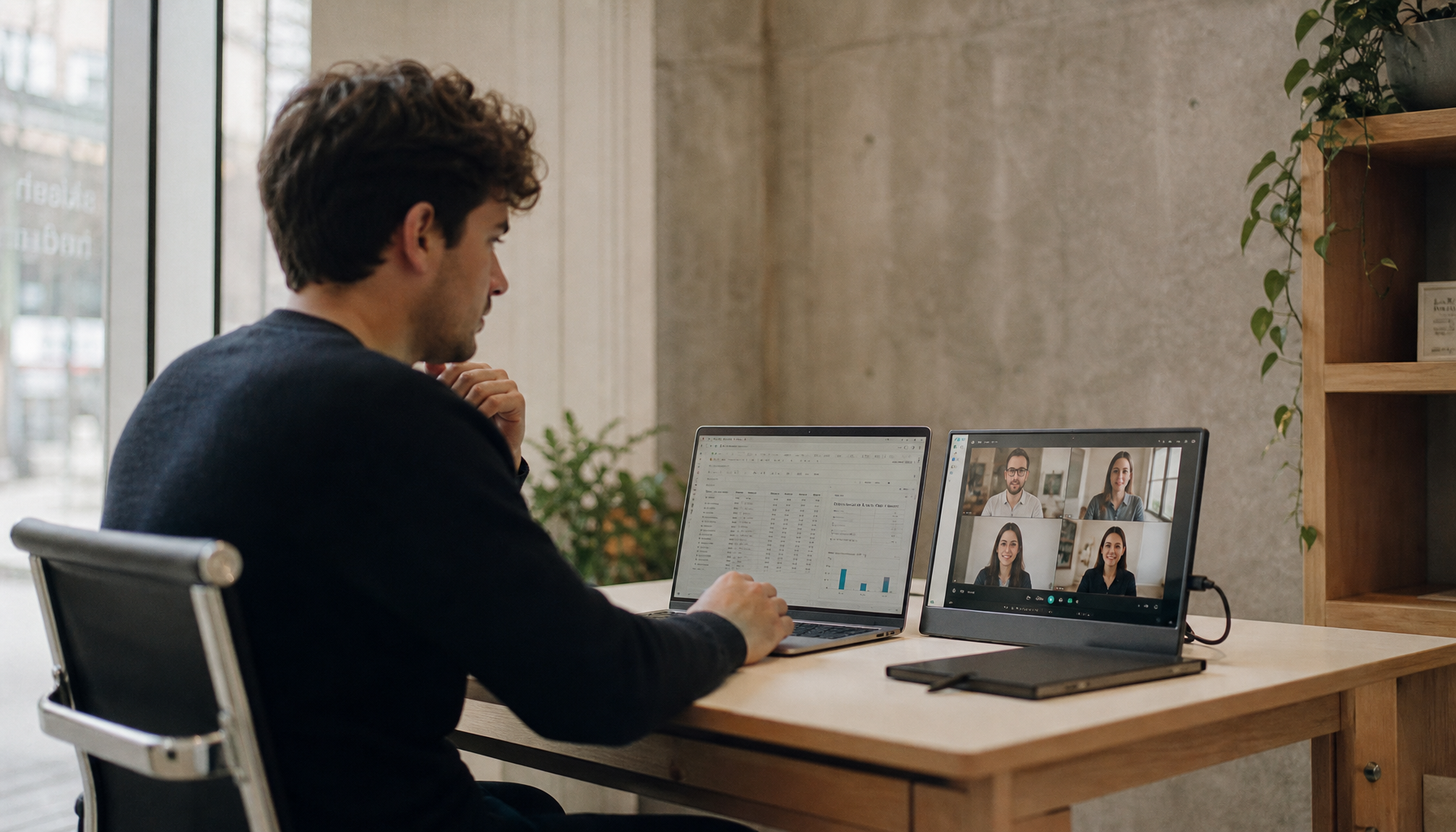
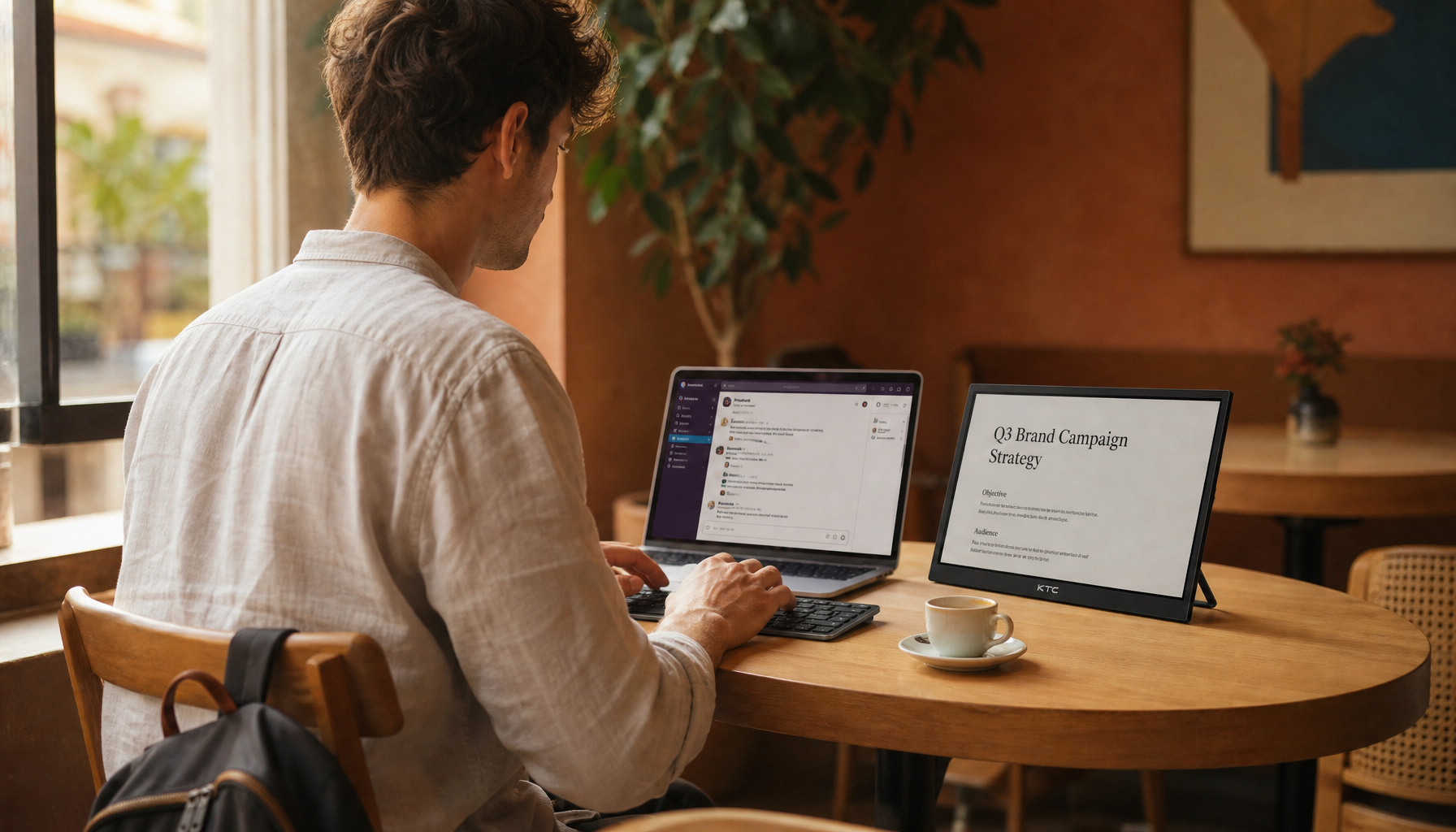
If your monitor is too close, moving it back to about arm’s length often reduces eye strain, dryness, and neck tension that contribute to screen-related headaches.
Does your head start tightening up halfway through a ranked match or a spreadsheet-heavy afternoon, even though the screen looked fine when you sat down? In many setups, a small move backward reduces squinting, leaning, and constant refocusing, and break reminders have eased symptoms in as little as two weeks. Here is a practical way to adjust distance, height, lighting, and text size so your screen stays sharp without overworking your eyes.
Why monitor distance can trigger headaches
The term computer vision syndrome covers the cluster of symptoms that often show up after long screen sessions, including eyestrain, headaches, blurred vision, dry eyes, and neck or shoulder pain. That matters because a monitor-related headache is rarely caused by the screen alone; it is usually the result of strain on your eyes, posture, and focusing system.
A drop in blinking during screen use is one of the fastest ways a too-close screen can leave your whole face feeling fatigued. When you stare intensely at text, HUD elements, or tiny browser tabs, your eyes dry out faster, your tear film becomes less stable, and discomfort can spread into forehead pain or pressure around the eyes.
At a real desk, monitor placement is the foundation of visual comfort because distance changes both what your eyes have to do and what your neck has to do. If the screen is too close, you tend to lean in, turn your head more to see the edges, and tense your shoulders without noticing. That is why headaches often improve with a simple fix: move the monitor back, reduce visual effort, and let your body stop bracing.
How far is far enough?
The most reliable starting point is about arm’s length from the screen, which usually means about 20 to 28 inches for many desktop users. That range is far enough to reduce excessive near-focus stress but still close enough to read comfortably without hunching.

Monitor size |
Good starting distance |
24-inch display |
20 to 28 inches |
27-inch display |
24 to 32 inches |
Large ultrawide |
Often about 28 to 31 inches, then adjusted for readability |
The reason screen size affects ideal distance is simple: a larger panel fills more of your visual field, so sitting slightly farther back can help you see the full display without scanning with your head. That is also why different sources give slightly different ranges. They are usually accounting for different monitor sizes, text scaling, and visual needs rather than truly disagreeing.
On a 27-inch screen, for example, a common mistake is sitting 18 inches away because the app text feels tiny. A better approach is to sit closer to 25 or 26 inches, increase scaling to 125% if needed, and keep the full screen readable without creeping toward it.
The setup change that usually works fastest
Move the monitor back, then make the content bigger
The guidance on font sizes large enough to read comfortably matters more than many people expect. If moving the monitor back makes you squint, the answer usually is not to pull the screen forward again. It is to increase operating system scaling, app zoom, or in-game UI size. That preserves the ergonomic benefit of more distance while keeping the image easy to process.

This matters especially on high-resolution productivity monitors and modern gaming displays. Sharp screens tempt people to use very small text because it looks crisp, but crisp is not the same as effortless. Comfortable readability supports longer work sessions and steadier focus far better than tiny text.
Lower it a little and let your eyes look down
A slightly downward gaze usually works better than a straight-ahead or chin-up position during long sessions. In practice, that means the top of the screen should sit at or just below eye level, with the center of the display a bit lower so your eyes naturally rest downward instead of straining upward.
That small angle matters because it often reduces neck tension and can also help with dryness by exposing a little less of the eye surface. If your setup makes you lift your chin to see the top menu bar or game HUD, the monitor is probably too high even if the distance is technically correct.
Fix glare before blaming the panel
Many screen-related headaches are really caused by glare, contrast, flicker, or poor lighting balance. If the room is dark and the screen is blazing, or if a window reflection sits across the center of the panel, your eyes keep adapting all session long.
A better approach is to match screen brightness to the room, place bright windows to the side rather than directly in front of or behind the screen, and use soft ambient light instead of a very dark setup. For gaming and late-evening work, subtle bias lighting behind the monitor often makes a bigger difference than accessories that do not address the real source of strain.

Use breaks that interrupt the strain cycle
A small study found that 20-20-20 reminders reduced symptoms in symptomatic screen users after two weeks, which makes the habit worth taking seriously. The important nuance is that symptom relief did not last once the reminders stopped, and the short intervention did not meaningfully change most objective eye-surface signs.
That makes the lesson straightforward: breaks work best as an ongoing system, not a one-week experiment. Looking 20 feet away for 20 seconds every 20 minutes will not make a bad setup good, but it can keep a decent setup from turning into a headache by late afternoon.
The upside and the trade-off of sitting farther back
The warning signs of sitting too close include headaches, dry or irritated eyes, blurred vision, neck pain, and difficulty refocusing after screen use. Moving farther back can ease all of those when the original problem is excessive closeness, especially on larger monitors where edge-to-edge viewing becomes easier from a bit more distance.
The trade-off is that a screen that is too far away may cause squinting and forward-leaning posture. For gaming, that can show up as missed minimap details, HUD fatigue, or the urge to crane forward during inventory management. For office work, it often appears when someone leans toward dense spreadsheets or email. The sweet spot is the farthest distance where text stays easy to read without leaning forward.
That is why sitting farther away is good advice, but only half the fix. The full solution is to move back until your eyes relax, then enlarge what needs enlarging so clarity returns without giving up comfort.
When distance alone will not solve it
Uncorrected vision problems are easy to underestimate. Mild farsightedness, astigmatism, focusing trouble, or age-related near-vision changes can make a decent monitor setup feel harsh. If your distance looks right on paper but you still feel strain, your eyes may be working harder than they should just to keep the screen clear.
Contact lens users may be more prone to ongoing dry eye during long digital sessions, and that dryness can absolutely trigger headaches. In those cases, blinking more deliberately, using lubricating drops if appropriate, taking breaks from lenses, and improving room humidity may help more than moving the monitor another inch.
Persistent symptoms deserve a regular comprehensive eye exam, especially if headaches keep returning after you improve distance, height, glare, and break habits. A monitor can trigger symptoms, but it is not always the root cause.
A display should draw you into the work or the game, not into pain. If your current setup feels sharp but punishing, move the monitor back, scale the content up, lower the panel slightly, and improve the lighting. That reset often turns screen time from draining to sustainable.