Wireless display mirroring feels delayed because every frame must be captured, compressed, transmitted over Wi-Fi, decoded, and shown on the screen. For gaming and video editing, that extra pipeline can turn a responsive monitor into a noticeably sluggish workspace.
The Wireless Path Adds More Steps Than HDMI
A wired monitor connection sends the video signal directly from your GPU to the display. Wireless mirroring has to duplicate the screen, encode the image, send it through a wireless link, and decode it on the receiver before the image appears.

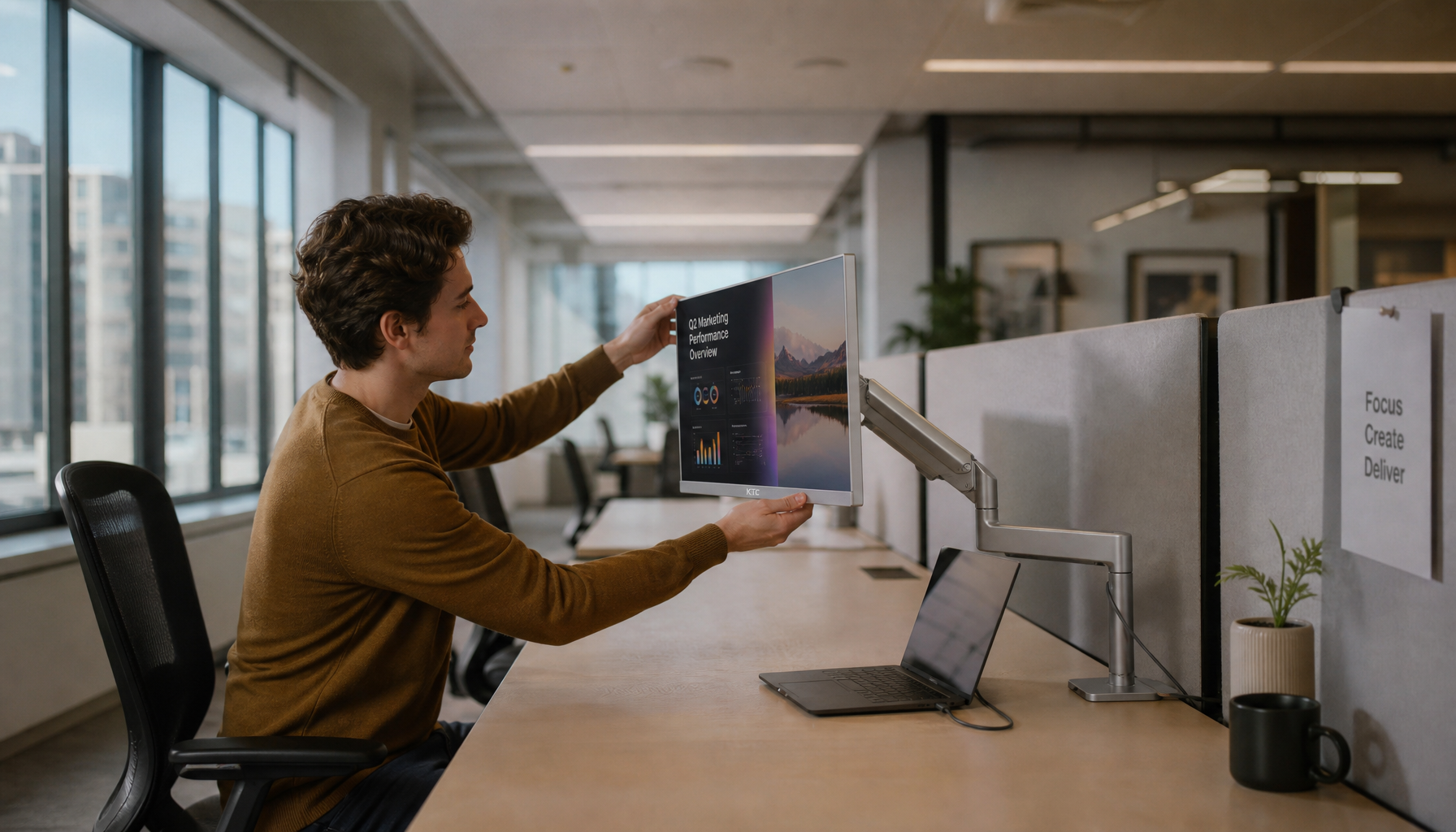
That process is useful for presentations, living-room sharing, and quick collaboration. Many systems support projection to compatible displays through a built-in wireless display workflow.
The issue is timing. A 60 Hz display refreshes every 16.7 ms, while a 144 Hz gaming monitor refreshes every 6.9 ms. If wireless mirroring adds even 50 to 100 ms, the delay spans multiple frames before your action appears.
Gaming Exposes Latency Immediately
Fast games punish delay because input, animation, and aim feedback must stay tightly synchronized. A controller click or mouse movement that appears late changes how the game feels, even if the picture still looks sharp.

Gaming discussions often frame about 100 ms as tolerable for passive viewing but poor for action-heavy play. For competitive gaming, that delay can feel disconnected from the hardware. This is why gaming monitors emphasize low input lag, high refresh rate, and fast pixel response instead of cable-free convenience.
Resolution makes the challenge harder. Moving from 1440p to 4K means pushing about 2.25 times as many pixels, so wireless mirroring has more image data to compress and send. That extra load matters when you want smooth motion and instant response, especially because 4K detail also increases GPU workload.
Video Editing Needs Frame-Accurate Feedback
Video editing is less twitchy than esports, but it is still sensitive to timing. Scrubbing a timeline, trimming a cut, checking lip sync, or judging motion blur depends on seeing the correct frame when you make the adjustment.

Wireless mirroring can also reduce confidence in color and detail. Compression may hide artifacts, soften fine textures, or make playback stutter during dense scenes. That is the opposite of what editors want from a productivity display built for review work.
For office presentations, a short delay is usually acceptable. For timeline work, the same delay can make the interface feel imprecise and make playback review less trustworthy.
Wi-Fi Conditions Can Make Lag Worse
Wireless display performance changes with the room, router, adapter, and nearby traffic. A setup that feels acceptable one day can lag the next when the network is crowded or the receiver is farther away.
Common causes include 2.4 GHz congestion from nearby devices, weak signal through walls or furniture, underpowered display adapters drawing power from a TV USB port, older adapters with limited bandwidth, and driver, firmware, or receiver compatibility issues.

Some adapter makers recommend 5 GHz Wi-Fi, closer placement, and stable external power to reduce adapter lag. Those fixes can help, but they do not remove the encode-send-decode delay built into mirroring.
When Wireless Is Fine, and When to Go Wired
Wireless mirroring is a good fit for slides, browser sharing, casual video, and meeting-room collaboration. It keeps the desk clean and makes it easy to move between devices, especially when choosing hardware around platform compatibility for wireless presentations.
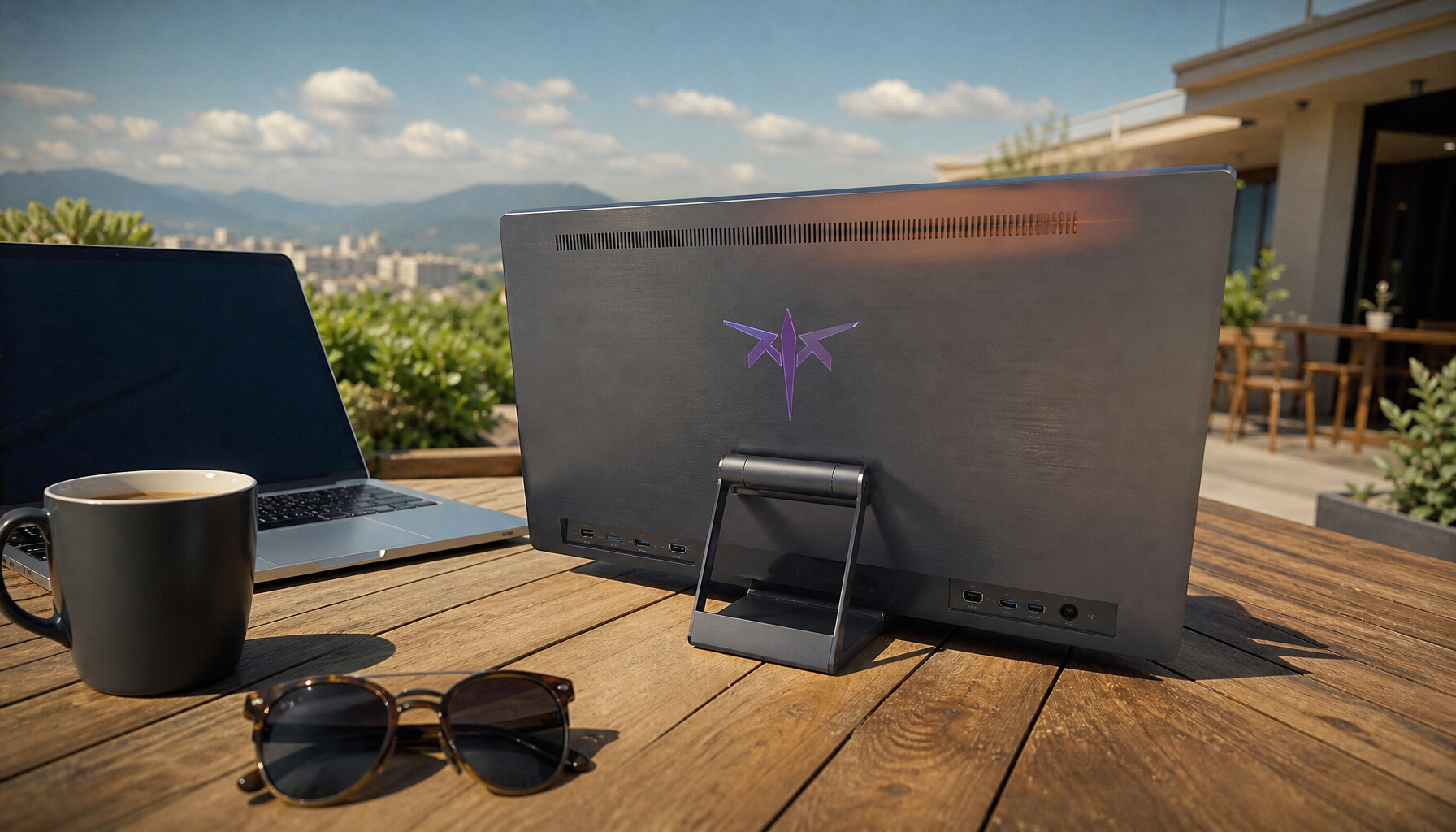
For serious gaming, editing, color review, or high-refresh 4K use, HDMI, DisplayPort, or USB-C DisplayPort Alt Mode remains the performance-first choice. A cable preserves the monitor’s real strengths: low latency, clean signal quality, full resolution, and predictable refresh behavior.
Low-latency wireless systems can improve the experience, but standard screen mirroring is still built for convenience first, not frame-critical performance.