Frequent unplugging usually does not harm the monitor itself, but it can shorten cable life by wearing the connector, loosening the port fit, and stressing the cable where it bends near the plug.
If you disconnect a gaming monitor every night, swap a portable monitor between devices, or keep reseating a flaky display cable on a high-refresh display, the risk is not abstract. The wear shows up first as looseness, flicker, and random black screens long before a cable looks obviously broken. You will see what actually wears out, which cable types are most sensitive, and how to reduce failures without sacrificing display performance.
What Frequent Reconnecting Actually Wears Out
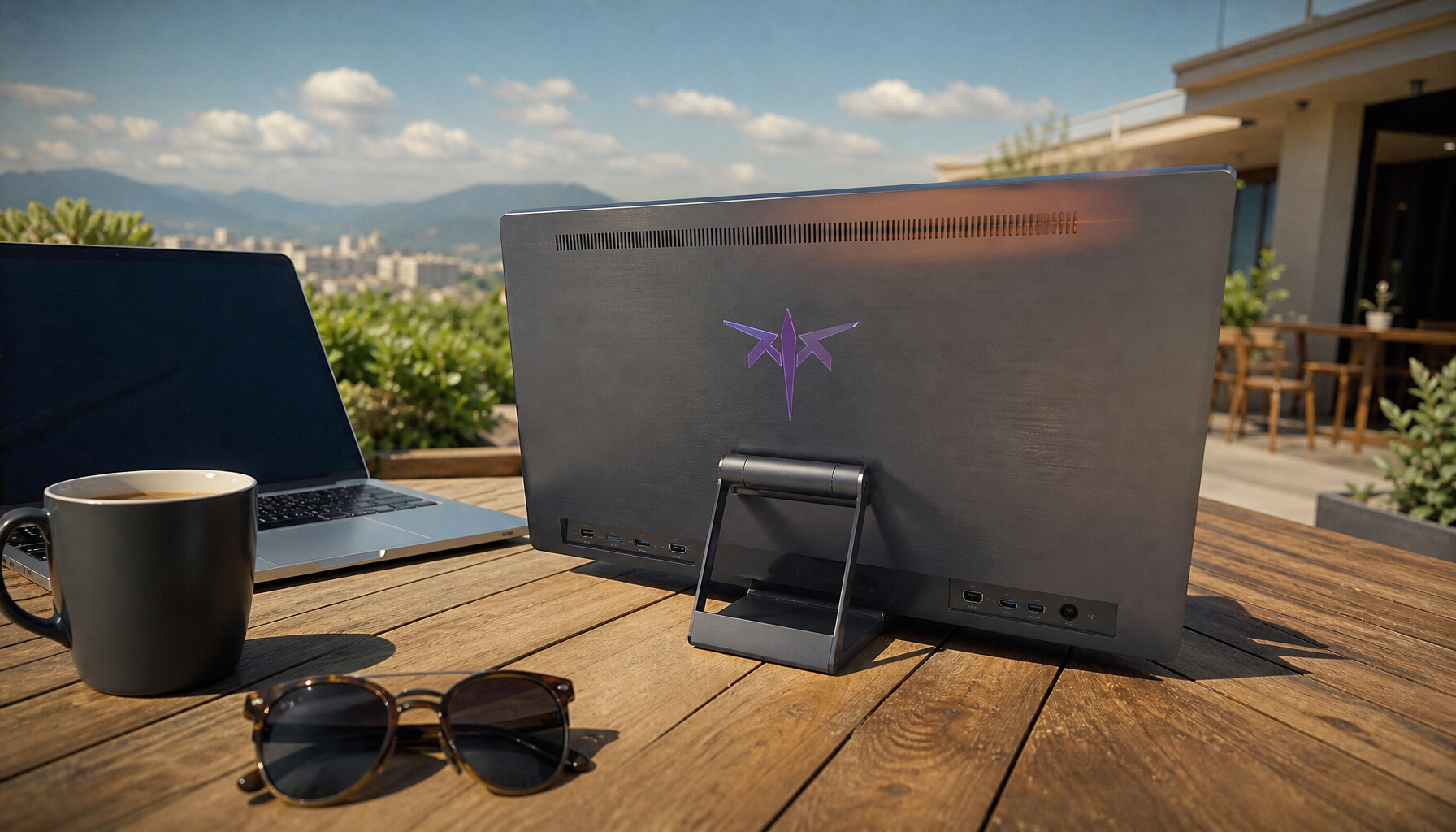
Repeated plug and unplug cycles may wear the plug and monitor-side socket over time. That matters most on monitors because the connector is doing two jobs at once: keeping a stable physical fit and carrying a clean signal path for power, video, or both. In practice, the first symptoms are usually a cable that feels easier to wiggle loose, a monitor that only reconnects after reseating, or a display that cuts out when the desk moves.
Acute bending near where a cord exits equipment can damage internal conductors and shorten cable life. That strain point is often more vulnerable than the visible middle of the cable, especially on ultrawide monitors pushed close to a wall or on monitor arms that force a tight turn right behind the panel. Once that bend is repeatedly exceeded, cracked insulation, broken conductors, and higher resistance become more likely.

Bad video cable connections are common when the cable is plugged and unplugged regularly. For monitor owners, that means “cable longevity” is really a mix of contact wear, strain-relief wear, and gradual damage from twisting, side-loading, or pulling on the cord instead of the plug body.
Why High-Refresh and Gaming Setups Notice Wear Faster
Frequent reconnection is more likely to show up as signal dropouts when the cable or connection is compromised. A basic office display at 1080p may appear fine with a marginal cable, while a 1440p or 4K gaming monitor running 120Hz, 144Hz, or 240Hz is less forgiving. Higher bandwidth leaves less room for a worn connector, loose fit, or inconsistent shielding.
Shorter cables generally perform better, while longer cables may suffer signal degradation unless construction is strong. That is why a 6 ft cable on a desk often behaves better than a 10 ft run snaked through a monitor arm and behind a standing desk. On one common locking display cable type, community guidance often treats about 10 ft as a practical upper limit and about 6 ft or less as the safest range for stable high-refresh output, especially when signal quality is already being challenged by repeated handling.
A locking display connector often includes a latch that helps prevent accidental disconnection. That can be an advantage for desktop gaming monitors, but only if the latch is pressed before removal; yanking a locked connector can shift the stress from accidental disconnects to mechanical damage. A standard video cable is easier to swap quickly, while a multi-purpose reversible cable is convenient for portable monitors but often sees the most daily insertions because it doubles as video, data, and charging.
Common Monitor Cable Types Do Not Age the Same Way
Common digital display cable standards work well for monitors when the version on the computer and display matches the needed bandwidth. Longevity differences come less from the signal standard itself and more from connector design, cable stiffness, and how often the cable is moved. A thick, certified high-bandwidth display cable behind a console-style desk may last years untouched, while a thinner multi-purpose cable on a travel monitor can wear out sooner simply because it is plugged in several times a day.
Durable materials, robust connectors, braided shielding, and certified cables improve cable reliability. That matters more than marketing terms on the box. For a high-refresh gaming monitor, the better purchase is usually the shortest certified cable that cleanly reaches your setup, not the most flexible bargain cable or the longest cable “just in case.”
Cable type |
Typical monitor use |
Wear point to watch |
Best fit for frequent reconnecting |
Practical note |
Standard video cable |
Consoles, mainstream gaming monitors, 4K displays |
Friction-fit connector loosening |
Moderate |
Good if fully seated and not hanging under tension |
Locking display cable |
Computer gaming monitors, high-refresh-rate displays, adaptive-sync-friendly setups |
Latch misuse, connector stress, long-run instability |
Moderate to good |
Strong choice for desktop setups that stay connected |
Multi-purpose reversible cable |
Portable monitors, single-cable laptop setups, docks |
High insertion count, port wobble, side-load stress |
Fair to moderate |
Very convenient, but daily docking can age the connector faster |
Setup Type Changes the Risk More Than Most Buyers Expect
Testing the cable directly between devices is a recommended way to isolate whether a hub, dock, cable, or monitor is causing disconnects. That is especially relevant for portable monitors and multi-purpose cable desks where a hub or dock adds another weak point. If the monitor is stable when connected directly but unreliable through the dock, replacing cables alone may not solve the real problem.
Ultrawide and wall-close monitor layouts are more likely to force tight bends behind the panel. A 34-inch or 49-inch display often sits wider and closer to the wall than a standard monitor, which makes it easy to pinch a cable into a sharp curve right where it exits the port. On a monitor arm, the stress can shift every time the screen is pulled forward or rotated.
Portable monitors experience more connection cycles by design. A travel display that is packed, unpacked, and plugged into a laptop, tablet, and game handheld every week simply accumulates more wear than a desktop monitor that stays fixed for months. In those cases, cable longevity is tied as much to usage pattern as to cable quality.

Habits That Extend Cable Life Without Hurting Performance
Using the monitor’s power button or a switched power bar is often enough, making nightly unplugging unnecessary for many modern monitors. If your goal is lower standby power or a cleaner shutdown routine, avoid adding extra insertion cycles unless you actually need to disconnect the cable. Powering off first is still the safer habit before removing a power cable.
Minimum bend radius depends on cable construction, and repeatedly violating it can lead to cracked insulation, jacket splits, and broken conductors. For monitor owners, the practical rule is simple: leave a gentle service loop behind the display, avoid a hard 90-degree turn at the connector, and do not cinch the cable so tightly to an arm that it has no freedom to move. If the jacket shows wrinkling, pinching, kinking, or discoloration, the cable is already telling you it is under stress.

Action Checklist
- Turn the monitor off before disconnecting power or video cables.
- Pull from the plug body, not the cord.
- Use the shortest certified cable that comfortably reaches the monitor.
- Leave a gentle loop behind ultrawide and arm-mounted displays instead of a sharp bend.
- For portable monitors, keep one home cable and one travel cable to reduce wear on a single lead.
- If dropouts start, test direct-to-monitor first before blaming the panel.
- Replace any cable that feels loose, flickers when touched, or shows jacket damage.
When Replacing the Cable Is the Right Call
Loose connections, damaged cables, and handshake failures can all cause blank screens or intermittent signal loss. If reconnecting temporarily fixes the issue, that does not prove the monitor is bad. It often points to contact wear, a partially seated connector, or a cable that can no longer maintain a stable link at your chosen resolution and refresh rate.
Trying another cable is one of the first recommended troubleshooting steps for repeated monitor disconnects. For a gaming monitor, replace the cable sooner rather than later if you are chasing black-screen flashes at 144Hz or 240Hz, especially after moving the desk, adding a dock, or switching to a longer run. In cases like that, a correctly specced replacement such as certified monitor cables for gaming and productivity displays can be a more sensible first variable to swap than assuming the monitor, graphics hardware, or dock has failed.
FAQ
Q: Does unplugging a monitor power cable every night damage the monitor?
A: Usually not, especially if the monitor is turned off first. The bigger long-term risk is wear on the plug, socket, and cable strain point rather than damage to the display electronics themselves.
Q: Which cable type is most vulnerable if I reconnect often?
A: A multi-purpose reversible cable often sees the most real-world wear because it is commonly used for docking, charging, and portable monitors, so it gets handled more often. A locking display cable can hold more securely because of its latch, while a standard video cable is simple to swap but can loosen over time if it is frequently reseated.
Q: Will a worn cable affect high refresh rates before it fails completely?
A: Yes. On high-refresh monitors, a marginal cable often shows problems as flicker, black-screen drops, or unstable refresh behavior before it stops working entirely.
Practical Next Steps
If you disconnect your monitor cables often, focus less on the idea of “electrical damage” and more on mechanical wear. For gaming monitors, ultrawide displays, and portable monitors, the best protection is a certified short cable, gentle routing, and fewer unnecessary reconnections. When problems begin, treat the cable and connector as the first suspects, especially if the issue appears only at higher resolutions or refresh rates.
References
- a company: bend radius and strain reliefs
- a Q&A platform: unplugging a monitor power cable
- a company: why video signal drops out
- a brand: monitor disconnecting and reconnecting through a display hub or dock
- a company support platform: cable features and durability
- a forum: cable length, refresh rate, and monitor interfaces
- a review platform: video cable standards for monitors