Turn off autoplay in the streaming app first, then check the smart display or playback device if previews still start on their own. On desk-based monitors, that two-layer check is usually the fastest way to cut noise, motion, and wasted bandwidth.
If a trailer starts blasting every time your cursor lands on a title, a smart monitor can feel less like a display and more like a billboard. The problem is worse on a 32-inch desk monitor sitting only a couple of feet away, especially when the same screen handles work, gaming, and late-night streaming. You can usually fix it in a few minutes, and the process below also helps you choose a less distracting display setup next time.
Know Which Layer Is Triggering the Preview
Built-in apps change the rules
Many streaming interfaces play previews automatically when you highlight a show or movie, but the key question on a monitor is where that behavior starts. On a plain HDMI monitor, the preview usually comes from the app on your PC or streaming stick. On a smart display, it may come from the app, the smart home screen, or both.
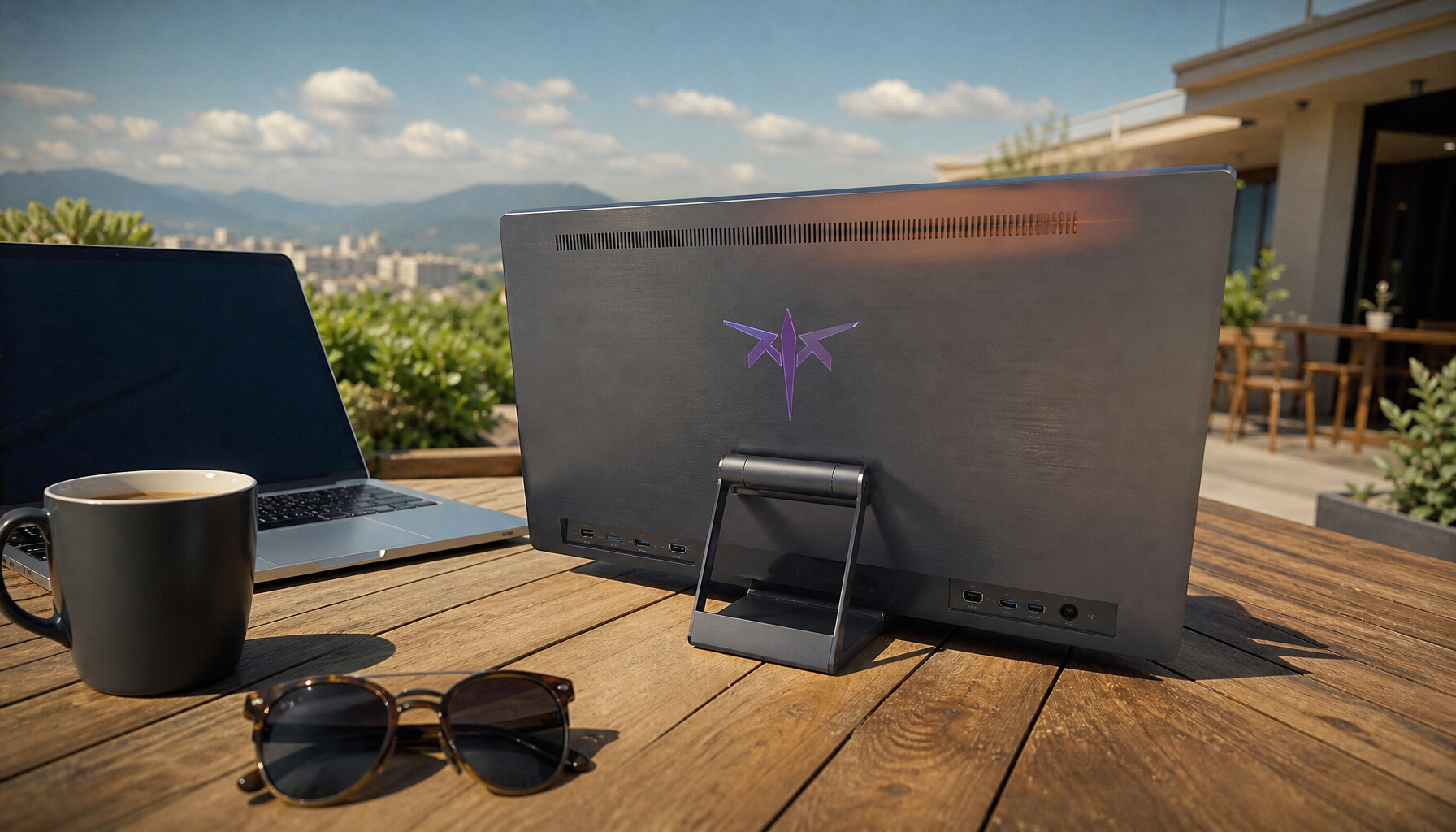
Newer smart gaming monitors already bundle a platform and native streaming into a 32-inch 4K 144Hz panel, which means the line between “monitor” and “streaming device” is now blurry. That is convenient if you want one screen for work and entertainment, but it also means autoplay settings may be split across multiple menus.
Desk monitors feel more distracting than TVs
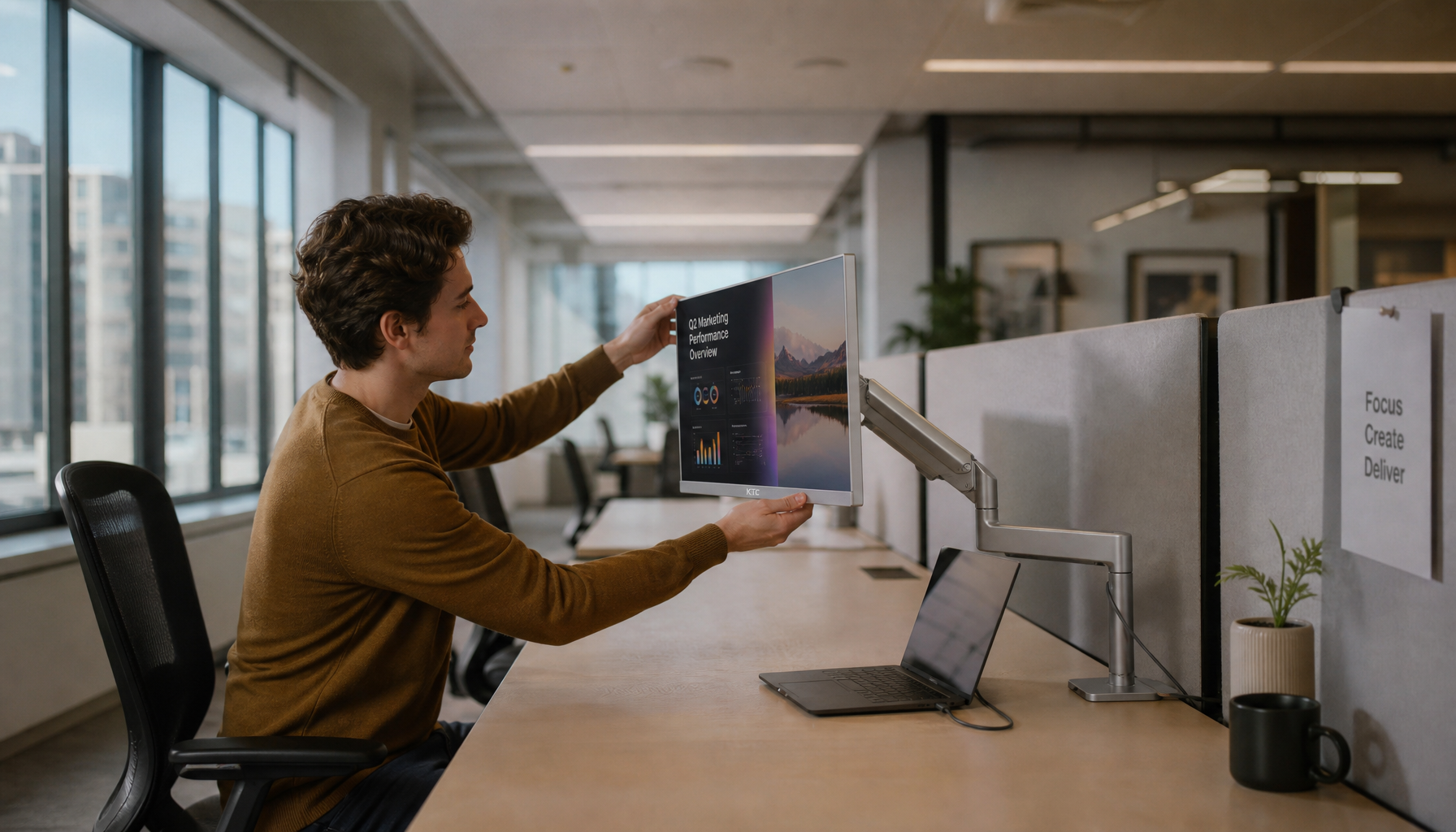
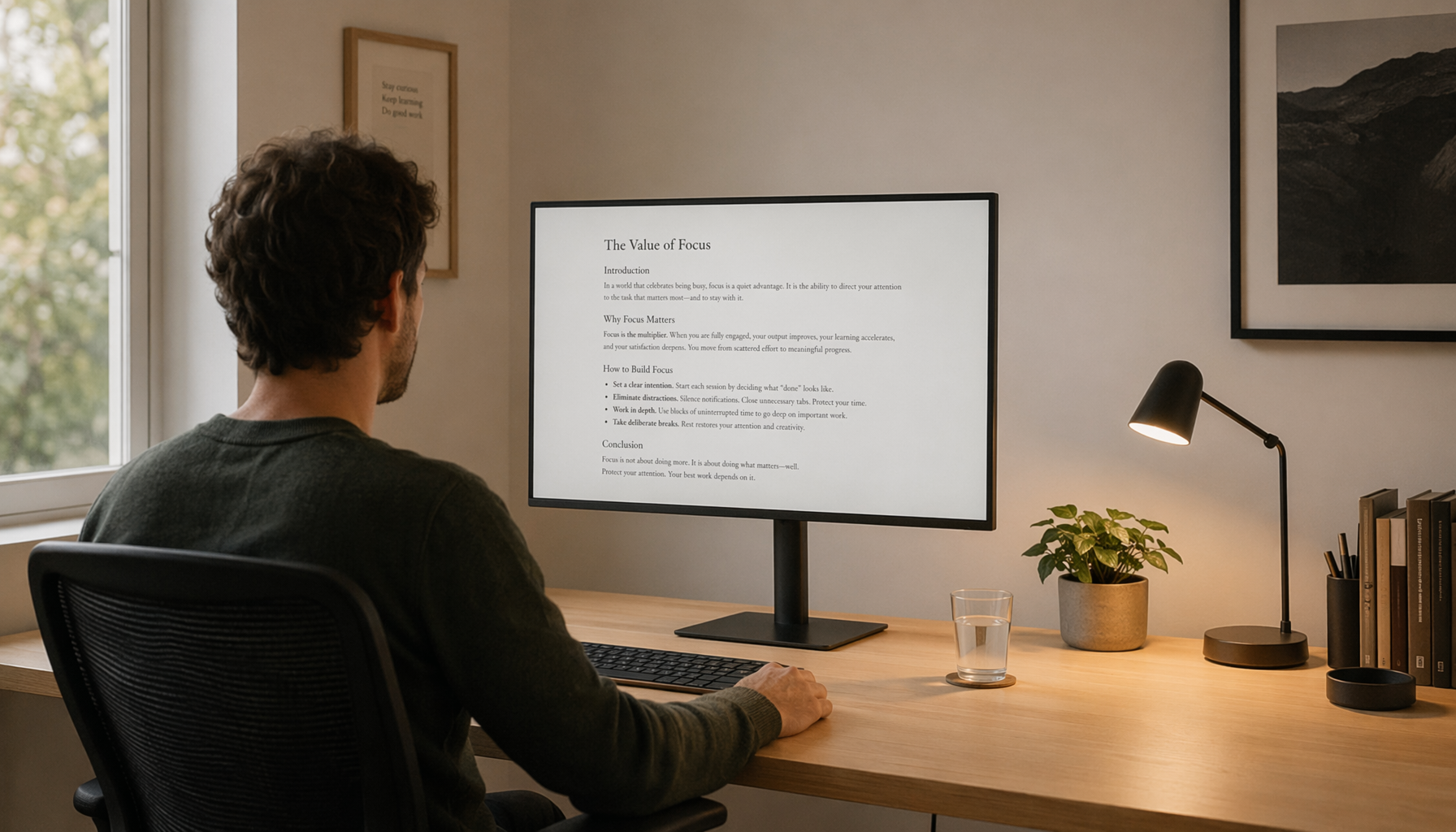
At desk distance, moving thumbnails are harder to ignore than they are on a TV 8 ft away across a room. On a 27-inch high-refresh gaming monitor or a 34-inch ultrawide, even muted motion in your peripheral vision can pull focus away from a spreadsheet, chat window, or game launcher.

Turn Off Previews Inside the App First
Start with the profile setting
The cleanest first step is the app-level toggle, and a platform lets you switch Autoplay previews off from a profile in the app or in a web browser. If you change it on the web, the same profile preference should carry over to supported devices after a refresh.
That same help page also notes that some older TVs and streaming devices do not support preview autoplay the same way, which matters when a monitor behaves differently from a laptop. If the setting looks correct but previews keep playing on the display, switch to another profile and back, or sign out and sign back in so the app reloads the updated preference.
Shared displays need repeated setup
On a family desk setup, a dorm room display, or a gaming monitor that multiple people use, check every active profile. One profile with autoplay still enabled can make it seem like the monitor ignored your change when the real problem is just a different account profile loading on that app.

When the Device Overrides the App
Smart OS and streaming sticks can reintroduce previews
Some preview problems do not come from the streaming app alone. In one a platform community case, a user reported that previews with sound kept starting on a TV device even after autoplay-related settings were turned off, while the same preference worked correctly on a computer. That is a strong sign the playback device or app build can override the profile setting.
The practical fix order is simple: close the app, clear cached app data if the device allows it, then toggle the preview or sound setting on and back off again. The same thread shows that re-toggling the setting eventually stopped the unwanted audio for the user, which is not elegant, but it is a realistic troubleshooting step before you blame the monitor panel itself.

Menu paths vary more than buyers expect
Smart monitor menus are not stable forever, and app availability and user interfaces can change by region, model, and software version. If your monitor has built-in apps, look for preview controls in three places: the streaming app profile, the device-level app settings, and the smart home screen or recommendation row settings.
Pick the Setup That Gives You the Most Control
Convenience and control are not the same thing
Several current smart monitor lines ship with built-in TV apps, which is useful if you want to stream without turning on a PC. But if your main screen is a high-refresh gaming monitor, an ultrawide work display, or a portable monitor you mainly use for productivity, separating the panel from the streaming platform usually gives you fewer surprise previews and a cleaner home screen.
Picture quality should still come before smart features. A review site says the main things to evaluate for content viewing are contrast ratio, brightness, wide color, and SDR/HDR behavior, and it also notes that a 32-inch smart monitor with a built-in platform is useful if you want to watch without a PC, even though smart features do not automatically mean better image quality.
Display setup |
Where preview control usually lives |
Best fit |
Main upside |
Main downside |
Smart monitor with built-in apps |
App profile plus smart home screen |
32-inch all-in-one desk display |
No PC needed |
More than one layer can trigger previews |
Gaming monitor plus streaming stick |
App plus external device settings |
Keeps monitor UI simple |
Extra input and remote to manage |
|
Standard monitor plus PC browser |
Browser profile setting |
Work and streaming on one desk |
Easiest settings visibility |
PC has to stay on |
Mobile app profile |
Travel or temporary second screen |
Very little home-screen clutter |
Smaller speakers and fewer controls |
Buy for Picture Quality First, Smart Features Second
The screen still matters more than the app shelf
The best streaming experience on a monitor still starts with panel basics, and contrast, brightness, and color performance matter more than whether the display has a flashy content row. If you mostly watch in a bright room, brightness becomes more important. If you stream at night, black levels and contrast become more important. High refresh rates help with gaming smoothness, but they do not solve autoplay annoyance.
Features that help on a mixed-use desk
Current smart monitor families list USB-C, built-in speakers, and smart TV apps across multiple 32-inch models, which is useful for laptop docking and casual streaming. For a work-and-watch setup, those features are more valuable than most “algorithmic recommendation” extras because they reduce cable clutter without adding much friction.

The newest smart gaming monitors are going even further. A publication’s 2025 trade show coverage describes a 32-inch 4K 144Hz smart gaming monitor that adds native streaming, cloud gaming, a built-in KVM, dual webcam support, and a 100 Mbps Ethernet port, with the vendor estimating roughly 25 to 30 Mbps for four simultaneous 1080p streams. That tells you what really matters when shopping: not just refresh rate, but whether the smart layer, ports, and input switching fit how you actually use the screen.
FAQ
Q: Why do previews stop on my laptop but keep playing on my smart monitor?
A: Your laptop browser and your smart monitor app may be separate environments. The profile setting can update on the browser first, while the monitor app or streaming device keeps older cached behavior until you refresh, sign out, or clear app data.
Q: Will turning off previews improve picture quality or gaming response time?
A: It will not improve panel quality or lower input lag in games. What it usually improves is focus, quiet browsing, and unnecessary bandwidth or video processing while you are just choosing something to watch.
Q: Is a smart monitor the wrong choice for streaming?
A: Not necessarily. A smart monitor makes sense if you want built-in apps without a PC, but a standard gaming or multimedia monitor paired with a browser or external device usually gives you tighter control over unwanted home-screen behavior.
Practical Next Steps
If you want the fastest fix, treat autoplay as a settings problem first and a hardware problem second. Most people do not need a new display to stop previews, but if you are shopping anyway, choose the setup with the fewest software layers between you and the content.
- Turn off autoplay previews inside each streaming profile you use.
- Refresh the app by switching profiles or signing out and back in.
- If previews still play, clear the app cache on the streaming device or smart display.
- Re-toggle preview or preview-sound settings on the device layer if the first change did not stick.
- If your monitor is mainly for work or competitive gaming, consider a standard display plus browser or external player instead of built-in smart apps.
- When buying your next monitor, prioritize contrast, brightness, color performance, and easy input switching before smart home-screen features.