Rolling smart display stability tips start with the room, not the screen. If the floor is uneven, the path is tight, or the cables have no slack, even a well-built display can feel awkward to move or place. The safest setup is the one that sits flat, rolls cleanly, and does not fight the room.

Start With the Room and Floor
For most homes, stability is decided by the floor, the path, and the room layout before you ever think about specs. Door thresholds, carpet edges, and tight corners can change how smoothly a rolling display moves, especially when you shift it between a kitchen, living room, or workout area.
The first check is simple: place the display where you expect to use it and see whether the base feels pressured or uneven. If the stand rocks, shifts, or sits partly on a transition strip, that spot is a poor fit even if the screen looks fine there.
A neutral setup guide for shared spaces can help you think through the same room-to-room questions in a broader way. If you want a companion overview, Rolling Smart Display for Home Office and Kitchen is a useful next read for shared-use placement.
One useful rule of thumb: if the display has to cross thresholds often, the room becomes part of the stability problem. In that case, the safest choice is usually the path with the fewest turns and the flattest floor changes.
Choose a Stable Base
A stable base matters more than convenience features. A wider or more planted base generally gives a rolling display a better chance of staying steady during normal home use, while quick-release or easy-assembly features mainly help with setup, not stability.
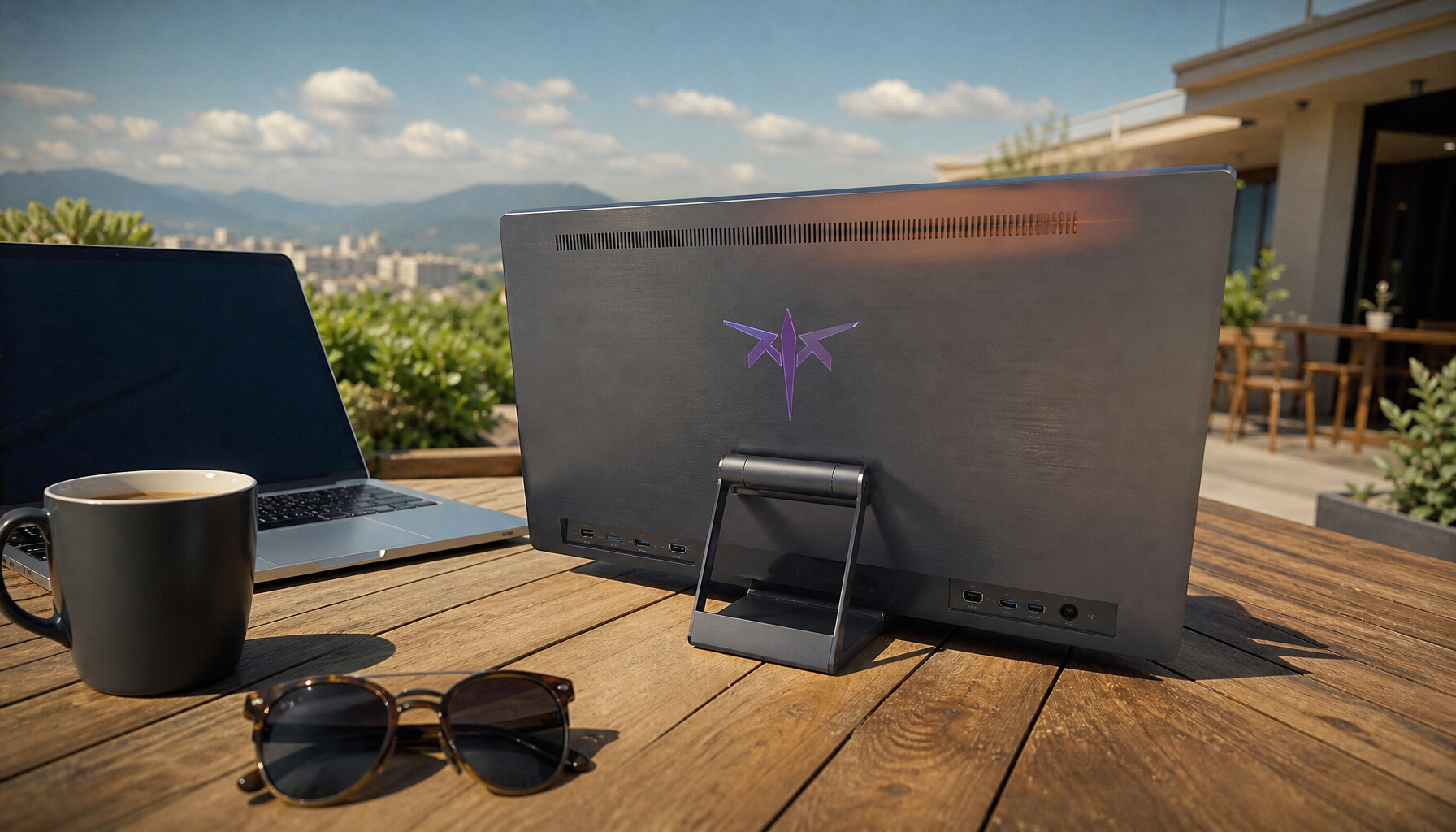
That distinction matters when you compare products. A display with wheels can still feel secure if the base, chassis, and stand are designed to stay upright during movement. For example, the KTC MEGAPAD 27" FHD Android 14 Google EDLA Smart Touch Monitor with 9500mAh Battery includes built-in wheels, a 9500mAh battery, and a manual that says to keep the product upright during movement and retain the cable holder after installation. That makes it a practical fit for readers who want mobility first, but only if they are willing to treat setup as part of the safety routine.
The 32-inch MEGAPAD follows the same idea in a larger format. The KTC MEGAPAD 32" 4K Android 13 Google EDLA Smart Touch Monitor with 9500mAh Battery lists tilt and elevation adjustment, and its product guidance also supports upright movement and careful screw tightening. The KTC MEGAPAD 32" 4K Android 14 Google EDLA Smart Touch Monitor with 8550mAh Battery adds hardware low-blue-light features and anti-glare coating for the same rolling use case. If a setup has height changes but no clear stability guidance, check that before buying rather than assuming the stand will feel planted.
The best fit is the one that keeps the display controlled during everyday movement. If a base only feels stable when the screen is low and nearly stationary, it is not a good match for frequent room changes.

Set the Screen at a Comfortable Height
Height adjustment helps only when it does not create extra wobble. For cooking, video calls, or workouts, start low and raise the screen only as much as you need for touch reach or eye level. The more the screen rises, the more leverage it can put on the base.
That is why a height change should always be followed by a quick check of the stand and cables. If the cables pull tight after you raise the screen, the display may drift off center or feel harder to steer. In a workout corner, that can be more annoying than it sounds, because touch use and fast repositioning make wobble more noticeable.
The A27Q7 manual says to adjust height smoothly within about 200 mm and to keep the screen tilted only as needed. The A32Q7S manual gives a similar pattern, with about 200 mm of height adjustment and about 20 degrees of tilt. In plain terms, those are useful for comfort, but they are not a reason to push the screen higher than the room really needs.
For MegPad for Home Fitness and Workout Guidance, the key takeaway is that height should support reach, not impressiveness. If you can see and touch the screen comfortably without extending the stand too far, that is usually the safer setup.
Keep Cables From Becoming a Hazard
Cable management is part of stability, not just tidiness. A cord that hangs low can snag on a doorway, pull when the display turns, or make the stand feel harder to guide. A cord that is too short can tug the display off center, while a cord that is too long can loop into a snag point.
The cleaner approach is to route cables so they follow the stand instead of crossing the floor. Leave enough slack for height changes and turns, but test the route first across the real path you plan to use. Door thresholds, carpet edges, and furniture corners are the spots that usually expose the weak points.
The A27Q7 manual specifically says not to remove the cable holder and screws after installation, which tells you how central cable control is to everyday use. The same logic applies to the larger A32Q7S. If the cable path looks fine only when the screen is parked in one spot, it is not really a mobile setup yet.
A good Kitchen Smart Display Setup and Workflow also depends on clean cable routing, because kitchen use usually means more turning, more stopping, and more chances to snag a cord near a walkway.
Compare Common Placement Scenarios
Different rooms create different risks, so the safest setup depends on floor texture, traffic, and cable access. The table below shows which placement issues usually matter most in a typical home.
| Placement Scenario | Main Stability Concern | Cable Concern | Best Practice |
|---|---|---|---|
| Living room by sofa | Usually the easiest place to control, but furniture legs and throw rugs can still catch the path | Keep cords out of the main walking lane | Park the display where it can stay flat and turn only a little |
| Kitchen prep area | More frequent turns and more foot traffic | Power cord length often becomes the first problem | Check the route before cooking, not during cooking |
| Workout space | Height changes can make wobble more noticeable | Recheck slack after every adjustment | Keep the screen reachable without raising it more than needed |
| Desk or wall-adjacent corner | Usually the simplest setup because the floor path is predictable | Short, tidy cable runs are easier to maintain | Use this when you want the least movement and the fewest surprises |
If you are deciding between browsing a broader category and a specific model, Mobile Touch Screen is the cleaner starting point. That category is more useful when you want to compare mobile displays by size or setup style before locking into one room pattern.
The easiest placement is usually the one that minimizes movement. A desk-like corner is often more forgiving than a high-traffic kitchen path, while a workout area usually needs the most attention because the screen gets adjusted more often.
Run a Final Safety Check
Before you leave a display in one room or roll it into another, do one last pass. Confirm that the base sits flat and does not rock when lightly nudged. Check that the screen, cables, and accessories stay clear of doorways and walk paths. Then move it once or twice along the real route you plan to use.
If the display settles differently after a few days, revisit the setup. Furniture shifts, repeated movement, and cable wear can expose problems that were not obvious on day one. That is especially true for households that move the screen between cooking, streaming, and workout use.
If you want a broader buying perspective after you have checked the room and path, Are Rolling Smart Displays Worth the Investment is a good follow-up. For dorm or small-apartment readers, the MegPad Setup Guide for Dorms and Small Apartments adds targeted checks.
FAQs
Q1. How Do I Keep a Rolling Smart Display From Wobbling on Uneven Floors?
Start by placing it on the flattest part of the floor you can find and avoid soft rugs or sloped transition strips. If the base rocks even slightly, reduce height and simplify the setup before you add more adjustments.
Q2. What Is the Safest Way to Roll a Smart Display Through Doorways?
Move slowly, keep the cable path clear, and stop before tight turns or thresholds. If you have to tug the display to make it through, the route is too tight for regular use and should be changed.
Q3. Can Height Adjustment Make a Rolling Display Less Stable?
Yes, it can. Higher placement often creates more leverage, which makes wobble and cable tension easier to notice. Raise the screen only as much as the task really needs, then recheck the base.
Q4. Why Does Cable Length Matter So Much on a Mobile Display?
Cable length affects both tugging and snag risk. A short cable can pull the screen off center, while an overly long one can loop into furniture or doorway edges. The safest setup usually keeps the cord close to the stand with just enough slack.
Q5. What Should I Check Before Leaving a Rolling Display in One Room?
Confirm that the base sits flat, the path is clear, and the cable does not cross a walkway. Then nudge the stand lightly and watch for rocking. If it shifts, rework the placement before treating the setup as finished.
Make Stability the First Buying Filter
Rolling smart display stability tips work best when the room, base, and cable path cooperate. Check floor flatness, threshold height, and cable slack before purchase. Compare base width and adjustment range against your actual routes rather than advertised features. Test movement once in the real space; if any element feels forced, choose a simpler placement or a different model. The safest choice matches your layout, not the product page.