A rolling smart display black screen fix usually starts with power, then moves to input, cable, source device, and room placement. If the screen is blank, do the simple checks first and treat it as a setup problem until the basic path has been tested.

Check Power Before Anything Else
Start with the easiest failure point: power delivery. Confirm the adapter is fully seated, the cord is not loose, the wall outlet or power strip is on, and any base switch is in the correct position. On a mobile or battery-backed display, a dead-looking screen can also come from a low battery or an underpowered adapter, so check charge state before assuming the panel has failed.
If the unit was just unboxed or moved, give it a short moment after pressing power. A delayed startup can look like a black-screen fault even when the display is still booting. If there is a status light, use it as a clue. Off, dim, blinking, and steady can point to different causes, even before you touch the input settings.
If power is still unstable after reseating the cable and adapter, stop there and move on to the video path rather than power-cycling endlessly. The goal is to rule out the simple stuff in order, not to make the symptom harder to read. For a step-by-step setup follow-up, the MegPad setup guide is a useful next stop.
Confirm the Display and Source Are Talking
Once power looks normal, check whether the display and source device are actually communicating. A black screen with no signal is usually a path problem first, not proof that the screen is broken. Reseat the cable at both ends, then test a second source device if you can. That tells you whether the issue follows the display, the cable, or the device sending video.
Keep the first test simple. Use one known source, one direct cable, and one input at a time so you can see what changes. If you jump straight to casting, docks, adapters, or hubs, you can hide the real problem. A direct wired test is usually the fastest way to find out whether the image path is alive.
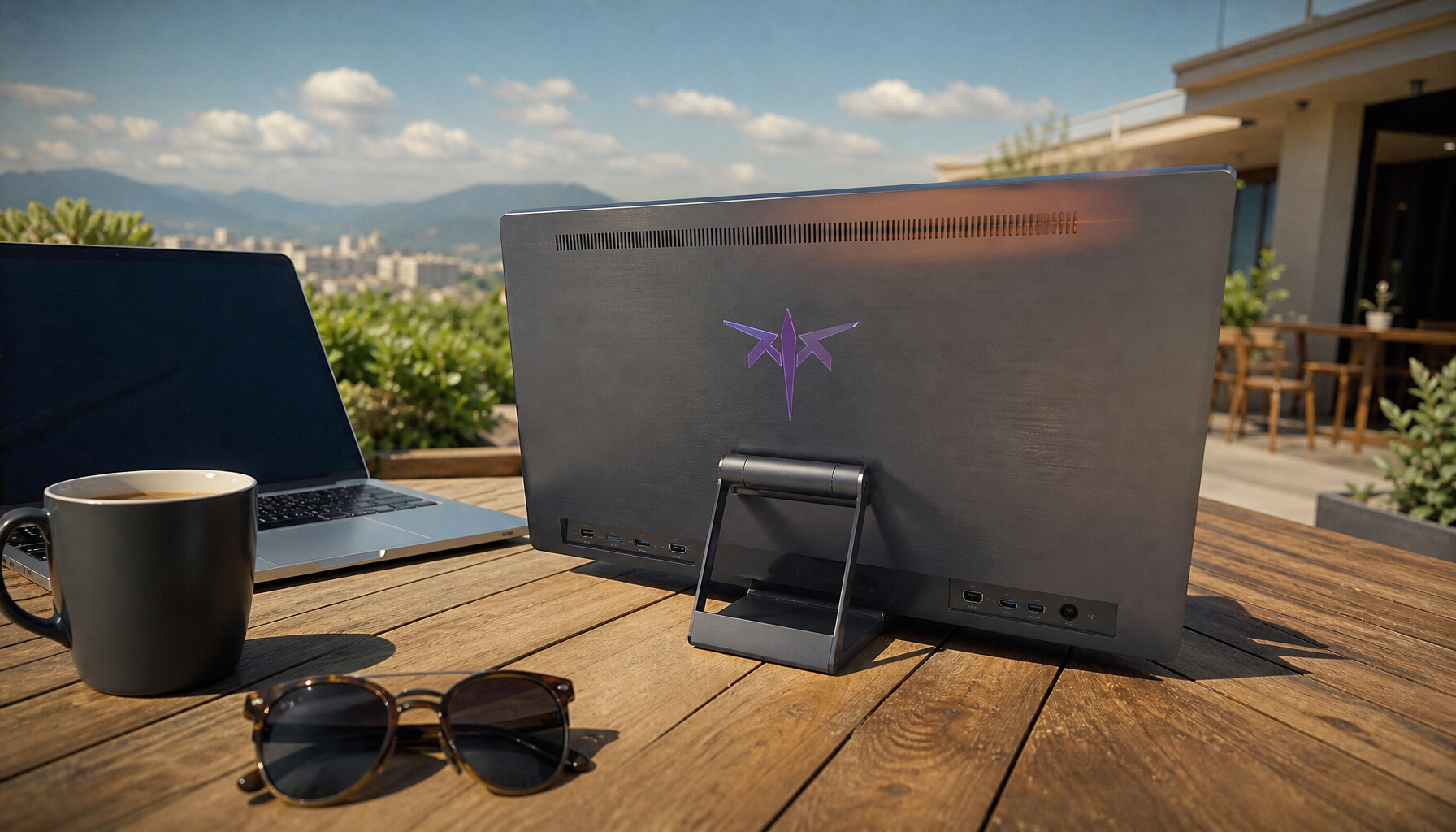
For USB-C setups, do not assume every fitting cable can carry video. The cable and the port both have to support display output, which is why it helps to verify the route before blaming the screen. Our USB-C Alt Mode guide explains that check in more detail.
If the display still stays black after a clean reconnect, treat it as a likely signal-path mismatch rather than a definite display defect. That wording matters, because the source settings can block image detection even when the panel itself is fine.
Fix Input and Resolution Mismatches
A screen can power on and still show black if the input or resolution does not match the source. Check the display's input menu and make sure it is set to the port you are actually using. If the screen offers auto-detect, do not rely on it alone during troubleshooting. Manual selection is more reliable when the unit has slept or the source was unplugged.
Next, check the source output settings. Laptops, consoles, docks, and streaming devices do not always handshake the same way. A setting that works on one monitor may fail on a portable or rolling screen. Start with a standard output mode, then increase quality only after the picture appears and stays stable.
A simple rule helps here: if the display wakes but shows no usable image, lower the source output before you keep swapping hardware. That is often faster than repeated power cycles. If the image comes back at a basic setting, the setup was the issue, not the panel.
When a monitor has a published setup path, follow it instead of guessing. For example, the A32Q7 Pro is best checked against its own input guidance, not treated like a generic TV. That is especially important when the symptom is "no signal" rather than a complete power failure.
Set Up Placement for Clear Viewing
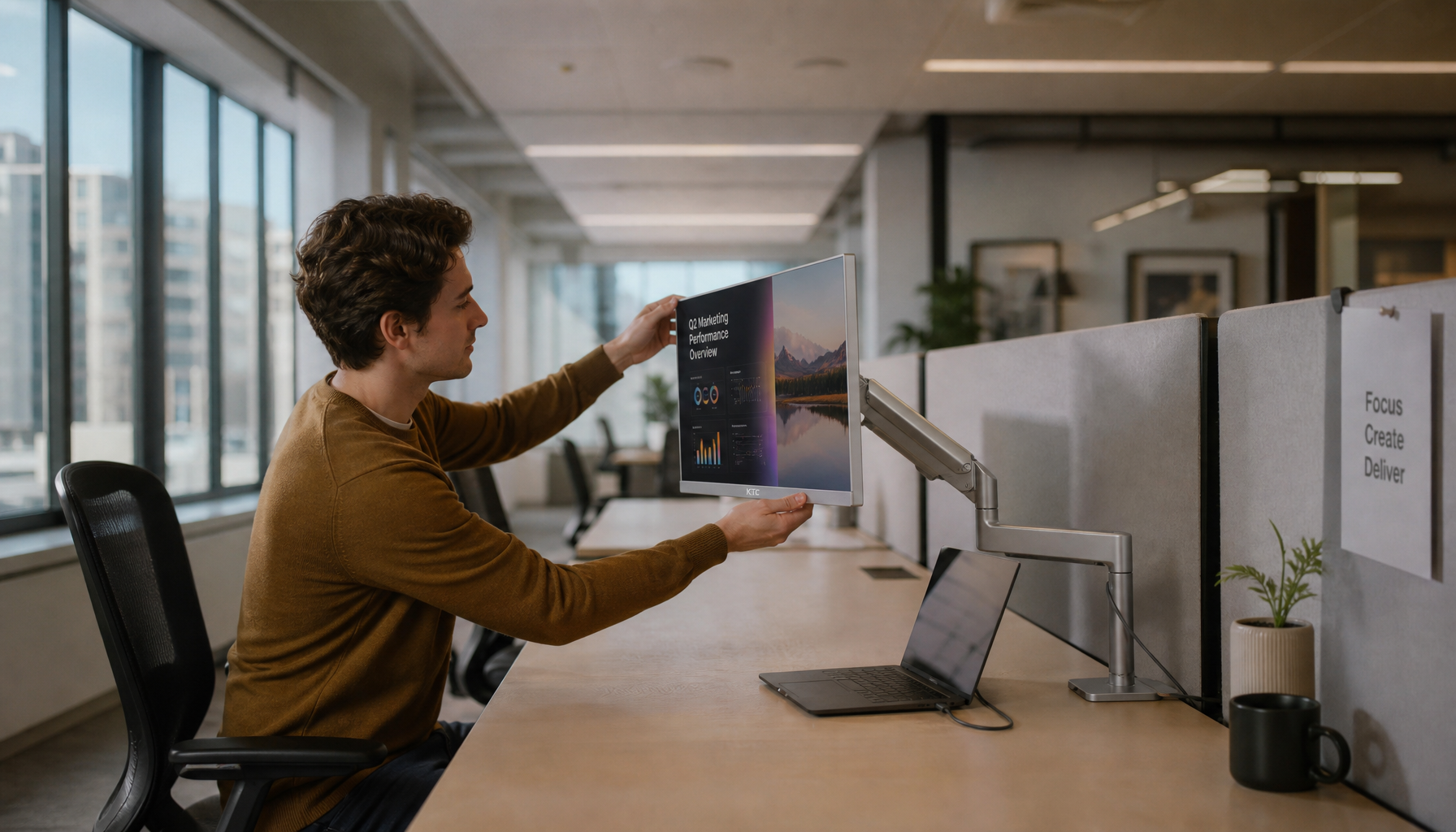
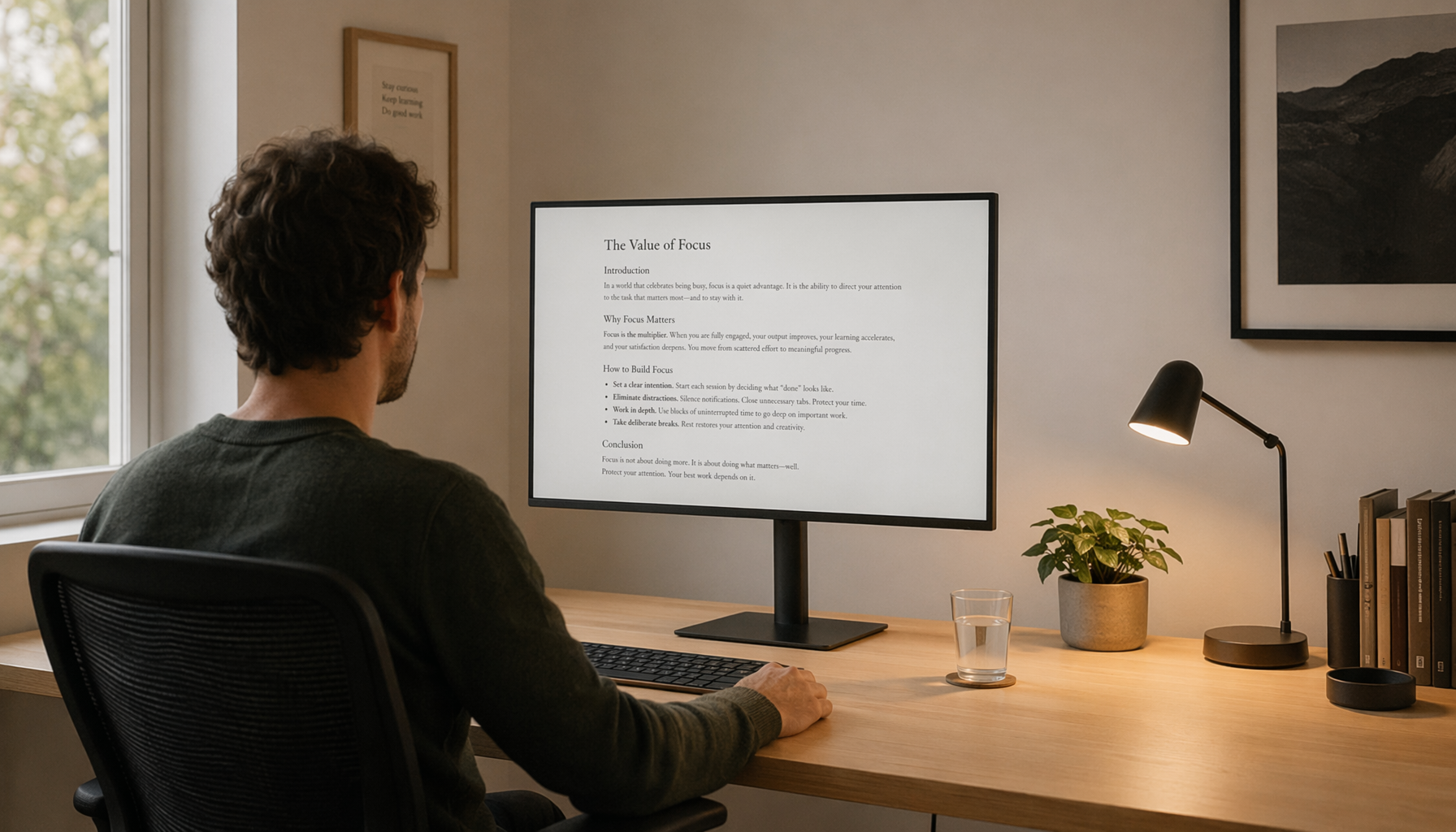
Placement does not fix a true signal failure, but it can make a working screen feel broken. For comfort, OSHA recommends placing the top of the monitor at or slightly below eye level so the viewer looks slightly downward. OSHA monitor placement guidance is a good baseline when the display will be used for longer sessions.
Glare matters just as much. Mayo Clinic's office ergonomics guidance recommends placing bright light sources, such as windows, to the side rather than directly in front of or behind the screen. In a living room, bedroom, or home office, that often means shifting the stand a few feet or changing the angle before changing any settings.
A practical viewing distance is about 15 to 27 inches, according to CCOHS monitor positioning guidance. That is a useful band for a rolling smart display because it helps the text stay readable without forcing awkward posture. If you are moving the unit room to room, check the distance again after each move rather than assuming one spot works everywhere.

Use placement as a visibility test. If the image looks better when you step sideways, lower a lamp, or turn the panel slightly, the screen may be working normally and the room may be the real problem. If glare is the main issue, the bright wall setup guide can help you tune the room without overcorrecting the display settings.
When the Issue Is More Than Setup
If the screen still shows black after power, input, cable, source, and baseline output checks, the problem is more likely beyond basic setup. That does not automatically mean the display is defective, but it does mean the next step should shift from quick fixes to support-level evaluation.
Look for patterns. If the unit works on one source but not another, that points toward source settings, adapters, or cable compatibility. If it changes inputs but never shows an image, the port or signal path may be the weak spot. If it never shows an image on any known-good source, document the tests you ran and contact support rather than repeating the same steps.
For shoppers comparing options after a successful setup check, the Mobile Touch Screen collection is the cleanest browsing path. If you want a product reference point rather than a generic category, the A32Q7 Pro is the relevant model to inspect once you know the room, cable, and source setup are right.
FAQ
How Do I Know If a Black Screen Is a Setup Issue or a Hardware Issue?
If the display shows signs of power but never gets a valid image after you test a known-good cable and source, it starts to look more like a support issue. If it responds to input changes or works with another device, the setup is still the more likely cause.
What Input Checks Matter Most When the Screen Says No Signal?
The fastest checks are the correct input source, the source device's video output settings, and whether the cable is fully seated at both ends. Try one clean reconnect before changing multiple settings at once.
Can a USB-C Cable Carry Video to a Rolling Smart Display?
Only if the port and cable support video output. A USB-C plug can fit physically and still fail to send display data, so it is worth verifying the path before you assume the screen is at fault.
Why Does a Rolling Smart Display Look Fine in One Room but Hard to See in Another?
Room lighting, bright walls, reflections, and seating angle can change how the display looks. A screen that seems dim in one room may be fine in another once you reduce glare and adjust the viewing angle.
Can I Use a Mobile Smart Display in a Living Room, Bedroom, and Home Office?
Yes, if you leave enough room for rolling movement, keep power access practical, and place the screen at a comfortable height. The same unit can work in several rooms, but each room usually needs its own angle and glare check.
When Should I Stop Troubleshooting and Contact Support?
If power is confirmed, a known-good source still fails, and the display never shows an image across multiple inputs, it is reasonable to move to support. At that point, write down the devices, cables, and settings you tested so the next step is faster.