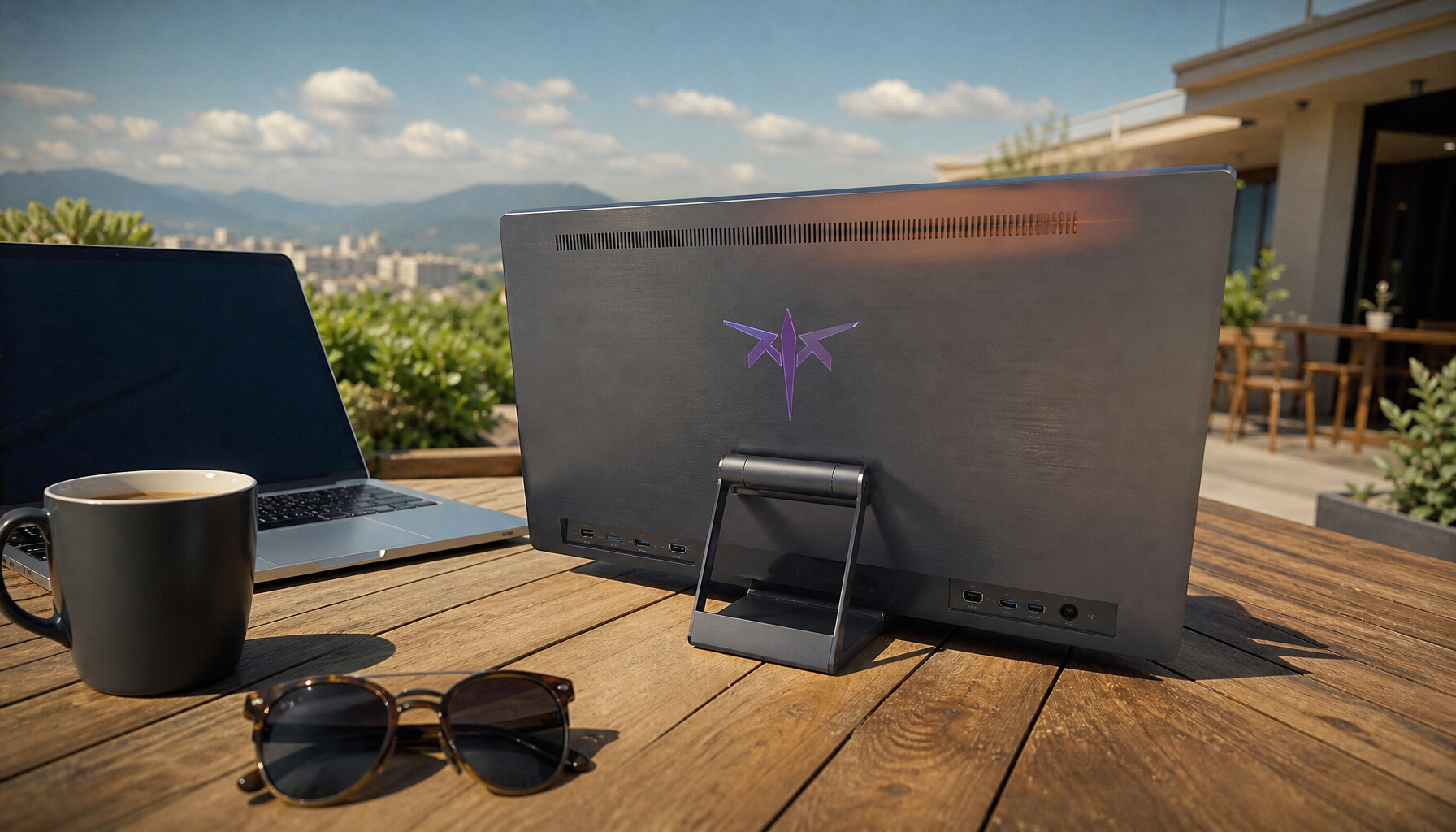
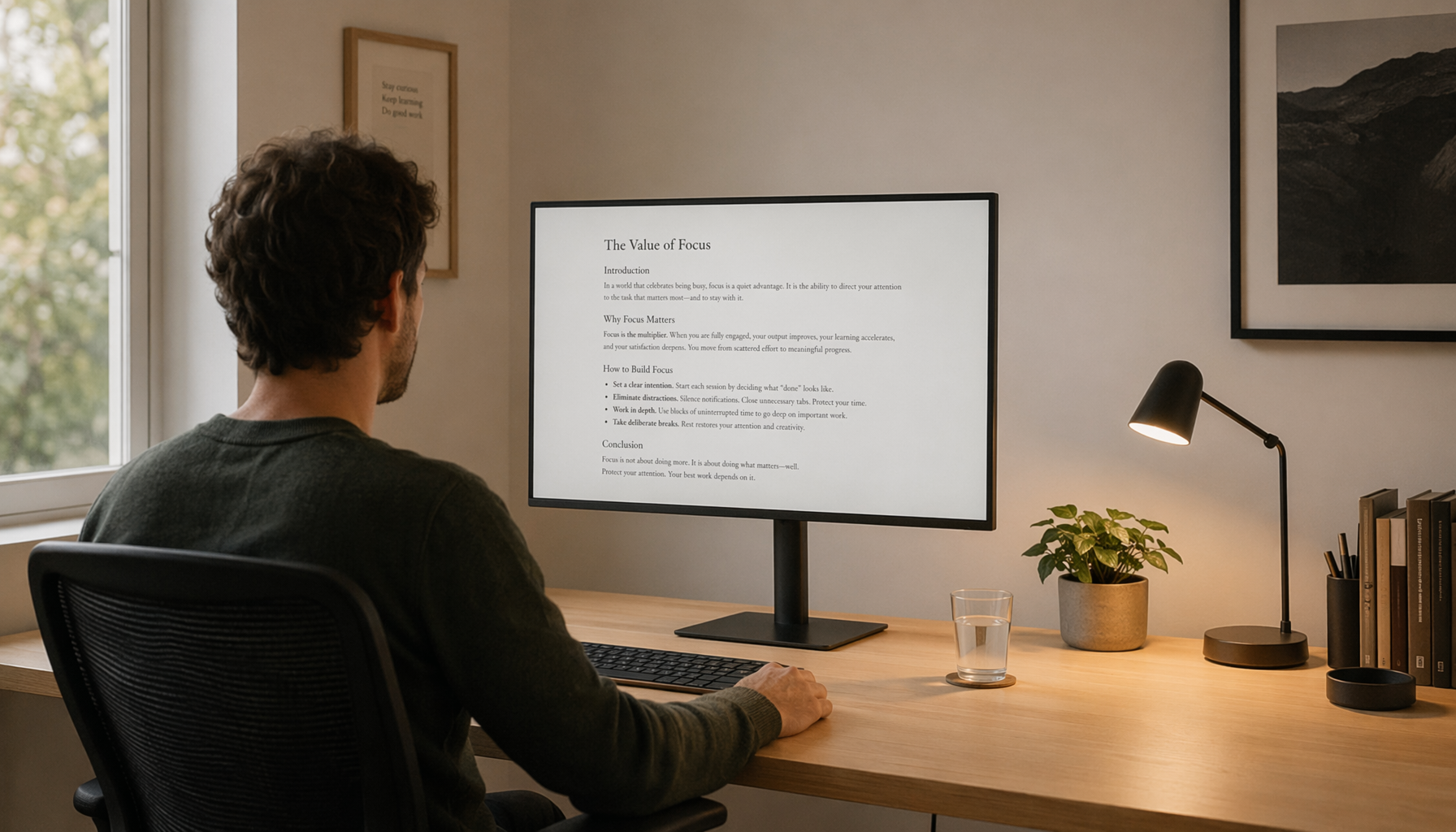
Battery runtime is the make-or-break factor in a rolling smart display battery life test, and the safest takeaway is simple: expect runtime to change a lot with brightness, volume, and workload. In home use, light sessions can stretch much longer than bright streaming or call-heavy use, so the best fit is the setup that matches your actual routine.
Home-Use Runtime Test Results
For everyday home use, runtime is best judged by workload instead of one headline number. The clearest manufacturer-backed figures show that a 32-inch model can be built for long sessions, but the real number depends on how hard you ask it to work. KTC's own battery notes say runtime changes with brightness, temperature, connected devices, and settings, which is exactly why a rolling smart display battery life test has to stay tied to use case.
Streaming Runtime at Moderate Settings
If you mostly stream shows, the battery story is usually about balance, not maximum endurance. The 32-inch A32Q7S is listed with an 8550mAh battery and a manual note that maximum usage is about 5 hours after a long charge, while the A32Q7 Pro is listed with a 9500mAh battery and a maximum usage note of about 11 hours under unspecified conditions. Those are manufacturer-stated ceilings, not a promise for every household.
What matters for buyers is the pattern: moderate streaming is the most realistic middle ground, but it still gets shorter when you raise brightness or volume. That means a living-room movie session and a low-light bedtime episode should not be treated as the same battery test.
Video Call Runtime With Camera and Audio
Video calls usually feel lighter than bright entertainment, but they still pull on multiple parts of the system at once. Camera use, microphone activity, Wi-Fi, and audio can all add to drain, especially when the call runs alongside notifications or background apps. The manual does not give a call-specific hour count, so the honest way to read this is as a directional setup: calls are often more demanding than idle reading, but less demanding than maximum-brightness streaming.
Light Productivity Runtime for Browsing and Notes
Browsing, note-taking, and reading are usually the easiest home tasks on battery because they do not need constant video decoding or loud speakers. That said, the display can still lose runtime if brightness is pushed high, especially in a sunlit room. In practical terms, light productivity is the use case most likely to get you through a longer stretch without recharge, but only if you keep the screen and volume moderated.
What Shortens Runtime Fastest at Home
The biggest runtime drop usually comes from brightness first, then volume. After that, wireless activity, app behavior, and temperature become the next variables to watch. For most families, the surprise is that the screen can feel fine at a glance while still draining faster than expected because the settings are tuned for daytime comfort rather than battery life.

If you want a quick rule, this is the one to remember: a lower-brightness evening session is a better battery test than a bright daytime one, and loud shared viewing will usually cut runtime sooner than private reading. That is the decision layer that matters before comparing product pages or battery claims.
What Changes Battery Life Most
Brightness is the first setting to check when the battery seems too short. A screen that looks comfortably bright in a showroom can be overkill in a dim apartment, and the extra brightness is paid for in runtime. The same logic applies to volume: a louder speaker setting is convenient for family viewing or workouts, but it can shorten the usable day faster than many buyers expect.
The manufacturer guidance also points to app type and wireless activity as real factors. Streaming and video calls generally cost more than static reading or local note-taking because they keep the display, network, and audio stack active. In plain English, more motion on screen and more radio use usually means less battery left.
Temperature and battery age matter too. A fresh battery in mild indoor conditions is the best-case scenario, while older batteries or extreme room temperatures can reduce the result you actually see. A useful self-check is to ask, "Am I testing this in a cool room, at moderate brightness, with modest volume, or am I stacking every drain factor at once?"
The practical takeaway is not that the display is fragile. It is that runtime is sensitive to a few settings you control every day, which makes battery behavior more predictable once you know the levers.
MegPad 32-Inch Battery Use in a Home Setup
For apartment and family routines, the 32-inch format makes the most sense when the display moves between rooms and serves more than one person. The KTC MEGAPAD 32" 4K Android 14 Google EDLA Smart Touch Monitor with 8550mAh Battery is a good fit to examine here because its product facts line up with shared home use: a 31.5-inch 4K touch display, wheels, Android 14, built-in speakers, and a battery sized for room-to-room use.
The question is not just whether it is portable. It is whether the battery matches the way you live. If you want a screen for kitchen video calls, living-room streaming, or moving from one room to another without wiring a wall mount, this kind of mobile setup makes sense. If you mainly want a fixed desk monitor, the battery and mobility features may be extra cost without much upside.
| Home Scene | Battery Pressure | Most Useful Features | Fit Note |
|---|---|---|---|
| Living room streaming | Moderate to high, depending on brightness and speaker volume | 32-inch 4K panel, built-in speakers, wheels | Good for shared viewing if you keep brightness sensible |
| Kitchen viewing | Moderate, especially in brighter rooms | Wheels, Android apps, touchscreen | Useful for quick recipes and casual shows, but daylight can raise drain |
| Morning workout | Moderate to high if audio is loud | Rolling stand, built-in speakers, touch control | Fits routines that move room to room, but loud audio shortens runtime |
| Bedroom wind-down | Lower if brightness stays down | Dimming, wireless apps, touch screen | Best chance to stretch runtime through an evening session |
The first concrete thing to notice is that the larger screen helps usability, but it also raises the importance of power discipline. A 32-inch rolling display is best when the battery supports shared use, not when you expect laptop-style all-day endurance.
For readers comparing category options, the mobile touch screen collection is a useful browse path if you want to compare 27-inch and 32-inch mobile models by size and battery class. If you only need a simpler category view, the smart monitor options collection is the better place to sort by broader smart-display setup rather than battery-first portability.
How to Stretch Daily Runtime
If your goal is more usable hours between charges, start with the settings that have the biggest payoff. The checklist below is the fastest way to make a rolling smart display battery life test work better in real home use.
- Lower brightness first. This is usually the single biggest runtime saver, especially for evening TV, bedtime shows, or kitchen use after sunset.
- Reduce volume when you do not need it. Shared family viewing can tempt you to turn sound up, but that also shortens the day's battery reserve.
- Close unused apps. If the display is acting like a shared home screen, background apps can keep the system busier than it needs to be.
- Limit unnecessary wireless activity. Streaming, casting, and repeated reconnects can all add small but real drain over time.
- Use room-specific presets. A lower-brightness evening profile is often better than one "good enough" setting for every room.
- Charge with a care routine, not a panic routine. The manual recommends avoiding full-time top-off charging and keeping the battery around 50% when practical for longevity.
The best habit is simple: charge after use, then avoid leaving the display permanently topped off if you do not need to. That is a long-term battery habit, not a performance trick, but it helps keep usable runtime steadier over time.
When Battery Life Stops Being Enough
If you expect long streaming sessions at high brightness, battery life alone may not be the right decision criterion. At that point, compare size, brightness, and usage pattern together. A smaller or lighter model can fit short-use routines better, while a 32-inch rolling display is usually the better match for shared home viewing where the screen needs to move with the household.
That is why the broader category matters. If your routine is more like quick room-to-room viewing than all-evening entertainment, you should look at the smart monitor options range and compare size against battery pressure before deciding. If you already know you want a mobile home screen, the mobile touch screen collection path is the more direct browse route.
A good rule of thumb is this: choose the larger rolling model when mobility and shared use matter more than absolute runtime, but choose a smaller or simpler setup when the display will live at one brightness level for long stretches.
Battery Check Before You Buy
Use this final check before you treat any rolling smart display as an all-day home screen.
- Compare runtime claims only under matching conditions, especially brightness and volume.
- Verify the battery capacity and the stated usage range for the exact model you are buying.
- Check the charging input and power setup so you know how the display will fit into your room-to-room routine.
- Make sure the size and weight work for the rooms you move through most often.
- Treat app and wireless behavior as a separate compatibility check instead of assuming every home setup will feel the same.
- If battery life is the main reason you are buying, compare the model page with the product category before you order.
The KTC MEGAPAD 32" 4K Android 13 Google EDLA Smart Touch Monitor with 9500mAh Battery is worth checking if you want a different 32-inch battery setup in the same general home-use category. The KTC MEGAPAD 27" FHD Android 14 Google EDLA Smart Touch Monitor with 9500mAh Battery offers another size option for lighter daily moves. For buyers who want a neutral browsing step before choosing, the smart monitor options collection can help you compare fixed and mobile options side by side.
Related Resources
Explore these guides for more context on rolling displays in different home and work settings:
- The Mobile Office Revolution: Why Rolling Screens are Replacing Traditional Laptops
- Rolling Smart Display for Home Office and Kitchen
- Hospitality & Retail 2026: The MegPad Mobility Edge
FAQs
Q1. How Does Brightness Change MegPad Battery Runtime?
Higher brightness usually cuts runtime faster than most buyers expect. The best comparison is to test the same show, same volume, and same room twice, once at a moderate level and once at your usual daytime setting. That shows you the real trade-off without mixing in other variables.
Q2. Can the MegPad Recharge While in Regular Home Use?
In everyday use, the practical approach is to charge between sessions rather than waiting for a deep discharge. That keeps the display ready for the next room-to-room move. It is also easier on your routine than trying to "manage" battery life only after the screen has already gotten low.
Q3. How Long Does a Full Charge Take?
The safe answer is that charging time depends on battery state, power input, and whether you are using the screen while it charges. Since no verified charge-time spec is provided here, it is better to plan on charging during downtime, overnight, or between family sessions instead of expecting a fixed hour count.
Q4. Does Winter or Summer Affect Battery Runtime?
Yes, temperature can change how long the battery feels usable. Cold rooms, hot rooms, or setups near windows and garages can shorten runtime compared with mild indoor conditions. For seasonal use, the most dependable test is still the same one: moderate brightness, moderate volume, and a normal home workload.
Q5. Is a Rolling Smart Display Battery Life Test Different for Work and Family Viewing?
It usually is. Family viewing often runs louder and brighter, which increases drain, while light work like browsing or note-taking can stretch battery use farther. If your day mixes both, assume the battery will track the harsher setting, not the easiest one.
A Short Home-Use Verdict
A rolling smart display battery life test only helps if you read it through the lens of your real routine. Moderate home use can work well, but bright streaming and loud shared viewing shorten runtime quickly. If your rooms, brightness habits, and charging routine are realistic, the 32-inch MegPad format can make daily use easier without turning battery life into a constant compromise. Choose based on actual mobility needs rather than headline battery numbers alone.