Shared-use devices can keep more than you expect, which is why a privacy settings guide for android smart displays starts with the handoff problem, not the menu path. If a rolling display moves between teams, students, or family members, the goal is to reduce what survives between users and make every session easier to reset.

Why Shared Displays Leak More Data
A shared Android smart display can hold onto account sessions, app history, notification previews, and app permissions long after the first user is done. That is especially easy to miss on a rolling unit, because the screen feels temporary even when the software stays persistent. Google's Android app permission controls are useful here because they let you narrow camera, microphone, location, and background access one app at a time.
The practical rule is simple: treat the display like a shared endpoint, not a personal tablet. A privacy settings guide for android smart displays should focus on reducing residue between users, not making the device anonymous. If the display is used in an office, classroom, or family room, the first check is whether the next person can still see or reopen the last person's content.
For a related setup perspective, the Google EDLA Security Guide: Protecting 2026 Smart Offices is a useful follow-up if you are also deciding how tightly to lock down a shared office device.
Set Up Profiles and Guest Access
Create a Clear Primary Account
Keep the main owner account narrow. It should be used for setup, admin tasks, and maintenance, not casual browsing or personal media sign-ins. On shared Android smart displays, that reduces the chance that the wrong person lands in the wrong account during a quick handoff.
If your device supports guest-style access, use it for temporary users instead of letting everyone touch the owner profile. Android's general multiple user and guest access guidance shows the shared-device model, but exact behavior still depends on the device and software build. Do not assume every model clears the same data the same way.
Limit Guest Access to Essentials
Guest access is most useful when you want a low-friction session that does not need to keep personal data. It is not a guarantee that everything disappears after use, so the safer habit is to keep guest sessions short and avoid signing into personal accounts unless the room really needs it. That matters in classrooms and conference rooms where the next session may start minutes later.
Use Separate Sign-In Rules for Teams or Family
If one display shifts between different groups, define who can add apps, change settings, and save files. That one decision prevents most accidental overlap. For most shared spaces, the best setup is the one that makes the next user start from a neutral state without asking them to manage the previous user's account.
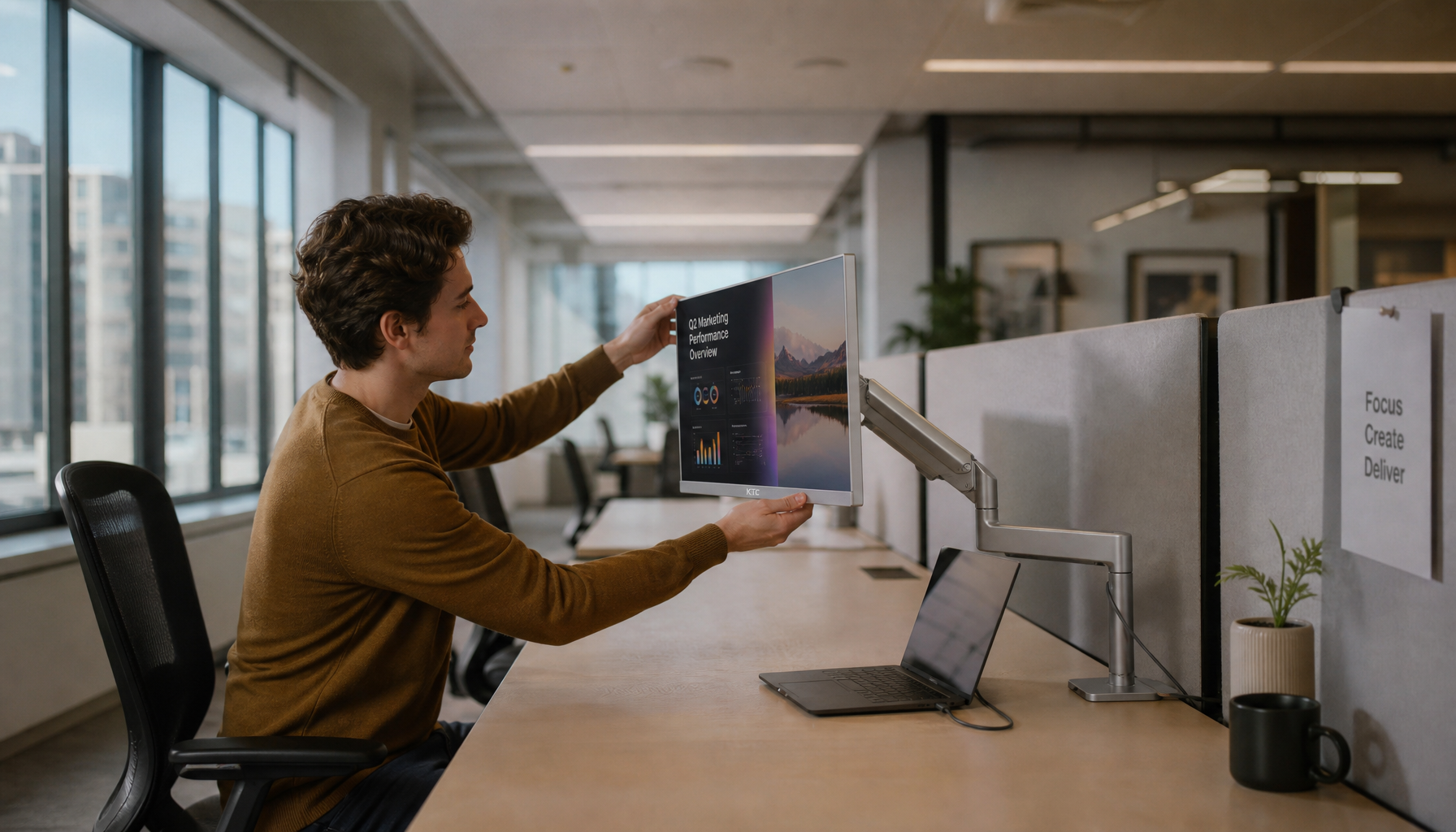
A natural example is the KTC MEGAPAD 32" 4K Android 14 Google EDLA Smart Touch Monitor with 8550mAh Battery, which can serve as a shared touchscreen endpoint, but the actual privacy result still depends on how you set up accounts and permissions.
Tighten Permissions and Data Collection
Review App Permissions First
Start with app permissions before you worry about edge-case settings. Android lets you manage sensitive access directly in privacy settings, including camera, microphone, location, and background activity through the Android privacy controls. That is the fastest way to cut down what a shared display can collect without removing the apps people actually need.
Reduce Location, Camera, and Microphone Access
If an app does not need location, turn it off. The same goes for camera and microphone access when the display is not actively being used for calls or presentations. On a rolling display, location is often a good first cut because the device may move between rooms even when the app itself does not need room tracking.
A useful decision sentence: if the app would still work without a permission, that permission usually does not belong on a shared screen. If the app breaks without it, keep it only for the minimum set of users who truly need that feature.
Check Background Activity and Account Sync
Background data and sync are easy to overlook because they do not look like privacy settings at first. In real use, they can keep refreshing personal content after the meeting ends, which is how calendars, messages, and cloud apps sometimes linger longer than expected. If a shared display keeps waking up to personal notifications, the problem is usually not the screen, it is the account connection behind it.
For the high-level permission logic, the Google EDLA Certification Explained: Why Your 2026 Smart Display Needs It guide is a reasonable related read if you are trying to understand why EDLA devices still need hands-on privacy setup.
Harden the Device for Shared Use
- Install only the apps the room actually needs. Fewer apps usually means fewer permission prompts, fewer sign-ins, and less accidental data residue.
- Set a screen lock or timeout that matches the room. A display left open after a meeting is a common privacy miss, especially in rooms with foot traffic.
- Review notifications before daily use. Private messages, calendar reminders, and account prompts should not be visible on the front screen.
- Keep updates on, then schedule maintenance time. That helps the device stay current without interrupting the room during active use.
- Test sign-out and guest exit before handoff. If you have not verified the exit path, do not assume the next user will land on a clean screen.
This is where a privacy settings guide for android smart displays becomes operational, not theoretical. The question is not whether the device is capable, but whether it returns to a neutral state quickly enough for the next person. If it cannot, simplify the app set and tighten the room routine first.
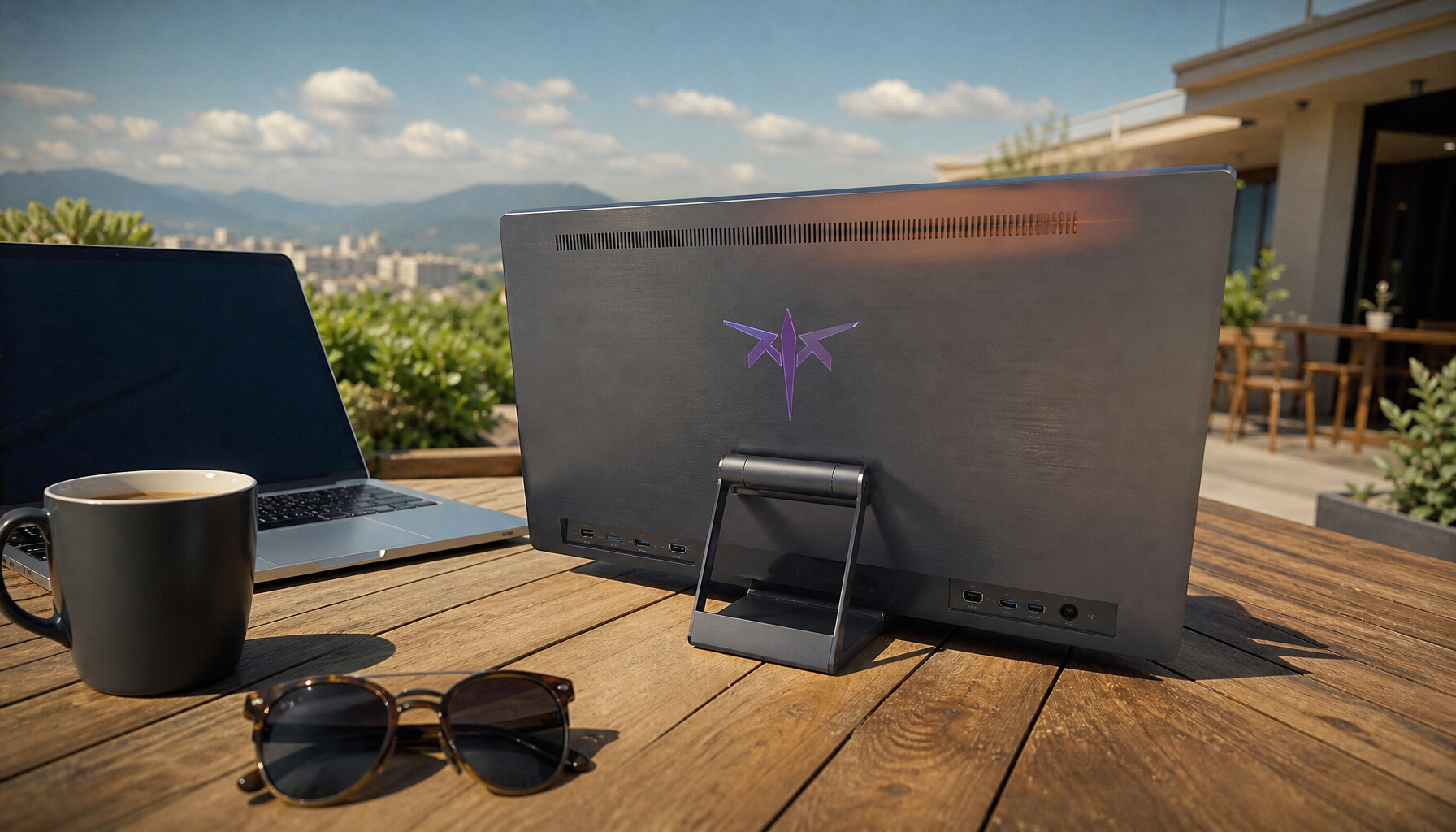
The KTC MEGAPAD 32" 4K Android 14 Google EDLA Smart Touch Monitor with 8550mAh Battery is a relevant check-before-buying option for shared rooms because it combines Android 14, EDLA, and a built-in battery, but you still need to confirm that its access controls fit your handoff process.

Choose the Right Shared-Use Model
| Shared-use setup | Privacy priority | What to check first | When it breaks down |
|---|---|---|---|
| Office conference room | Fast session clearing and notification control | Sign-out routine, permissions, and app access | When different teams use the same room back-to-back |
| Classroom or training room | Minimal sign-in persistence | Guest flow, reset steps, and saved files | When students or staff rotate frequently |
| Home with multiple users | Profile separation and account awareness | Camera, microphone, and account switching | When one person uses the screen for both personal and shared tasks |
The strongest setup is the one that matches how often the display changes hands. In a high-turnover space, privacy settings matter more than extra features because the main risk is profile overlap. In a calmer home setup, the priority is usually simpler separation and fewer lingering sign-ins.
This table helps compare which shared-use setup calls for the strongest privacy controls first, and which permissions to review before turning the device into a shared display.
Final Privacy Checks Before Handoff
- Confirm the previous user is signed out of personal accounts and cloud services.
- Check that camera, microphone, location, and unused permissions are still restricted.
- Clear recent files, browser history, and open tabs when the device is meant to be shared.
- Make sure guest or temporary access returns the device to a neutral state after use.
- Store the room-specific login, reset, and support steps where staff or family can reach them quickly.
If you want one repeatable habit from this privacy settings guide for android smart displays, make it the handoff check. Shared devices become safer when the last user signs out, the next user starts neutral, and the permission set stays intentionally small. That is usually enough for offices, classrooms, and households that need privacy without rebuilding the whole setup.
Related Resources
Compare rolling and fixed options with the Rolling Smart Display vs Wall Tablet Decision Guide or explore portable models in the mobile touch screen collection. For healthcare or classroom workflows, review the MegPad for Healthcare and Telehealth Workflows and the KTC MEGAPAD 27" FHD Android 14 Google EDLA Smart Touch Monitor with 9500mAh Battery.
FAQs
Q1. How Do I Limit Data Collection on a Shared Android Smart Display?
Start with app permissions, then review location, camera, microphone, background activity, and account sync. Those settings usually control the biggest privacy exposure on a shared screen. If you only make one pass, focus on the apps that handle calls, calendars, storage, or sign-in services.
Q2. What Is the Safest Way to Switch Between Users?
Use a simple handoff routine: sign out of personal accounts, exit guest access, close recent apps, and return the screen to a neutral home state. The key is consistency. If the next person can see the previous person's content or profile, the handoff was not complete enough.
Q3. Can Guest Access Prevent Personal Data From Sticking Around?
Guest access can reduce residue, but it does not guarantee a clean slate on every device or app. The result depends on the Android build, the app's sign-in behavior, and whether the device is configured to restrict saved sessions. Treat guest access as a helpful layer, not a finish line.
Q4. What Permissions Should I Review First on a Rolling Display?
Camera, microphone, location, files, contacts, and any permissions tied to communication or cloud accounts deserve the first pass. On a rolling device, location often matters less for app function than people expect, while camera and microphone matter more because they affect what can be exposed in a shared room.
Q5. Why Does a Shared Display Need Different Privacy Settings Than a Personal Tablet?
Shared devices have more user turnover, more accidental account overlap, and a higher chance of remembered logins being seen by the next person. A personal tablet is usually protected by one owner's habits. A shared display needs a stricter routine because the room, not just the user, becomes part of the privacy boundary.