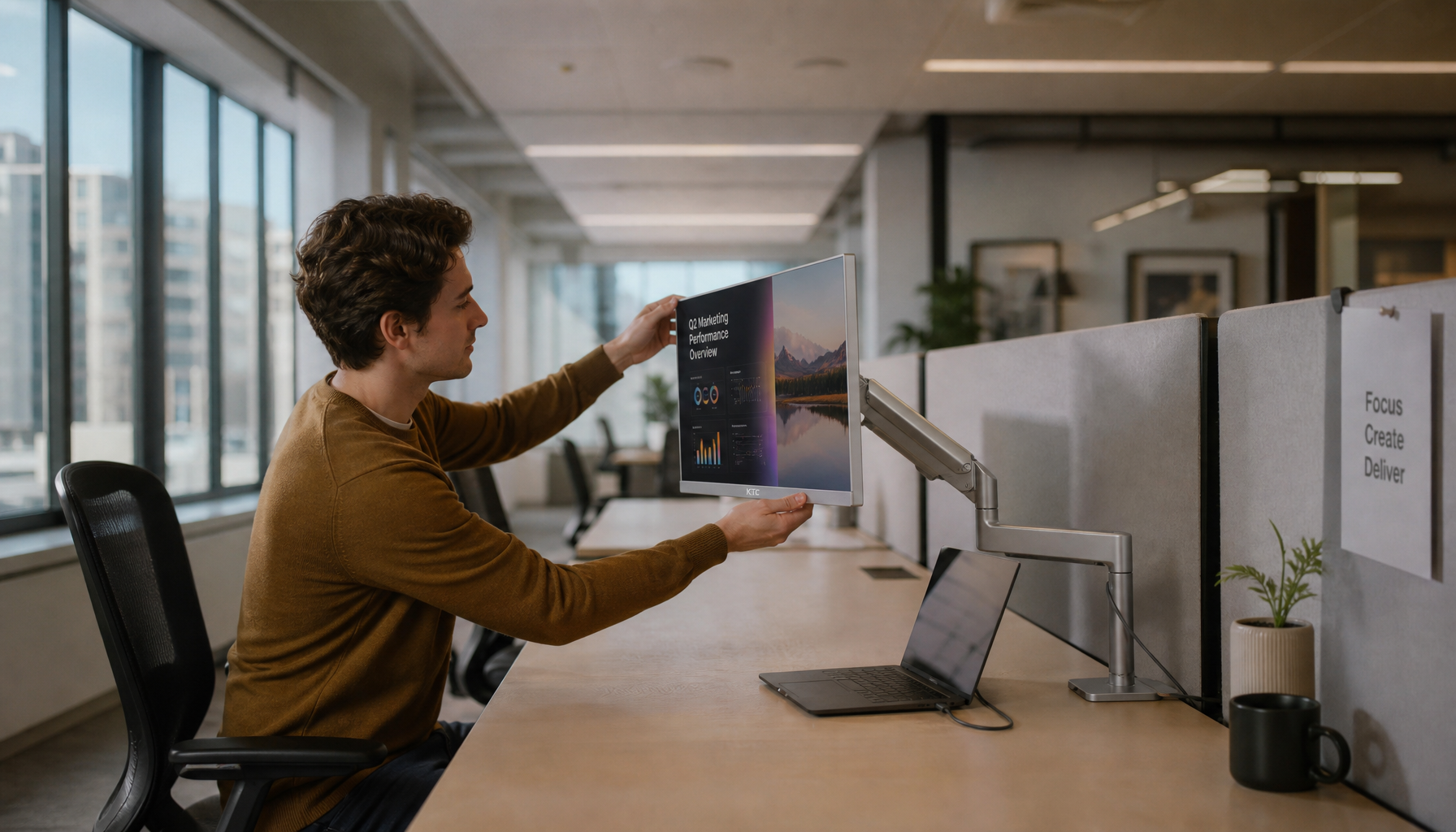
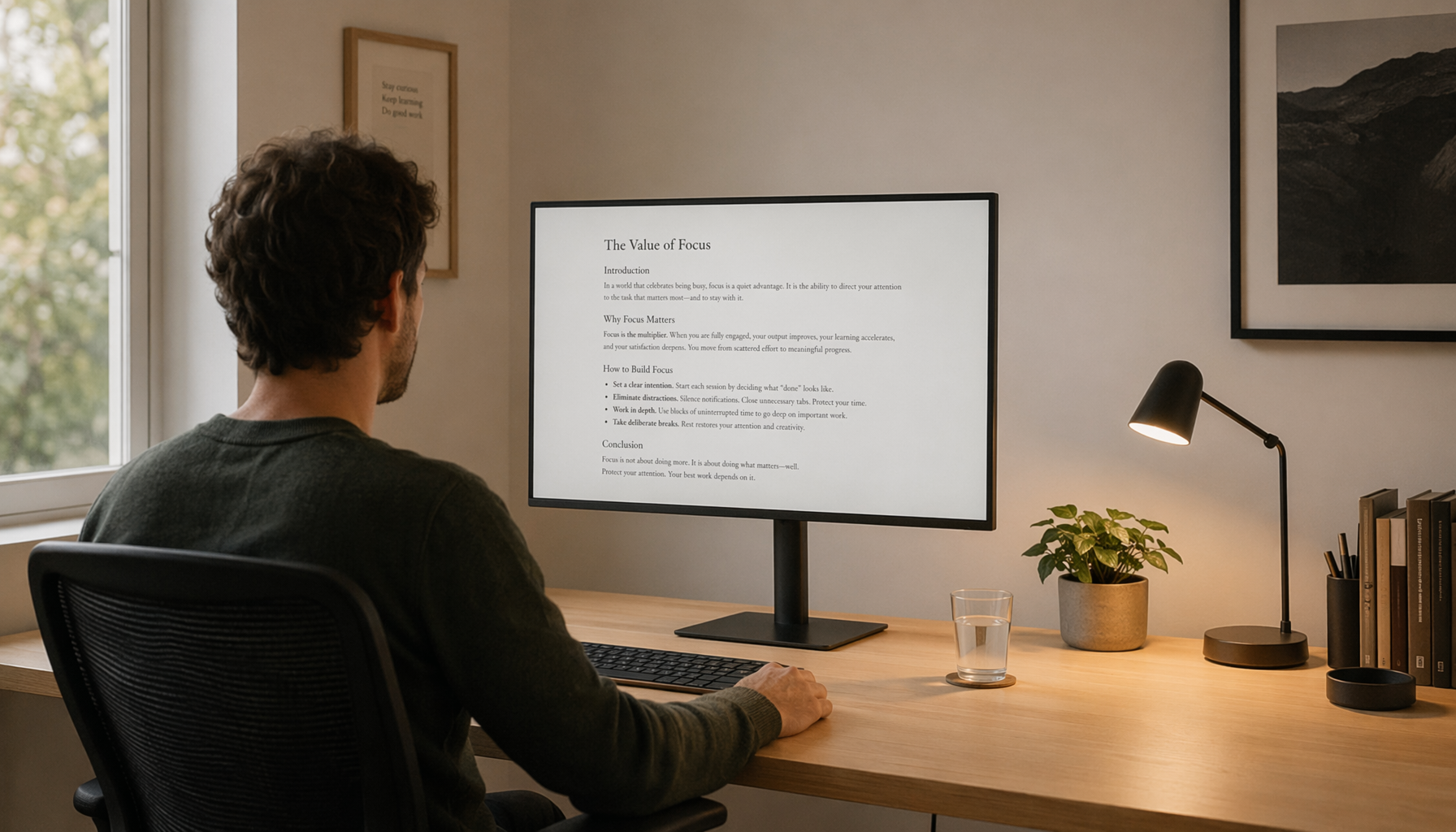
Mixed work-and-gaming use makes OLED burn-in prevention feel important, because static taskbars, docks, tabs, and HUDs can sit in the same screen zones for long stretches. The good news is that sensible settings and habits can reduce exposure. The limit is simple: no setup can guarantee burn-in will never happen.

What Burn-In Is and Why Mixed Use Raises Concern
Burn-in is permanent uneven wear, not the same thing as temporary image retention. RTINGS’ long-term burn-in testing describes it as cumulative wear that can show up when static elements stay in place for extended periods, which is why an office-style desktop can worry OLED buyers more than a full-screen movie setup. In plain terms, the screen does not care that you also game later; it cares how long the same bright shapes stay parked in one spot.
That is the main OLED burn-in prevention mindset to keep in view. If your day includes spreadsheets, browser tabs, chat panes, and taskbars in the same locations for hours, you are dealing with repeated static-zone exposure. If your content changes often, the risk picture is usually calmer.
The right expectation is cautious, not fearful. Good care habits may reduce risk, but they do not make OLED immune.
For a matching workday refresher, OLED desktop burn-in prevention goes deeper on office-style usage.
Main Risk Factors on a Hybrid Desk
For mixed-use desks, the biggest risk usually comes from repeated static UI rather than gaming itself.
- Taskbars and docks matter because they often stay in one place all day.
- Browser chrome, pinned tabs, and office ribbons can create the same wear pattern if they never move.
- HUDs, scoreboards, and always-on chat panes add more fixed shapes during gaming sessions.
- Long work blocks before you game later in the day increase total on-time for those same screen zones.
- Higher brightness tends to increase stress, and Tom’s Hardware notes that lower brightness reduces thermal load on OLED materials.
The practical takeaway is not “never use OLED for work.” It is “watch the parts of your workflow that keep the same bright elements visible for a long time.” If your desk is mostly video, documents that move around, and full-screen gaming, the exposure profile is usually less concerning.
For a deeper daily-work refresher, this office burn-in habits guide is a useful follow-up.

Settings That Lower Daily Exposure
For most buyers, the first settings to check are brightness, sleep timing, and the built-in protection features your monitor actually offers. On a mixed desk, those three choices usually matter more than cosmetic picture tweaks.
Brightness, HDR, and Comfort Targets
Start with the lowest brightness that still feels comfortable in your room. That is especially important if you leave HDR on for desktop use, because static interface elements can look brighter than they need to be.
If the room is bright, you may need a more visible preset during the workday and a lower one at night. That is normal. The goal is not to chase a perfect number; it is to avoid running the panel brighter than necessary for long stretches.
Sleep, Standby, and Idle Timing
Short idle-to-sleep timing is one of the easiest ways to cut exposure. When you step away, the screen should not sit there showing the same desktop, login screen, or app layout for no reason.
Check the monitor's sleep behavior separately from your PC's sleep settings. If the display and the computer sleep at different times, the one with the longer delay can still leave the panel active longer than you intended.
UI Protection Features to Check
Look for features such as pixel shift, logo or taskbar dimming, screen saver behavior, and automatic panel-care routines. The names vary by brand, so it is worth checking the menu instead of assuming the feature is present.
These tools help most when you actually use them. They reduce exposure time and spread wear more evenly, but they are support tools, not a guarantee.
If you want a closer look at one featured option, the KTC OLED 27-inch G27P6 gives you a neutral place to compare OLED desktop features after you decide the category still fits.
Daily Habits That Matter Most
Settings help, but daily behavior usually decides how much static exposure accumulates.
Manage Static UI Elements
Auto-hide taskbars when you can. Minimize docks, reduce always-on widgets, and trim browser clutter if those elements stay visible for hours.
Even small UI changes matter because burn-in risk is cumulative. A tiny logo or toolbar that sits in the same spot every workday can create more concern than a screen full of moving content that changes every few minutes.
Vary Your Screen Layout
If you spend the day in email, spreadsheets, and browsing, move your windows around instead of locking into one frozen layout. Full-screen video, alternate workspaces, or a different browser arrangement can spread exposure more evenly.
This does not need to become a chore. The idea is simply to avoid the same bright interface in the same location all day, every day.
Use Breaks and Screen-Off Time
Let the screen sleep during meetings, lunch, and short breaks. That is usually more effective than leaving a paused window or login screen visible while you step away.
A screen that is off cannot accumulate the same static exposure. That makes ordinary work breaks one of the easiest risk-reduction habits to keep.
Game Without Leaving HUDs Up Forever
If a game lets you reduce HUD persistence, take that option. If you pause for a long time, it is better to exit to a menu or let the display sleep than to leave the same HUD on-screen indefinitely.
Gaming is still part of the use case. The issue is only the habit of leaving fixed overlays visible for long stretches after a full workday.
OLED Versus Mini-LED for Mixed Use
OLED still makes sense for some mixed-use buyers, but Mini-LED is the lower-anxiety choice when static interfaces dominate the day. OLED-Info’s summary of RTINGS reliability findings also helps balance the conversation: OLED can be a strong panel choice overall, but the burn-in discussion is really about usage pattern, not blanket panic.
| Mixed-Use Pattern | OLED Fit | Mini-LED Fit |
|---|---|---|
| Low static UI time, frequent content changes | Strong fit if you want deep blacks and vivid contrast | Also fine, especially if you prefer brightness headroom |
| Moderate static UI time, some repeated desktop work | Reasonable if you follow the habits above | Easier if you want less upkeep anxiety |
| High static UI time, long work blocks every day | Possible, but not the calmest choice | Usually the safer-feeling path |
| Maintenance anxiety matters more than picture quality | Not the best emotional fit | Better fit for peace of mind |
| You care most about contrast and black levels | Best fit | Good compromise, but not the same look |
If your desk is mostly spreadsheets, browser tabs, chat, and taskbars, Mini-LED usually feels simpler. If your day includes plenty of changing content and you want the OLED image experience, OLED can still be the better fit. The choice flips when your tolerance for maintenance is lower than your interest in picture quality.
For browsing, you can compare the all-OLED lineup or keep the Mini-LED options in mind if you want the lower-anxiety route.
A Practical Decision Checklist Before You Buy
Use this as a quick confidence filter before you add anything to cart.
- Do you spend meaningful time on changing content, not just the same desktop all day?
- Are you willing to use sleep, standby, and idle-timer settings every day?
- Will you lower brightness when the room allows it?
- Can you hide or dim static UI elements most of the time?
- Do you accept that OLED burn-in prevention is about lowering risk, not eliminating it?
- If that feels like too much upkeep, would Mini-LED give you a better peace of mind fit?
If your answers lean toward varied use and basic care, OLED remains a sensible option. If your answers lean toward static-heavy work and zero-fuss comfort, Mini-LED is probably the easier buy.
For a featured OLED path, the G27P6 is the natural check-before-buying option. If you want the lower-maintenance alternative, compare the M27T6S or the M27T6 against your workflow.
FAQs
How Much Does Mixed Work and Gaming Use Increase OLED Burn-In Risk?
The risk is driven more by static content time, brightness, and how long the screen stays on than by the fact that you game and work on the same monitor. A hybrid desk is only a problem when the same UI zones stay visible for long stretches.
Can a Screen Saver or Auto-Sleep Setting Prevent Burn-In?
No setting can guarantee prevention, but screen savers and auto-sleep can reduce exposure time. Think of them as useful support tools that work best when they are part of a broader habit pattern, not as a one-step fix.
What Is the Safest Brightness Level for Daily OLED Use?
The safest practical choice is the lowest brightness that still feels comfortable for your room and task. There is no universal number that fits every desk, and the right setting may change between daytime work and evening gaming.
Should I Avoid OLED If I Keep Spreadsheets and Browser Tabs Open All Day?
Not automatically, but that workflow is one of the strongest reasons to consider Mini-LED instead. If spreadsheets, tabs, and taskbars stay in the same spots for hours most days, OLED starts to feel like a higher-maintenance choice.
Can an OLED Monitor Be a Good Choice for a Shared Home Office?
It can be, if the shared setup still has varied content and consistent sleep habits. The more the monitor stays on for long stretches with the same desktop layout, the harder it is to manage static exposure across different users.
If you want the simpler path, Mini-LED is usually the easier fit for a static-heavy desk. If you are comfortable with the habits above, OLED can still work well for mixed use.
Wrap-Up
OLED burn-in prevention is mostly about reducing repeated static exposure, keeping brightness sensible, and letting the display sleep when you are away. If your desk stays varied, OLED can still be a good fit. If your day is mostly fixed UI, Mini-LED usually asks less of you.