OLED burn-in still matters in 2026, but for mixed desktop use the risk is usually about workload and settings rather than a simple yes-or-no verdict. If you leave the same taskbar, browser chrome, or dashboards on screen for long stretches, OLED needs more care; if your desktop is varied and you use the built-in protections, it remains a reasonable choice.
OLED Burn-In in 2026: What Still Matters
The cleanest way to think about OLED burn-in is as a long-term wear question, not a panic trigger. Background standards for OLED displays separate temporary image sticking from permanent luminance lifetime degradation, which is why a short-lived shadow on a panel should not be treated as proof of lasting damage.

In practical 2026 terms, the question is not whether OLED is “safe” in the abstract. It is whether your desk habit creates enough repeated static stress to matter over a 3 to 5 year ownership window. Background research on OLED materials indicates that localized hotspots can accelerate degradation, which helps explain why repeated fixed elements are the real concern rather than one-off use.
Two decision sentences are useful here: if your desktop is truly mixed and you let the panel maintenance routines run, OLED is usually still a good fit; if you keep bright, fixed UI on screen for most of the day, Mini-LED is the safer choice. Torture tests and long-duration stress reports are useful warning signs, but they are not a direct forecast for a normal office-plus-gaming desk.
How Burn-In Differs From Image Retention
Temporary image retention is the annoying, usually reversible part. True burn-in is the persistent kind that stays tied to the same UI shapes or screen zones even after content changes. That distinction matters because a quick afterimage can fade once the display content changes or the panel runs its refresh routines, while permanent wear does not.

A simple self-check is more useful than staring at the same desktop for minutes. Switch to a full-screen neutral gray or white pattern, then look for shapes that remain anchored in the same place across the panel. If the unevenness disappears or softens after content changes, you are likely seeing retention. If it stays locked to the same area, you may be looking at actual wear.
For readers who want a deeper panel-generation context, the 2026 OLED panel generations guide is a useful follow-up. Keep in mind that a blog explanation can help with interpretation, but it should not replace a controlled visual check on your own display.
Firmware Protections That Actually Help
Built-in protections matter because they spread stress instead of letting the same pixels carry the full load all day. Pixel shift, logo dimming, and periodic compensation cycles are documented mitigations that lower static-element stress.
For most desktop users, the practical rule is simple: leave the protection features on unless you have a very specific reason not to. Those routines matter most when taskbars, menu bars, app chrome, or persistent overlays stay in the same place for hours.
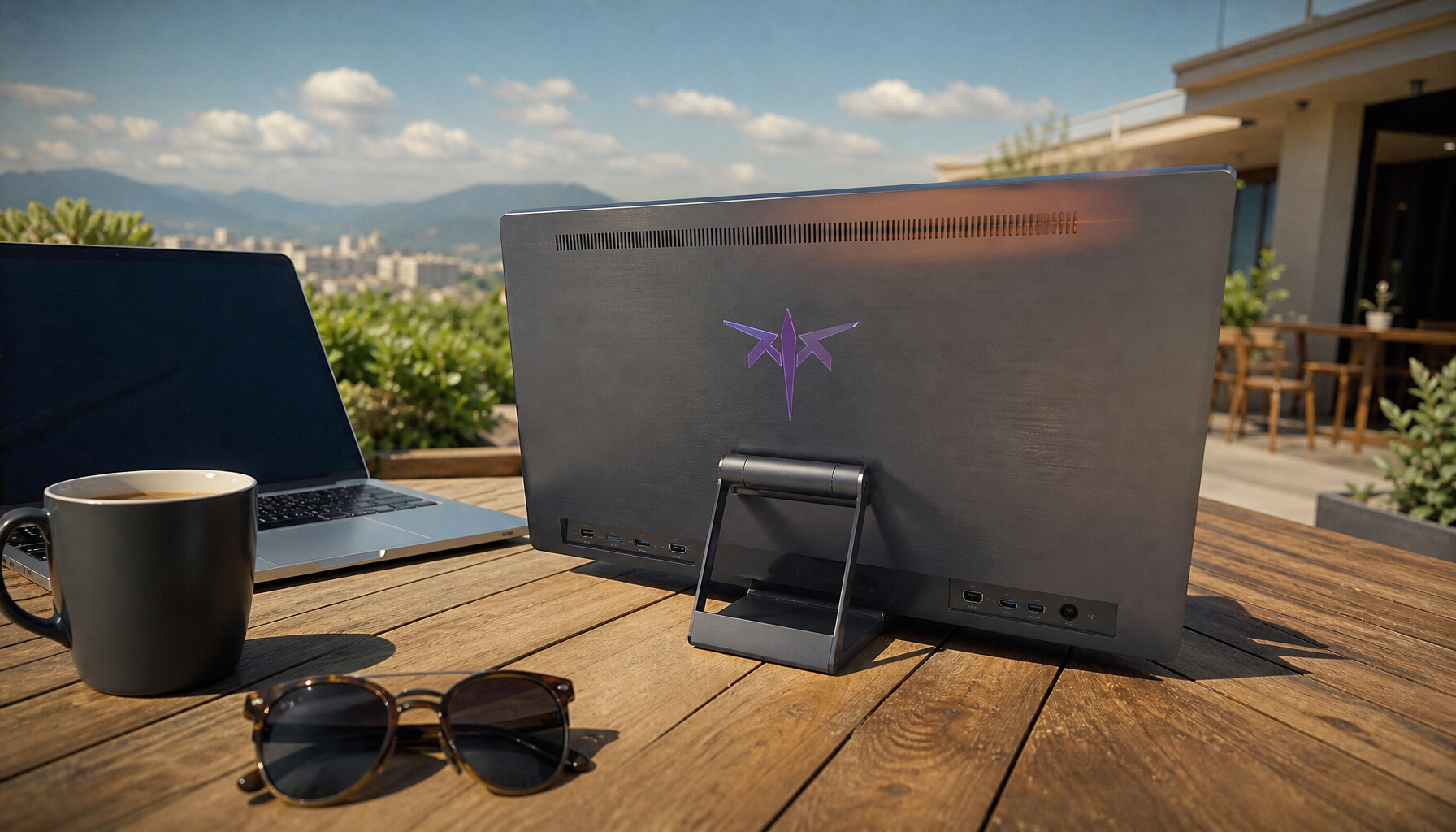
If you want a product example that keeps the discussion concrete, the KTC OLED 27" 2K 240Hz/0.03ms USB-C Gaming Monitor | G27P6 lists anti-burn-in nano-textured glass and a 3-year warranty in its product facts. That does not make burn-in impossible, but it does show the kind of protection language buyers may want to verify before choosing an OLED monitor.
Daily Habits for Mixed Desktop Use
For mixed desktop use, habits matter more than exotic settings. The goal is not to make the monitor miserable to use. The goal is to lower repeated stress on the same pixels without sacrificing normal productivity.
- Keep bright static UI elements low when you can, because fixed shapes are the part that compounds over time.
- Use a darker desktop theme or automatic dimming if it does not get in the way of work.
- Let screensaver, sleep, and idle timeout settings do their job during breaks.
- Hide or move persistent taskbars, docks, and browser chrome when your workflow allows it.
- Avoid leaving the panel at maximum brightness for long, uninterrupted desktop sessions unless you actually need it.
A useful decision sentence is this: if you are willing to make a few small habit changes, OLED burn-in risk becomes more manageable; if you want a monitor that can sit on a bright static desktop all day with almost no thought, Mini-LED is the easier fit.
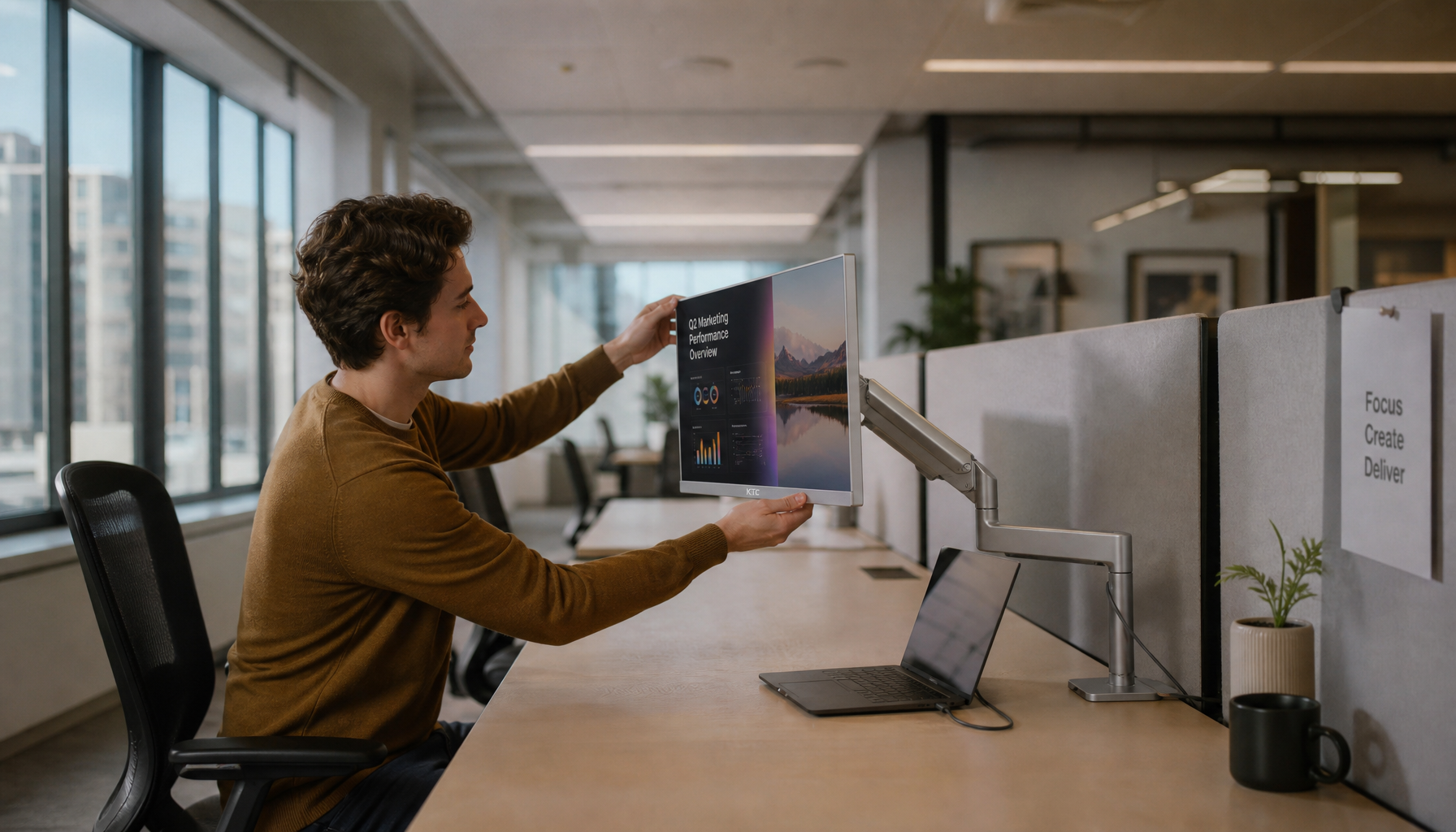
For a related setup angle, logo watermarks and overlays risk are worth understanding because they behave like a worst-case version of the same problem. If your desktop regularly includes logos, chat boxes, or fixed status bars, the exposure pattern matters more than the app label itself.
Which Desktop Workloads Raise Risk Most
| Workflow type | Static UI exposure | Brightness demand | Session pattern | Practical risk level |
|---|---|---|---|---|
| Document-heavy productivity | High, if toolbars and tabs stay fixed | Often moderate to high | Long and repetitive | Higher |
| Mixed office-plus-gaming | Moderate | Variable | Alternates static and moving content | Moderate |
| Streaming or overlay-heavy work | High | Often high | Long and persistent | Higher |
| Creative work with rotating canvases | Lower to moderate | Variable | More content changes | Lower to moderate |
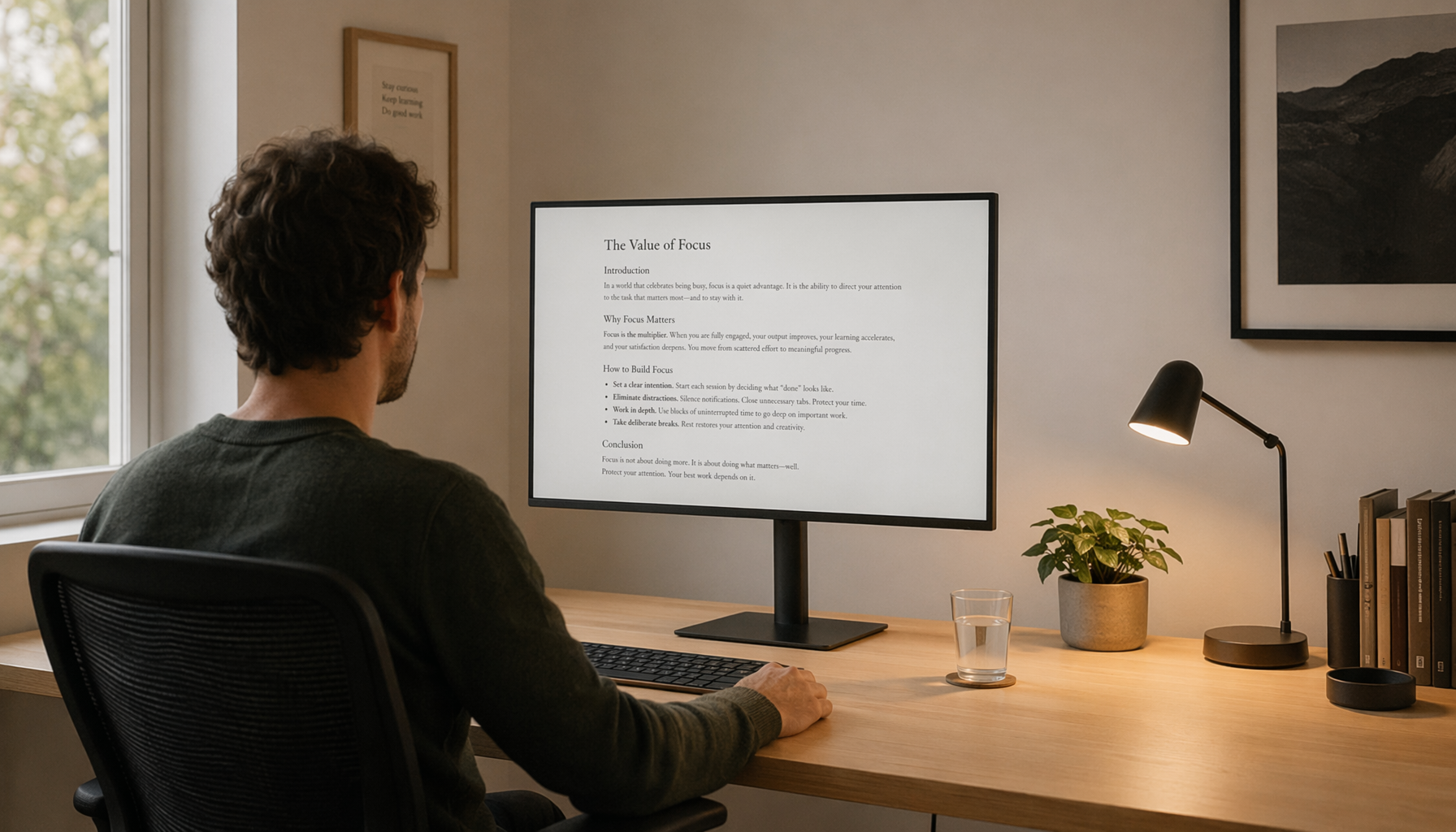
The key judgment is that workload pattern matters more than the app name. A browser full of fixed tabs can be riskier than a full-screen video session, even though both look like “computer use.” Mixed office-plus-gaming use is generally easier to manage than an all-day dashboard desk, especially if brightness stays sensible and the panel maintenance routines remain enabled.
The Gaming Monitor collection is a good browsing path if you are comparing faster desktop displays more broadly, but for burn-in concerns the real question is whether your daily pattern is static enough to justify moving away from OLED entirely.
OLED Versus Mini-LED for Static UI Work
Mini-LED becomes the safer choice when your desk leaves fixed elements on screen for many hours every day. That is the core trade-off. OLED still makes sense when you value deeper blacks and are willing to manage brightness, sleep settings, and firmware protections.
All-OLED Monitor is the natural category path if you already want the OLED experience and are filtering by panel type first. By contrast, All-Mini-LED Monitors is the cleaner path if you want to reduce burn-in anxiety before you think about picture quality.
A practical way to decide is to check three things first: room brightness, how often fixed UI stays visible, and how much maintenance you are willing to do. If the room is bright and the desktop is static, Mini-LED usually wins. If the room is moderate, the workload changes often, and you want OLED contrast, OLED is still defensible.
For readers comparing specific monitor examples, the KTC Mini LED 27" 180Hz 2K HDR1400 Gaming Monitor | M27T6 and KTC Mini LED 27" 200Hz 2K HDR1000 Gaming Monitor | M27T6S are straightforward category references because their product facts support burn-in-immune Mini-LED positioning. They are not OLED substitutes in every way, but they are the cleaner fit when static UI exposure is the dominant concern.
FAQs
Q1. How Long Does It Take for OLED Burn-In to Show Up in Desktop Use?
There is no universal calendar timeline. The visible result depends more on how long fixed UI elements stay in the same place, how bright they are, and whether the panel’s compensation features are active. Two people can own the same monitor for years and have very different outcomes.
Q2. Can Pixel Refresh or Compensation Reverse Burn-In?
These routines can help with image retention and overall uniformity, but they should be treated as maintenance tools, not a reliable repair for permanent wear. If the problem is true burn-in, compensation may make it less obvious, but it should not be expected to fully restore the original panel state.
Q3. What Warranty Details Matter If Burn-In Appears?
Look for whether burn-in is explicitly covered, how long coverage lasts, and what proof the seller may request before approving a claim. A longer warranty is useful, but only if the policy language clearly addresses OLED-specific wear rather than just general defects.
Q4. Is Burn-In Still a Problem on New OLED Monitors in 2026?
Yes, but the practical risk is lower than it used to be for normal mixed use. Modern protections help, and many users never see serious issues. The risk is still real for bright, static desktop workloads, which is why workload pattern matters more than marketing confidence.
Q5. Should Static Office Users Choose OLED or Mini-LED?
If your day is mostly spreadsheets, browser tabs, dashboards, and fixed toolbars, Mini-LED is usually the safer choice. OLED is better reserved for users who want the contrast advantage and are willing to manage static UI exposure carefully. Bright rooms and long fixed sessions push the decision toward Mini-LED.
The Safest Choice Depends on Your Desk
Match panel type to your actual workflow. Mixed desks with enabled protections keep OLED reasonable. Static, bright, or low-maintenance setups favor Mini-LED for lower long-term risk. Check room lighting, UI patterns, and your tolerance for brightness or sleep settings before deciding.