Yes, you can use multi-touch gestures on a portable monitor connected to an Android phone, but only when the phone, monitor, cable, connection mode, and Android interface all support touch data, not just video.
Pinching a map on a bigger screen should feel natural, not like fighting a mirrored phone image on an unresponsive glass panel. A well-matched USB-C setup can give you tap, swipe, scroll, pinch-to-zoom, and sometimes 10-point touch control from a portable display, which is a practical upgrade for Android desktop work, travel productivity, presentations, and touch-first media control. This article explains what has to be true before multi-touch works and how to avoid buying the wrong screen or cable.
What “Multi-Touch” Means on a Portable Android Setup
Multi-touch means the display can recognize more than one finger at the same time, so actions like two-finger scrolling, pinch-to-zoom, rotation, and app-specific gestures can work. The basic concept is consistent across touch platforms: multi-touch gestures are input shortcuts for navigation and control, not a separate display feature that appears automatically because a screen is larger.
For Android phones, the important distinction is between video output and touch input. A portable monitor may show your phone’s screen through USB-C or HDMI, but the touch layer usually needs a separate data path back to the phone. USB-C can carry video, power, and touch data through one cable when the devices support it. HDMI, by contrast, normally carries video only, so many HDMI setups need an additional USB connection for touch, and some phone-adapter setups will only mirror the screen without accepting touch input.

In real use, this means a 15.6-inch portable touch monitor connected by one full-featured USB-C cable may let you scroll a document, tap Android apps, and pinch photos. The same monitor connected through a basic USB-C-to-HDMI adapter may display the phone perfectly while ignoring every tap.
The Hardware Requirements That Decide Whether Gestures Work
The cleanest Android-to-portable-monitor setup starts with a phone that supports USB-C DisplayPort Alt Mode. This feature lets the phone send video through its USB-C port, and it is the key requirement for simple smartphone-to-monitor pairing. A single USB-C cable can be enough only when the phone, monitor, and cable are all built for video-capable USB-C rather than charge-only USB-C.

The monitor also needs a capacitive touch panel, preferably with 10-point multi-touch. Capacitive touch is the modern standard for responsive phone-like interaction because it supports multi-finger gestures such as pinch-to-zoom and two-finger controls. A 10-point capacitive touchscreen gives the monitor enough touch recognition for modern gesture workflows, although most office and phone tasks use two or three fingers rather than all 10.
The cable is the most common weak link. Many USB-C cables charge devices but do not carry video or full data. For a one-cable Android setup, use a full-featured USB-C cable rated for video, not a random charging cable from a power bank. If the monitor supports USB-C Power Delivery pass-through, it can reduce battery drain by powering the display and possibly charging the phone during use.
Setup Type |
Video Output |
Touch Input |
Best Use |
USB-C with DP Alt Mode and touch data |
Yes |
Usually yes |
Android desktop mode, productivity, drawing, app control |
Yes, if phone supports video out |
Often no |
Presentations and media mirroring |
|
Wireless casting |
Yes |
Usually no on the monitor |
Casual viewing and slides |
Android smart monitor running its own OS |
Built in |
Yes on the monitor itself |
Kiosks, signage, streaming, smart hubs |
Android Phone Compatibility Is Not Universal
Not every Android phone can drive a portable monitor directly. Many flagship and gaming phones support wired display output, but budget and midrange models vary heavily. The phrase “USB-C” on a spec sheet is not enough; the decisive term is DisplayPort Alt Mode or DP Alt Mode.
Android desktop mode is the strongest use case because it turns supported phones into a larger-screen workspace. With a touch portable monitor, the setup can feel close to a compact workstation: one window for email, another for a browser, and touch control for quick scrolling or app switching. Add a Bluetooth keyboard and mouse, and the touch monitor becomes a direct-control surface rather than just a second screen.

Phones without native video output may still connect through adapters or DisplayLink-style solutions, but expectations should be lower. A USB-C to HDMI adapter can solve display output in some cases, yet it may not solve touch return, latency, charging, or app compatibility. For gaming and fast touch interaction, wired USB-C is the better target.
What Gestures You Can Realistically Expect
On a compatible Android touch monitor, expect basic taps, long-presses, swipes, scrolling, pinch-to-zoom, and app-specific gestures where the app supports them. In a photo viewer, pinch-to-zoom is the obvious win. In map-style navigation, two-finger zoom and drag gestures feel more useful on a 14- to 16-inch panel than on a phone screen. In Android desktop mode, touch can help with quick window selection, app launching, scrolling, and casual annotation.
Do not assume every gesture from a desktop operating system or laptop touchpad will map directly to Android. Those gestures are tied to their operating systems and input models. For example, desktop touchpad gestures can include three-finger and four-finger desktop controls, while Android’s behavior depends on the phone’s launcher, desktop mode, app, and external-display handling.
This is where product claims can become slippery. A monitor advertised as “10-point touch” may have excellent hardware, but the actual gesture result depends on Android recognizing it as a touch input device. A high-quality monitor cannot force an app to support two-finger rotation or advanced creative gestures if the Android app was not built for that workflow.
Pros and Cons for Productivity, Gaming, and Travel
The biggest advantage is control density. A portable touch monitor lets you keep the phone as the computer while gaining a larger canvas for documents, dashboards, presentations, video calls, and media. A touchscreen monitor for Android can reduce reliance on keyboards and mice because taps, swipes, and gestures happen directly on the display.
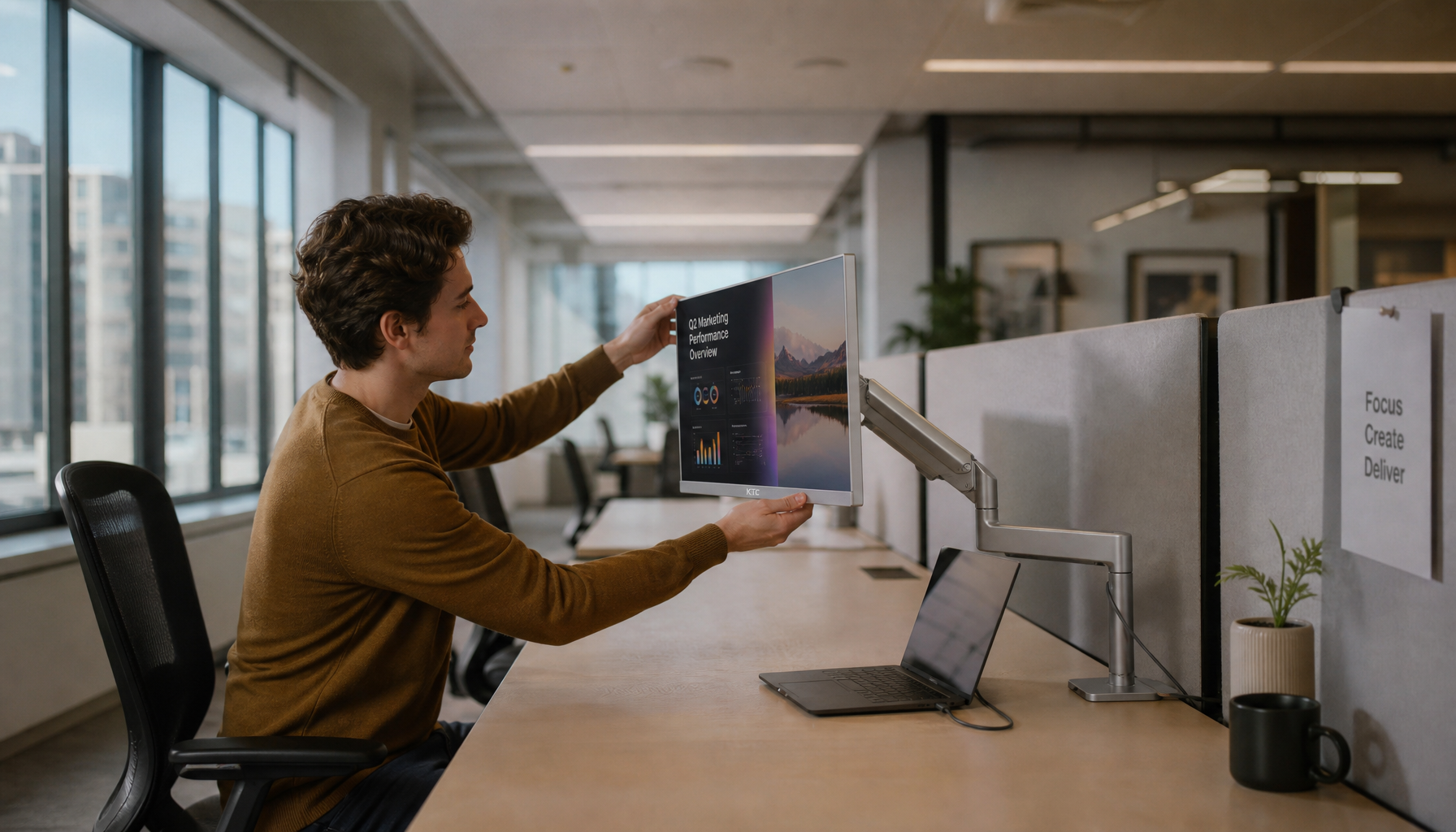
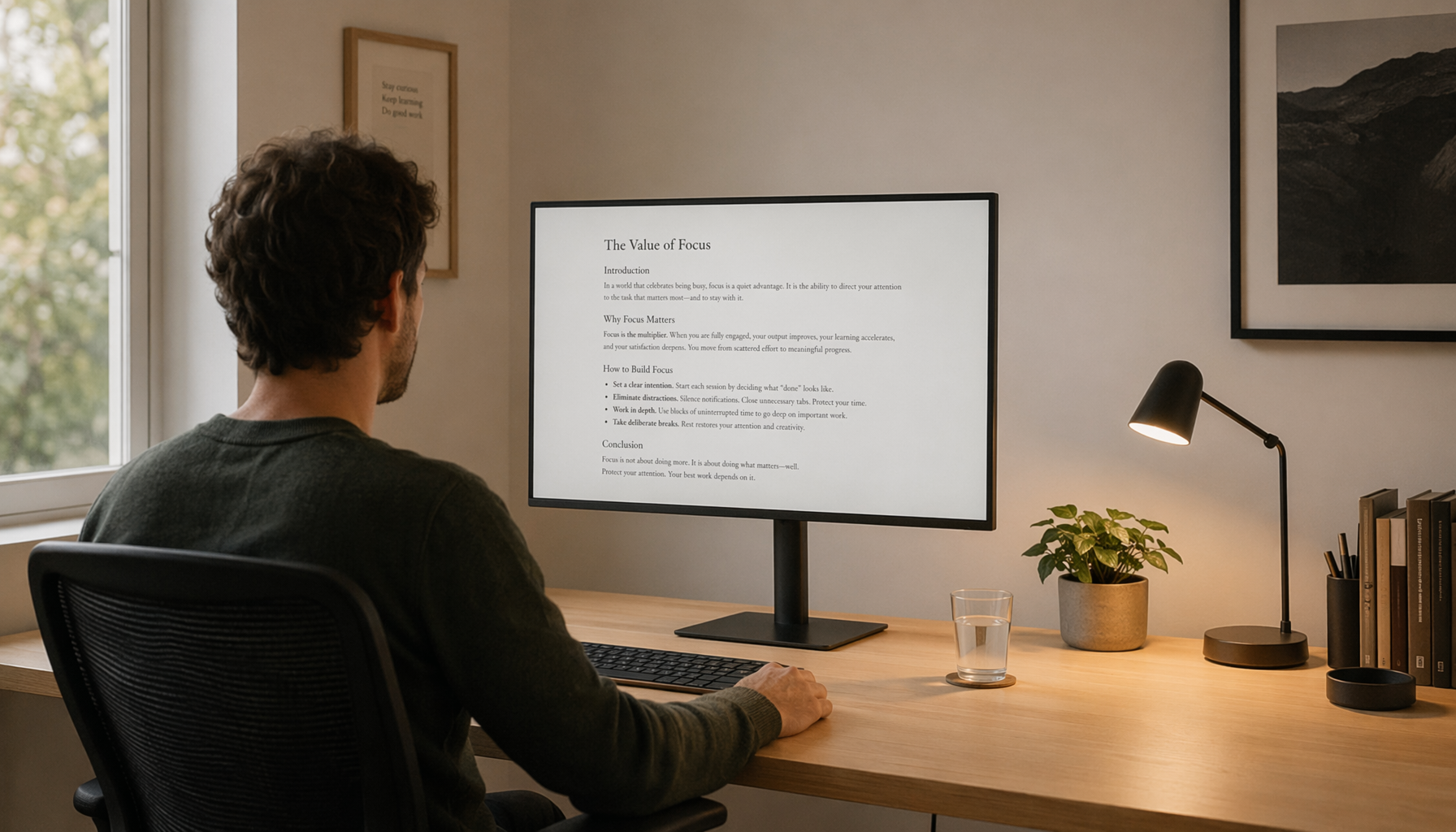
For office productivity, a 14- to 16-inch touch monitor is the practical sweet spot. It is large enough for a spreadsheet, document, browser, or Android desktop workspace, yet still travel-friendly. A 16:10 panel is especially useful because the extra vertical space helps with documents and web pages. For creative work, prioritize resolution, color coverage, stylus support, and touch latency rather than assuming more touch points equal better output.
The tradeoffs are real. Touch models cost more than non-touch portable monitors, draw more power, and can be more fragile because the glass surface is part of the interface. Some portable screens run for only a few hours on battery when brightness and touch are active. Latency also matters: for writing, swiping, and annotation, touch delay can make an otherwise sharp monitor feel cheap. The buying notes flag under 40 ms as acceptable and above 70 ms as sluggish, which matches the practical feel test: if a dragged note or sketch line visibly trails your finger, the setup is not performance-grade.

Buying Checklist Without the Guesswork
Before buying, confirm the phone supports USB-C DisplayPort Alt Mode, then confirm the monitor supports touch over USB-C rather than only display over USB-C. Look for capacitive touch, 10-point multi-touch, USB-C Power Delivery, and a stand that holds the panel steady while you tap. A portable monitor that wobbles every time you scroll will feel worse than a non-touch display with a good stand.
For most Android phone users, Full HD is enough on a 14- to 16-inch portable screen because it balances clarity and battery draw. The KTC buying guidance positions Full HD as the sensible default, while 4K is better reserved for photographers, video editors, and people who genuinely need fine visual detail. Brightness around 300 nits or higher is preferable for bright rooms, airport lounges, and window-side desks.
A simple pre-purchase test is to search your exact phone model plus “DP Alt Mode” and your exact monitor model plus “Android touch.” If either answer is vague, treat that as a risk. For a work-critical setup, buy from a seller with a return window and test taps, pinch-to-zoom, screen rotation, charging, sleep/wake behavior, and Android desktop mode on day one.
Troubleshooting When Touch or Gestures Do Not Work
If the monitor shows video but touch does nothing, start with the cable. Swap in a full-featured USB-C cable rated for video and data. Then check whether the monitor needs a second USB connection for touch. If you are using HDMI, assume touch will not return to the phone unless the monitor manual clearly describes Android touch support through an additional USB path.
If touch works but multi-touch does not, test with a simple app that supports pinch-to-zoom, such as a photo viewer or map. If one-finger taps work but pinch gestures fail everywhere, the monitor may be falling back to single-touch input, the Android device may not be recognizing the HID touch controller correctly, or the connection method may be limiting input data.
If gestures feel slow, reduce brightness, lower refresh rate if available, use wired USB-C instead of wireless casting, and keep the phone powered. Portable monitors can drain a phone quickly, and low-power states can make interaction feel less responsive. For stable desk use, a powered USB-C hub or monitor with pass-through charging is often the difference between a clever demo and a reliable daily setup.
FAQ
Can a portable monitor control any Android phone by touch?
No. The phone must support the right video and input path, and the monitor must return touch data to the phone. Many Android phones can mirror to a display, but mirroring alone does not guarantee touch control.
Does Android desktop mode support touch portable monitors?
Supported phones running Android desktop mode can work well with touch portable monitors when the USB-C connection carries video and touch data. This is one of the better Android use cases because the interface is designed for larger external screens.
Will HDMI support multi-touch gestures?
Usually not by itself. HDMI carries video, so touch typically needs a separate USB data connection. With phones, many HDMI adapter setups are display-only.
Is 10-point touch necessary?
It is not necessary for every task, but it is the right spec to look for. Two-finger gestures handle most phone workflows, while 10-point capacitive touch gives more headroom for modern apps, collaboration, and creative controls.
Final Word
A portable touch monitor can bring multi-touch gestures to an Android phone setup, but compatibility is earned, not assumed. Prioritize DP Alt Mode, capacitive 10-point touch, a full-featured USB-C cable, pass-through power, and a stable stand; that combination delivers the screen immersion and direct control that make the upgrade worth carrying.