Mini-LED blooming reduction for office desks is mostly about control, not elimination. If you work in documents, spreadsheets, email, or browser tabs, the goal is to make halos small enough that they stop grabbing attention. A mini-LED monitor can still be a practical productivity display when you tune it for SDR first and save HDR for specific sessions.

What Blooming Means at an Office Desk
Blooming or haloing shows up when the backlight zones brighten around a small bright object, like a white cursor or text, and that light spills into darker areas nearby. In office use, that stands out more than it does in games because spreadsheets, menus, and dark-mode apps keep those bright objects on screen for longer. Mini-LED bloom becomes a usability issue when the glow pulls attention away from reading.
That does not mean Mini-LED is a bad office choice. It means the trade-off is visible on a desk, especially when you spend hours in static UI. For most buyers, mini-LED blooming reduction for office desks is about getting the image calm enough for long sessions, not chasing a perfect zero-halo result.
A useful way to think about it is this: if bright UI elements keep drawing your eye, the display is asking for different settings, not necessarily a different category of monitor. If the same monitor feels fine in HDR video but busy in a browser, that is normal behavior for zone-based backlighting.
Settings That Reduce Halo Effects
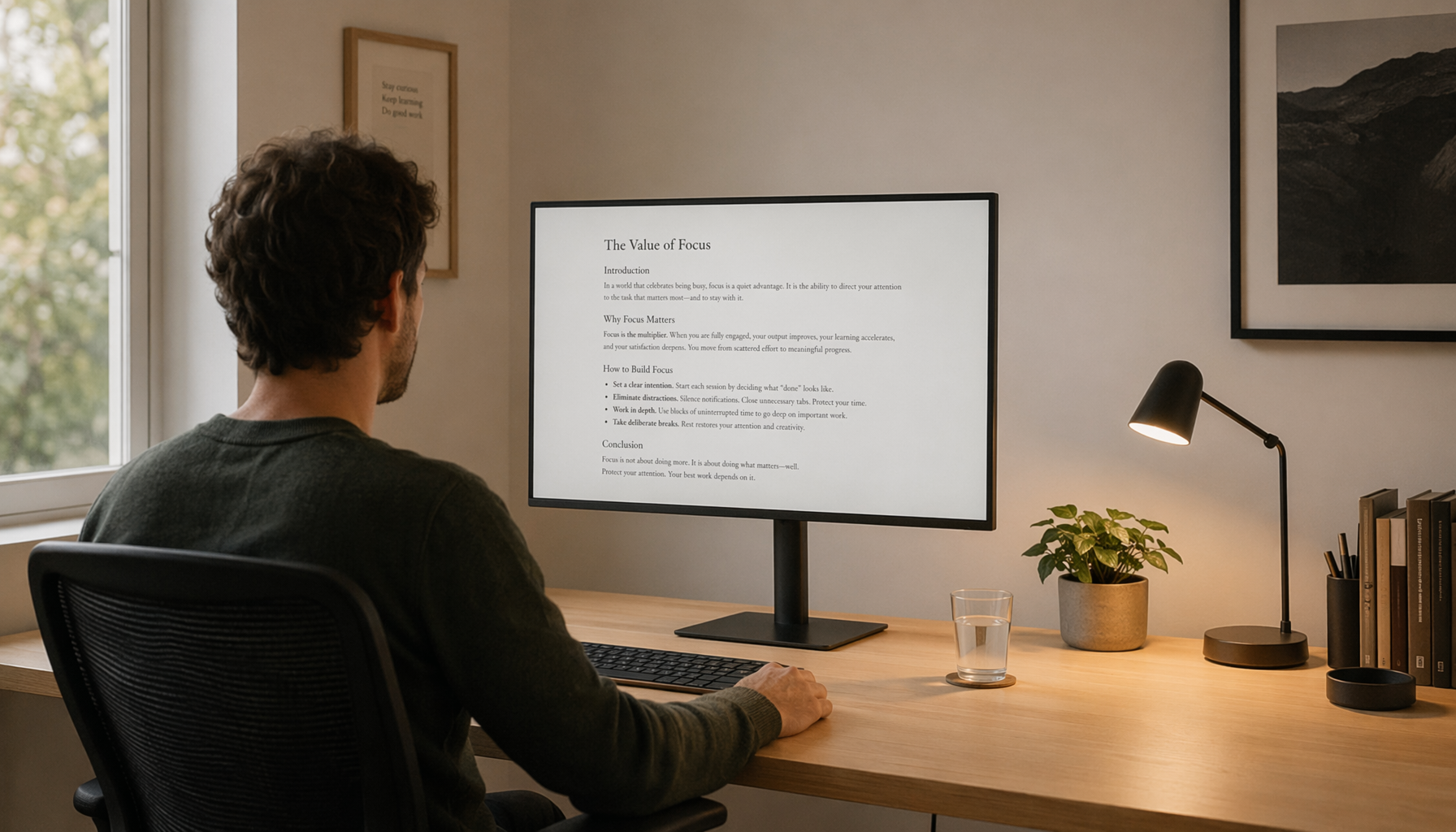
For office work, start with SDR and treat local dimming as a setting to test, not a feature to leave on by default. SDR usually gives a steadier desktop for spreadsheets, documents, chat, and web work, while HDR is better reserved for supported media or entertainment. The clean SDR baseline is the first step because it often removes the backlight shifting that makes text feel less stable.
Brightness comes next. A practical starting point is a moderate room-matched level, often around 40% to 60% in a normally lit office, then adjust from there if the image still feels too forceful or too dim. The brightness tuning range is not a universal rule, but it is a good first pass because too much brightness makes halos easier to notice.
Use local dimming selectively. If bright text, menus, or cursors still glow on dark backgrounds, step down to a lighter or medium/balanced mode. That is usually the safer mixed-use compromise when you want some contrast benefit without a busy desktop. For office work, medium often makes more sense than the most aggressive setting because it keeps the image calmer around hard-edged UI.
Here is the simplest workflow rule: if the session is mostly reading and writing, keep dimming light or off; if it is mostly HDR entertainment, move toward a stronger setting. That is why many mixed-desk HDR settings guides recommend two profiles instead of one universal preset.
Start With a Clean SDR Baseline
Set the display to SDR before you judge anything else. That keeps the desktop behavior more stable and makes it easier to tell whether the halo problem comes from the backlight or from other picture controls. If the monitor still looks sharp and calm in SDR, you may not need much more adjustment.
Avoid stacking extra sharpness or contrast before you fix the dimming behavior. If both controls are pushed hard, bright edges can look outlined even when the image is technically in focus. In office use, a simpler image usually feels better over a full workday.
Tune Brightness and Contrast for the Room
Brightness should match the room, not a showroom demo. In a bright office with window light, too little brightness can make the screen look muddy, while too much can make halos stand out more. The practical target is a comfortable middle ground that lets white documents read cleanly without making the panel feel overdriven.
Only touch contrast after brightness feels right. Contrast changes can make the image punchier, but they can also clip highlights or make backlight transitions feel harsher. If the room lighting changes a lot during the day, save one daytime preset and one evening preset instead of forcing a single compromise.
Use Local Dimming Selectively
Local dimming is the setting most likely to change halo behavior, so it is worth testing directly against your real work. Open a document, a spreadsheet, or a browser page with white text on a dark background, then switch between dimming levels. If the cursor glow or menu halos keep pulling your attention, step down one level or turn dimming off for SDR work.
That trade-off is normal. Why disabling local dimming can improve sharpness is simple: the backlight becomes more uniform, so text edges and UI borders look steadier even if blacks are a little lighter. For productivity, that often feels better than a more dramatic image.
Keep HDR for Specific Jobs
HDR is still worth keeping around for the right content. Movies, supported games, and some creative work benefit from the extra contrast and highlight impact. But for normal office tasks, HDR can make the desktop feel more active than helpful.
A good habit is to switch back to SDR after the entertainment session ends. That way the monitor returns to the calmer profile you actually want for email, docs, and tabs. If you keep HDR on all day, you may end up blaming the panel for a mode choice that was only meant for special content.
Office Workflows That Make Mini-LED Easier to Live With
Content choice matters as much as monitor settings. Light or balanced themes usually feel easier on a mini-LED monitor when dark-mode halos become obvious around white text. If you need dark mode for comfort, keep only the windows you need on screen and avoid stacking too many bright UI elements on black backgrounds.
Window arrangement also helps. A bright document or app panel sitting on a mostly dark desktop can make blooming stand out more, especially at a short desk distance. Try grouping related windows so you are not constantly moving between very different brightness levels. That small change can reduce the feeling that the screen is constantly shifting.
Bias lighting is optional, but it can help in darker rooms. A soft light behind the monitor reduces the contrast shock between a bright panel and a dark wall, which can make halos feel less harsh. If you want a quick setup tip, a gentle rear light is more useful than a bright lamp aimed toward the screen.
The safest routine is simple: office settings for work, HDR settings for entertainment, and a room that is not too dark. If a monitor still feels too busy after those changes, the issue may be the panel tuning or the room, not your eyes.

Which Mini-LED Setup Fits Office-First Buyers
If you want Mini-LED mainly for office work, check four things first: zone count, room light, how easily the monitor stays in SDR, and whether the stand lets you place the screen comfortably. A zone count around 1,000 to 1,500 is a practical benchmark where blooming is often less distracting for many office users, but it is still a guideline, not a guarantee. Minimum zone count for blooming is useful because it helps you separate calmer office-friendly Mini-LEDs from models that need more tweaking.
That is also where Mini-LED can compare well against OLED for desk work. OLED vs. Mini-LED text clarity for coding is often the reason office buyers choose it: text edges can feel more predictable for editors, spreadsheets, and long reading sessions. If your desk use leans heavily toward static documents, that matters more than extreme gaming specs.
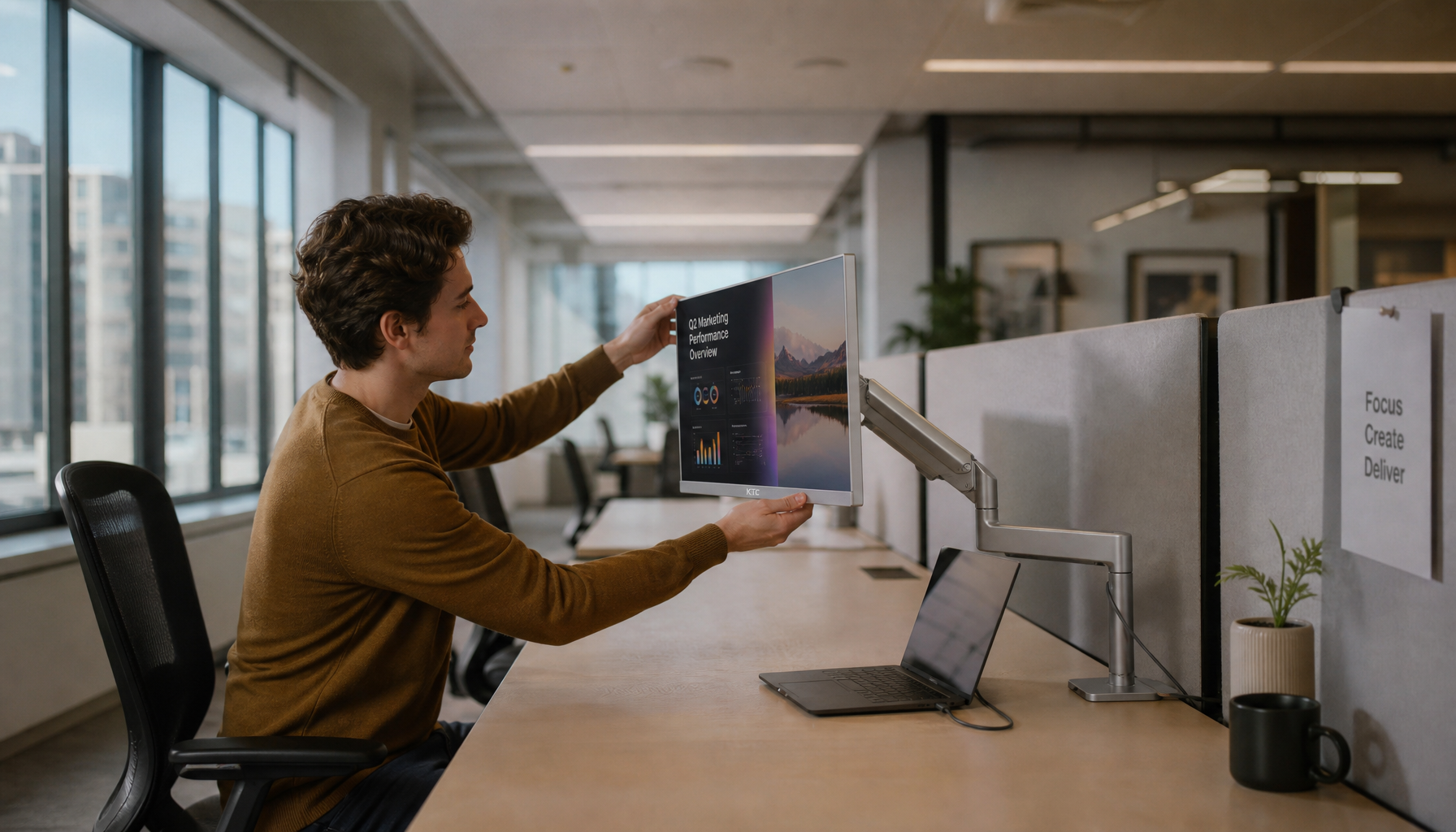
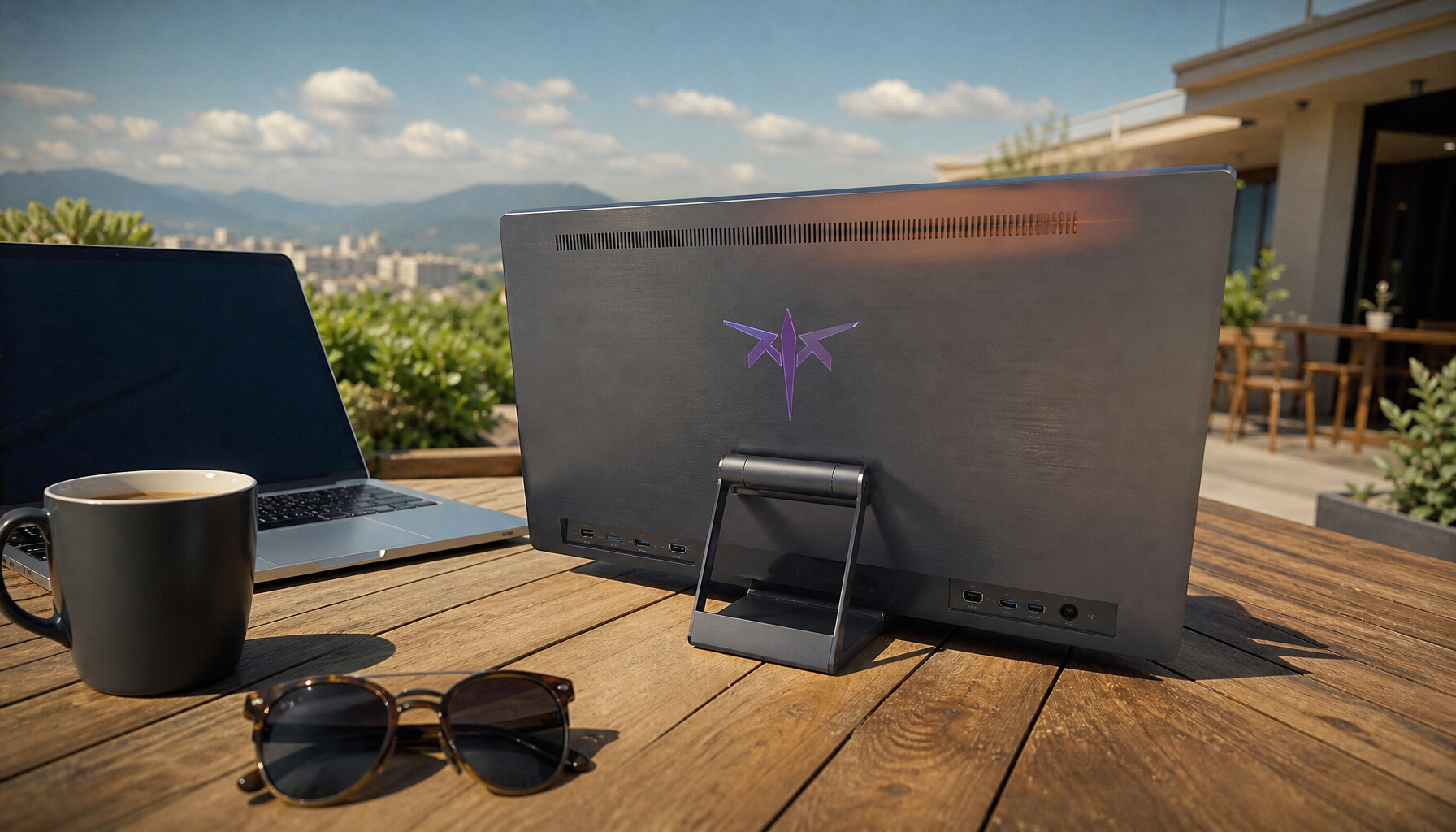
For a neutral hybrid example, the KTC M27T6 Mini LED Gaming Monitor is a 27-inch 2560x1440 Mini-LED model with full ergonomic adjustment, 180Hz refresh, and HDR1400 support. That makes it easier to place on a desk and easier to switch between work and entertainment. It is a stronger fit for office-plus-hybrid users than for buyers who want a pure office panel with no HDR ambition at all.
Here is the cleanest buyer filter:
| Buyer Need | Better Fit | Why It Matters |
|---|---|---|
| Mostly documents, email, and browser work | Standard office monitor | Less mode switching, simpler desktop behavior |
| Office work plus occasional HDR media | Mini-LED with adjustable dimming | You can keep SDR calm and still use HDR when needed |
| Dark-room desk use with bright UI | Higher-zone Mini-LED, careful tuning | More control helps, but settings still matter |
| Want the least halo distraction at any cost | OLED or a simpler office display | Mini-LED reduces blooming, but it does not remove it |
If you are browsing options rather than locking in one model, start with all Mini-LED monitors and compare them against the rest of the gaming monitor range. Those links are most useful after you have decided whether your desk needs office-first comfort or hybrid flexibility.
A Practical Office-Desk Setup Checklist
- Check your room light first. Bright windows, overhead glare, and a dark room all change how obvious blooming feels.
- Sit at your normal desk distance and open the apps you actually use, not a test image.
- Switch to SDR and judge whether the desktop already feels calm enough for work.
- Lower brightness to a comfortable level before changing more advanced picture controls.
- Test local dimming against cursors, menus, and white text on dark backgrounds.
- Decide whether HDR is truly part of your workday, or only an occasional entertainment mode.
- If the monitor still feels distracting after a full day, treat that as a fit check, not a failure.
The practical mini-LED blooming reduction for office desks answer is not to fight the monitor all day. It is to use SDR for work, keep brightness sensible, and reserve stronger dimming for the content that benefits from it. If you want Mini-LED for a mixed desk, that can work well. If you want a screen that never needs mode changes, a standard office monitor is the easier path.
FAQs
How Can I Reduce Mini-LED Blooming on a Desk Monitor?
Start with SDR, lower brightness to a room-appropriate level, and test local dimming against text and menus. If halos still pull your eye away from reading, keep dimming lighter for office work and save stronger settings for HDR media.
What Office Apps Make Blooming More Noticeable?
Spreadsheets, dark-mode email, browser tabs, chat apps, and small white UI elements usually expose blooming fastest. Those apps keep bright shapes on screen long enough that the halo is easier to notice than it is in full-screen video.
Why Does Local Dimming Feel Distracting During Long Work Sessions?
Local dimming behavior can keep changing the backlight behind static UI, so your eyes keep noticing small shifts around text and borders. That effect is often more tiring in reading-heavy work than in short bursts of gaming or video.
Can a Mini-LED Monitor Work Well for Office Use?
Yes, for many users, if you treat blooming as a trade-off and tune the monitor for productivity first. It is a better fit when you want contrast and occasional HDR, but a simpler office monitor is still easier if you want the least setup friction.
When Should I Turn HDR Back on at My Desk?
Turn HDR back on for supported movies, games, or other content that genuinely benefits from it. For normal office work, switch back to SDR so the desktop stays steadier and less visually busy.
Final Takeaway
Mini-LED blooming reduction for office desks is mostly about good defaults, not perfection. Use SDR for daily work, keep brightness moderate, and treat local dimming as a mode to test rather than a permanent setting. If you want a hybrid setup, Mini-LED can be a strong fit. If you want the calmest possible office desktop, a standard monitor is still the simpler choice.
Mini-LED local dimming settings are worth saving, but only if they make your desk easier to live with.