Smart display privacy controls matter most when the display is shared by multiple users, not treated like a personal device. The safest approach is to separate microphone and camera controls, account and guest access, and room-level verification, then confirm each one before the room goes live. Schools and workplaces should keep the wording conservative and verify the current device state instead of assuming a single setting solves everything.
Shared-Room Privacy Risks
In classrooms, huddle spaces, and meeting rooms, the main exposure points are easy to name but easy to miss in practice: microphones, cameras, sign-in history, and usage data. A shared display can look ready while still holding an old account, a live camera permission, or a cloud session that the next user should not inherit. That is why smart display privacy settings for shared spaces need room rules, not just one-time setup.
For institutional buyers, the question is not whether a display has privacy settings at all. It is whether staff can see the current state, reset it after use, and check it again after a move or reboot. If your team cannot verify the room state, the setting is not enough by itself.
A useful way to frame the category is to think in layers. Hardware controls help with visible state, account controls reduce lingering access, and room policy keeps those settings from drifting. If you are comparing shared-room options, start with the portable touch screen collection as a browsing path, then check the exact privacy workflow on the model you are considering.
Privacy Settings That Matter Most
The first settings to review are the ones that change whether people can see, hear, or reuse the display's session state. On Android-based smart displays, that usually means the microphone, camera, account access, guest behavior, and data-sharing options. The key is to confirm what each control actually does on the specific model, because a toggle may mute input, revoke app access, or only change a software permission.
Microphone and Camera Controls
If the display includes a physical mute switch or camera shutter, start there. A hardware privacy state is easier for staff to confirm at a glance than a software-only toggle, and Google's Smart Display help notes that physical controls provide a visible privacy state in shared settings. That matters in classrooms and meeting rooms, where a clear on/off cue is easier to trust than a menu item hidden in settings.
If the device only offers software controls, verify whether the setting mutes the microphone, blocks app access, or simply changes one permission layer. For an Android monitor microphone disable guide, the practical rule is simple: check the exact effect before rollout, and do not assume the same wording means the same result on every model.
Accounts, Guest Access, and Sign-In
Guest workflows are useful in shared rooms, but they are not a privacy guarantee. Google's Guest Mode for shared devices is designed to keep personal activity from persisting on the owner's account, which helps when users rotate through the same room. That makes it a strong fit for conference rooms and classroom carts where sign-in should be temporary.
What still needs checking is whether the device has a true guest session or only a lighter account switch. If staff need to present, cast, or join calls without leaving behind personal accounts, test that full workflow before the room opens. Guest access should reduce persistence, not replace the rest of the room policy.
Usage Data, Updates, and Cloud Services
Usage data controls deserve the same attention as mic and camera settings. Review diagnostics, sync, and cloud-service permissions separately so the team does not assume one toggle covers all data sharing. EDLA is best treated as a management and compatibility consideration, not a privacy certification by itself.
The trade-off is maintenance. More restrictive data settings may simplify privacy review, but IT still needs a way to keep the device updated and manageable. For shared-room deployments, that is usually a policy decision, not a one-time setup step.
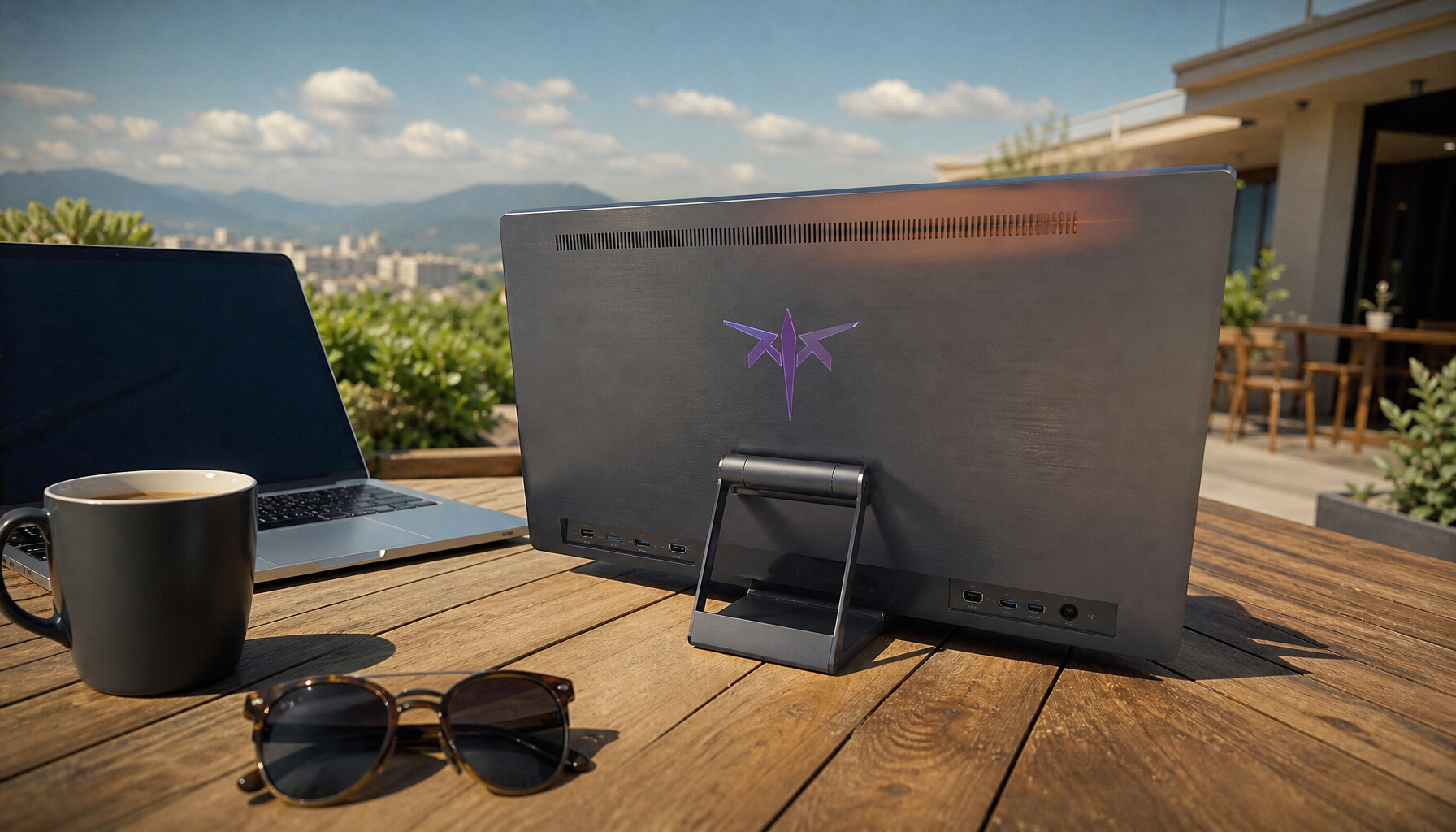
If you want a product example to inspect, the KTC MEGAPAD 27-inch model is worth checking for room-based use because its fact pack documents rolling use, Android 14, Google EDLA, and an 8MP camera. Confirm the exact camera and session controls in the manual before treating it as a privacy-ready deployment.

A Rolling Display Fit for Shared Rooms
Rolling displays are easiest to manage when the room team can repeat the same checks after every move. That is why a rolling smart display fit for shared rooms depends less on the panel size and more on the handoff process: who resets it, who checks the camera and mic, and who confirms guest access before use.
In practice, the best fit is a display that can move between rooms without turning every move into a new privacy project. That is where a device like the KTC MEGAPAD 32-inch model can be a reasonable candidate to review, because its documented wheels, battery, and mobile form factor support room-to-room movement. The privacy question still stays the same, though: can staff verify the room state after each move?
This is also where offline or reduced-cloud use can help in a cautious, limited way. In a moving-room workflow, fewer always-on cloud dependencies may reduce some exposure, but the main control is still the reset and verification process. If the room cannot be checked quickly after transport, the workflow breaks down.
Room Policies That Keep Control Consistent
- Set the baseline first. Decide which microphone, camera, account, guest, and telemetry settings are allowed in every shared room. Keep the baseline simple enough that a non-technical host can recognize it.
- Separate ownership from usage. IT can define the settings, but room hosts or facilities staff should know who confirms the display before and after use. Otherwise, settings drift between classes or meetings.
- Use network segmentation where practical. A segmented network or dedicated VLAN is a reasonable best practice for shared-room displays because it limits how far a compromise can spread. This smart-board security guide is a useful reminder that display security is a room policy problem, not only a device problem.
- Write a simple guest workflow. If guest access is allowed, define what it can do, how long it lasts, and what gets cleared afterward. Guest access should support collaboration, not keep old sessions alive.
- Match the policy to the room type. Classrooms usually need the tightest account separation. Huddle rooms may prioritize quick sign-in and cleanup. Rolling units need the most explicit post-move recheck.
For buyers comparing rollout options, the rolling office collaboration setup article is a good follow-up if your team needs a room-to-room use case, and the room-by-room setup checklist post is useful if you want a practical checklist mindset. Both are better treated as workflow references than as proof of privacy behavior.

How to Verify Privacy Before Deployment
Use a pre-flight check before the display enters service, then repeat the same checks after a room move or reset. The goal is not to prove perfect privacy. The goal is to confirm the device is in the expected state and still usable for teaching or meetings.
| Checkpoint | What To Verify | Pass / Needs Review | Why It Matters |
|---|---|---|---|
| Camera privacy | A visible camera cover, lens block, or documented camera-off state | Staff can confirm the state without digging through menus. | |
| Microphone control | The mic is muted or otherwise disabled in the documented way | Shared rooms need a clear voice-capture state. | |
| Account state | No leftover personal account remains signed in | Prevents the next user from inheriting private data. | |
| Guest workflow | Guest access, if enabled, behaves as expected | Temporary sessions should not become sticky profiles. | |
| Data sharing | Diagnostics, sync, and cloud-sharing settings are reviewed separately | One privacy toggle rarely covers everything. | |
| Post-move reset | The room is rechecked after transport, reboot, or handoff | Settings can drift when the display changes rooms. | |
| Ownership | Someone is named to sign off before use | A room without an owner usually loses control over time. |
For the featured KTC MEGAPAD models, use the same checklist, then verify the exact camera and session behavior in the manual or admin console. The Smart Monitor collection can be a helpful next step if you want to compare the broader category, but the final approval still depends on the room state you can verify on delivery day.
Shared-Room Privacy Readiness Checklist
- Confirm whether the display has a physical mic mute, camera cover, or other visible privacy state.
- Verify what the microphone control actually does on this model, not just what the menu label suggests.
- Test guest access in the real room with the same apps users will rely on.
- Remove or sign out of any personal accounts before the room goes live.
- Review diagnostics, sync, and cloud-sharing options separately.
- Assign one owner for resets after each class block, meeting, or room move.
- Recheck the device after power loss, transport, or factory reset.
- Keep a short written baseline so staff know what "ready" looks like.
If a display passes those checks, it is a workable shared-room candidate. If it does not, the problem is usually not the screen size or resolution. It is the lack of a repeatable privacy workflow.
FAQs
How Can IT Confirm That a Shared Smart Display Is Not Keeping Personal Accounts?
Check the sign-in list, guest session behavior, and any saved profiles after a reset. If the device does not show a visible account state, document the cleanup steps in the room handoff process and test them again after a reboot or move.
What Is the Difference Between a Software Mute and a Physical Camera Cover?
A software mute may change app or system permissions, while a physical cover gives a clear visible state. In shared spaces, the hardware option is easier for staff to confirm at a glance, but device-specific documentation should still confirm what the switch actually controls.
Why Should Guest Access Be Tested Before a Classroom or Meeting Room Goes Live?
Guest access can affect casting, login flow, and whether personal activity persists after the session ends. A quick live test helps catch cases where privacy settings look correct but the room workflow breaks under real use.
Can Android-Based Smart Displays Still Use Cloud Apps After Privacy Settings Are Tightened?
Often yes, but the result depends on the device, permissions, and admin policy. Review app access, sync behavior, and diagnostics separately so you do not accidentally block the classroom or meeting tools people still need.
What Should Facilities Staff Check After Moving a Rolling Display to Another Room?
Recheck the camera state, microphone state, guest access, and account sign-in before the next user starts. A move can change the room context even when the settings did not visibly change, so post-move verification should be part of the handoff.
Wrap-Up
Smart display privacy works best when settings, room policy, and verification all line up. Use the checklist, confirm the room state after every move, and keep the workflow simple enough for staff to repeat.