KTC warranty support is easiest to handle when you verify coverage before checkout and save your paperwork the moment the monitor arrives. The key checks are simple: confirm the exact product page or warranty card, keep your receipt and serial number, and make sure you know how to contact support before the first issue shows up.

What to Confirm Before You Buy
The safest way to approach ktc warranty support is to treat it like part of the purchase decision, not an afterthought. Warranty terms can vary by purchase region, seller, and the exact wording attached to the model you are buying, so a product page alone is not enough if you later need to file a claim.
A solid pre-buy check usually starts with three items: the warranty wording, the seller record, and the contact path. The FTC's guide to written warranty disclosure rules is a useful reminder that warranty language matters before a sale, not just after a problem appears. For buyers, that means the receipt, warranty card, and order confirmation are not optional extras.
This is the point where a decision can flip. If you cannot quickly find the current warranty terms or support contact, the monitor may still be a good display, but it is a weaker fit for buyers who want low-friction after-sales help. If you can verify the terms and save the paperwork, the claim path is much easier later.
How KTC Support Usually Works
In practice, the support path usually starts with the model name, serial number, and proof of purchase. That is the easiest way to keep a claim moving because support needs to match the unit you have with the order that brought it to you.

For an informational follow-up on OEM sourcing and buying context, The 2026 OEM Panel Map: Identifying the Sourcing Behind Major Brands is a useful companion read. It is not a warranty document, but it helps explain why buyers often want to verify support early when the brand sells direct.
The normal pattern is straightforward: contact the help center or support email, describe the issue, and attach photos or video that show the problem clearly. That does not guarantee a replacement or inspection outcome, but it does reduce back-and-forth. A short note on what you already tried usually helps more than a long complaint.
For buyers who compare support reliability before purchase, the main signal is clarity. A brand with a visible help path, named contact channel, and documented next steps is easier to trust than one that only has scattered reviews. That is especially true if you are buying from a U.S. address and want to avoid guessing about what happens after the sale.
A useful rule of thumb: if the support path is easy to find but hard to follow, expect friction later. If the instructions are specific, the required documents are obvious, and the next step is clear, the process is usually easier to manage even if the turnaround still varies by case.
Regional Coverage and Claim Eligibility
| Claim Factor | What To Verify | Why It Matters | Common Failure Point |
|---|---|---|---|
| Purchase region | Confirm where the monitor was bought and whether that matches the warranty terms | Regional terms can change handling and eligibility | Assuming U.S. handling without checking the current policy |
| Seller or storefront | Verify whether the purchase came from the official store, an authorized seller, or another marketplace | The same model can be handled differently depending on seller channel | Using a reseller invoice that does not match the stated warranty terms |
| Serial number match | Make sure the label on the monitor matches the receipt or claim form | Support uses this to confirm the unit | Missing, unreadable, or mismatched serial data |
| Proof of purchase | Keep the order number, invoice, or receipt | This is often the first document requested | Submitting only a screenshot with no order details |
| Warranty wording | Read the exact language on the product page or card | Terms can differ by model and date | Assuming one product's terms apply to every model |
| Claim window | Check the stated return or warranty timing | The process can change depending on whether you are inside the return window | Waiting until the issue is outside the documented time frame |
| Return or inspection address | Confirm the current shipping or inspection instruction before sending anything | Shipping to the wrong place can waste time and money | Assuming a U.S. return address exists without verifying it |
For U.S. buyers, this section is mostly about eligibility checks, not legal interpretation. The practical question is simple: can you prove which unit you bought, when you bought it, and what terms were attached to that sale? If not, the claim is harder to process even when the monitor itself is clearly defective.
A common misunderstanding is that the model name alone settles the warranty question. It does not. The purchase channel and documentation can matter just as much as the panel spec.
What to Send With an RMA Request
- Order number or invoice, because support needs a way to find the purchase quickly.
- Model name and serial number, because those identify the exact unit.
- Purchase date, because it helps confirm the claim window.
- Clear photos or a short video of the issue, because visible evidence usually speeds review.
- A photo of the label and box if the unit arrived damaged or incomplete, because packaging issues are easier to verify with images.
- A short troubleshooting summary, because it shows what you already tried and prevents duplicate steps.
- Your shipping address and preferred contact method, because support may need them before the claim can move.
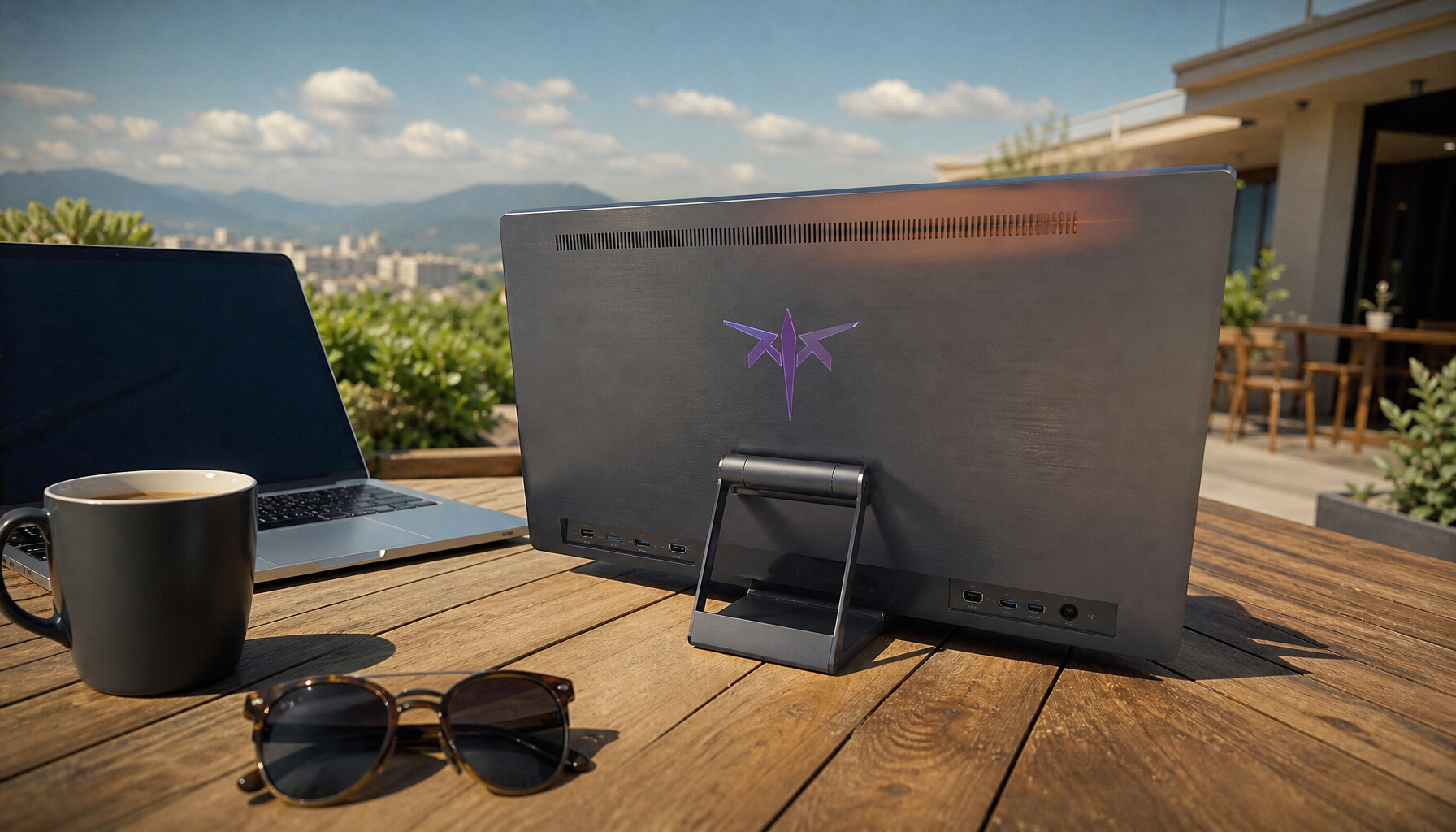
If you are documenting a new monitor, the KTC Mini LED 27" 4K 160Hz HDR1400 Gaming Monitor | M27P6 is one example of a model whose product page and warranty wording you should save with the receipt. The same basic rule applies to the KTC 27" 4K 160Hz/320Hz 90W Gaming Monitor | H27P6: keep the exact order record tied to the exact unit, not just the brand name.
If the product arrived damaged or the issue is intermittent, take the photos before moving the monitor around too much. That small step often prevents later confusion about whether the problem happened in transit or during setup. It also gives support a cleaner timeline to work from.
How to Judge Support Responsiveness
Support responsiveness is easier to judge by process quality than by isolated review comments. One angry post can be misleading. Repeated signals across channels are more useful, especially when they mention the same missing instruction, unclear form, or slow follow-up pattern.
The best pre-buy check is not "Did someone get help quickly?" It is "Does the brand show a repeatable path for starting and finishing a claim?" If the path is visible, specific, and consistent, buyers can usually manage the process with less frustration. If it is vague, the claim may still work, but the effort goes up.
This is where OEM value can look better on paper than it feels in real use. Peeking Behind the Curtain: Why OEM Direct-to-Consumer Monitors Offer Unbeatable Hardware Value explains the value side well, but warranty experience is the part that decides how much convenience you really keep after the sale.
A practical filter: if you are comfortable gathering evidence, reading terms closely, and waiting for a case-by-case response, KTC warranty support may be workable. If you want a support experience that feels fully hands-off, you should weigh that carefully before buying.
A Practical Verification Checklist
- Open the exact product page and save the warranty wording, because the claim terms attached to your model are the starting point.
- Match the model number, serial number, and receipt before you submit anything, because mismatches slow review.
- Save box, label, screen, and accessory photos if the unit was damaged or incomplete, because visual proof is easier to verify than a description alone.
- Write a short timeline and list the troubleshooting you already tried, because support can then see where the issue stands.
- Send the request through the stated help path, because the right channel is often the difference between a clean case and a delayed one.
- Confirm return, inspection, or shipping instructions before you send the unit anywhere, because assumptions about address or handling can create avoidable costs.
If you want a small extra layer of protection at checkout, Worry-Free Purchase is a separate add-on that shows its exact coverage in cart and confirmation details. It is not a stand-alone monitor and should only be considered if the order-specific protections match what you want.
The main takeaway is simple: ktc warranty support is much easier to use when you verify the terms first, keep proof organized, and ask for instructions before shipping anything. If you do those three things, you reduce the risk of a denied or delayed claim without assuming more than the policy actually promises.
Related Resources
- The 2026 'Factory-Direct' Spare Parts Guide: Maximizing Monitor Lifespan
- Office Monitor
- Gaming Monitor
FAQs
Q1. How Do I Check Whether My KTC Monitor Is Covered in the United States?
Start with the exact product page, warranty card, and order record for your unit. Coverage can depend on purchase region and seller, so the brand name alone is not enough. If the terms are unclear, ask support to confirm the current policy before the return window closes.
Q2. What Should I Include in a Warranty or RMA Email?
Include the model number, serial number, order proof, purchase date, and a short description of the issue. Add photos or video if the problem is visible. A concise troubleshooting note helps too, because it shows the problem is real and tells support what you already checked.
Q3. Why Would a Warranty Claim Get Delayed or Rejected?
The most common reasons are missing proof of purchase, a serial number that does not match the order, unclear evidence of the issue, or a claim that falls outside the stated terms. Delays also happen when the request lacks a return or inspection instruction and support has to ask for more detail.
Q4. Can I Use the Help Center Before My Return Window Ends?
Yes, and that is often the smart move. If the monitor has a defect during the return window, contact support first and ask whether the problem should be handled as a return, a warranty issue, or both. That keeps you from sending the unit down the wrong path.
Q5. What Is the Best Way to Judge Support Responsiveness Before Buying?
Look for a visible support path, clear instructions, and a list of required documents. Those are stronger signals than a few isolated reviews. If the process is specific and repeatable, the support experience is usually easier to manage than if you have to guess what comes next.
Keep Your Claim Path Clean
Prepare documentation before issues arise. Save the receipt, serial number, product page, and support contact in one folder. When a problem appears, review the exact warranty wording and request shipping or inspection instructions before sending the unit. This approach cuts avoidable delays, prevents mismatched serial claims, and keeps the process within the documented window. Buyers who confirm eligibility and required evidence first typically see faster resolutions and fewer rejected requests.