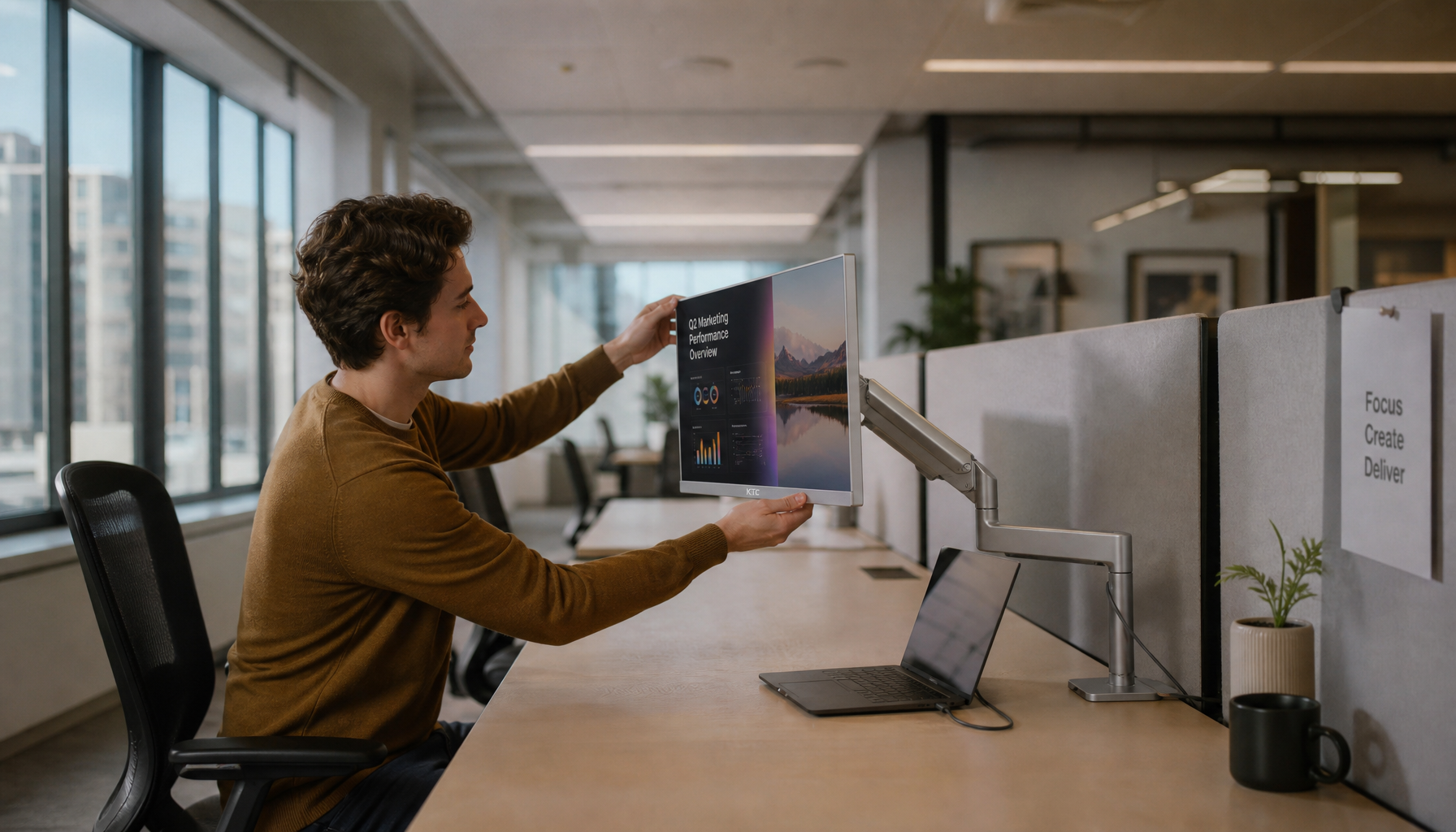
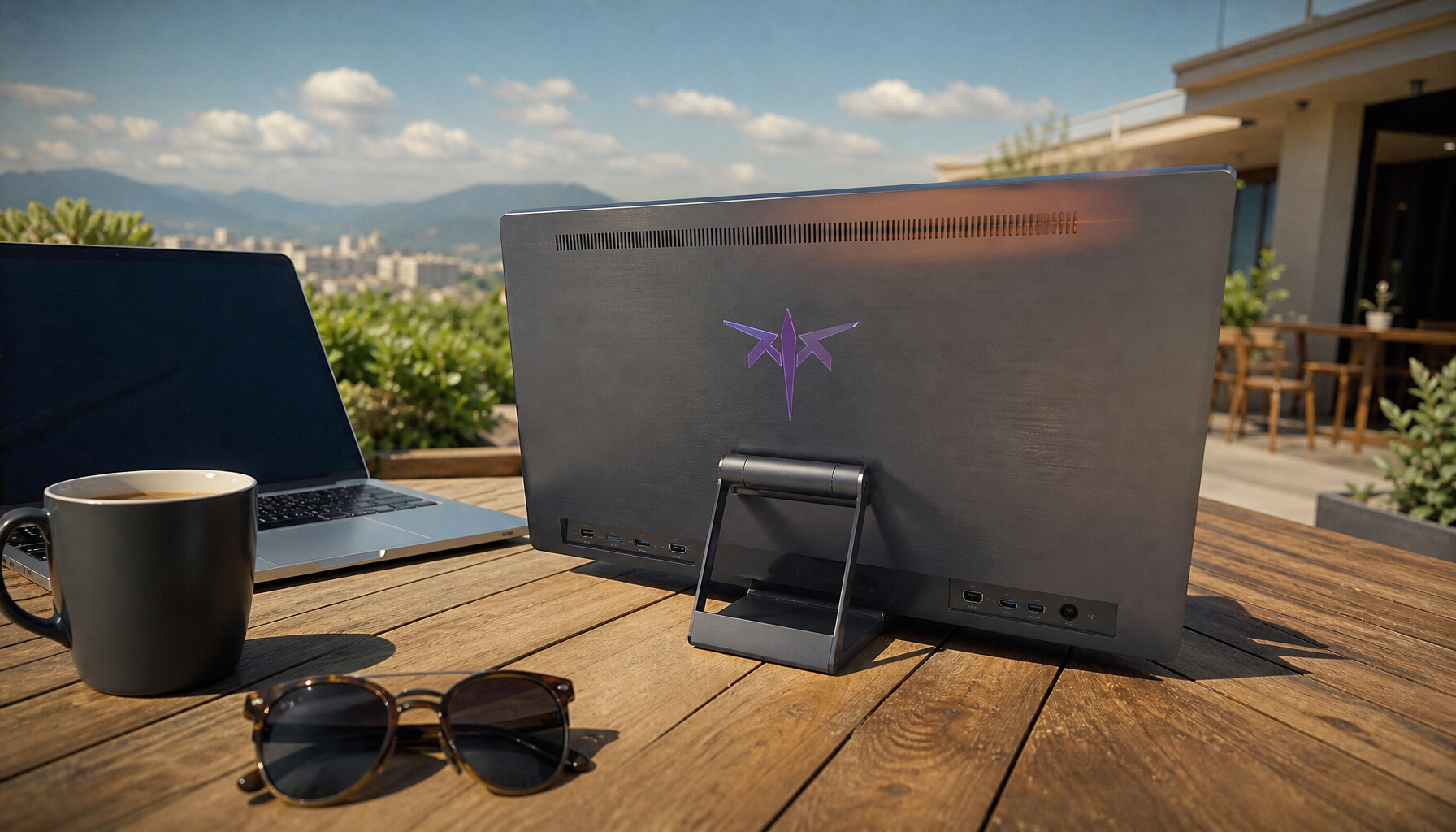
If you need a KTC monitor firmware update guide, the safest approach is simple: update only for a real reason, confirm the exact model and firmware version first, and stop if the file match is unclear. For a stable monitor, waiting is often the better choice than updating just because a newer file exists.
When a Firmware Update Is Worth It
Firmware updates are best treated as issue-specific fixes, not routine upkeep for every monitor. If your KTC display is stable and doing what you expected, there may be no urgent reason to change anything yet. KTC's own FAQ frames updates around specific issues, so a conservative default is to verify the symptom before you download a file.
That matters because firmware work can solve one problem and still leave another part of your setup unchanged. If you have repeatable instability, changed behavior after a system change, or a compatibility issue that support has already flagged, checking for an update makes sense. If not, waiting is usually the lower-risk move.
A practical rule is this: update when there is a known issue and a confirmed match, wait when the monitor is stable, and contact support when you cannot verify the file or the symptom does not clearly look firmware-related. For broader background on why KTC treats updates this way, see the store's firmware stability roadmap.
If you are still deciding whether support pages are worth checking first, KTC's monitor firmware support guidance explains why exact-model verification matters more than general product promises.
Pre-Update Checks That Prevent Mistakes
Before you download anything, confirm the exact model and the current firmware version in the monitor's on-screen menu. KTC's firmware verification guide says to verify the model and current version first, because that is what lets you match the right file and check the result later. If the product label, menu name, and support file do not line up, stop and confirm instead of guessing.
Confirm the Exact Model and Firmware
Look for the model name on the monitor or in the OSD menu, then record the current version number. That gives you a baseline for KTC monitor firmware verification after the update. If the version is missing, ambiguous, or different from the file description, treat that as a pause point rather than pushing ahead.
Check Power, Cable, and PC Readiness
Use a stable power source and keep the connection path simple. During a firmware update, extra cable changes, input switching, or a shaky power strip just add avoidable risk. The goal is not to make the process fancy; it is to make it boring and predictable.
Save Settings and Record the Starting State
Write down your picture mode, refresh rate, and any custom adjustments before you start. A quick photo of the OSD works too. That record helps you tell whether a change appeared after the update or was already there.
Use the Correct Official File
The support page notes that the firmware package generally needs a FAT32 USB drive with the file in the root directory so the monitor can recognize it. That is a manufacturer-led requirement, not a suggestion. If the package name, region, or instructions do not clearly fit your monitor, stop and contact support before trying another file.
For a step-by-step explainer that stays close to the support flow, you can also open the store's KTC firmware update process.
If you want a more complete preflight check, the KTC firmware process guide also covers version checks, file matching, and the point where support should take over.

How to Update Safely Without Interruptions
- Confirm the monitor is the exact model you intended to update and that the file matches the region or version shown on the support page.
- Prepare the USB drive and support files exactly as directed, then keep the rest of the desk setup unchanged.
- Start the update from the monitor's own prompts or the official guide, and do not improvise extra steps.
- Leave power and connections alone until the monitor finishes and reboots on its own. A firmware update should not be interrupted by unplugging, switching inputs, or power cycling, because interruptions can create failure risk.
- If the on-screen prompts do not match the official instructions, pause and re-check the support page before you continue.
If the process diverges from the guide, stop rather than forcing a guess. That is especially important when the screen wording or menu path looks different from what you expected. The safest update is the one you can explain afterward, not the one you rush through.
A short checklist can help keep the process calm:
- Keep the monitor on stable power.
- Leave cables and inputs alone until reboot finishes.
- Use only the official file for the exact model.
- Pause if the prompts do not match the instructions.
For readers who want a wider view of installation discipline, best practices for applying firmware updates without downtime give a useful general framework for avoiding preventable interruptions.

Verify the Update and Watch for Problems
A successful update is more than a reboot. Recheck the firmware version after the monitor comes back on, then compare it with the number you recorded before starting. KTC says to confirm the version again after reboot, and to watch for unusual on-screen behavior if settings do not save correctly.
| Check | What It Tells You |
|---|---|
| Version number changed after reboot | The update likely installed on the monitor |
| Boot and input behavior still look normal | The monitor is probably acting like it should after the change |
| OSD responds normally | The firmware did not obviously disrupt menu control |
| Custom settings still save correctly | The monitor is retaining state the way you expect |
| Behavior looks unusual or settings do not stick | You may need to reset settings or contact support |
That last row is the important one. A version change alone does not prove every issue is fixed. If something feels off after the update, KTC's support guidance allows for a factory reset when unusual OSD behavior appears, but use that as a cautious next step, not an automatic one.
If you want a broader reliability perspective before deciding whether to keep a monitor or return it, the store's warranty and support roadmap is a useful follow-up.
A simple decision matrix can help if you are still weighing the risk:
| Situation | Best Next Step |
|---|---|
| Monitor is stable and no clear issue is documented | Wait |
| Exact model and firmware file match, and the update addresses a known problem | Update |
| File match is uncertain, symptoms are vague, or behavior already looks unstable | Contact support |
When you need one more check after the reboot, compare the new version against the number you wrote down before you started. If the menu behaves normally and the settings stay put, you probably have a clean install. If the display acts differently in a way you did not expect, treat that as a support question rather than a sign to keep experimenting.
Decide Whether to Update, Wait, or Contact Support
If the monitor is stable, waiting is usually the safest choice. If you can confirm the exact model, the current firmware version, and a specific issue the update is meant to address, updating now is reasonable. If any of those pieces are unclear, contact support first rather than guessing.
Treat a failed install, a failed version check, or worsening behavior as a stop signal. Do not keep experimenting just to see what happens next. The goal is to reduce support churn and return risk, not to force a firmware change at any cost.
If you want help deciding whether a support case is the better path, the warranty and support roadmap explains how to frame the issue before you update again.
FAQs
How Do I Know If My KTC Monitor Needs a Firmware Update?
Check whether there is a repeatable problem, a support note tied to your model, or a clear compatibility reason to update. If the monitor is stable and nothing has changed, there may be no immediate need. KTC's support pages are most useful when they tie the file to an exact model and a specific issue, rather than a general promise of improvement.
What Should I Back Up Before Updating KTC Monitor Firmware?
Save your current picture mode, refresh rate, and custom display adjustments, and record the current firmware version. A quick photo of the menu is often enough to give you a before-and-after reference.
Can a Failed Firmware Update Be Recovered Safely?
It depends on the model and the official support guidance. If the monitor does not reboot normally or the screen behavior looks wrong, stop guessing and contact support rather than trying random recovery steps. If support gives you a recovery path, follow that exact sequence instead of adapting it.
How Do I Verify That the Firmware Update Worked?
Recheck the version number after reboot, then confirm that the monitor boots normally, the OSD responds, and your saved settings still behave as expected. Version change plus normal behavior is the practical sign you want.
Should I Update My Monitor Before Returning It or Contacting Support?
If you are unsure, document the problem first and contact support. A firmware update can help when the issue is clearly tied to the monitor, but it should not replace a support case when the file match or symptom is unclear.
Final Check Before You Update
The shortest safe version of this checklist is: verify the exact model, confirm the file, protect the current settings, and stop if anything looks inconsistent. That keeps KTC monitor firmware updates focused on real fixes instead of avoidable risk. If you still have doubts after the checks, support is the better next step than a rushed flash.