If your headaches reliably appear after long screen sessions, especially when brightness is low or the room is dim, monitor flicker may be part of the problem. The fastest clue is a pattern: discomfort that improves away from the display and returns when you use the same screen again.
Why Flicker Can Feel Worse After Lunch
Monitor flicker is a rapid shift in screen brightness. You may not see it directly, but your eyes and brain can still react to unstable light output during long work blocks, spreadsheets, editing sessions, or competitive play.
Afternoons are a useful stress test. By 2:00 PM or 3:00 PM, your eyes have already spent hours focusing at near distance, blinking less, and adapting to changing room light. Office environments also involve lighting, humidity, airflow, and task pace, all of which can affect comfort in a healthy office environment.
Flicker is not the only suspect. Glare, dry eyes, posture, poor contrast, outdated prescriptions, and too much caffeine can all stack together. The key is to isolate the monitor variable instead of blaming “screen time” as one broad category.
The Flicker-Headache Pattern to Look For
A flicker-related headache often feels like eye pressure, forehead tightness, light sensitivity, or fatigue that builds during sustained display use. It may show up faster on one monitor than another, even when both are the same size.
Run a simple pattern check over three workdays:
- Time: symptoms start after 1–4 hours on the same screen.
- Brightness: symptoms worsen below 50% brightness.
- Room: symptoms worsen in a dark room or under harsh overhead light.
- Relief: stepping away for 20–30 minutes noticeably helps.
- Comparison: a different monitor or laptop feels easier.

If your headache appears with nausea, vision loss, weakness, confusion, severe sudden pain, or double vision, treat it as medical, not a monitor-tuning issue.
Quick Tests Before You Replace Anything
First, raise the monitor brightness to a comfortable level, then improve room lighting so the screen is not the brightest object in the space. Many flicker complaints get worse when users dim the display aggressively in a dark room.
Next, use your cell phone camera. Point it at a white or light-gray screen and slowly lower monitor brightness. If you see strong rolling bands on the phone screen, that can suggest flicker or pulse-width dimming. It is not a lab-grade test, but it is useful for quick comparison between displays.

Then check refresh rate. A 60 Hz display refreshes 60 times per second, while 120 Hz refreshes 120 times per second. Higher refresh rates can make motion look smoother, especially for gaming and fast movement. But refresh rate and flicker-free backlight control are not the same thing, so a high-Hz gaming monitor can still feel uncomfortable.
Finally, turn off motion blur reduction, backlight strobing, or “ultra low motion blur” modes. These can improve motion clarity but intentionally flash the backlight, which is a bad trade for flicker-sensitive users.
Tune the Workstation, Not Just the Screen
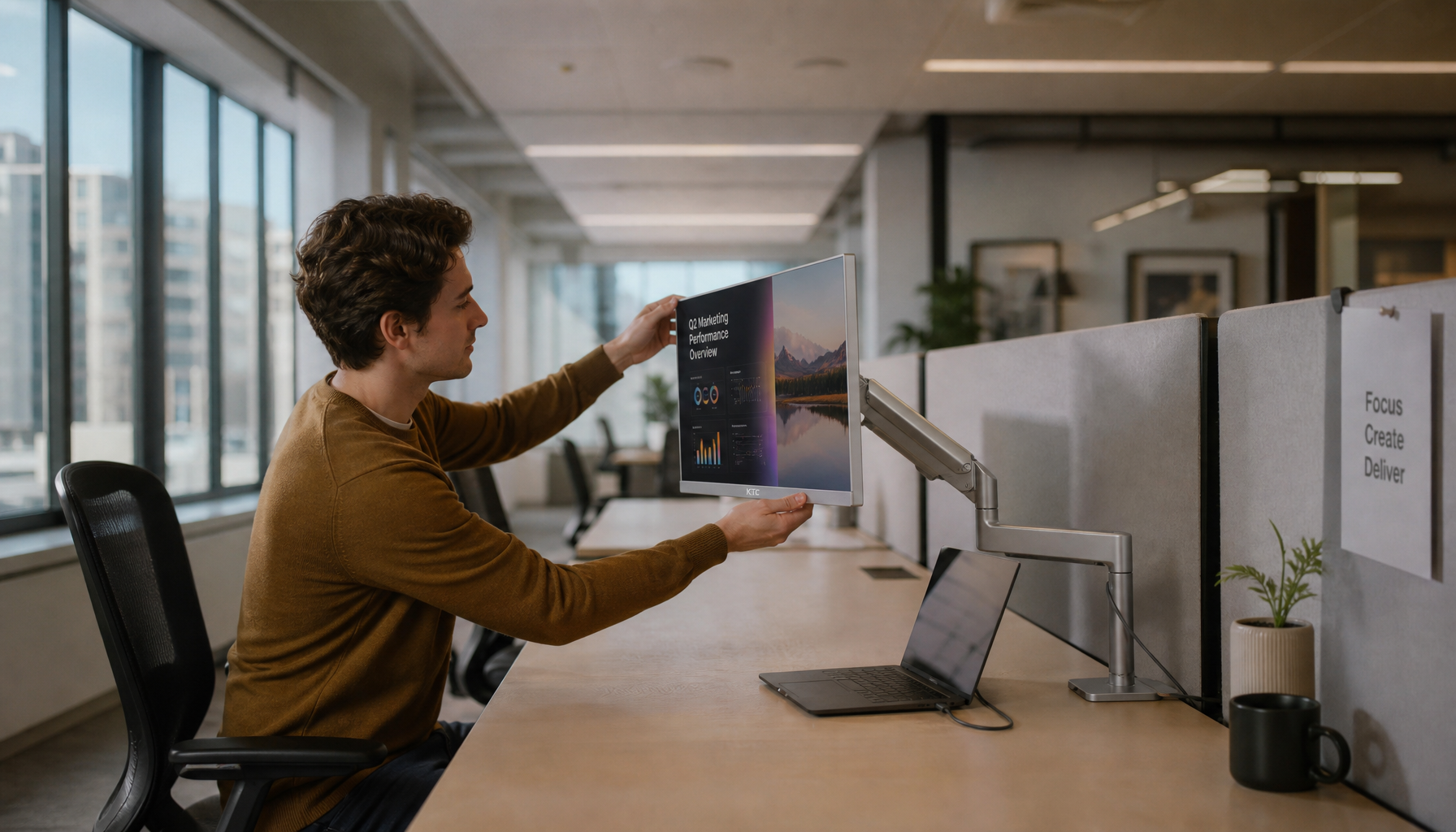
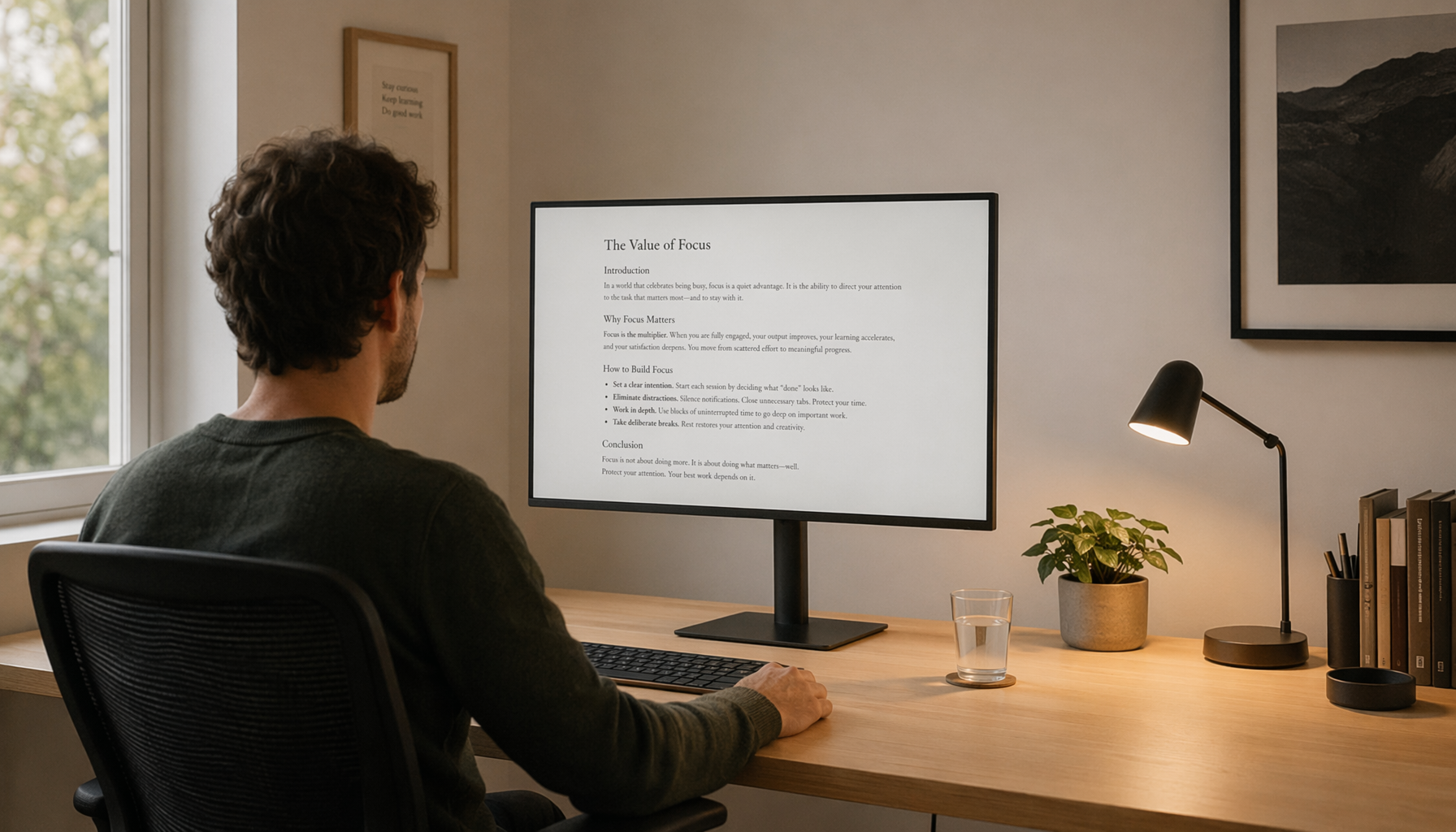
Set the monitor about an arm’s length away. Ergonomics guidance recommends placing the monitor straight ahead, no closer than 20 inches and no farther than 40 inches, with the top of the screen at or slightly below eye level.

Reduce glare from windows and overhead lights. Workplace safety guidance emphasizes customizing the setup to the person, task, and environment rather than forcing one “correct” posture for everyone at a computer workstation.
Use the 20-20-20 rule: every 20 minutes, look at something 20 ft away for 20 seconds. Also blink deliberately during dense reading or gaming sessions; dry eyes can mimic flicker discomfort and make mild brightness instability feel much worse.

When a Flicker-Free Upgrade Is Worth It
Upgrade when the same symptoms repeat after you have adjusted brightness, lighting, distance, refresh rate, and breaks. For office productivity, prioritize verified flicker-free or DC-dimming behavior over flashy specs. For gaming, balance high refresh rate with stable backlight behavior and avoid strobe modes for daily use.
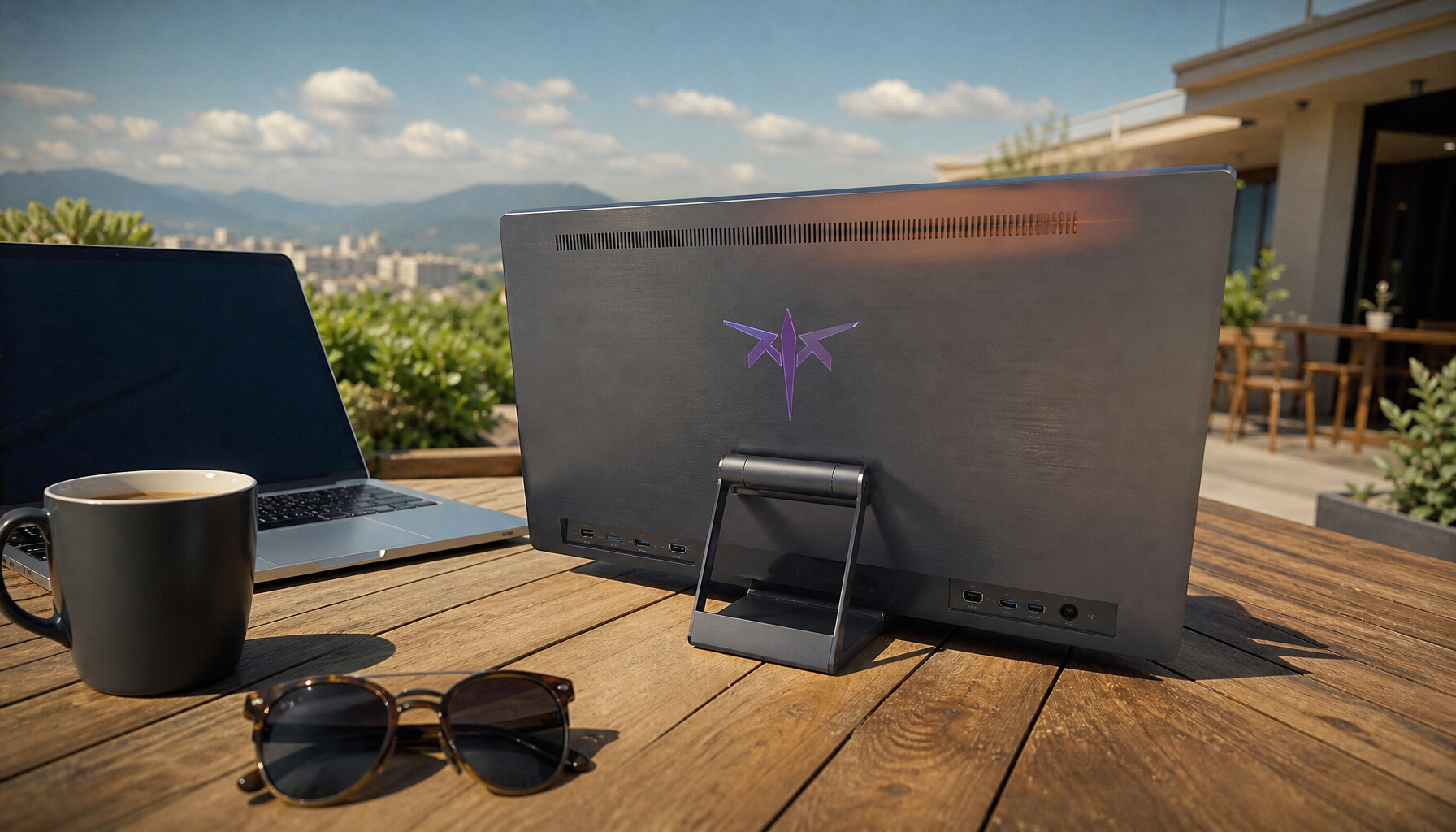
For portable smart screens, test comfort at the brightness you actually use in cafes, hotels, or second-screen desk setups. A portable display that looks fine at 100% brightness may become uncomfortable at 30% in a dim room.
The practical rule: if one display consistently gives you afternoon headaches and another does not, your eyes have already given you useful performance data. Choose the screen that lets you work longer, focus more clearly, and finish the day without paying for pixels in pain.