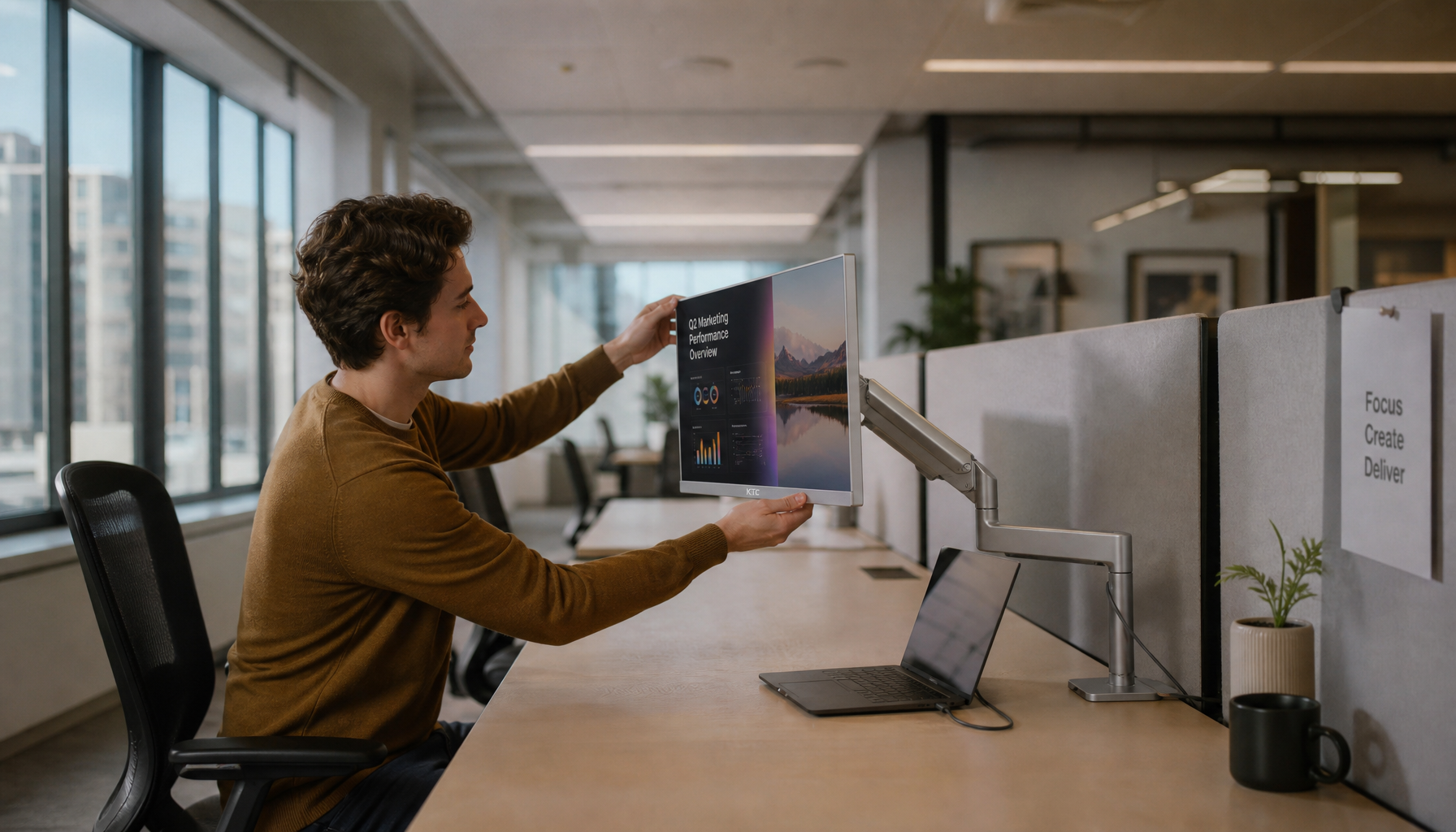
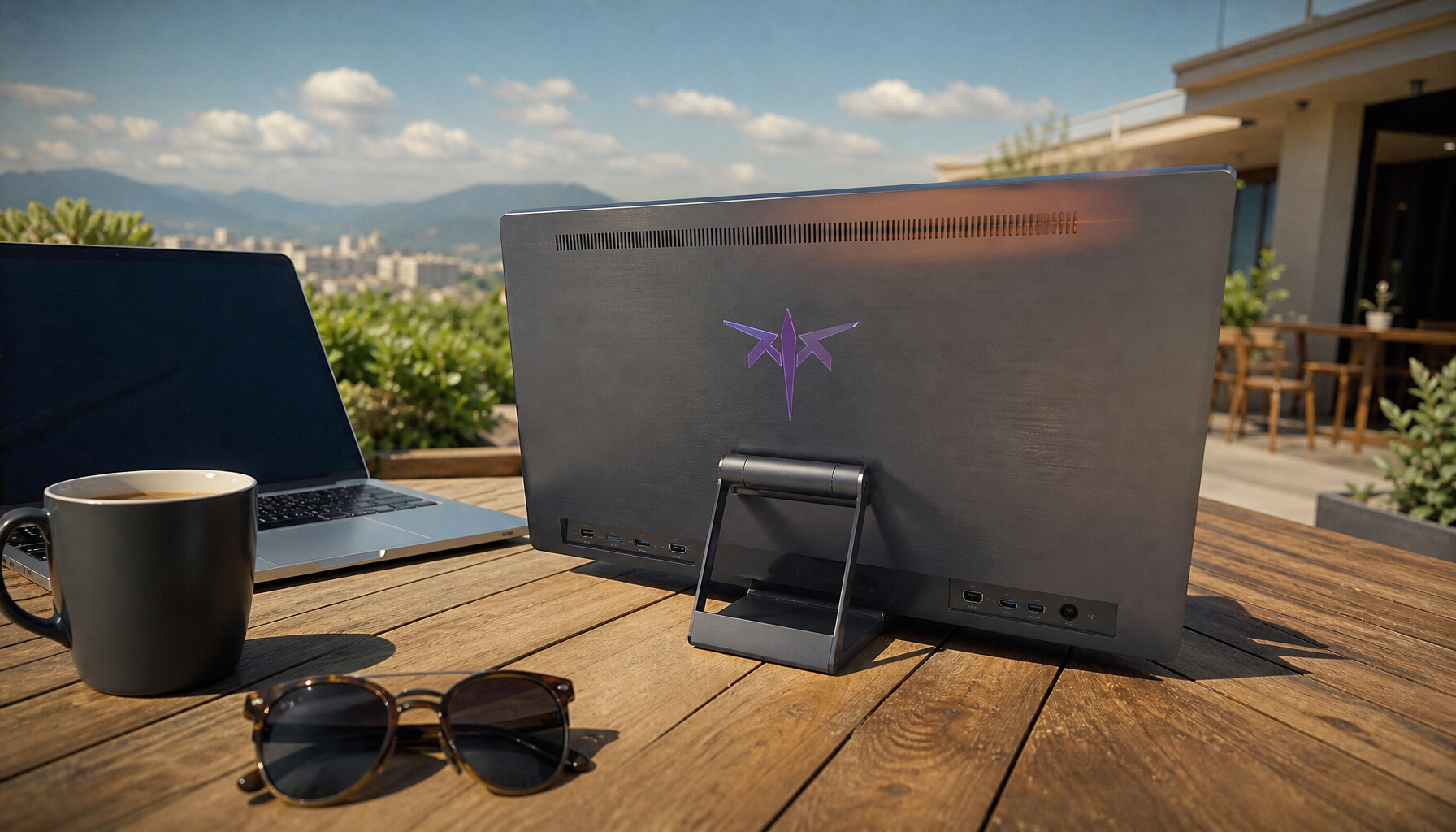
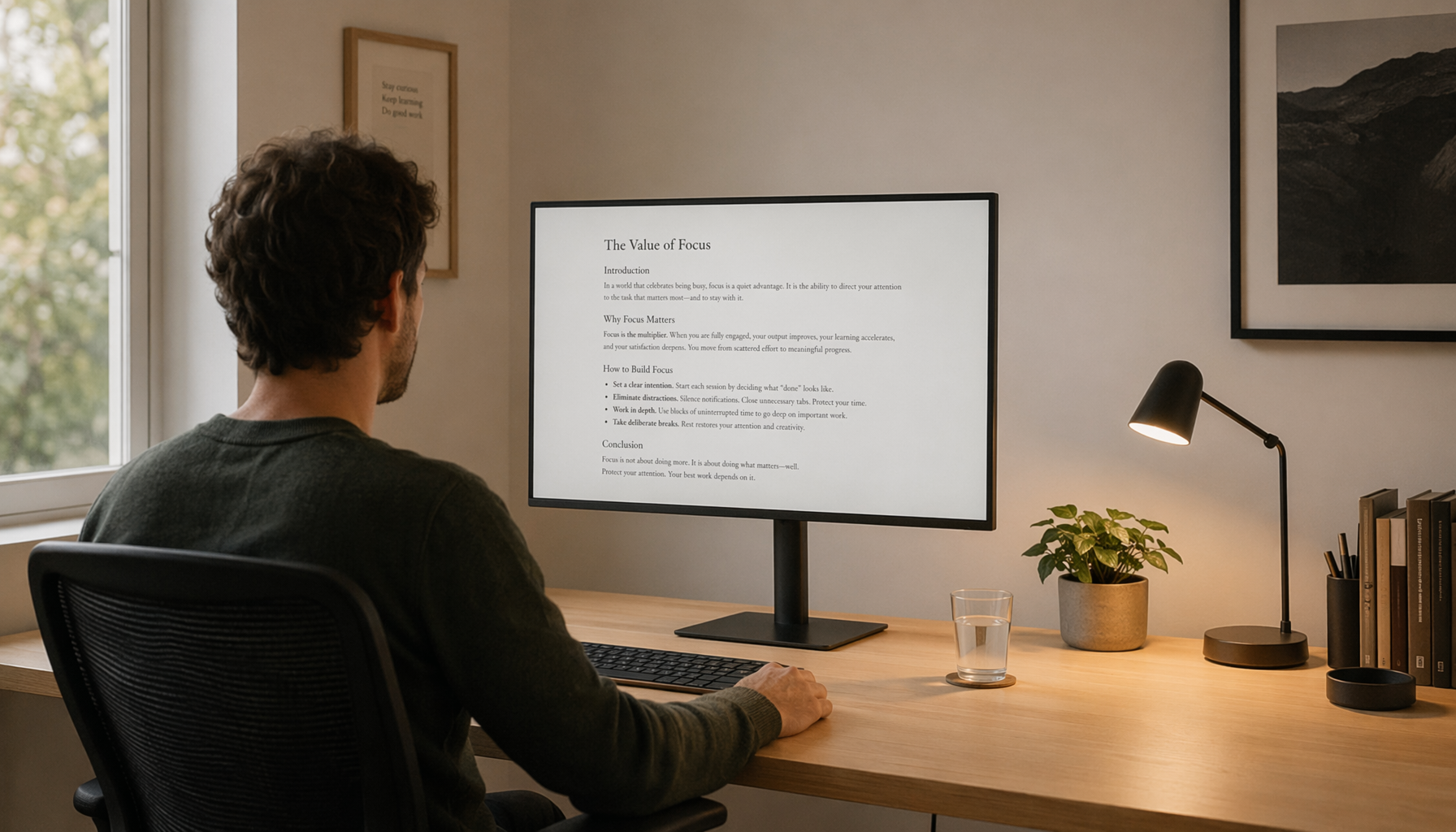
Connecting a wireless keyboard and mouse to your smart monitor turns it into a practical workstation for typing, browsing, and light productivity tasks without needing a separate PC. Most KTC MegPad models running Android 13 or 14 support this setup natively through Bluetooth or a USB receiver, letting you enjoy a more desktop-like experience right on the large screen.

The Smart Monitor Workstation: Why Connect a Keyboard and Mouse?
Many users want to move beyond the tablet-style touch interface of their smart monitor and create a more efficient setup for real work. A wireless keyboard and mouse make long-form typing, spreadsheet navigation, and precise web browsing far more comfortable than on-screen controls alone.
This shift from a large tablet to a monitor-first workstation suits remote workers, students, and anyone using a portable display in small spaces or on the go. KTC smart monitors and MegPads, which run Android with Google EDLA certification, provide native support for standard peripherals. This allows Google Play apps and desktop-style workflows to work together more smoothly.
For most owners of the KTC MEGAPAD 32" 4K Android 13 Google EDLA Smart Touch Monitor with 9500mAh Battery, adding wireless input devices is the quickest way to unlock better productivity. As explained in the Android Open Source Project documentation on keyboard devices, Android supports these peripherals through the standard Human Interface Device (HID) profile, making the connection reliable for typical use.
If you are looking for broader guidance on choosing displays that support healthy and productive workflows, see our guide on the complete guide to finding the best monitor for productivity & a healthier workspace.
Bluetooth vs. USB Receiver: Choosing the Right Wireless Connection
The main choice comes down to Bluetooth or a 2.4GHz USB receiver. Each method has strengths depending on your priorities.
Bluetooth works best for port-free setups, travel, and pairing the same keyboard and mouse with multiple devices. It requires no extra hardware beyond the monitor's built-in radio. A USB receiver generally delivers lower latency and more consistent wake-up behavior, which matters for precision tasks like document editing or spreadsheet work. However, it occupies one of the monitor's USB ports.
Bluetooth can face interference in crowded 2.4GHz environments, while a USB receiver usually avoids this. Battery life tends to favor Bluetooth slightly in many setups because it avoids keeping a separate receiver powered.
Bluetooth vs USB Receiver for Productivity Trade-offs
Tiered comparison to help choose the connection method that best fits convenience versus responsiveness needs.
View chart data
| Series | Latency / Input Lag | Port Usage | Setup Complexity | Device Battery Life |
|---|---|---|---|---|
| Bluetooth | 2.0 | 5.0 | 3.0 | 3.0 |
| USB Receiver | 4.0 | 2.0 | 4.0 | 4.0 |
This radar chart shows typical trade-offs based on standard performance patterns for Android smart monitors. Bluetooth often feels more convenient for casual or mobile use, while a USB receiver tends to suit users who prioritize responsive input for focused work. Choose based on whether your setup values freedom from ports or consistent low-lag performance.

How to Connect Your Wireless Keyboard and Mouse to a KTC Smart Monitor
Pairing is straightforward on KTC MegPad models. For Bluetooth, open Settings > Connected devices > Pair new device. Put your keyboard and mouse into pairing mode (usually by holding a dedicated button until the LED flashes). The monitor should detect them quickly. Once paired, test typing and cursor movement to confirm the connection.
For a USB receiver, simply plug the dongle into an available USB-A or USB-C port on the monitor. Many MegPad models include ports that support this directly; a USB-C OTG adapter may be needed in some cases. The system usually recognizes the devices instantly without extra steps.
After connecting, verify that the pointer moves smoothly and that keystrokes register correctly. These steps align with official Android guidance for adding physical input devices, as detailed in Google's support article on using a physical keyboard with your tablet.
Optimizing Your Android Desktop: Settings for a PC-Like Experience
The default Android interface can feel slow or cluttered on a large 4K screen. A few adjustments make the experience much closer to a traditional desktop.
Start by increasing pointer speed in the mouse settings. The factory default often feels too sluggish across a 32-inch display, leading to unnecessary wrist movement. Raising it noticeably improves comfort during everyday tasks.
Next, disable the on-screen keyboard when a physical one is connected. This prevents it from popping up and taking valuable screen space. In the physical keyboard settings, toggle Show virtual keyboard to off.
For better multitasking, enable Freeform Windows through Developer Options. This allows overlapping and freely resized app windows instead of strict split-screen. Access it by tapping the build number in Settings > About device several times, then navigate to Developer options and turn on the freeform windows feature. Note that app support for this can vary, so treat it as a helpful but not guaranteed enhancement.
These changes address common frustrations like slow pointer response and wasted screen area. For more on how USB-C connectivity can simplify overall workspace setups, check our article on how a USB-C monitor can streamline your workspace.
Mastering Productivity: Essential Keyboard Shortcuts and Navigation
Keyboard shortcuts turn the smart monitor into a faster workstation. Android includes several that mimic desktop behavior.
Use Alt + Tab to switch between open apps quickly. Search + B opens the browser, and Search + N pulls up notifications. Standard text shortcuts like Ctrl + C, Ctrl + V, and Ctrl + Z work in most editing apps.
The mouse right-click brings up context menus in supported applications, and the scroll wheel helps with long documents or web pages. These built-in options make navigation more efficient, as covered in Android's own keyboard shortcuts reference.
Troubleshooting Lag and Connectivity Issues
Occasional lag or failed wake-ups are common but usually easy to resolve. Keep wireless devices within about 10 meters of the monitor and reduce interference from Wi-Fi routers or other 2.4GHz devices. For USB receivers, ensure the dongle has a clear line of sight.
Check battery levels directly in the Connected devices menu. Low battery often causes sluggish response or dropped connections. If the monitor does not wake from sleep on keystroke, try pressing a key on the keyboard or moving the mouse firmly to re-establish the link.
These steps draw from standard HID behavior on Android devices, as outlined in the Android Open Source Project input documentation. Persistent issues may relate to specific Bluetooth versions or environmental factors rather than the monitor itself.
FAQ
Can Any Wireless Keyboard and Mouse Work With a KTC MegPad? Most standard Bluetooth or 2.4GHz USB devices work via the HID profile, but high-end gaming mice with custom software may only provide basic functionality. Always confirm the peripheral uses a supported connection type before purchase.
Does Using Wireless Peripherals Drain the MegPad Battery Faster? Bluetooth typically has a modest impact on battery life, while keeping a USB receiver plugged in may use slightly more power. Monitor usage in the Connected devices menu and charge regularly for all-day sessions.
Why Does My Mouse Feel Slow on the Large Screen? The default pointer speed is often calibrated for smaller displays. Increase it in the mouse settings to match the 4K resolution and screen size for comfortable navigation.
Will Freeform Windows Make My Smart Monitor Feel Like a Full PC? It improves multitasking with resizable windows, but some apps still behave like mobile versions. It gets you closer to a desktop experience without replacing a dedicated computer for heavy workloads.
What Should I Do If the Keyboard Stops Working After Sleep? Wake the monitor first using the power button, then press a key or move the mouse. If issues continue, check battery levels and reduce wireless interference in the area.
Is a USB Receiver Better Than Bluetooth for Typing? A USB receiver generally offers more reliable input with less chance of delay, making it preferable for extended typing or precision work. Bluetooth remains convenient when you need to switch devices often.