You usually can hot-swap a USB-C monitor without restarting your laptop when the port, cable, monitor, and operating system re-detect the video link correctly. When it fails, the cause is usually video compatibility, cable capability, sleep-wake power behavior, or a dock that needs to be reset.
Did your laptop wake up while your USB-C monitor stayed black, even though your mouse and keyboard still worked? In real workstation use, the fastest practical fix is often swapping in a known-good video-capable USB-C cable and forcing the display stack to rescan before rebooting. Here is how to tell when hot-swapping should work, when it will not, and how to recover your display without disrupting your workflow.
What Hot-Swapping Means for USB-C Monitors
Hot-swapping means plugging in, unplugging, or moving a monitor connection while the laptop is powered on. With a modern USB-C display, this can involve more than a simple video signal. A single cable may carry display output, USB data, laptop charging, audio, Ethernet through the monitor or dock, and peripheral traffic from a keyboard, mouse, webcam, or external drive.

That is why USB-C monitor swapping feels powerful when it works and confusing when it does not. A USB-C monitor can combine video, data, and Power Delivery through one cable, so moving from a desk monitor to a portable screen can be nearly instant. But each function negotiates separately. Your laptop might recognize the USB hub while failing to restore the display signal, which matches real reports where keyboards and mice continue working while external monitors disappear.

The practical answer is performance-driven but honest: USB-C was built for live connection changes, yet display hot-swapping depends on the full chain. If any part of that chain lacks video support or fails after sleep, a restart may look like the only fix even when a narrower reset would work.
The Compatibility Rule: USB-C Shape Is Not Enough
The most important detail is that a USB-C port is not automatically a video port. A laptop can have a USB-C connector that supports charging and data only, while another laptop with the same connector supports external display output through a video-capable USB-C mode.

For native USB-C monitor output, the laptop’s exact USB-C port must support video. DisplayPort Alt Mode lets a USB-C port transmit video to an external display, but charge-only or data-only USB-C cables and ports will not produce an image. Compatibility guidance from dock makers makes the same core point: confirm whether the specific port supports external video output before expecting a dock or monitor to work.
This matters most for hot-swapping because a marginal setup can appear functional until the display link is renegotiated. A cable that worked for charging may fail for video. A dock that passes USB data may not bring the monitor back after sleep. A laptop with one capable USB-C port and one data-only USB-C port may behave differently depending on which side you plug into.
Connection path |
Hot-swap expectation |
What to check first |
USB-C with DisplayPort Alt Mode |
Usually works after unplugging and reconnecting |
Laptop specs, port icon, video-capable cable |
High-bandwidth USB-C-compatible video connection |
Usually strongest for docks and multiple displays |
Cable rating and dock support |
USB-C data-only port |
Will not drive a native USB-C monitor |
Manufacturer specs for that exact port |
USB data-based dock or adapter |
Can work through USB data with software |
Driver and OS support |
USB-C monitor with hub and charging |
Convenient but requires more negotiation steps |
Power Delivery wattage, hub behavior, cable quality |
Why a USB-C Monitor May Not Reappear After Hot-Swapping
A failed hot-swap is usually not random. It is a negotiation problem between the laptop, operating system, cable, dock, and display. The most common symptom is partial detection: the dock appears and USB devices work, but the monitor is absent from display settings.

That pattern appears in one notebook-and-dock case: the system recognized the dock through USB, and peripherals still worked, but two external displays and Ethernet did not return after suspend and reconnect. The practical lesson from that USB-C dock case is that display recovery can fail even when the USB side of the connection is alive.
Sleep-wake behavior is another recurring trigger. Some PCs reduce USB device power during sleep, and a portable USB-C monitor can wake to no video if the computer’s USB-C output does not resume cleanly. One support note recommends a quick sleep-and-wake cycle within about one minute and, if needed, changing USB Root Hub power management so the computer does not turn off USB devices to save power. That no display after waking scenario is especially relevant for portable smart screens that draw power and video from the same port.
Cable capability is the other high-value suspect. A USB-C cable can look correct and still be wrong for the job. USB-C cables can differ in charging wattage, data speed, video support, and safety features, so a basic charging cable may give you a blank screen even when the laptop and monitor both support video. For a serious desk setup, a certified USB4 or high-bandwidth video-rated USB-C cable is often the cleanest diagnostic upgrade because it removes a weak link from the chain.

How to Hot-Swap Without Restarting
Start with the lowest-disruption reset. Disconnect the USB-C cable from the laptop, wait a few seconds, then reconnect it firmly. If the monitor has a separate power cable, power-cycle the monitor as well. For docking monitors, also unplug the monitor’s power briefly so its internal hub resets, not just the display panel.
Next, force the operating system to rescan displays. In system display settings, use Detect if it appears. If you are moving between duplicate and extended desktop modes, switch to Extend and arrange the display positions after detection. For a USB-C monitor with daisy chaining, the laptop-to-primary-monitor link should come first, followed by the DisplayPort Out connection from the primary display to the second display. One DisplayPort multistreaming workflow shows that the laptop connects to the primary monitor over USB-C, then a DisplayPort cable runs from the primary monitor’s output to the second monitor’s input, with display modes such as Extend or Duplicate configured afterward.
If the monitor still does not return after waking from sleep, put the laptop back to sleep and wake it again shortly afterward. That can restart the video negotiation without a full reboot. If this repeats, change the USB power setting for USB Root Hub devices so the operating system does not shut them off during sleep. This is not a universal cure, but it is a rational step when the failure happens specifically after suspend, lid close, or overnight idle.
If you use a Unix-like system, check whether the display server can see the monitor. In the dock case above, only the built-in display appeared in display settings and xrandr, while lsusb still showed the dock. That split tells you the USB controller saw hardware, but the graphics stack did not recover the external displays. In that situation, logging out, restarting the display manager, reloading a dock-related driver, or power-cycling the dock may work, but the exact command depends on the distribution, graphics driver, and desktop session.
Cable, Power, and Bandwidth: The Three Quiet Failure Points
For productivity displays and gaming monitors, bandwidth matters. A 1080p office monitor is forgiving. A 4K 60Hz display, a high-refresh gaming panel, or a dual-monitor dock asks much more from the cable and port. Some high-bandwidth USB-C-compatible standards can support two 4K displays at 60Hz or a single higher-resolution display, while newer standards raise the ceiling further for display-heavy setups.
Power Delivery matters too. A USB-C monitor can charge the laptop while carrying video, but the wattage must match the laptop’s needs. A lightweight ultrabook may be comfortable around 65W, while a more powerful laptop may need closer to 90W or 100W. If the monitor provides too little power, the laptop may drain slowly, throttle, or behave unpredictably under load.
A practical example makes this easy. If your USB-C monitor gives 65W and your laptop normally ships with a 100W adapter, the monitor may still run your laptop during email, spreadsheets, and browser work. Start a game, compile code, or render video, and the power gap can show up as battery drain or instability. Hot-swapping during that power transition can add one more renegotiation point.
Pros and Cons of Hot-Swapping USB-C Displays
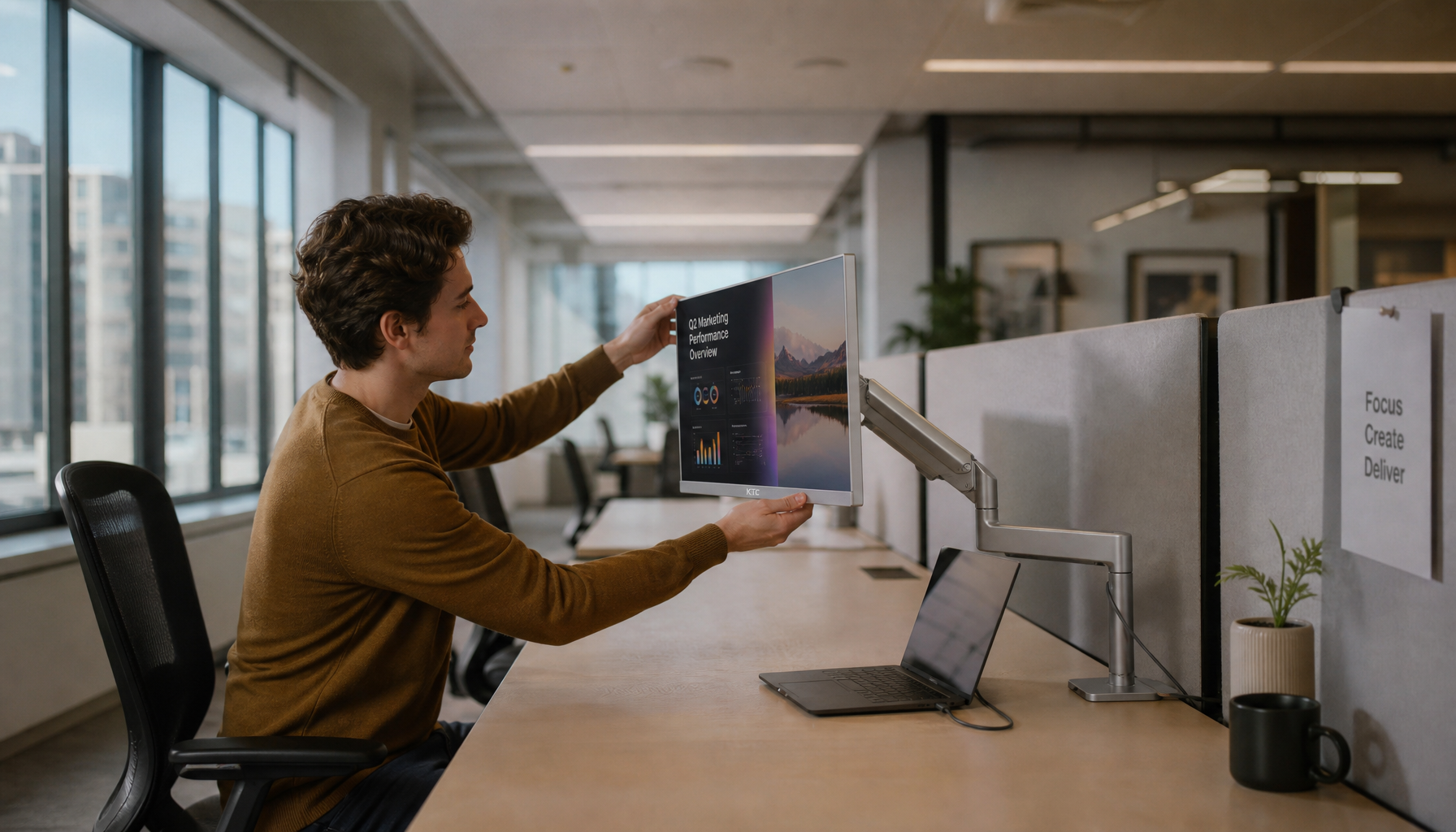
Hot-swapping is a major productivity advantage. It lets a hybrid worker move from a laptop bag to a full desktop with one cable. It lets a developer connect a portable second screen in a meeting room. It lets a competitive player dock into a high-refresh monitor at a desk, then leave without shutting down the system.
The downside is that USB-C hides complexity behind a simple connector. The same port shape can mean data-only USB-C, DisplayPort Alt Mode, USB4, charging, or some mix of those features. The same cable shape can mean charge-only, low-speed data, high-speed data, video support, or high-wattage Power Delivery. That makes hot-swapping reliable only when every component is chosen for the workload.
A USB-C monitor with a built-in hub also has more to restore after reconnecting. The display, USB devices, Ethernet, audio, and charging path may all renegotiate together. That is efficient when stable, but a partial wake can leave you with working peripherals and a missing screen.
When a Restart Is Still the Right Move
A restart is reasonable when the display is absent from system display settings, the dock has been power-cycled, the cable has been reseated, the monitor input has been confirmed, and the operating system still will not rescan the video path. It is also reasonable after driver or firmware updates, especially for graphics drivers, dock firmware, or USB-C control software.
But do not make rebooting your default first move. If a restart fixes the monitor every time, that proves the hardware can work. The better next step is finding which layer fails during reconnect: cable, port capability, sleep power management, dock firmware, OS display detection, or monitor input switching.
Buying and Setup Advice for Reliable Hot-Swapping
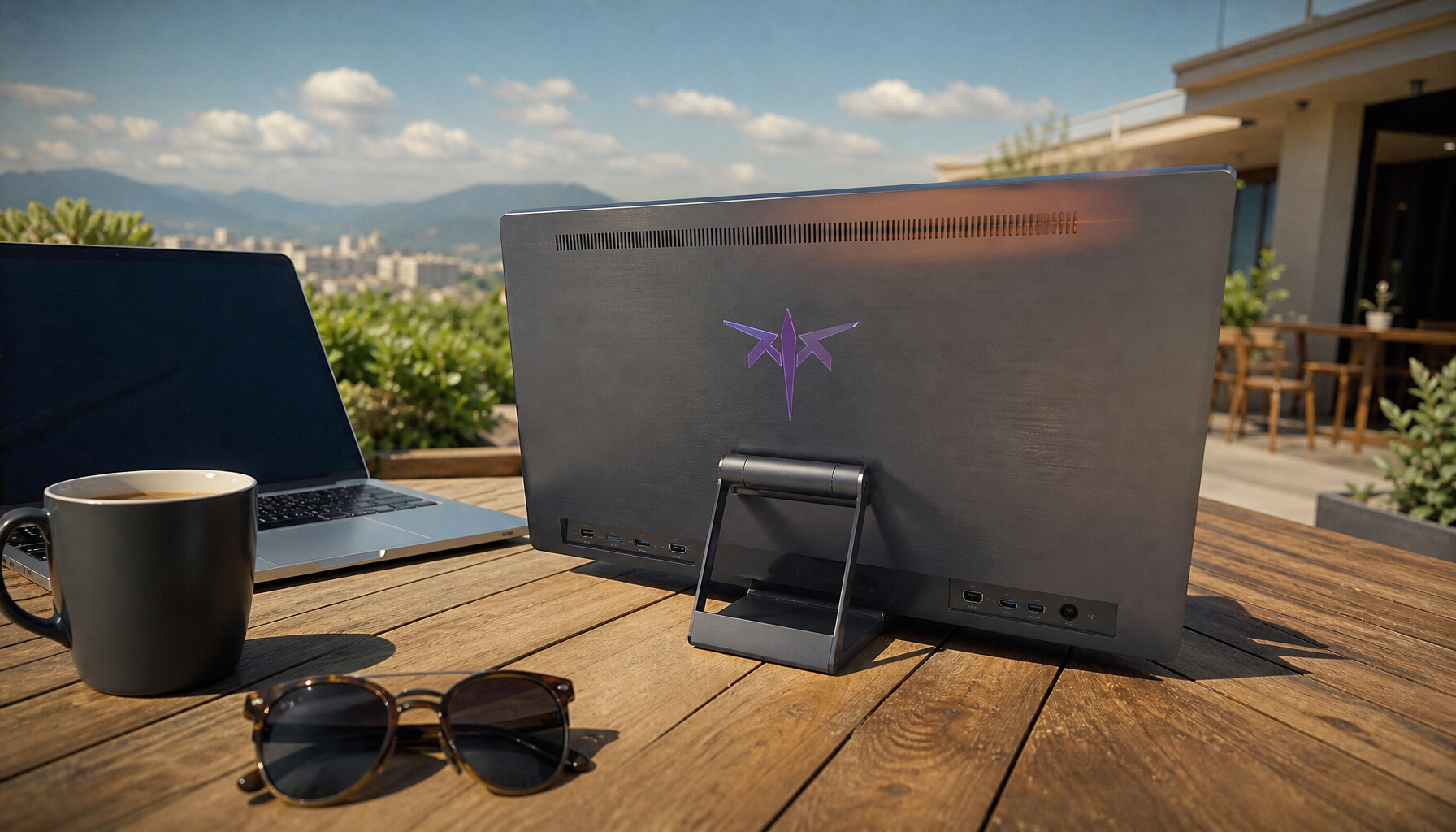
Choose the monitor and cable as a system, not as separate accessories. For an office productivity display, look for USB-C with DisplayPort Alt Mode input, enough Power Delivery for your laptop, and a built-in USB hub if you want keyboard, mouse, and webcam through the monitor. For portable smart screens, prioritize a cable that explicitly supports video plus power, because travel setups often depend on one laptop port for both.
For gaming or high-refresh work, do not assume any USB-C cable is enough. USB4 or high-bandwidth video-rated USB-C cables are more appropriate for demanding video paths, especially when a dock, high resolution, high refresh rate, or multiple displays are involved. For a clean multi-monitor desk, confirm whether the monitor supports DisplayPort output or multistreaming before planning a daisy chain. HDMI is useful, but it is not the same as DisplayPort MST over USB-C.
Before buying, verify the laptop’s technical specifications for the exact model and exact port. Search for “USB4,” “DisplayPort Alt Mode,” “Display Support,” or “video output.” If the spec only says USB 3.x, charging, or data transfer, do not expect native USB-C video from that port.
FAQ
Can I unplug a USB-C monitor while my laptop is on?
Yes. In normal use, unplugging a USB-C monitor while the laptop is on is expected behavior. Save active work if your monitor also connects storage devices, because the display can be hot-swapped but an external drive still needs proper ejection.
Why does my monitor stay black but my keyboard still works?
That usually means the USB data side recovered while the video side did not. The dock or monitor hub may be detected, but DisplayPort Alt Mode, USB-C video, the graphics driver, or the monitor input did not renegotiate correctly.
Do I need a special USB-C cable for monitors?
Often, yes. A cable used only for charging may not carry video. For fewer black-screen problems, use a cable rated for USB-C video, USB4, or another high-bandwidth video-capable USB-C standard, and match the wattage rating to your laptop’s charging needs.
Is USB-C better than HDMI for hot-swapping?
USB-C is more versatile because it can carry video, power, and data through one cable, while HDMI is mainly a display/audio connection. HDMI can still be stable for a single monitor, but USB-C gives you the better one-cable desk when the port, cable, and monitor are all compatible.
Hot-swapping USB-C monitors should be smooth, fast, and reboot-free in a well-matched setup. Treat the cable, port, monitor, and sleep settings as one performance chain, and you will spend less time restarting and more time using the screen space you paid for.