For 4K 120Hz over HDMI 2.1, keep passive copper cables around 10 ft for the most reliable result; some high-quality passive runs may work farther, but long-distance setups should use active, optical, or extender-based HDMI.
Is your console or gaming PC flashing to a black screen when you enable 4K 120Hz? In real installations, the fastest fix is usually not a monitor setting. It is shortening the cable path or moving to a certified active or optical solution. This article gives you a practical length target, a cable-type decision path, and a way to test the setup before you bury a cable in a wall.
The Short Answer: HDMI 2.1 at 4K 120Hz Likes Short Passive Runs
For 4K 120Hz, treat the reliable passive HDMI 2.1 length as about 6 to 10 ft, with 10 ft as the sensible ceiling for performance-first gaming desks and console stations. That does not mean every 12 ft or 15 ft cable fails. It means that once you push 48Gbps-class signaling through copper, the margin gets thinner, and the specific cable, source device, display, bends, adapters, and interference all matter more.
HDMI 2.1’s key upgrade is bandwidth. HDMI 2.0 tops out at 18Gbps, while HDMI 2.1 can reach 48Gbps, which is why 4K at 120Hz is tied to Ultra High Speed HDMI rather than older Premium High Speed cables. A 6 ft cable behind a monitor arm is an easy job. A 25 ft route from an AV rack to a wall-mounted gaming display is a different engineering problem.
Setup Goal |
Practical Cable Choice |
Sensible Length Target |
Gaming monitor on a desk |
Certified passive Ultra High Speed HDMI |
3 to 10 ft |
Console below a TV |
Certified passive Ultra High Speed HDMI |
6 to 10 ft |
TV across the room from an AV rack |
Active HDMI or active optical HDMI |
15 to 50 ft, depending on product |
Conference room or hidden long run |
Optical HDMI, HDMI over Cat6, or extender |
50 ft and beyond |
Permanent in-wall installation |
Certified cable with proper in-wall rating |
Test before closing the wall |
Why 4K 120Hz Is Harder on Cables Than 4K 60Hz

A 4K 120Hz signal refreshes twice as often as 4K 60Hz, so the cable has to carry much more data every second. That higher demand is why a cable that looks perfect for movies, streaming, and office use at 4K 60Hz can break down the moment you enable 120Hz, HDR, VRR, or full chroma output.
The practical difference shows up in common hardware pairings. A console can show “4K 120Hz available” in the settings, then lose signal in a game menu because the actual load increases when HDR or VRR turns on. A gaming PC can pass the desktop at 120Hz, then flicker after a GPU driver switches color depth. These are classic symptoms of a cable running out of signal margin, not proof that the monitor is defective.
For productivity displays, the clue is often text quality. Full-bandwidth HDMI 2.1 is especially important when you want sharp 4K 120Hz output with clean UI edges, because lower-bandwidth links can force chroma subsampling in some device chains. KTC’s monitor guidance highlights the difference between 48Gbps and reduced-bandwidth HDMI 2.1 ports, where 48Gbps supports uncompressed 4K 120Hz while lower-bandwidth implementations may trade away text clarity or color precision.
Passive, Active, Optical, and Extender HDMI Explained

Passive Copper HDMI
Passive HDMI is the normal cable most people picture: copper conductors, no built-in electronics, no power requirement, and no directional connection. It is inexpensive, simple, and excellent for short runs. Its weakness is distance. As the cable gets longer, resistance, attenuation, crosstalk, and electromagnetic noise make it harder to preserve a clean 48Gbps signal.
For a gaming desk, passive is still the first choice. If your PC sits under the desk and your 4K 144Hz or 4K 120Hz monitor is one arm’s length away, a certified 6 ft Ultra High Speed HDMI cable is the clean, low-risk answer.
Active HDMI
Active HDMI adds signal electronics inside the cable to help maintain quality over longer distances. This is useful for living rooms where the console or receiver is not directly under the display. The tradeoff is that active cables are usually directional, cost more, and may depend on power from the HDMI source or an auxiliary USB lead.
If your run is 15 to 30 ft and you need 4K 120Hz, active HDMI is often the next step after passive copper. Do not coil excess cable behind furniture just because a longer cable was on sale; buy the shortest active cable that reaches comfortably.
Active Optical HDMI
Active optical HDMI converts part of the signal to light for the long stretch of the cable. It is the stronger choice for long, hidden, or interference-prone routes. AOC-style designs can carry demanding HDMI 2.1 signals over much longer cable paths than passive copper.
The downside is installation discipline. Optical HDMI is usually directional, more expensive, and less forgiving of sharp bends. For a wall-mounted OLED display, projector, or training-room screen, it can be the right solution, but it should be tested with the exact source and screen before installation.
HDMI over Cat6 or Extenders
HDMI extenders convert the signal to travel over another cable type, commonly Cat6. This is useful when the cable route is too long or too complex for a normal HDMI cable. Some HDMI over Ethernet or Cat6 extenders can support 4K 120Hz around 100 ft in practical medium-distance installations, but device quality and supported formats matter heavily.
For office displays and collaboration rooms, an extender can be better than forcing a very long HDMI cable through a ceiling. The practical check is simple: confirm 4K 120Hz support, HDR behavior, audio support, and whether the extender introduces latency that matters for gaming.
Certification Matters, But It Is Not a Magic Shield
For HDMI 2.1 at 4K 120Hz, the label you want is Ultra High Speed HDMI, ideally with verifiable certification. HDMI cables can look identical from the outside, so jacket thickness, gold-colored connectors, and braided sleeves are not proof of 48Gbps performance. Industry buying advice aligns with what installers see in the field: price alone does not improve image quality when two cables meet the same spec, but long HDMI cable runs benefit from better construction and shielding.
Certification reduces risk, but it does not guarantee every source, receiver, soundbar, splitter, and display chain will behave perfectly. This is why the final test has to happen in the real setup. A cable may work from console to TV, then fail when routed through an AV receiver or video processor. That does not make certification useless; it means 4K 120Hz is a full-chain performance target.
How to Choose the Right Length for Your Setup
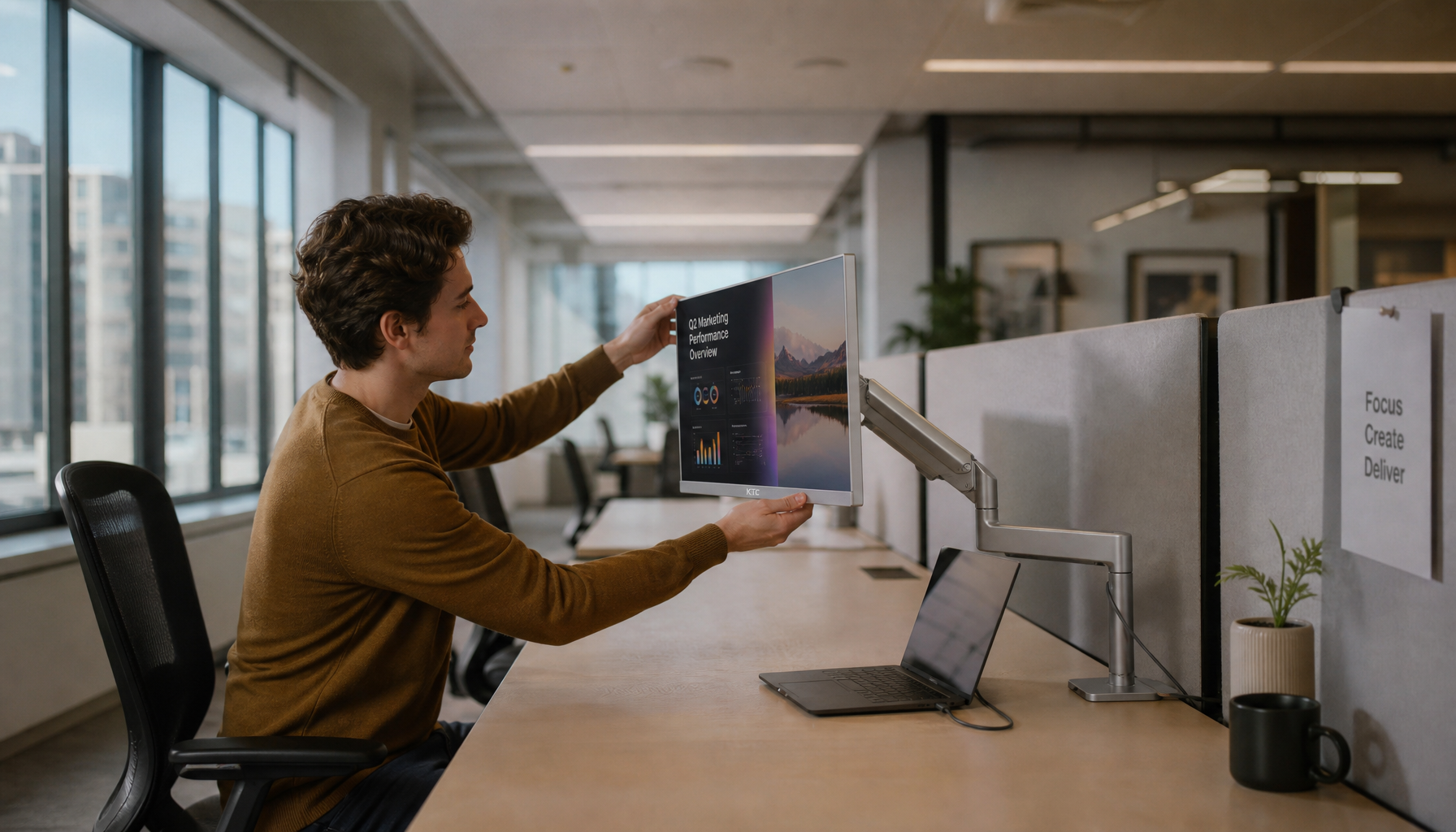
If your display and source are on the same desk, choose a 3 to 6 ft certified Ultra High Speed HDMI cable and avoid adapters. This is the highest-reliability setup for esports monitors, 4K 120Hz productivity displays, and portable smart screens connected to laptops or compact PCs.

If your console sits in a media cabinet below the TV, use a 6 to 10 ft certified Ultra High Speed HDMI cable. This gives enough routing slack without turning the cable into the weak link. If you need 12 to 15 ft, buy from a seller with a clear return policy and test 4K 120Hz, HDR, and VRR immediately.
If the run is 20 ft or longer, stop treating passive copper as the default. Move to active HDMI, active optical HDMI, or an extender. For longer paths, active HDMI cables or signal amplification are often the difference between stable output and intermittent blank screens.
How to Test Before You Commit

A proper HDMI 2.1 cable test is not just “does the desktop appear?” Set the source to the exact mode you bought the cable for: 4K, 120Hz, HDR on, VRR on if supported, and the highest color format your device and display can use. Then run real content. Use a fast game, a bright HDR scene, and a desktop text test if the screen doubles as a work display.
Watch for black flashes, sparkles, audio dropouts, handshake delays, forced 60Hz fallback, disabled VRR, or color-format downgrades. On a console, check the video information screen after enabling the features. On a PC, verify the refresh rate in the GPU control panel and the monitor’s on-screen display. If the cable only fails after the display wakes from sleep, that still counts as a failure for daily use.
Pros and Cons of Staying Short Versus Going Long
Short passive HDMI is cheaper, cleaner, and usually the most reliable way to unlock 4K 120Hz. It also keeps latency concerns simple, avoids directionality mistakes, and is easy to replace. The compromise is furniture placement: your source needs to stay near the screen.
Long active or optical HDMI gives you freedom. It lets an AV rack live across the room, keeps a conference table clean, or hides a console in a cabinet. The compromise is cost, installation care, and compatibility testing. For a high-refresh gaming setup, that extra planning is worth it only when the room layout demands it.
FAQ
Can a 15 ft HDMI 2.1 cable do 4K 120Hz?
Yes, some can, but it is outside the lowest-risk passive range. A certified 15 ft Ultra High Speed HDMI cable may work in a clean setup, but you should test it with HDR and VRR enabled before trusting it for competitive gaming or permanent installation.
Is HDMI 2.1 always 48Gbps?
No. Some devices are marketed with HDMI 2.1 features while using lower-bandwidth implementations. For sharp 4K 120Hz output, especially on monitors used for both games and productivity, check the actual port bandwidth and not just the HDMI 2.1 label.
Do expensive HDMI cables improve picture quality?
Not if both cables reliably meet the required bandwidth. HDMI is digital, so the usual result is stable output or visible failure, not a subtly richer image. Spend more when you need certification, shielding, active electronics, optical transmission, in-wall rating, or a longer reliable run.
Practical Guidance
For HDMI 2.1 at 4K 120Hz, treat 10 ft as the smart passive target and 6 ft as the performance sweet spot. When the room forces a longer path, upgrade the transmission method instead of gambling on an oversized copper cable. A display setup should feel instant, sharp, and invisible in use; the right cable length keeps the screen focused on the game, the work, and the image rather than the connection.