If discomfort starts quickly on one display but fades on another, your monitor setup is the prime suspect. If blur, headaches, squinting, or fatigue follow you across screens and printed text, your prescription or eye alignment deserves the next check.
Start With the Pattern, Not the Pain
Digital eye strain can feel like dry eyes, headaches, blurry vision, light sensitivity, or tired focusing after long screen sessions. The American Optometric Association links it to prolonged device use, but the trigger can be display hardware, room lighting, viewing habits, or uncorrected vision.
Use a simple split test. Read the same text for 20 minutes on your main monitor, then on a different display, then on paper. Keep font size, distance, and lighting as similar as possible.

If only one screen causes symptoms, suspect monitor brightness, flicker, glare, resolution, or scaling. If every near task feels uncomfortable, including reading a book or printed bill, the issue is less likely to be the panel alone.
Signs Your Monitor Is the Trigger
A monitor problem often shows up fast: pressure behind the eyes, headache, watering, or a “can’t settle focus” feeling within minutes. Some users are sensitive to invisible flicker, including PWM dimming, and different display factors can affect different people.
Check these first:
- Brightness: Match the screen to the room, not maximum output.
- Glare: Move lamps and windows out of direct reflection paths.
- Text size: Increase scaling until you stop leaning forward.
- Refresh rate: Use 120 Hz or higher when available.
- Flicker: Test with a cell phone camera for rolling dark bands.

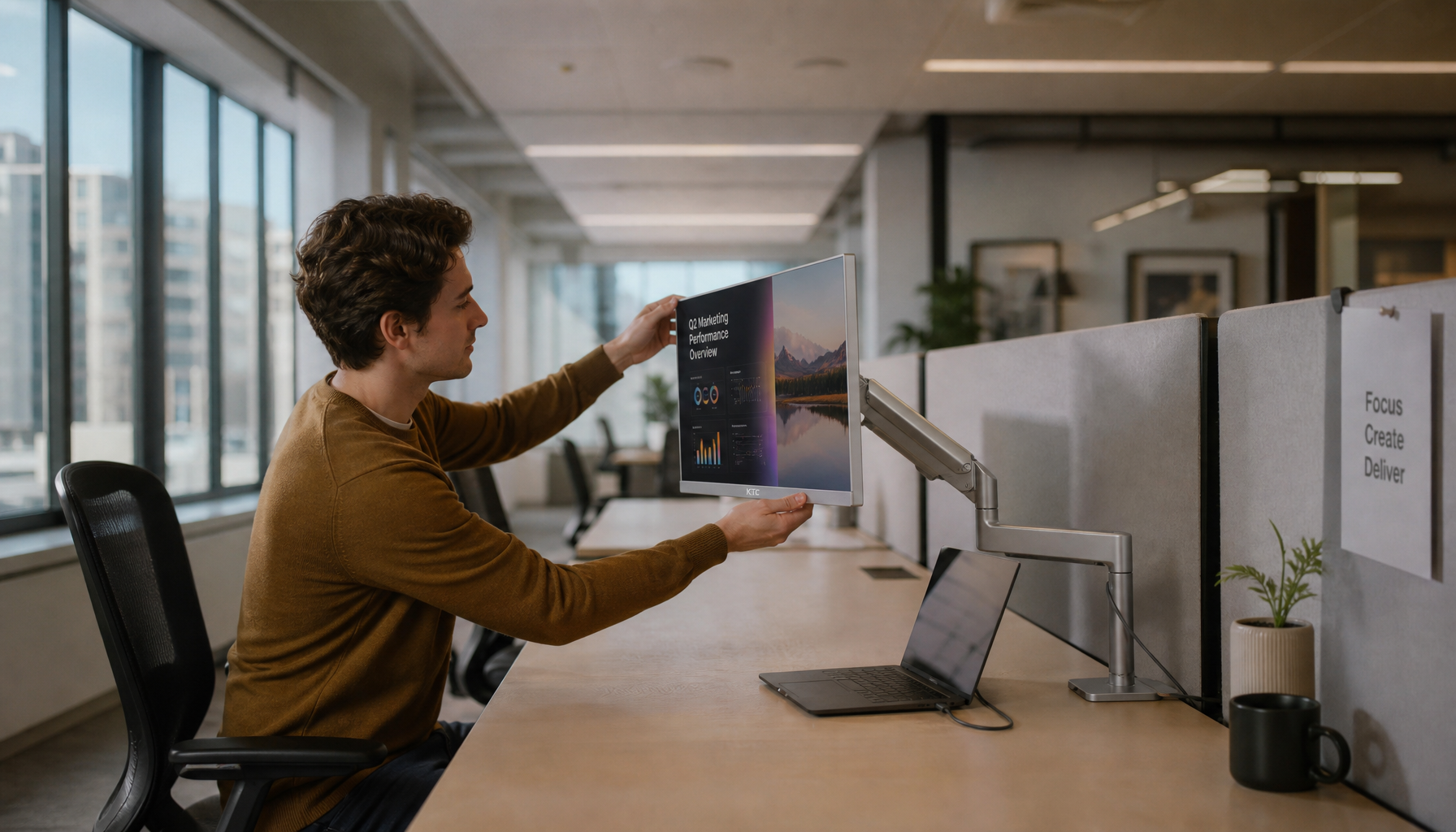
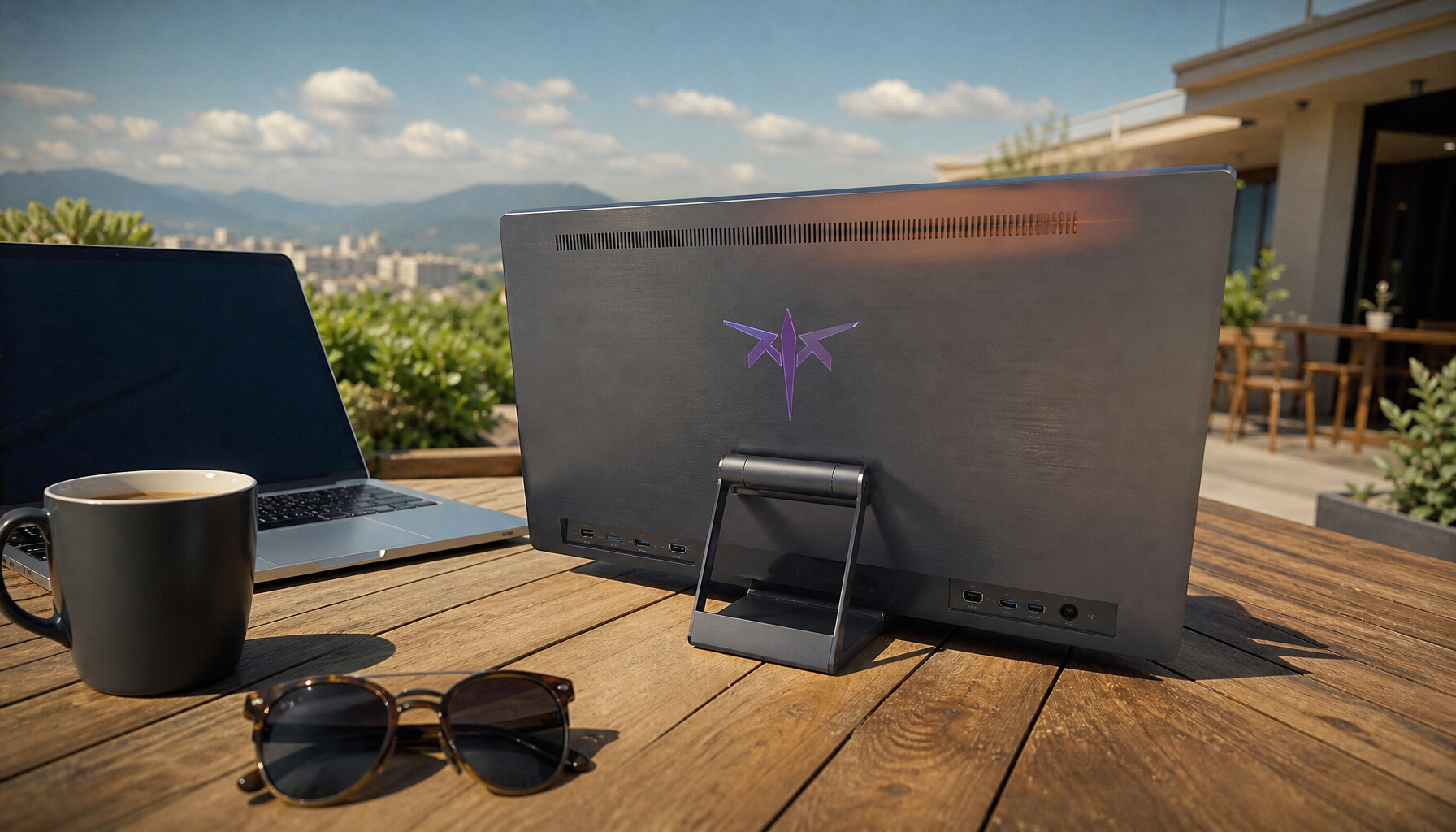
For performance displays, don’t treat “eye care” as a sticker. Look for flicker-free behavior, matte coating, ergonomic height adjustment, brightness control, and low-blue-light modes that preserve usable color.
Signs Your Prescription Is the Trigger
Prescription-related strain usually travels with you. If your eyes feel tired on a laptop, desktop, tablet, and printed paperwork, the screen may be exposing a vision issue rather than causing it.
Watch for squinting, one-eye dominance, double vision, frequent refocusing, or headaches after spreadsheets and reading. These symptoms can point to outdated correction, astigmatism, dry eye, or binocular vision stress.
This is especially common when you recently changed work patterns. A stronger monitor cannot fully compensate for lenses that no longer match your viewing distance. The AAO recommends placing screens at a comfortable distance and adjusting the setup, but persistent symptoms still warrant professional evaluation.
Blue-light settings may help evening comfort and sleep routines, but they do not fix dry eye, focusing problems, or an inaccurate prescription.
Run a 3-Day Display Diagnostic
Make one change at a time so you know what actually helped. A professional setup is measurable, not mystical.
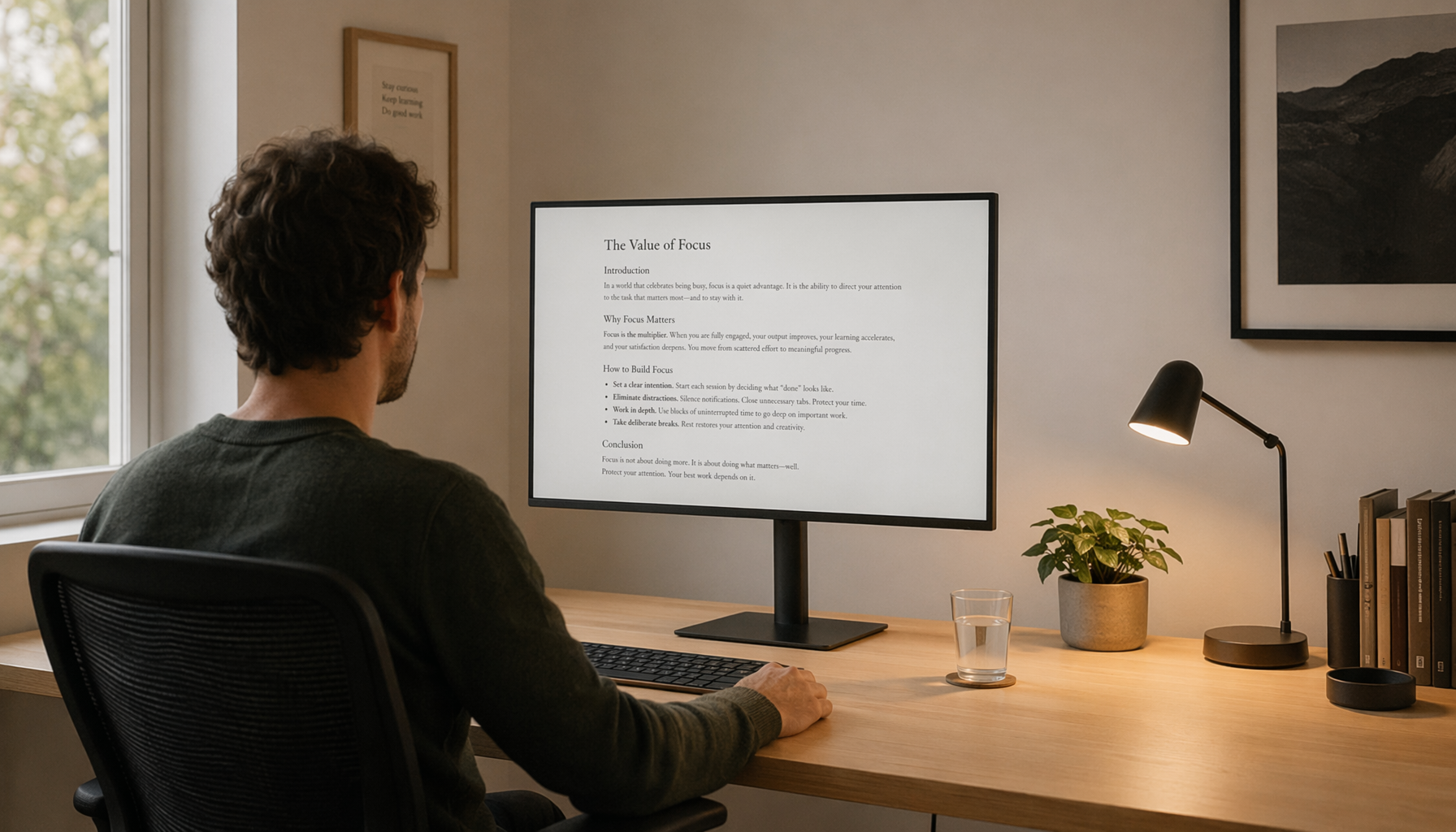
Day 1: Set the screen about an arm’s length away, with the top at or slightly below eye level. Lower brightness until a white page does not glow more strongly than white paper on your desk.

Day 2: Increase text scaling to 125% or 150%, then test your normal workload. If symptoms drop, your previous setup was forcing micro-squinting.

Day 3: Enable the highest stable refresh rate, reduce glare, and try a different monitor if possible. Prioritize flicker-free certification, matte surfaces, and adjustable stands.
If symptoms improve sharply after these changes, your monitor setup was likely the main driver. If symptoms remain unchanged, book an eye exam and bring your working distance, screen size, and daily screen hours so your prescription can be tuned for real use.
The Best Answer May Be Both
For gaming, creative work, and office productivity, eye comfort is a system: panel quality, refresh smoothness, room lighting, posture, breaks, and accurate vision correction.
Follow the 20-20-20 rule, blink intentionally, and avoid running a bright display in a dark room. A sharper, flicker-free monitor helps only when your eyes are also correctly corrected for the distance and duration you actually use.