In most cases, your monitor should wake with the same display preset it used before sleep. If it changes, the cause is usually a signal handshake, graphics setting, driver behavior, or monitor power-management feature rather than sleep mode itself.
Your Preset Usually Stays Put
Sleep mode is a low-power state where the screen turns off while the display remains ready to resume quickly. Modern monitors are generally built to preserve user settings through that cycle, so brightness, contrast, color temperature, overdrive, HDR status, and preset mode should remain stored in the monitor’s internal memory.
For a gaming display, that consistency matters. A 240 Hz FPS preset with faster response time and higher shadow visibility should not quietly return to Standard mode after a coffee break. For an office display, a 6500K color temperature and comfortable brightness should come back without forcing you through the on-screen menu again.

A useful distinction: screen sleep is not the same as fully cutting power. Sleep keeps the monitor in standby, while turning it off removes more standby draw. For short breaks, sleep mode is usually practical; for long idle periods, full power-off often makes more sense.
Why a Preset May Appear to Change
The preset may not actually reset. Sometimes the image changes because the computer wakes with a different signal mode.
For example, the operating system or graphics card may re-enable HDR, switch refresh rate, reload a color profile, or renegotiate the display as if it were newly connected. A monitor can then apply a different picture pipeline for HDR, adaptive sync, or a specific input.
Common triggers include HDR waking on or off after sleep, refresh rate falling from 144 Hz or 240 Hz to 60 Hz, a USB-C dock or KVM reconnecting the display, the monitor switching from Custom to an input-specific preset, or graphics drivers reloading color and gamma settings.

This is why a creator preset can look warmer after wake, or a gaming preset can feel less responsive even though the on-screen menu still says Game.
Gaming, Work, and Portable Screens Behave Differently
Gaming monitors often tie presets to performance features. A Game or FPS mode may change overdrive, black equalizer, adaptive sync behavior, and brightness. If the monitor wakes before the graphics card fully restores its signal, the display may briefly look washed out or overly dark until the handshake stabilizes.
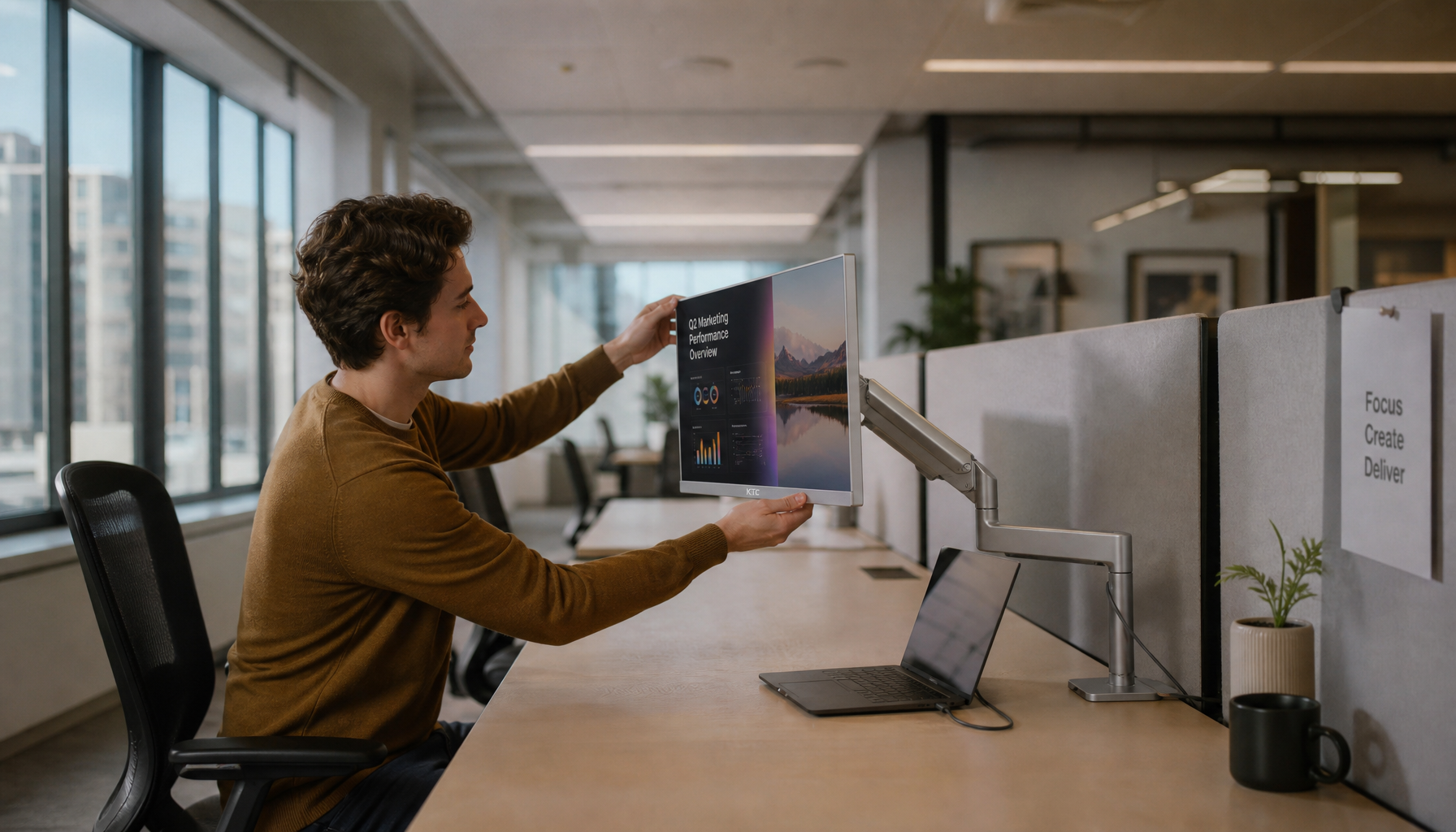
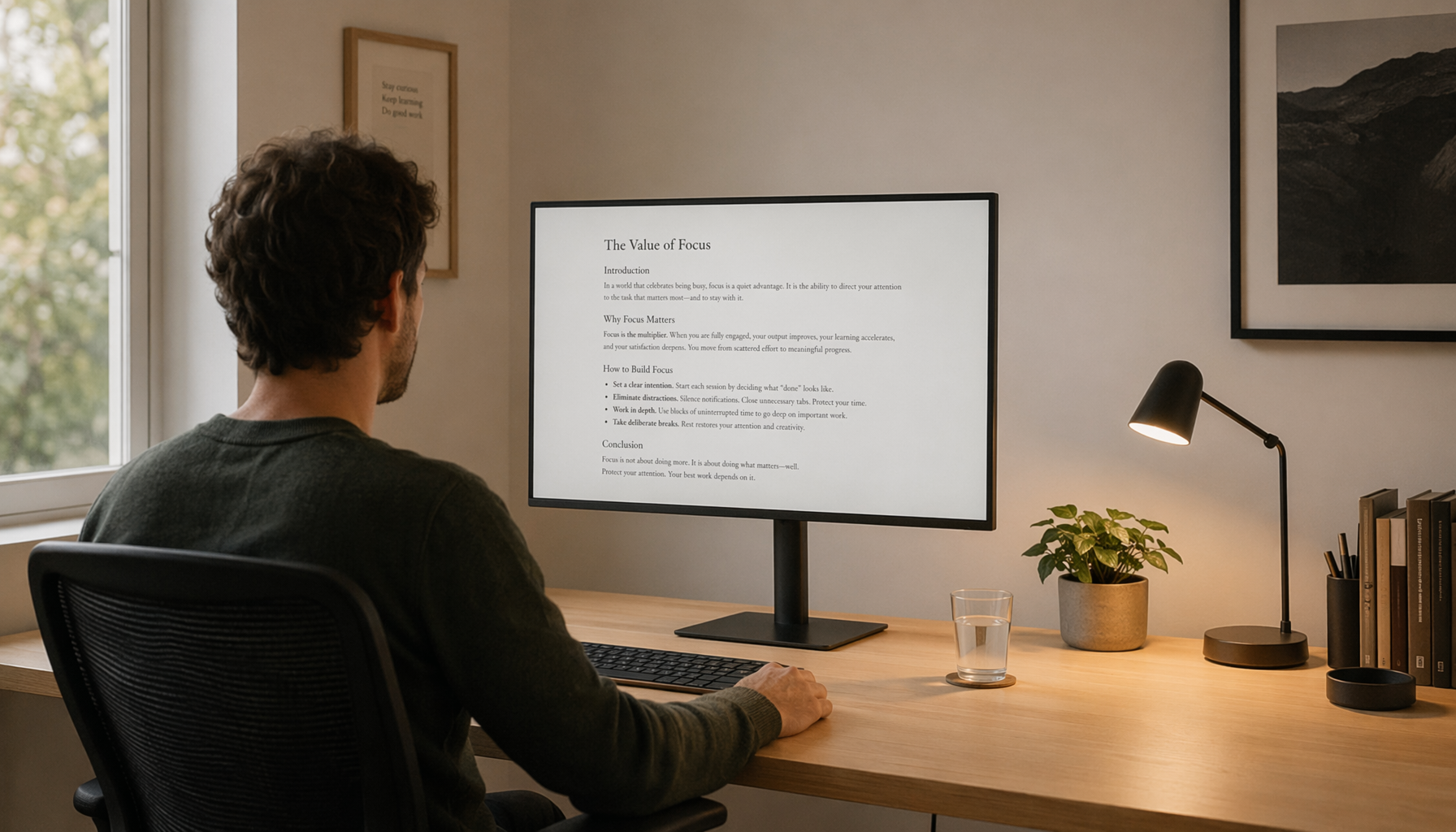
Office productivity displays are usually calmer. They tend to preserve brightness, color temperature, and reading modes, but docking stations can complicate wake behavior. If your laptop lid, USB-C hub, and monitor wake in the wrong order, the display may be detected as a new screen and receive a different operating-system color profile.
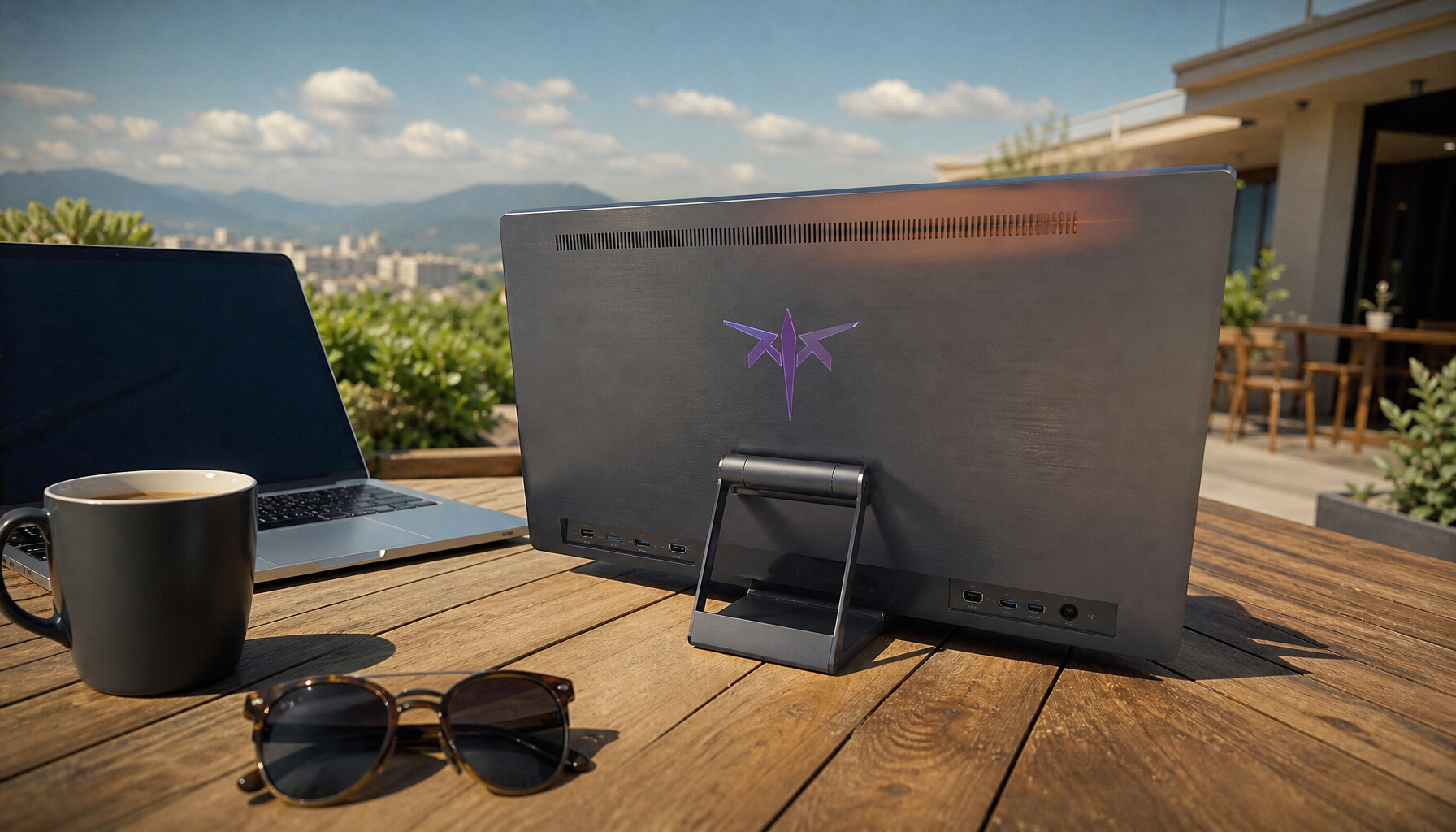
Portable smart screens are the most sensitive to power changes. If they are bus-powered from a laptop, sleep can reduce or interrupt power delivery. For travel setups, full shutoff is often better when packed away, while quick sleep is more convenient during same-day work sessions.
How to Keep Your Preset Consistent
Start with the monitor’s own menu. Save your preferred settings into a custom preset if the display supports it, then assign that preset to the input you actually use: HDMI 1, HDMI 2, DisplayPort, or USB-C.

Then lock down the computer side:
- Set the native resolution and highest stable refresh rate.
- Match HDR behavior to your real workflow.
- Update graphics and monitor drivers.
- Use a certified cable for high-refresh or HDR signals.
- Check dock firmware if using USB-C or DisplayPort over a dock.
Also review your sleep habits. Sleep is convenient, but a weekly full shutdown can clear temporary state and support normal system maintenance; one laptop-care resource notes that shutdowns help clear RAM and surface updates, while sleep remains useful for quick resume.
The Practical Takeaway
Your display preset should survive sleep mode. If it does not, treat the issue as a wake handshake problem involving input detection, HDR state, refresh rate, driver profile, dock behavior, or power delivery.
For the most reliable setup, save a custom preset on the monitor, use a certified cable, keep drivers current, and verify wake behavior after a few real sleep cycles. A great screen should feel ready the moment it wakes, with the same speed, clarity, and visual intent you tuned it for.