Calibration gets more accurate when your monitor’s brightness matches your room and workflow, not when the screen is simply brighter. For most gaming monitors, ultrawide displays, and portable monitors, the right target is a measured luminance level, not a copied menu percentage.
If your monitor looks sharp and punchy at night but washed out, harsh, or oddly dark the next morning, brightness is usually the hidden variable. In one practical print-matching case, lowering screen brightness fixed dark-looking output on the next reprint. You’ll get usable brightness targets, setup choices, and a calibration process that fits real gaming and work displays.
Brightness Is a Calibration Target, Not a Taste Setting
For most displays, monitor brightness is something you set before calibration, not something the software magically fixes afterward. Many calibration packages measure the screen and then ask you to adjust brightness manually to a luminance target before they build the ICC profile for white point, gamma, and color behavior.

A too-bright monitor can make output look deceptively vivid, while still being less accurate for editing, gaming image tuning, or print matching. That is why users often describe screens as “looking better” at high brightness even when shadow detail, tonal balance, and print expectations get worse. Some monitors also behave less consistently at the edges of their brightness range, which turns brightness into a tradeoff between comfort, visibility, and best color performance.
The same luminance target can land at very different on-screen menu values, which is why copying someone else’s “Brightness 70” setting is rarely useful. In one monitor example, hitting a 120 cd/m² target required a brightness setting of only 20, not 50 or 80. On a gaming monitor with a far brighter backlight, that same target could land somewhere else entirely.
The Right Brightness Depends on Your Room More Than Your Monitor Category
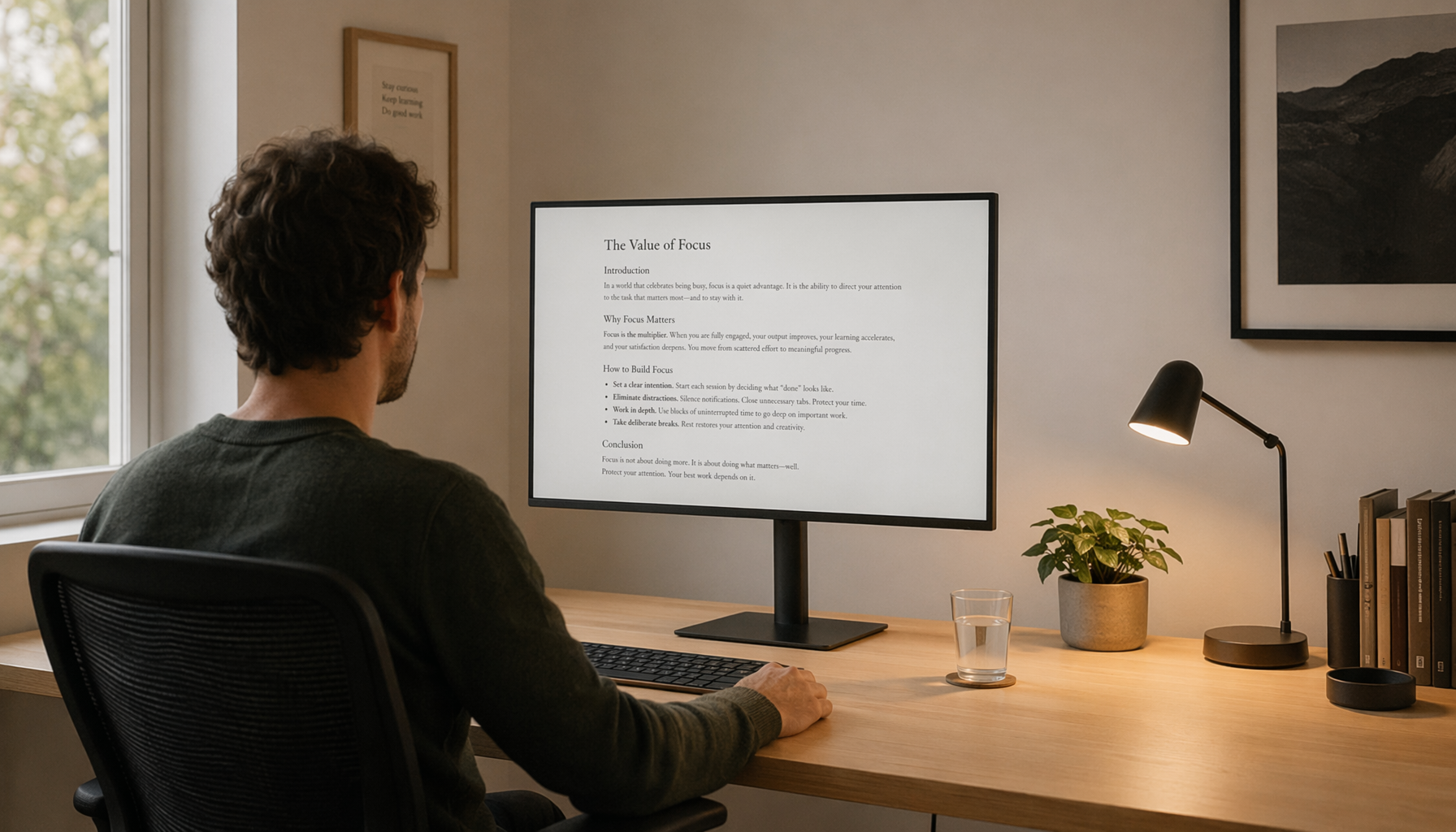
A controlled dark-room workflow usually lands around 80-120 cd/m², while a normal daylight desk often works better around 140-160 cd/m². That range matters more than whether the panel is a 27-inch gaming monitor, a 34-inch ultrawide, or a portable USB-C display. Room light changes perceived contrast and shadow visibility, so calibration has to match the space where you actually use the monitor.

A standard LCD calibration target of about 120 remains a solid baseline for many desks, and one expert’s practical ranges tighten that further: about 90 cd/m² in a dark room, about 120 cd/m² in a moderately dark room, and up to 150 cd/m² in a bright room. Those are useful targets because they keep the display believable in normal use instead of forcing your eyes to adapt to an over-lit panel.
Setup |
Practical calibration target |
Peak brightness worth shopping for |
Best fit |
Dark room editing desk |
90-120 cd/m² |
250-350 nits |
Photo work, late-night gaming, controlled rooms |
Mixed office and gaming desk |
120-150 cd/m² |
300-400 nits |
Most desktop monitors and high-refresh displays |
Bright desk near windows |
140-160 cd/m² |
350+ nits |
Ultrawide monitors and open-office setups |
Portable monitor indoors |
120-160 cd/m² |
300+ nits |
Travel, cafes, coworking spaces |
Portable monitor outdoors |
Accuracy is a compromise |
400+ nits |
Legibility first, not strict calibration |
The peak brightness numbers used in shopping guidance answer a different question from calibration. A desktop monitor in the 250-350 nit class is usually fine for home and office use, 300+ nits helps portable monitors in cafes and shared spaces, and 400+ nits helps visibility outdoors. The key distinction is simple: buy enough brightness headroom for your environment, then calibrate to a lower realistic target for actual accuracy.
What Goes Wrong When Brightness Is Too High or Too Low
When brightness is set too high, near-black test patterns stop behaving correctly. A common sign is that dark separation looks lifted, blacks lose depth, and subtle shadow distinctions become harder to judge. The screen may seem more impressive at first glance, but it becomes easier to miss whether a dark game scene is intentionally moody or just incorrectly tuned.
A brightness adjustment also changes how gamma is perceived, which is why serious setup work often needs two or three passes. Neurobehavioral calibration guidance describes setting brightness so a dark gray bar is just visible at the desired gamma and then refining again because increasing brightness effectively lowers perceived gamma. In practical terms, that is why an over-bright monitor often looks flatter or less believable even when colors seem intense.
Real-world gaming monitor complaints often trace back to mismatched brightness and room conditions. One monitor owner described the classic split: lower brightness made dark maps hard to read, while other games looked washed out. That is not usually a sign that one universal brightness number exists; it is a sign that monitor brightness, gamma, and in-game controls must be balanced against the room instead of guessed from forum presets.
A Better Calibration Workflow for Gaming, Ultrawide, and Portable Displays
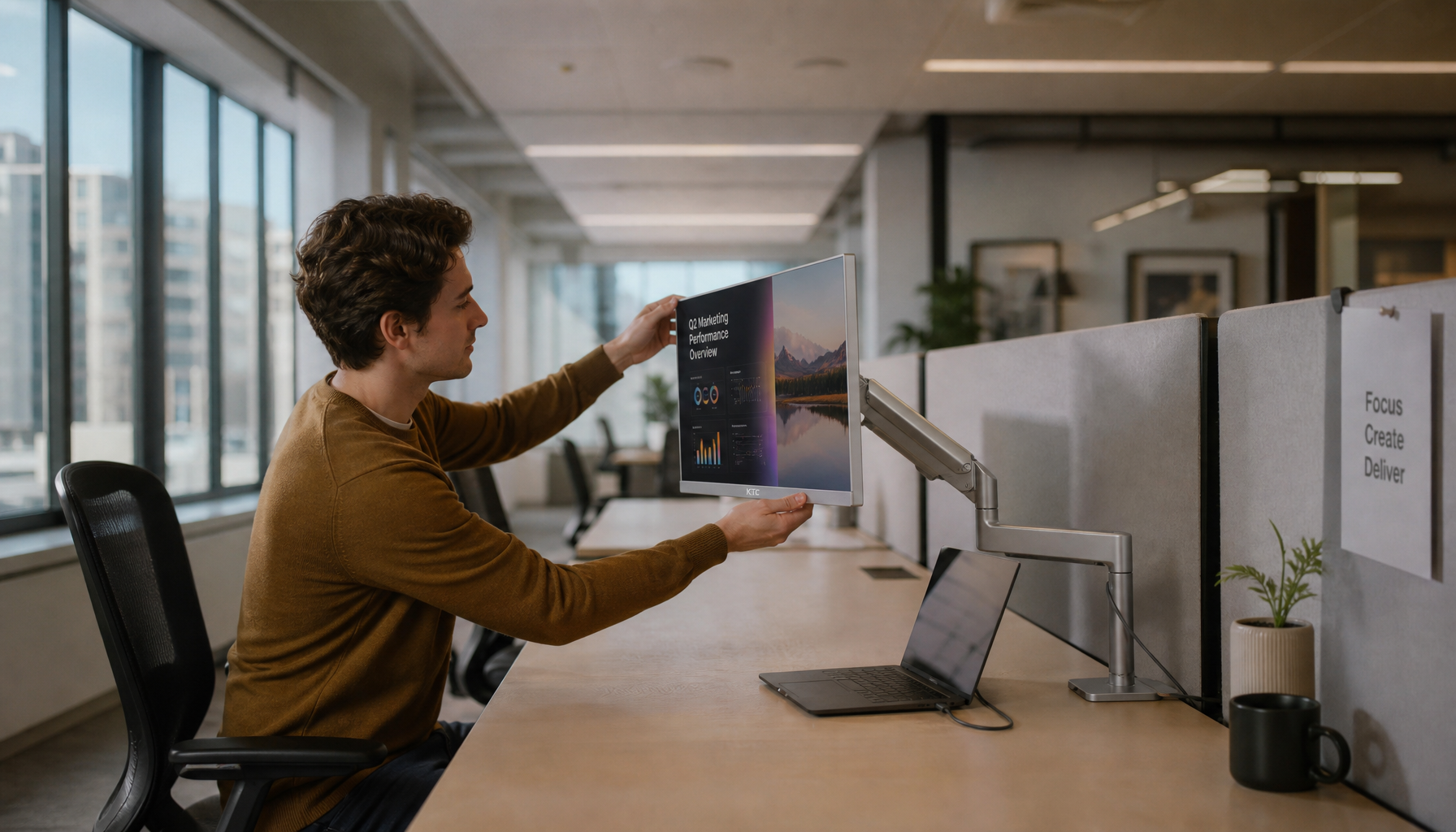
A reliable calibration run starts with stable conditions: warm the monitor for about 30 minutes, avoid direct light on the panel, and calibrate under the same lighting you normally use for editing, gaming, or office work. On a large ultrawide near a window, that may mean closing blinds before calibrating. On a portable monitor, it usually means calibrating indoors rather than trying to tune color accuracy in shifting outdoor light.
A digital signal path and sensible baseline controls matter more than aggressive tweaking. Use the display’s native resolution, connect digitally when possible, start from a neutral or User mode, and leave sharpening or image enhancement features off unless you have a specific reason to keep them. Those enhancements can make text and motion look punchier while quietly moving the image away from a clean calibration baseline.
For repeatable results, a colorimeter is more trustworthy than eyeballing the screen. A solid default target for most LCD monitors is D65 or 6500 K, Gamma 2.2, and a luminance target matched to the room; one expert also notes that calibrating the monitor itself to 5000 K for print workflows often makes the screen look too warm and can push edits in the wrong direction. Once a good target is set, keep it consistent and recalibrate about once a month instead of chasing a different look every week.

Buying Guidance: What Brightness Specs Actually Matter
For desktop and gaming monitor buyers, peak nit ratings mainly tell you how much room-light headroom you have, not how accurate the monitor will be after calibration. A high-refresh-rate gaming monitor that peaks well above your target can be useful in a bright room, but it still needs fine low-end brightness control so you can comfortably land at 120-150 cd/m² without crushing shadow detail or tiring your eyes.
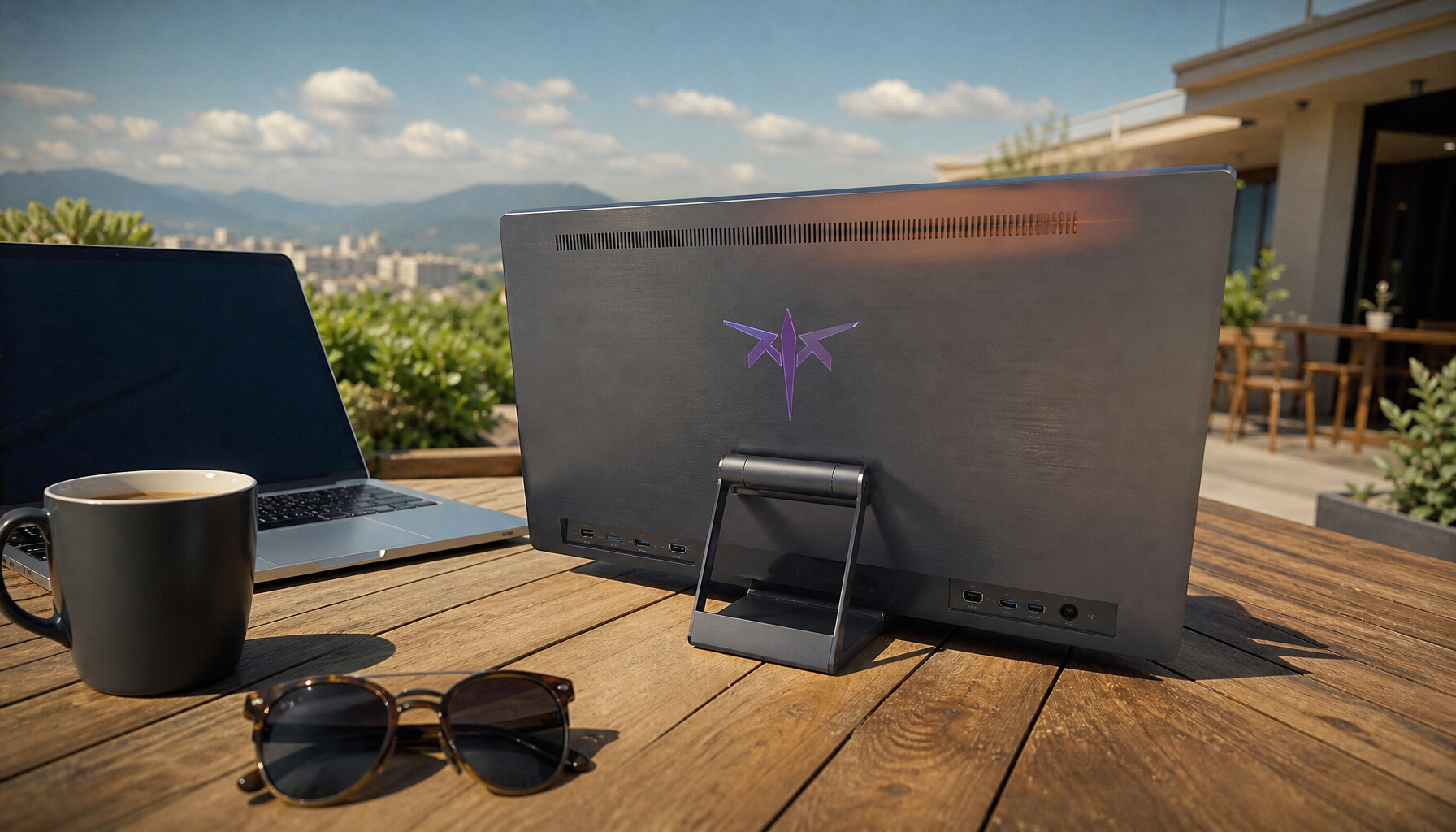
Portable displays add a comfort problem on top of the accuracy problem, and features like flicker-free backlights, low blue light modes, and adjustable brightness behavior can matter during long work sessions. Those features help with travel and extended use, but for any color-critical task, keep the screen on a stable manual brightness target during the calibration session and while doing the work you want to trust.
Buyer forums show how easy it is to chase the wrong numbers: a gaming monitor owner can sit at Brightness 80 and still not know whether the image is correct. That is the best reason to prioritize monitors with wide brightness adjustment range, stable image modes, and enough peak brightness for your room instead of relying on copied OSD percentages from reviews or platform-style settings lists.
FAQ
These are the three questions that matter most when choosing brightness targets for monitor calibration.
Q: Does higher brightness make calibration more accurate?
A: No. Calibration accuracy depends on matching luminance to the room, not on pushing the backlight as high as possible. Higher brightness can improve visibility in a bright space, but it can also distort shadow judgments and make the screen look better than it really is.
Q: What brightness should I use on a gaming monitor or ultrawide?
A: A 120 cd/m² baseline is still a strong default, with roughly 140-160 cd/m² making more sense for bright daylit desks. Start from the room, not the monitor category, then fine-tune with a test pattern or colorimeter.
Q: Why does my calibrated display look different during the day and at night?
A: Ambient light changes perceived contrast and shadow visibility, so the same calibration can feel darker at noon and brighter after sunset. If the room changes dramatically, either control the room light better or keep separate expectations for daytime visibility versus nighttime accuracy.
Practical Next Steps
The most useful rule is simple: buy brightness for the environment, but calibrate brightness for the task. A gaming monitor, ultrawide, or portable display can all look “wrong” after calibration if the luminance target does not match the room where you actually use it.
Use this checklist the next time you calibrate:
- Warm the monitor for 30 minutes before making adjustments.
- Calibrate in the same lighting you normally use, with direct glare removed.
- Start with D65, Gamma 2.2, and 120 cd/m² unless your room is clearly darker or brighter.
- Raise the target toward 140-160 cd/m² only if your desk is strongly daylit.
- Ignore copied brightness percentages from other users and measure your own display.
- Use a colorimeter if you need repeatable results for editing, buying comparisons, or multi-monitor setups.
- Recheck calibration about once a month or whenever the room setup changes.
References
- A Q&A platform: Do monitor calibration tools adjust screen brightness too?
- A calibration software tool: Which monitor brightness is recommended?
- A company: Understanding how to calibrate your monitor
- A publication: Calibration Targets
- A brand: Portable Monitors and Display Brightness Levels
- A publication: Color Accuracy and Panel Type: Choosing the Right 24-Inch Portable Display
- A publication: Computer Display Calibration 101
- A company: Calibrating Your Monitor
- A platform: Monitor brightness and contrast settings
- A forum platform: Recommended brightness/contrast settings for best image quality on monitor?
- A publication: Monitor Brightness