Miracast usually has the best chance at the lowest latency for direct screen mirroring because it can use Wi-Fi Direct instead of routing through a home or office network. AirPlay is typically the smoothest low-lag choice in compatible device ecosystems, while Chromecast is better for app-based streaming than latency-sensitive screen mirroring.
Is your cursor trailing during a presentation, or does a game feel soft the moment it reaches the big screen? In real display setups, the fastest-feeling results usually come from matching the protocol to the source device and using direct or wired network paths where possible. This guide gives you a practical, latency-first decision path for gaming monitors, office displays, and portable smart screens.
The Short Answer: Lowest Latency Depends on the Job
For pure screen mirroring, Miracast often has the lowest-latency potential because it creates a peer-to-peer display link rather than relying on a conventional internet connection. That matters when you are moving a mouse, drawing on a whiteboard, playing a casual game, or presenting from a Windows laptop in a meeting room where the Wi-Fi network is congested.
AirPlay can feel exceptionally responsive when a compatible phone, tablet, or laptop connects to a supported receiver or display, but it is strongest inside its own device ecosystem. Chromecast is excellent when a supported app hands off video playback to the receiver, but full-screen desktop or tab mirroring can introduce more delay than app-native casting.
Protocol |
Best Low-Latency Use |
Main Strength |
Main Limitation |
Miracast |
Windows and Android screen mirroring |
Direct Wi-Fi display connection |
No native iPhone or Mac support |
AirPlay |
Compatible device mirroring and media playback |
Smooth ecosystem integration |
Limited outside compatible receivers |
Chromecast |
App-based video casting |
Strong streaming app support |
Mirroring can lag, especially for games |
What Latency Really Means on a Wireless Display
Latency is the delay between an action on the source device and the result appearing on the display. On a productivity monitor, that may be the delay between moving a mouse and seeing the pointer move. On a portable smart screen, it may be the delay between tapping a phone and seeing a slide advance. On a gaming monitor, it is the difference between feeling connected and feeling like the display is slightly behind you.
Wireless display latency comes from capture, compression, Wi-Fi transmission, decoding, and display processing. A premium 144 Hz monitor cannot remove the delay added before the signal reaches the screen. That is why a high-refresh panel can still feel sluggish if the protocol, receiver, or network path is wrong.
For a simple real-world benchmark, try dragging a window in circles from a laptop to a wireless display. If the window feels attached to your hand, the setup is good enough for office control. If it trails by a noticeable fraction of a second, use it for slides and video rather than interactive work.

Miracast: The Latency-First Choice for Windows and Android
Miracast is a wireless display standard built for screen mirroring, and Miracast works peer-to-peer through Wi-Fi Direct rather than depending on an internet connection. That direct path is why it often feels more immediate than network-routed casting when the source and receiver are close together.
The practical advantage is clear in a conference room. A Windows laptop can mirror to a compatible monitor or adapter without joining a guest network, signing into an app, or handing media playback to a cloud service. For a spreadsheet review, CAD preview, dashboard walkthrough, or portable second-screen setup, that directness is valuable.

Miracast’s weakness is compatibility. iPhones and Macs do not natively support it, and Miracast works mainly with Windows PCs and Android devices. Receiver quality also matters. A good adapter can feel clean and responsive; a weak one can turn a cheap purchase into a frustrating lag box.
Miracast Pros and Cons
Miracast’s biggest performance win is direct mirroring without a shared router. It is also useful when you need a one-to-one screen connection in a hotel room, classroom, demo booth, or office where network access is restricted.
The tradeoff is that it is not a universal language. It is poor for workflows built around unsupported devices, and some streaming apps may restrict protected content. In large organizations, security and manageability can also be concerns because Wi-Fi Direct does not always fit neatly into managed network policy.
AirPlay: Best Low-Lag Experience for Compatible Displays
AirPlay is a wireless mirroring and streaming technology designed for compatible phones, tablets, laptops, receivers, and displays. In a clean supported environment, it can be the most reliable and polished experience because discovery, mirroring, audio sync, and device controls are integrated into the operating system.
For a designer reviewing mockups from a laptop on a large office display, AirPlay can feel smoother than a generic adapter because the workflow is native. Tap Screen Mirroring, choose the receiver, and the display is live. For an executive presentation from a tablet, that low-friction setup often matters as much as raw milliseconds.

The catch is network dependency. AirPlay is recommended mainly for compatible-device environments, and it typically needs same-network access with discovery support. In homes, that is usually fine. In corporate environments with VLANs, guest isolation, or blocked multicast discovery, AirPlay can become less predictable.
AirPlay Pros and Cons
AirPlay is the right low-latency answer when the source device and receiver both support it well. It is especially strong for presentations, video playback, photo review, and collaborative office work where setup speed and stability matter.
Its biggest limitation is ecosystem lock-in. If your room needs to support Windows laptops, Android phones, Chromebooks, and iPads, AirPlay alone is not enough.
Chromecast: Great for Streaming, Weaker for Latency-Sensitive Mirroring
Chromecast works differently from classic screen mirroring when used with supported apps. In many cases, the phone or laptop acts like a remote while the receiver pulls the video stream directly. That is efficient for media apps because the source device is not constantly encoding its entire screen.

That is why Chromecast can feel excellent for entertainment but less ideal for interactive work. Website-native casting usually provides a smoother experience than casting a browser tab or full desktop. If you are watching a 4K video, Chromecast can be a strong choice. If you are controlling a game from a laptop and mirroring the whole screen, the added delay can be obvious.
Bandwidth and reliability also affect perceived latency. Chromecast Ultra includes an Ethernet adapter, and a wired connection can help maintain high-quality 4K HDR streams without falling back to lower quality. That does not make Chromecast the lowest-latency gaming protocol, but it does make media playback more stable.
Chromecast Pros and Cons
Chromecast is the best choice when the content lives inside Cast-enabled apps. It is flexible across major device ecosystems and easy to use on TVs and smart displays.
Its downside is interaction delay. Chromecast gaming issues include lag, buffering, and connection drops in faster-paced games. For party games or casual shared-screen experiences, it can work well. For competitive play or precise mouse control, use HDMI, USB-C display output, or a purpose-built low-latency wireless HDMI system instead.
Which Should You Choose for Gaming, Office, and Portable Screens?
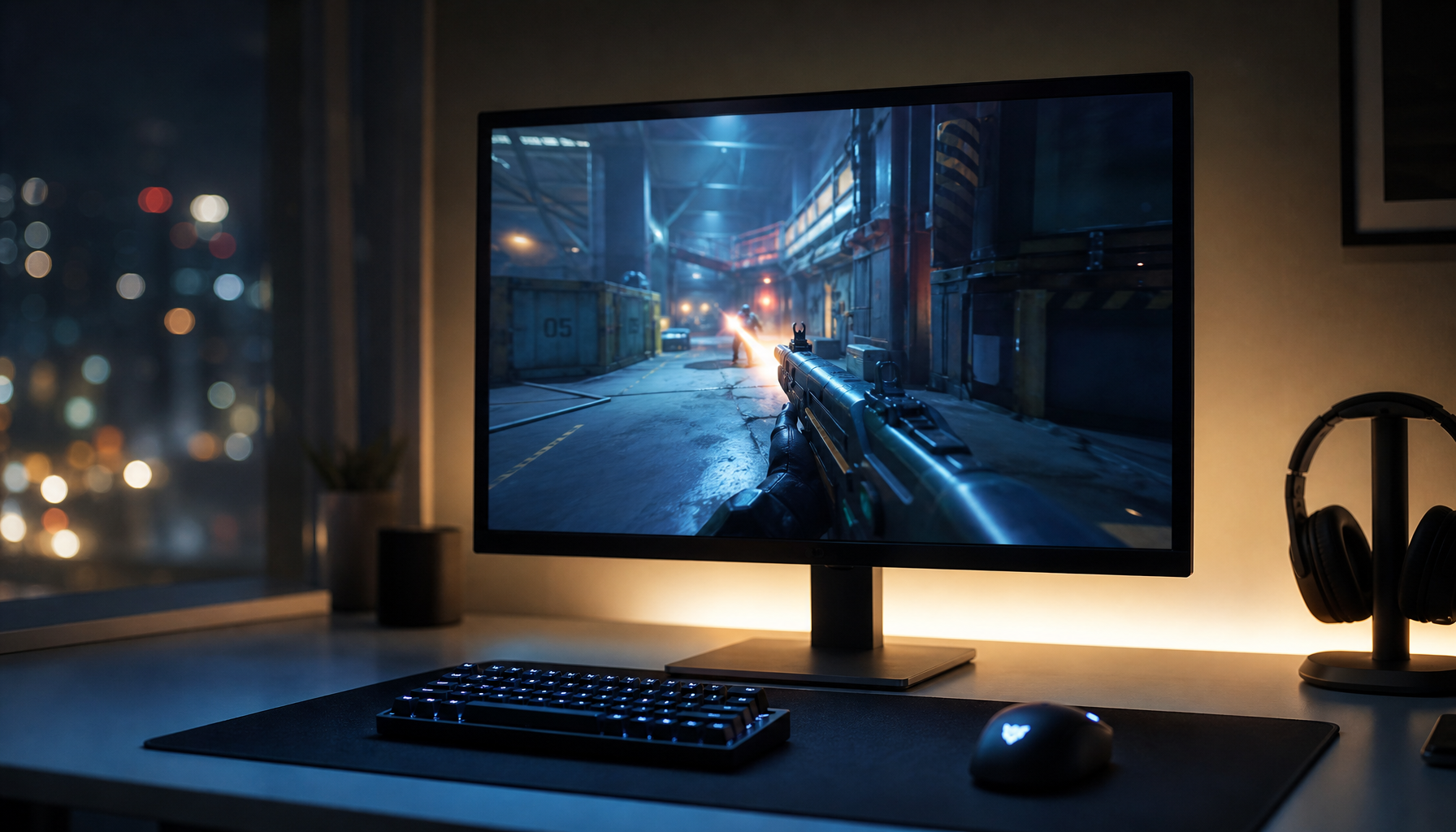
For gaming monitors, the honest answer is that none of these protocols beats a cable for serious play. If you must go wireless, Miracast is usually the better bet for Windows or Android mirroring because it can avoid the router. Chromecast is acceptable for casual TV games and social titles, while AirPlay is better for casual compatible-device play than competitive gaming.
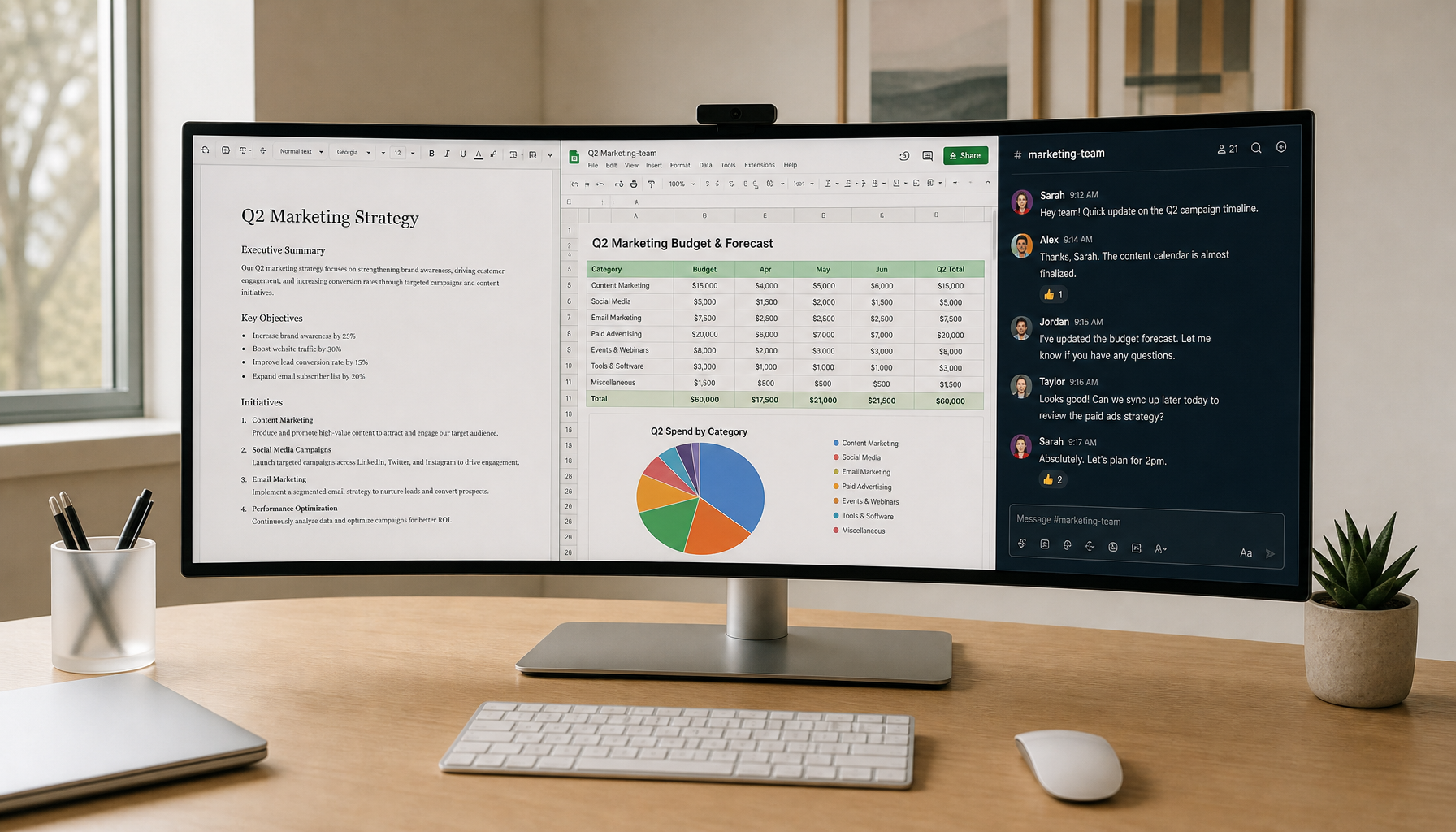
For office productivity displays, choose by device mix. A Windows-heavy meeting room should prioritize Miracast or a multi-protocol receiver. A room built around compatible devices should use AirPlay. A mixed room should avoid single-protocol thinking and pick a receiver that supports AirPlay, Miracast, and Chromecast-style casting.
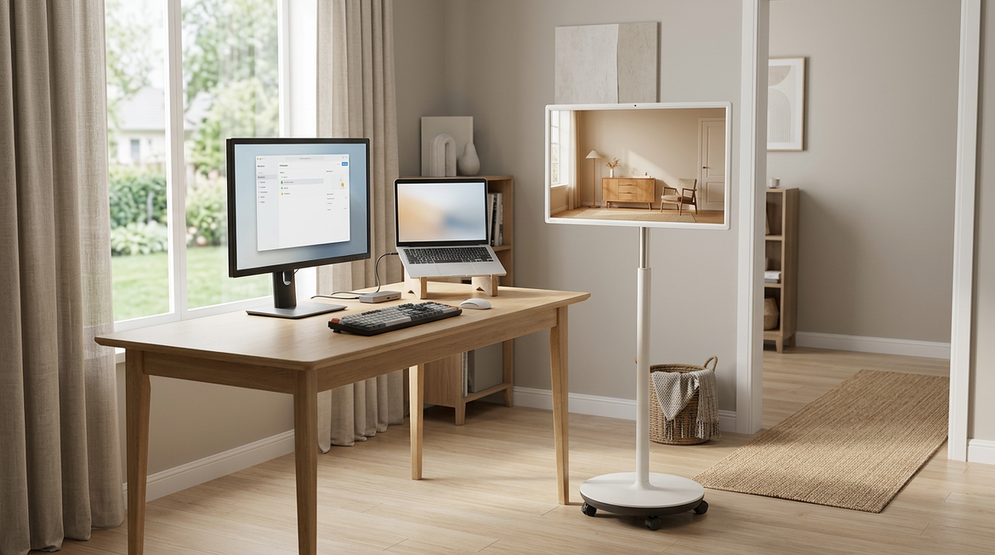
For portable smart screens, latency is about convenience as much as speed. If you are using an iPhone, AirPlay support is the cleanest wireless path because iPhones do not natively support Miracast. If you are using a Windows handheld, Android tablet, or travel laptop, Miracast support can be more useful when hotel or office Wi-Fi is unreliable.
Practical Latency Setup Tips
Place the receiver close to the source device and display because short wireless paths reduce interference risk. Use 5 GHz Wi-Fi when network casting is required, and use Ethernet for Chromecast-style 4K streaming when the receiver supports it.
Set the display to Game Mode or low-latency mode if available. Many TVs and smart monitors add image processing that makes wireless delay feel worse. Turn off heavy motion smoothing, noise reduction, and dynamic contrast for interactive mirroring.
Match the protocol to the content. Use Chromecast for app-native movies and shows, AirPlay for compatible-device presentations and media, and Miracast for direct Windows or Android screen control. If a receiver offers both quality and low-latency modes, choose low latency for interaction and quality mode for films, photos, or design review.
Bottom Line
Miracast offers the strongest low-latency potential for direct screen mirroring, AirPlay delivers the best experience in supported device ecosystems, and Chromecast is the most practical for app-based streaming rather than real-time control. For a performance-focused display setup, buy around your source devices first, then optimize the network and receiver. The lowest-lag protocol is not the most famous one; it is the one with the shortest, cleanest path from your device to the pixels.