A mini-LED monitor can replace premium OLED for many mixed productivity-and-gaming desks, but only when your room is bright enough, your work apps stay on screen for hours, and you care more about readability and HDR punch than perfect blacks. If your setup is mostly dark-room gaming, OLED still has the cleaner image. The real question is not which panel is "better," but which tradeoff is easier to live with on your desk.
Who Mini-LED Can Realistically Replace
For mixed-use buyers, the safest way to think about replacement is "good enough for this desk," not "identical in every scene." RTINGS' mini-LED vs OLED comparison makes the practical split pretty clear: mini-LED tends to fit brighter rooms and static desktop use better, while OLED still owns the dark-room, black-level-first lane.
That is why a value mini-LED monitor makes sense when your screen spends most of the day in documents, browsers, spreadsheets, and then switches to gaming after work. It is not the universal answer, though. If your room is dim, your games are cinematic, and you notice black purity right away, OLED is still the safer pick.
A useful decision sentence is this: if your desk is bright, work-first, and often left on static UI, mini-LED is usually the more practical OLED alternative; if your desk is dim and image purity matters most, OLED remains the better fit. OrdinaryTech's 2026 buyer guide puts that use-case split plainly.
For a deeper OLED-specific checklist, the KTC guide on mixed-use burn-in prevention is the right follow-up if you already lean OLED and want to reduce worry around static desktop habits.
Where Value Mini-LED Closes the Gap
The gap is smaller than many buyers expect in bright rooms. Mini-LED can deliver enough brightness and local-dimming help to feel close to OLED for day-to-day work, especially when the room is not controlled like a theater. RTINGS notes that mini-LED monitors are generally better for bright rooms because they can get significantly brighter than OLEDs, which is the trait you notice first when a desk sits near windows or under overhead light.
| Trait | Value Mini-LED | Premium OLED | What It Means On A Desk |
|---|---|---|---|
| Bright room readability | Usually stronger | Usually weaker in direct comparison | Mini-LED is easier to live with when daylight hits the room. |
| Black levels | Very good, but not perfect | Best-in-class | OLED still looks cleaner in dim scenes. |
| HDR impact | Can be very strong | Also very strong | Both can look premium, but the result depends on the model. |
| Blooming/haloing | Possible around bright objects | Much less of a concern | Dark themes and subtitles can expose mini-LED's limits. |
| Static UI comfort | Good for long desk sessions | More caution needed | Mini-LED is simpler for taskbars, tools, and browser-heavy work. |
| Best room type | Bright or mixed lighting | Dim or dark lighting | The room often decides the winner. |
That middle ground is why many shoppers browse mini-LED monitor options when they want HDR-style impact without paying OLED prices. But the tradeoff is real: DisplayModule's contrast and brightness breakdown explains why mini-LED can still show haloing around bright objects on dark backgrounds.
In other words, mini-LED gets close enough for mixed desks when brightness and practicality matter most. It does not fully erase OLED's advantage in deep blacks, especially once the lights go down.

Why Mixed Desks Feel Different by Day and Night
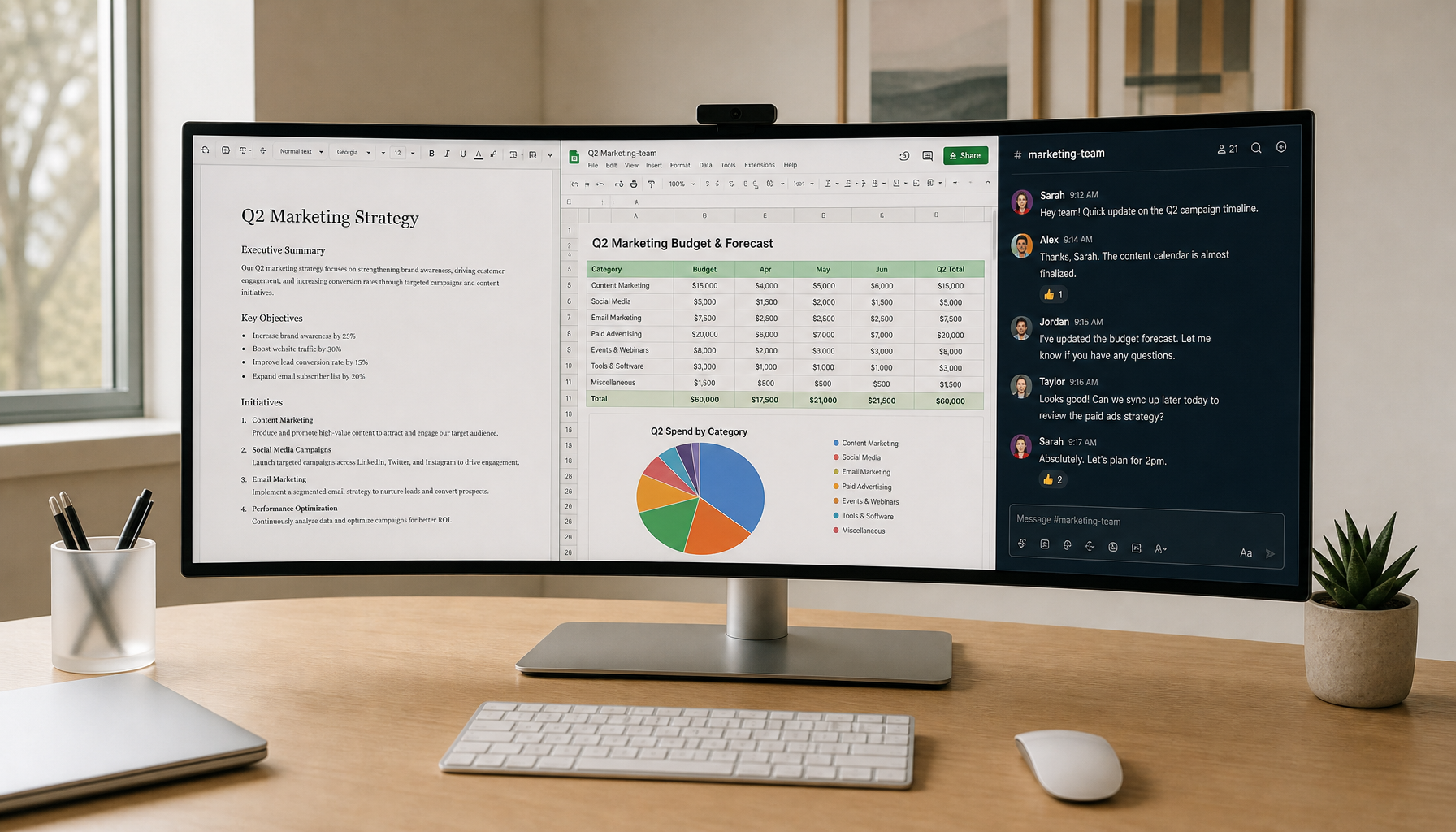
What changes is not just the panel technology, but the room around it. In a daytime home office, brightness and glare control often matter more than absolute black level. That is where mini-LED tends to feel easier to use, because you can keep the screen legible without dimming the whole room.
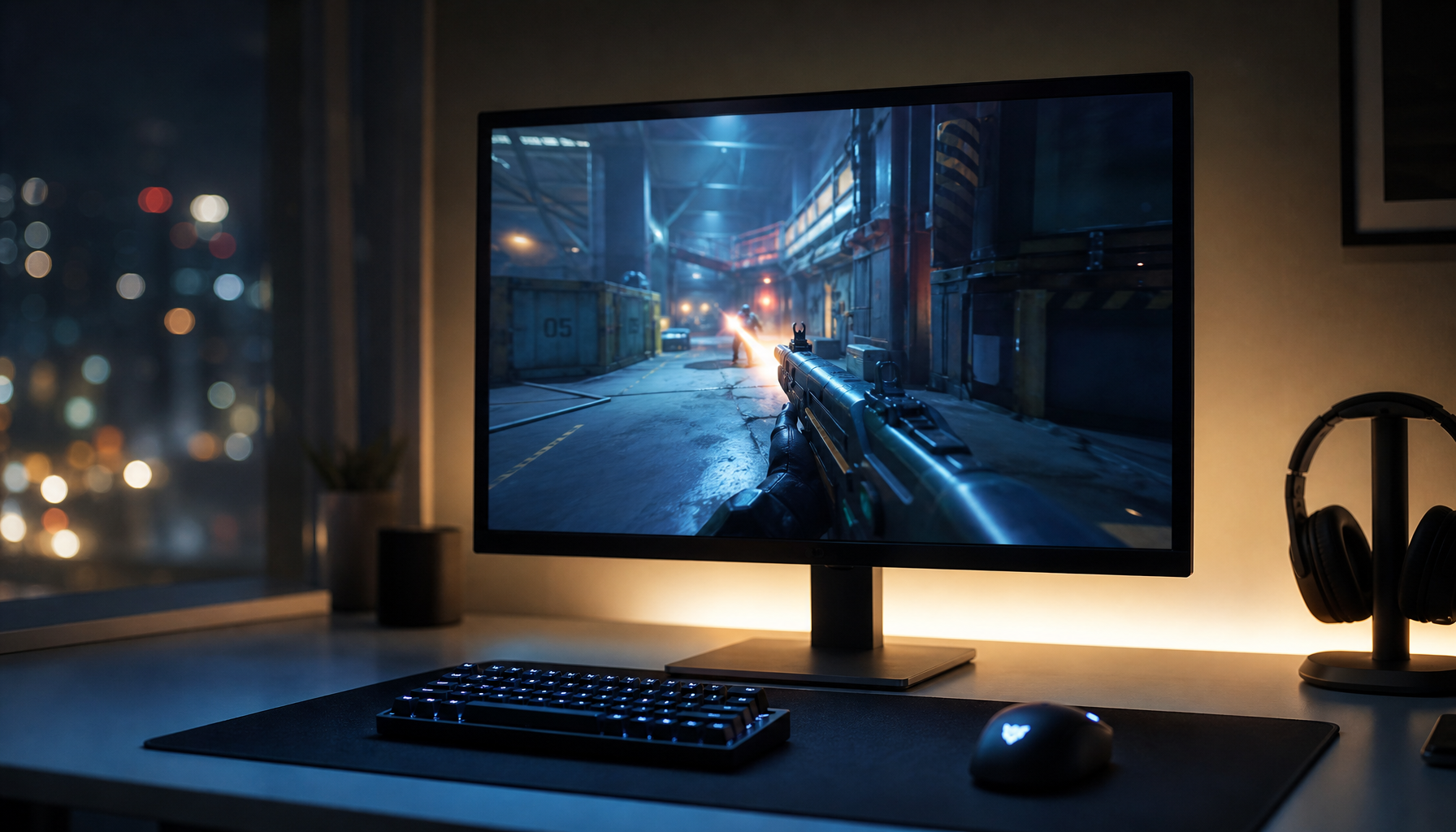
At night, the priorities flip. Dark-room gaming makes OLED's pixel-level black control more visible, so cinematic games and dark scenes look cleaner. Mini-LED still works well, but dark UI themes, subtitles, and bright-on-black content can make blooming more obvious. That is the practical reason a buyer may love mini-LED all day and still notice OLED's advantage at night.
For static UI, the concern is less about panic and more about habits. RTINGS says mini-LED avoids permanent burn-in from elements like taskbars and toolbars, while Tom's Hardware notes that modern OLED longevity has improved and the main degradation risk still centers on static content at high brightness. That means OLED is not fragile by default, but mini-LED is the lower-maintenance choice if your desktop stays full of the same windows for hours.
If you want to tune a mini-LED screen for less blooming, the local dimming setup guide is worth reading after you choose the panel type.
Daytime Productivity on a Shared Desk
For spreadsheets, documents, and browser tabs, mini-LED often feels more comfortable because the screen stays readable in real room light. That matters more than raw panel prestige when the desk is also your office. If your workday includes long sessions with fixed UI, mini-LED is usually the easier screen to live with.
Gaming After Work in the Same Seat
Mini-LED can still feel premium in games, especially when HDR highlights and bright scenes are the goal. The catch is that the same screen can feel less special in darker games where OLED's black levels are more visible. If you mainly play fast, bright, or mixed-content games, mini-LED stays competitive; if you mostly play dim single-player titles, OLED keeps the edge.
Text Clarity, Static UI, and Comfort Checks
A mixed desk exposes small annoyances fast. Taskbars, launchers, chat panes, and document windows can make blooming easier to spot on mini-LED, especially with dark themes. That is not a deal-breaker for everyone, but it is the main reason some buyers still prefer OLED for a premium-feeling desktop.
The simple check is this: if you spend more time reading and switching apps than admiring black levels, mini-LED usually makes more sense. If you spend more time looking for image purity in dark scenes, OLED is still the safer emotional buy.
The KTC Mini-LED Fit for a Hybrid Desk
If you want one featured model to compare against premium OLED, the KTC Mini LED 27" 4K 160Hz HDR1400 Gaming Monitor | M27P6 is a clean fit example. It uses Mini-LED backlighting with 1,152 local dimming zones, lists HDR1400 peak brightness, and supports 4K at 160Hz or FHD at 320Hz, so it lines up well with the mixed-work, mixed-game use case.
That makes it most compelling for buyers who want a brighter desktop display first and a gaming monitor second. The 27-inch 4K panel, HDMI 2.1, DisplayPort 1.4, USB-C with 65W power delivery, USB-A hub, and full ergonomic adjustment all support a hybrid desk rather than a pure gaming-only setup. The included 3-year warranty, free shipping over $100, and 30-day returns also make it easier to evaluate without feeling locked in.
Still, the fit is conditional. If you want the smoothest dark-room image and do not mind OLED's tradeoffs, you should keep OLED in the running. If your desk stays bright, your work apps stay open for hours, and you want strong HDR without paying OLED pricing, this kind of value mini-LED monitor is the more practical compromise.

Mini-LED Still Loses in These Situations
- If your room is usually dim or you game with the lights off, OLED still looks cleaner because its blacks are more complete.
- If you are sensitive to halos around subtitles, cursors, or bright interface elements on dark backgrounds, mini-LED may keep bothering you after the first few days.
- If you care most about cinematic immersion rather than daytime usefulness, OLED is still the stronger emotional choice.
- If you want the least worry around static desktop elements, mini-LED is easier to live with, but that advantage matters less if your monitor is mostly for dark-room play.
- If you are shopping in OLED monitor options, compare how much of your time is spent in the dark before you pay extra for black-level perfection.
Final Fit Test Before You Buy
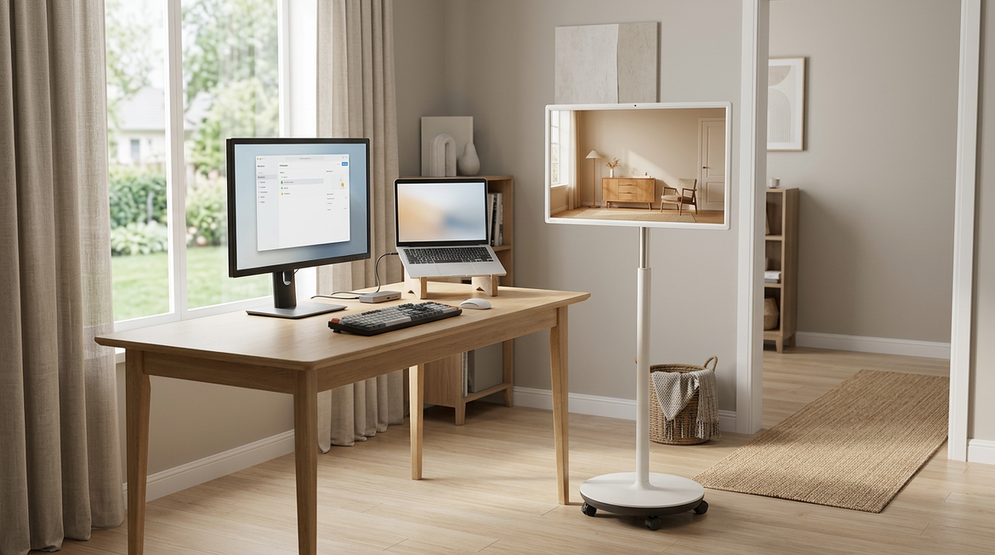
Start with the room, not the spec sheet. If your desk is bright and your day is split between work and gaming, a mini-LED monitor is often the smarter replacement. If your room is dim and you care most about perfect blacks, OLED still deserves the extra spend. Then check whether you can tolerate some blooming on dark themes, and whether the monitor's ports and stand fit your desk habits.
If you want a simple next step, compare mini-LED monitor options against OLED monitor options, then choose the one that matches your lighting and workload first.
FAQs
How Much Blooming Is Acceptable in a Mixed Desk Setup?
That depends on what you notice first. If you use dark themes, subtitles, or bright UI on black backgrounds, even mild blooming can become obvious. If your room is bright and you spend most of the day in documents or browsers, you may barely notice it outside of a few scenes.
What Makes Mini-LED Better for Daytime Desks?
Higher usable brightness is the main reason. In rooms with windows or strong overhead light, mini-LED is easier to read without dimming the whole workspace. That makes it a better all-day monitor when productivity matters as much as gaming.
Why Would Someone Still Choose OLED Over Mini-LED?
OLED still makes sense when black-level purity is the priority. If you mainly play in dim rooms, watch cinematic content, or care most about the cleanest dark scenes, OLED can still feel more premium even if it is less forgiving for bright-office use.
Can a Value Mini-LED Monitor Replace OLED for Productivity?
For many mixed-use desks, yes. The replacement works best when your work is text-heavy, your room is bright, and you want to reduce worry about static UI. If you are highly sensitive to blooming or want the cleanest dark-theme look, OLED still has the edge.
What Should I Check Before Buying Mini-LED for Gaming and Work?
Check room lighting, how many hours you spend in static apps, and how much you care about dark-scene purity. Then verify refresh rate, input options, and stand adjustment so the monitor fits the desk, not just the spec list.
Does OLED Burn-In Mean I Should Avoid It Entirely?
Not necessarily. Modern OLED monitors have improved, and the risk is more tied to static, high-brightness content than to every kind of use. It is still worth treating OLED as a more deliberate choice if your desktop stays on screen all day.
Wrap-Up
For mixed desks, mini-LED is often the easier daily choice when brightness, HDR, and low-maintenance use matter more than perfect blacks. OLED still wins in dim rooms and dark scenes, so let your lighting and habits decide.