Mini-LED monitor is often the right premium middle ground if you want better contrast and HDR than IPS without OLED burn-in anxiety. It is not a universal upgrade, though. Blooming, dimming behavior, and model tuning still matter, so the best choice depends on how much of your day is static UI, how much HDR you actually use, and whether you value 4K sharpness or lower pricing more.
Why Mini-LED Sits Between IPS and OLED
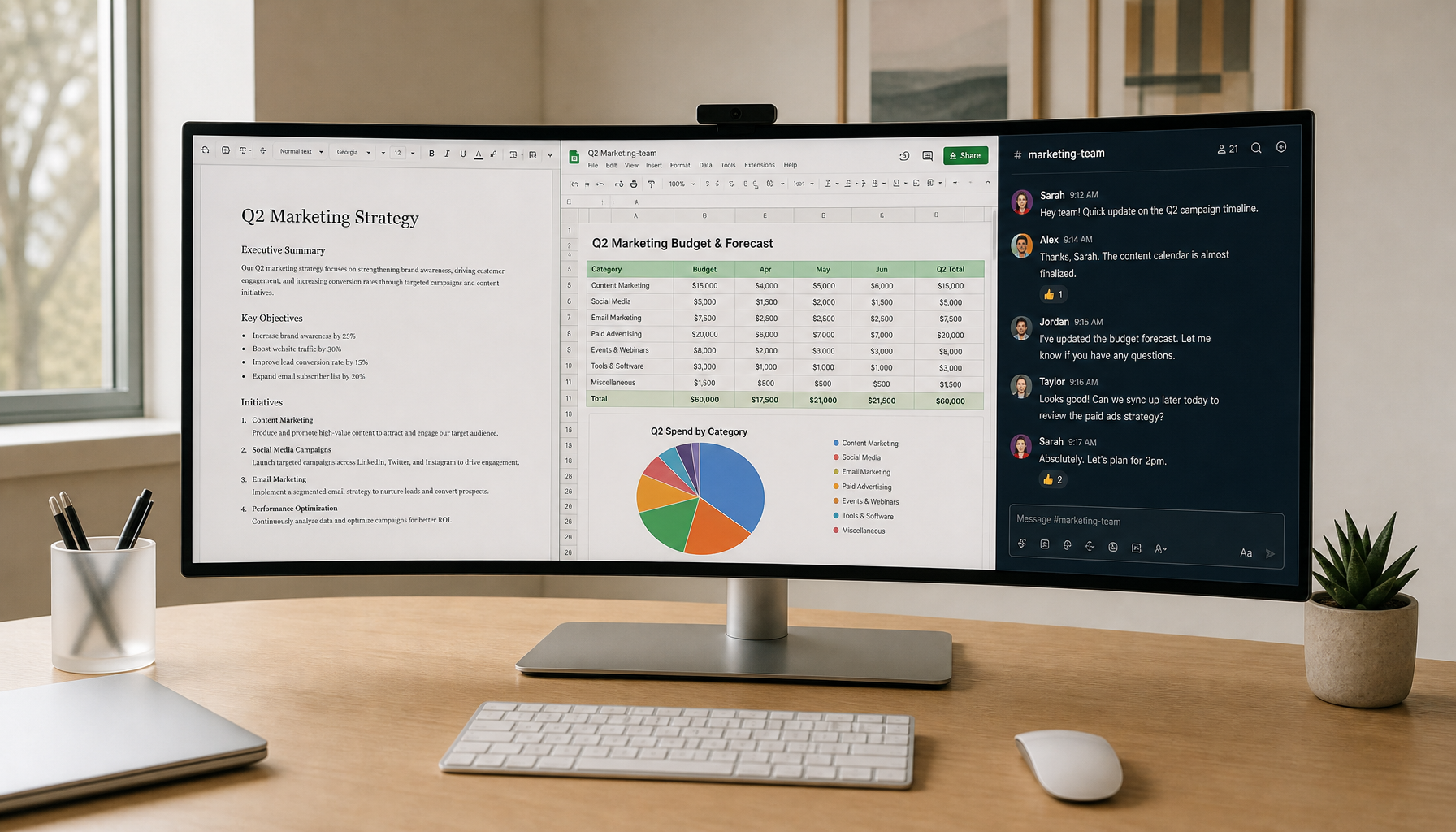
For buyers comparing a mini-LED monitor with IPS and OLED, the appeal is simple: you get a more premium picture than a basic office panel without taking on OLED's permanent image retention worries for long workdays with static menus, toolbars, and browser tabs. RTINGS' Mini-LED vs. OLED comparison is useful here because it frames Mini-LED as a lower-risk desktop choice, not a magic replacement for every panel type.
That distinction matters. If your desk is mostly spreadsheets, docs, and web apps, Mini-LED can feel like the safer premium pick when burn-in anxiety would change how you use the screen. If you mostly watch movies in a dark room, or if you expect OLED-like black control in every scene, Mini-LED is less predictable. The right mental model is "better desktop tradeoff," not "perfect premium monitor."
One practical rule: choose Mini-LED when you want stronger HDR and deeper contrast than IPS but still want a panel that is easier to live with for long, static work sessions. Choose OLED instead only if you are comfortable with its tradeoffs and your use pattern is not heavily text-and-toolbar driven.
How Mini-LED Local Dimming Changes HDR
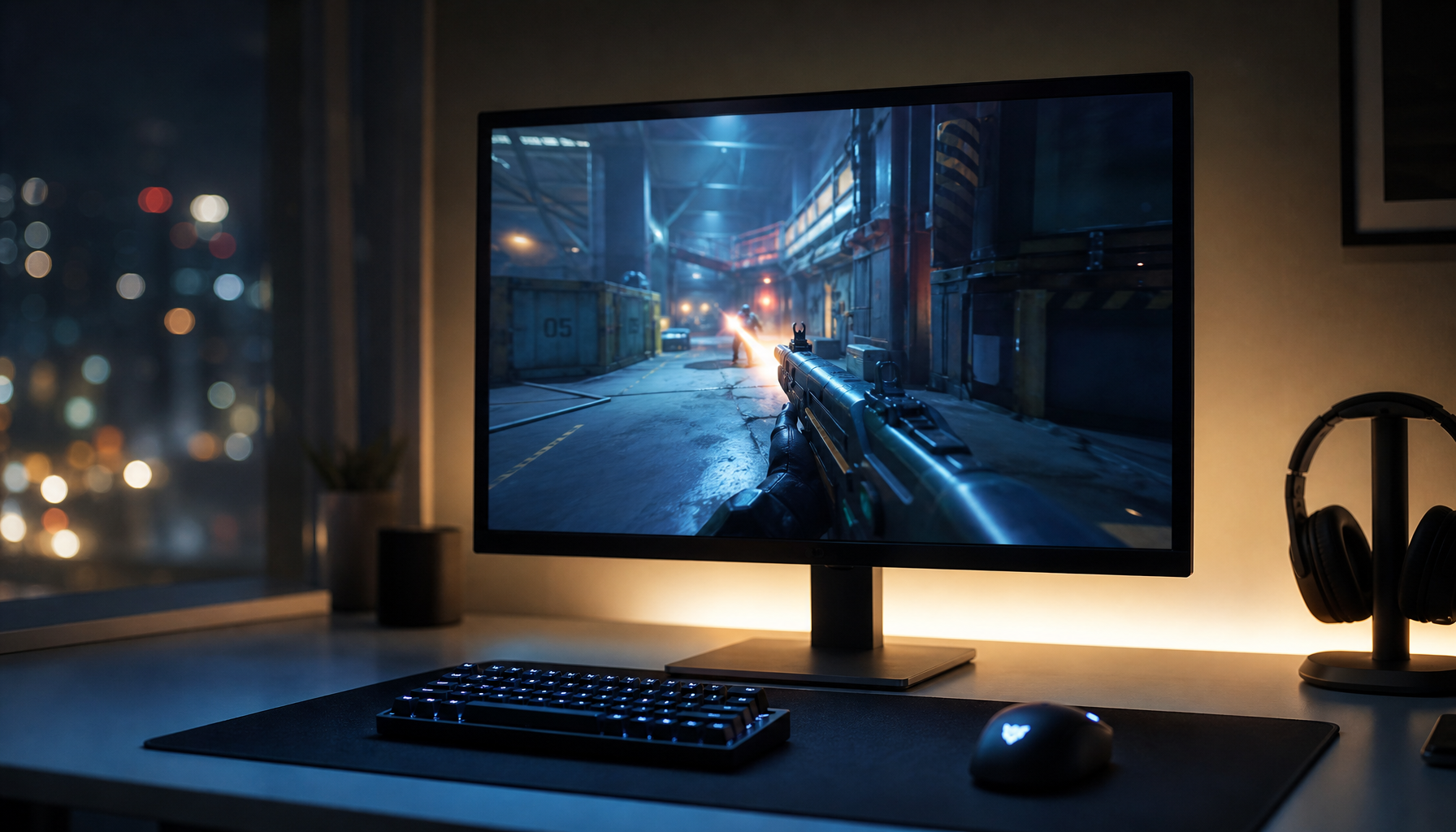
Mini-LED works by dividing the backlight into zones that can brighten or dim independently. That is the part that changes the picture in real use. Dark areas can stay darker while bright highlights still pop, so HDR scenes can look more convincing than they usually do on standard edge-lit monitors.

What that means at a desk is straightforward. In photo review, video previews, and mixed media work, strong local dimming can make specular highlights, reflections, and shadows feel more layered. The catch is that the result depends on zone count, tuning, and the content on screen. More zones can help, but they do not erase artifacts by themselves.
Mini-LED can still show blooming, which is the halo effect around bright objects on dark backgrounds. That is most noticeable when a bright cursor, subtitle, or window sits against a dark UI. If that kind of content is part of your daily routine, it is worth reading practical blooming reduction tips before you pay extra for HDR.

The simplest buying test is this: if you want the image to look better in bright highlights and you are willing to accept some halo risk in dark scenes, Mini-LED makes sense. If you want the cleanest possible black background behavior for constant dark-mode work, no Mini-LED monitor is automatically perfect.
Mini-LED vs IPS for Workday Use
For workday use, IPS still makes sense when you want a predictable office panel at a lower price. Mini-LED makes more sense when contrast and HDR matter enough to justify the premium. The tradeoff is not just "better" versus "worse." It is "more contrast and HDR" versus "more familiar, simpler desktop behavior."
The text question matters too. OLED is the panel family most likely to raise text-fringing concerns in mixed work use, especially on non-standard subpixel layouts. PCMonitors' text-clarity explanation is a good reminder that text-heavy buyers should care about subpixel structure, not just headline contrast. Mini-LED does not automatically beat every IPS panel on color or uniformity, but it avoids one of OLED's common desktop headaches.
Here is the practical version:
| Panel | Best for | Where it usually wins | Where it can lose |
|---|---|---|---|
| Mini-LED | Hybrid work, light creator use, premium HDR | Contrast, HDR punch, lower burn-in concern | Blooming, tuning, price |
| IPS | General office and simple predictable use | Familiar desktop behavior, easier entry price | Contrast, HDR depth |
| OLED | Media-first premium use | Deep blacks, strong per-pixel control | Burn-in anxiety, text-fringing concerns on some layouts |
If your day is mostly docs and browser tabs, IPS can still be the more sensible buy. If you want a more premium desk image and you care about HDR or darker content, Mini-LED is usually the better middle ground. If you want the most color-sensitive workday comfort, the specific model and calibration matter more than the panel label alone.
Which Mini-LED Model Fits Your Desk
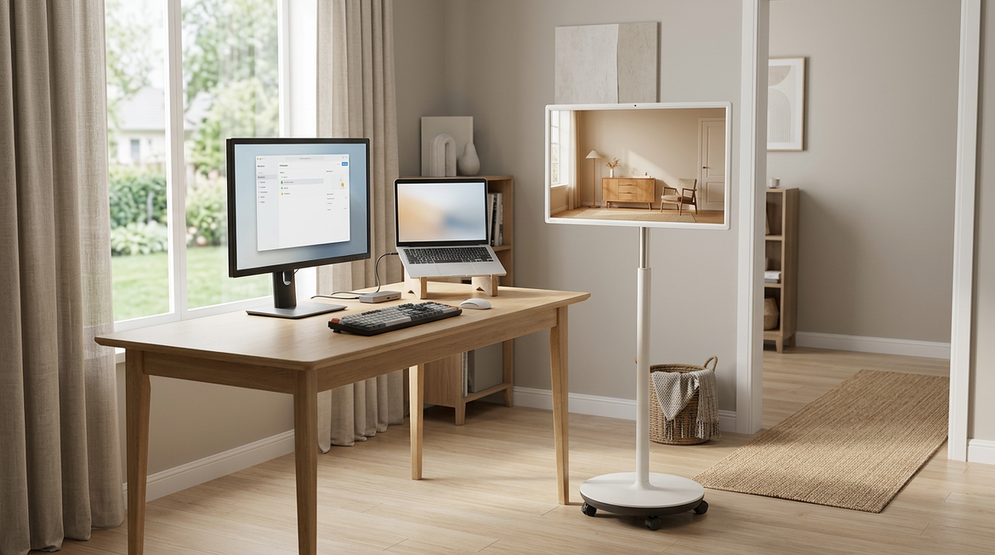
For creator and hybrid buyers, a mini-LED monitor only makes sense if the resolution, color coverage, and stand ergonomics fit the desk you actually use. A useful outside reference is Jonny Elwyn's affordable color-grading monitor guidance, which treats Mini-LED as a viable prosumer entry point when local dimming and gamut are strong enough. That is a good way to think about it under $1000: treat Mini-LED as a workflow fit question, not a label upgrade.
A simple rule of thumb: 1440p Mini-LED is the value choice for most hybrid desks, while 4K Mini-LED is the cleaner fit when text sharpness and creator review matter more than price. If you are chasing refresh rate first, you may be paying for speed you will barely notice in spreadsheets and browser work.
| Model | Best-fit desk use | Why it fits | Main tradeoff | Creator/HDR note | Price | Panel / resolution / refresh | Color gamut / local dimming |
|---|---|---|---|---|---|---|---|
| M27T6 | Value-focused hybrid work with occasional creator use | Lowest-cost Mini-LED option here, with 1152 local dimming zones and HDR1400 | 1440p instead of 4K; HVA instead of IPS | Strong HDR value if you want contrast first | $279.99 | HVA, 2560×1440, 180Hz | 96% DCI-P3, 99% sRGB; 1152 zones |
| M27T6S | Productivity-first desk that still wants wide-gamut creator support | 200Hz-class speed, 1152 zones, and factory-calibrated color with ΔE<2 | HDR1000 rather than HDR1400; price sits close to M27T6 | Good if you want color coverage and speed together | $289.99 | Fast IPS, 2560×1440, 200Hz | 98% DCI-P3, 100% sRGB; 1152 zones |
| M27P6 | Creator-leaning desk where 4K sharpness matters most | 4K panel, 1152 zones, HDR1400, USB-C PD3.1/65W, and ΔE<2 | Highest price of the three | Best premium fit when text clarity and workspace matter | $424.99 | Fast IPS, 3840×2160, 160Hz | 98% DCI-P3, 99.5% sRGB; 1152 zones |
If you want the most balanced Mini-LED option for mixed work, the M27T6 is the easiest value case to understand. If you want sharper 4K desktop use and a more creator-friendly premium setup, the M27P6 is the cleaner fit. If you care more about wide-gamut work plus faster refresh than HDR peak brightness, the M27T6S is the middle path.
Mini-LED is not the answer if your main goal is the lowest price, or if you do not plan to use HDR or care about contrast gains. In those cases, a good IPS monitor can still be the smarter buy. If you are already shopping higher up the price ladder, browse all Mini-LED monitors or compare monitors above $400 to see whether the premium actually earns its keep on your desk.
Mini-LED Buying Checklist for Work
Before you pay more for a mini-LED monitor, check these five things against your real desk use:
- Local dimming behavior: Make sure you actually want HDR-style contrast. If most of your day is dark-mode docs and static windows, blooming may bother you more than the extra punch helps.
- Text and resolution: Choose 4K if text sharpness matters more than speed. On a 27-inch desk, that usually matters more for spreadsheets and reading than refresh rate does.
- Color coverage and calibration: Look for wide-gamut coverage and factory calibration if you do creator work. Mini-LED by itself does not guarantee accurate color.
- Ergonomics and ports: A good stand, USB-C, and enough HDMI or DisplayPort support can matter more than a higher zone count if you switch between laptop and desktop often.
- Return comfort and warranty: Mini-LED tradeoffs are model-specific, so a return window and warranty can matter if blooming, brightness, or text feel different from what you expected.
The simple not-a-fit rule is this: if you only want the cheapest usable screen, skip Mini-LED. If you want a premium desk monitor that is easier to live with than OLED for long static work, Mini-LED is worth a serious look.
FAQs
How Does Mini-LED Compare With IPS for Daily Work?
Mini-LED usually gives you better contrast and stronger HDR potential, while IPS often stays simpler, cheaper, and more predictable for office work. For daily spreadsheets and documents, IPS can still be enough. Mini-LED becomes more attractive when you also want media quality and a more premium image on the same desk.
Can Mini-LED Replace OLED for Creators?
For many creator workflows, yes, but only when the model has enough local dimming, gamut coverage, and calibration quality to match the job. Mini-LED is often easier to live with for static UI and long work sessions. OLED can still be better for some image qualities, so the right choice depends on how much text and editing you do.
Why Does Mini-LED Still Show Blooming?
Because the backlight is controlled in zones, not per pixel. Bright objects on dark backgrounds can produce visible halos when the zone behind them has to light up more broadly. The amount of blooming depends on the monitor's tuning, zone layout, content, and your viewing setup.
Is a Mini-LED Monitor Worth the Extra Cost?
It is worth paying more when you will actually use HDR, want stronger contrast than IPS, or want to avoid OLED-specific worries for a work-heavy desk. If you do not care about those things, a good IPS monitor will usually deliver a better value. The premium only makes sense when the tradeoff changes your daily experience.
Can I Use Mini-LED for Long Text and Spreadsheets?
Yes, especially if you pair it with the right resolution and a comfortable stand. A 4K model is usually the safer choice for text-heavy work. Mini-LED can still have blooming or dimming behavior you notice in dark interfaces, so it is worth checking your own app mix before buying.