The difference between 144Hz, 240Hz, and 300Hz is real in frame times and motion clarity, yet the practical benefit shrinks quickly once you pass 240Hz unless your PC sustains the higher frame rates. Competitive players who already reach stable high FPS notice sharper tracking and slightly quicker visual feedback, while most others see diminishing returns that rarely justify the added cost or resolution trade-offs.

The Refresh Rate Chain: What Does 'Feeling' It Actually Mean?
Higher refresh rates reduce the time between new images on screen, which combines with lower persistence blur and faster system response to create the sensation of smoother gameplay. The three main tiers break down as 144Hz for standard high-refresh use, 240Hz as the competitive sweet spot for most ranked play, and 300Hz+ as the current esports ceiling for players chasing every available millisecond.
What players actually notice is a tighter loop between eye, brain, and mouse click. At these rates the screen updates fast enough that fast pans and flick shots retain more detail instead of smearing, provided the rest of the system keeps up.
The Math of Motion: Frame Times and Persistence Blur
Frame time drops from 6.94 ms at 144Hz to 4.17 ms at 240Hz and 3.33 ms at 300Hz. That reduction directly shortens how long each image stays visible, which is why motion looks cleaner even when the panel's gray-to-gray response time stays the same.

Blur Busters Law shows that doubling the refresh rate halves persistence-based motion blur because the display holds each frame for less time. The jump from 144Hz to 240Hz therefore cuts blur noticeably, while the step from 240Hz to 300Hz trims only another 0.84 ms and produces a subtler clarity gain.
Frame Time Reduction by Refresh Rate
Diminishing returns become clear past 240Hz
Show table
| Refresh Rate | Frame Time (ms) |
|---|---|
| {"Refresh Rate":"144Hz","Frame Time (ms)":6.94} | |
| {"Refresh Rate":"240Hz","Frame Time (ms)":4.17} | |
| {"Refresh Rate":"300Hz","Frame Time (ms)":3.33} |
The tiers below summarize practical GPU-to-monitor pairings for common 2026 gaming setups.
The Latency Edge: Can You Actually React Faster?
NVIDIA research on competitive gaming tasks found that even an 8 ms latency reduction produced statistically measurable improvements in aiming accuracy for skilled players. Higher refresh rates help by delivering the latest frame to the display sooner, giving your visual system a head start before the next mouse movement.
Raw human reaction time sits around 200 ms, so the hardware slice remains small. The real edge appears in tracking moving targets and correcting aim mid-flick rather than in shaving milliseconds off pure reaction.
The Hardware Reality Check: Can Your PC Drive 300Hz?
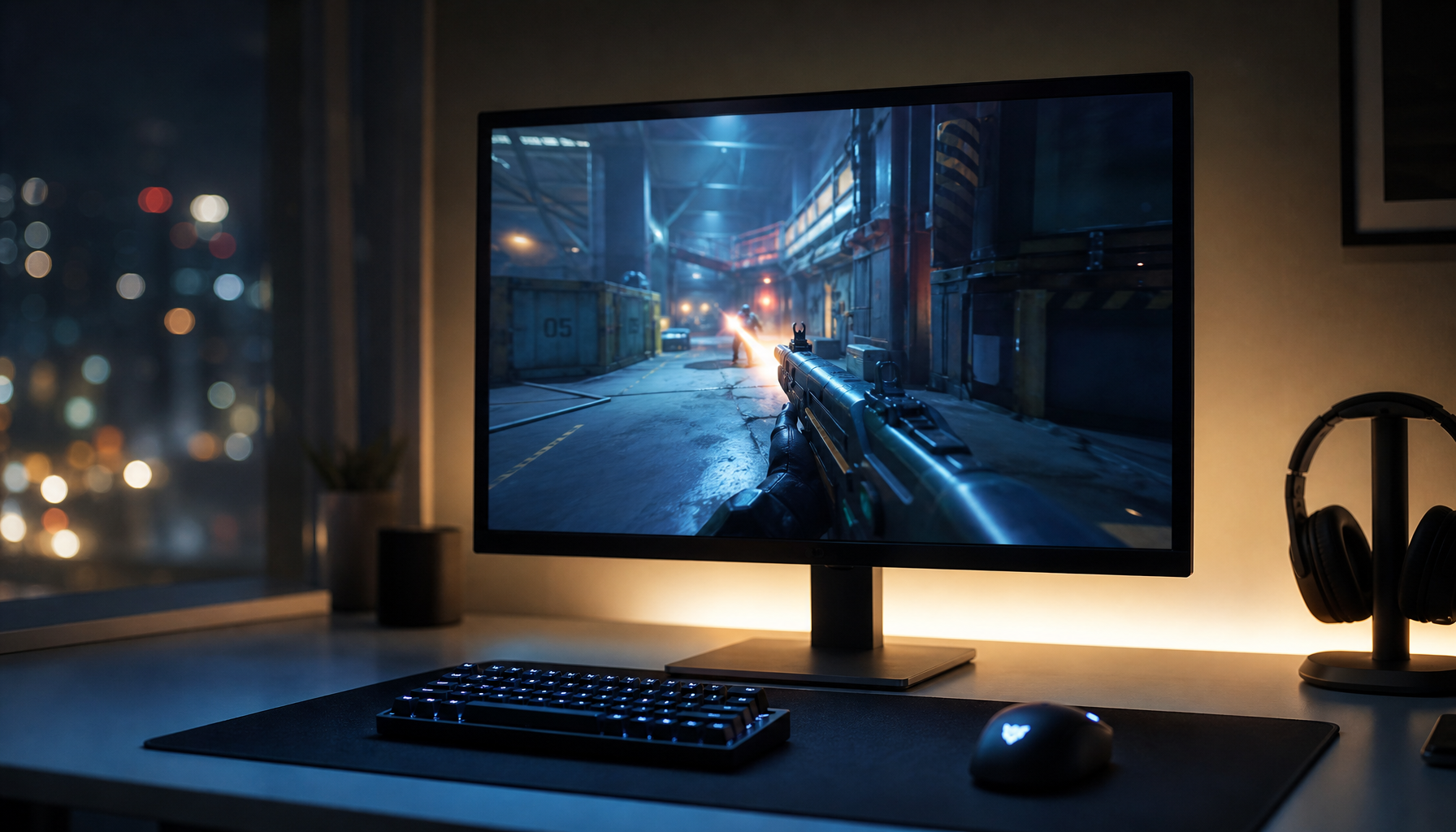
A 300Hz monitor only delivers its full benefit when the GPU and CPU maintain stable frame rates near or above the refresh rate. In CPU-heavy titles such as Valorant or CS2 at 1080p, many systems still hit bottlenecks that leave the extra refresh headroom unused.
Variable refresh rate technologies like G-Sync or FreeSync help smooth out dips, but they cannot create frames the hardware cannot produce. Players who regularly see FPS numbers well below 240 should consider whether the monitor upgrade will actually be utilized.
What Happens When Your GPU Can't Keep Up With Your Monitor's Refresh Rate? explains common fixes and why stable delivery matters more than the headline refresh number.
Choosing Your Tier: 144Hz, 240Hz, or 300Hz?
144Hz remains the practical choice for mixed single-player and casual competitive play where value and resolution matter. 240Hz strikes the strongest balance for serious ranked play, offering clear motion improvements without extreme hardware demands. 300Hz+ suits only those who already sustain very high frame rates and want the final slice of motion clarity.
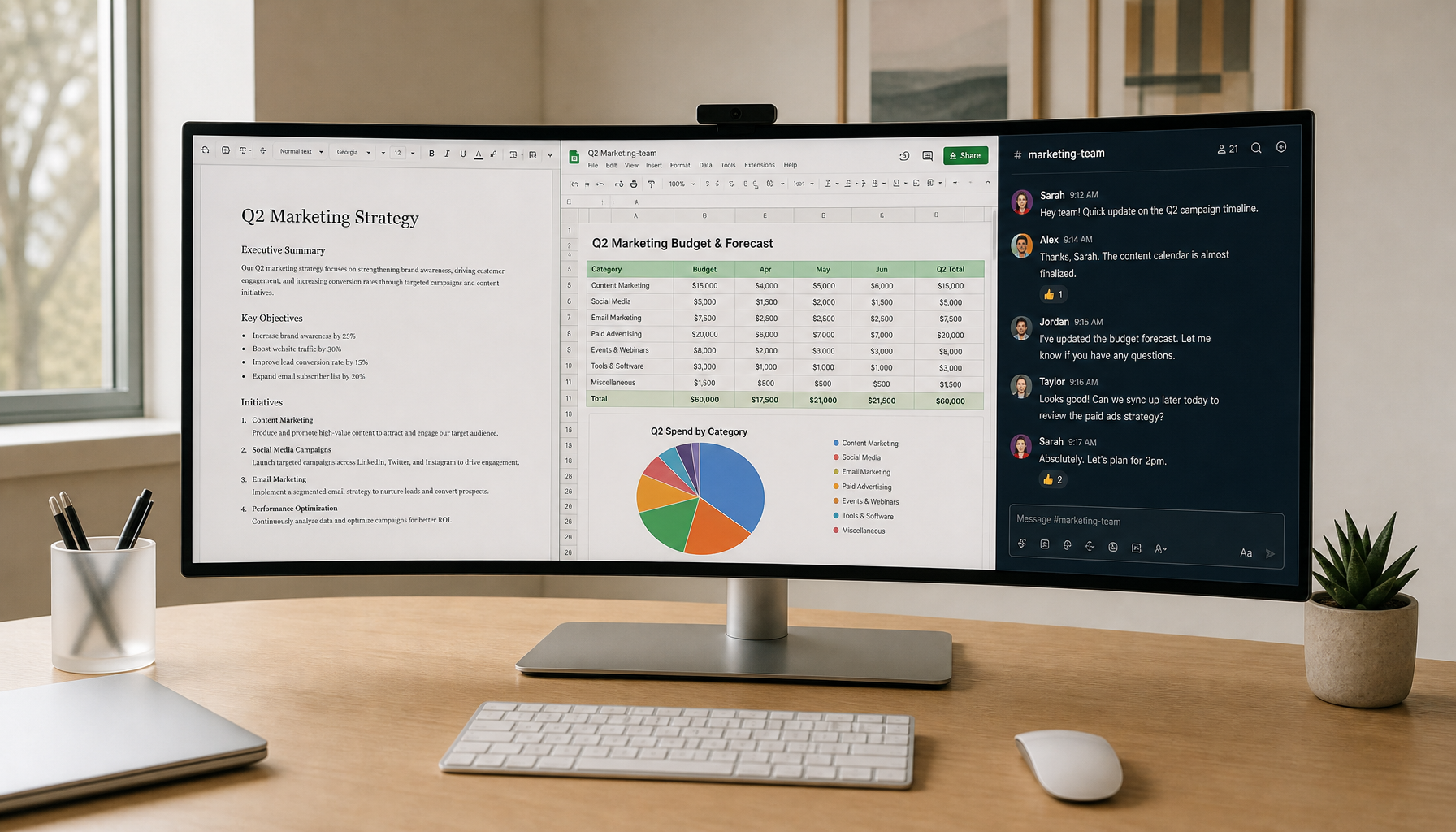
The KTC 32" FHD 240Hz/1ms 1500R Curved Gaming Monitor gives a strong 240Hz experience at a reasonable price for larger desks. Players ready for 300Hz can consider the KTC 27" 2K 300Hz/1ms Gaming Vertical Monitor when their system supports it. For the ultimate enthusiast path, the KTC 27" 4K 160Hz Dual-Mode Gaming Monitor switches between sharp 4K work and 320Hz 1080p competitive mode on the same panel.
Frequently Asked Questions
Does 300Hz Feel Noticeably Faster Than 240Hz In Game?
Most players describe the step from 240Hz to 300Hz as subtle rather than dramatic. The 0.84 ms frame-time reduction helps tracking at the highest skill levels, yet many competitive users report the gain is smaller than the earlier jump from 144Hz to 240Hz.
Will A 300Hz Monitor Improve My Aim If My FPS Stays Below 200?
No. The monitor cannot display frames that the GPU never produces. Stable frame delivery near the refresh rate is required before the extra hertz translate into measurable responsiveness.
Is 1440p 300Hz Better Than 1080p 300Hz For Competitive Play?
It depends on your hardware. 1080p 300Hz reduces GPU load and keeps frame rates higher, while 1440p 300Hz demands more power. Players with mid-range cards often stay smoother at 1080p, whereas high-end systems can handle the extra pixels.
How Important Is Response Time Compared With Refresh Rate?
Refresh rate sets the upper limit on motion clarity through persistence reduction, while response time controls ghosting. A fast panel at 240Hz usually looks cleaner than a slower panel at 300Hz.
Should Casual Gamers Upgrade Past 144Hz?
Casual and story-driven players gain less from the upgrade because they rarely sustain the frame rates needed to use the extra refresh. Budget is usually better spent on resolution, panel type, or ergonomics instead.