Tandem OLED longevity is worth paying for when you keep a monitor long enough to benefit from the extra lifespan, especially if your workday is full of static UI. If you replace displays every few years or spend most of your time in dynamic games and media, the premium is much easier to skip. The right question is not whether it sounds impressive, but whether your usage will actually consume the added durability.
The Real Cost of Burn-In Anxiety
The reason this premium exists is simple: many buyers are not only paying for picture quality, they are paying for peace of mind. That matters most when your desk has taskbars, timelines, code windows, or spreadsheets on screen for hours at a time. In that sense, the price gap is less a luxury tax than a wager on how long you plan to keep the panel. The product price reference point has also been volatile in the market, with the G27P6 OLED monitor appearing at roughly $422 list and about $281 on deal, which makes the premium a relative, not absolute, question.
The cleanest way to judge Tandem OLED longevity is to compare it against the ownership horizon you actually expect. For some buyers, the extra $200 is spread across many years and becomes easy to defend. For others, the same surcharge sits on top of a short upgrade cycle and looks more like insurance they never cash in.
How 30,000 Hours Changes the Math
A 30,000-hour durability target sounds abstract until you convert it into desk time. At 8 hours a day, that is roughly 10 years of use. At 6 hours a day, it stretches even farther. That does not mean every panel will behave the same way for a decade, but it does show why the number matters more to heavy users than to casual players. The practical benchmark on standard OLED is lower, with a ~6,000-hour retention horizon under extreme static use, so the longevity gap is meaningful when the screen spends much of its day on fixed windows.

From Hours to Years at Daily Use
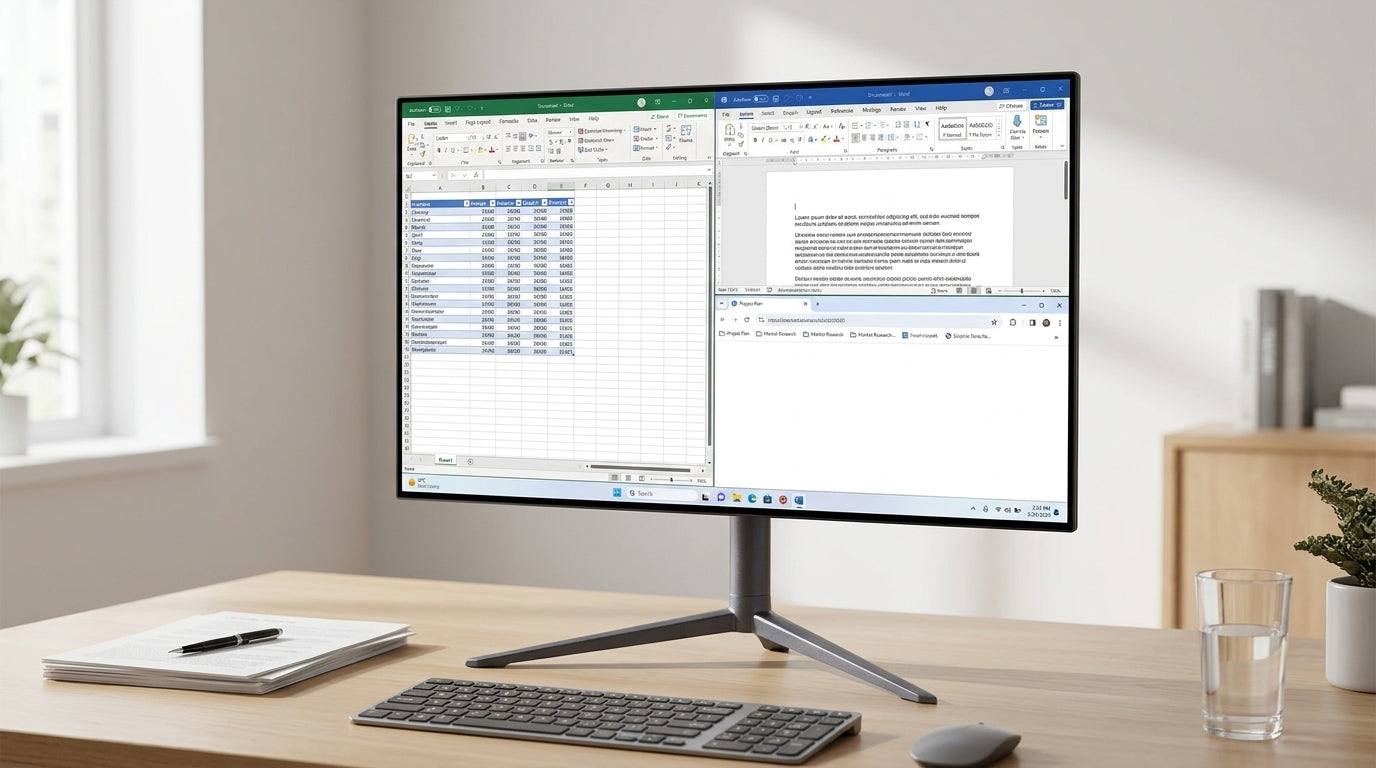
If you work 6 to 10 hours a day with persistent UI, the question is not whether 30,000 hours is “a lot.” It is whether your actual routine is likely to push a standard OLED toward its practical comfort zone sooner than you want. A writer, analyst, or developer who keeps static elements visible for most of the day has a very different ownership profile from a weekend gamer.
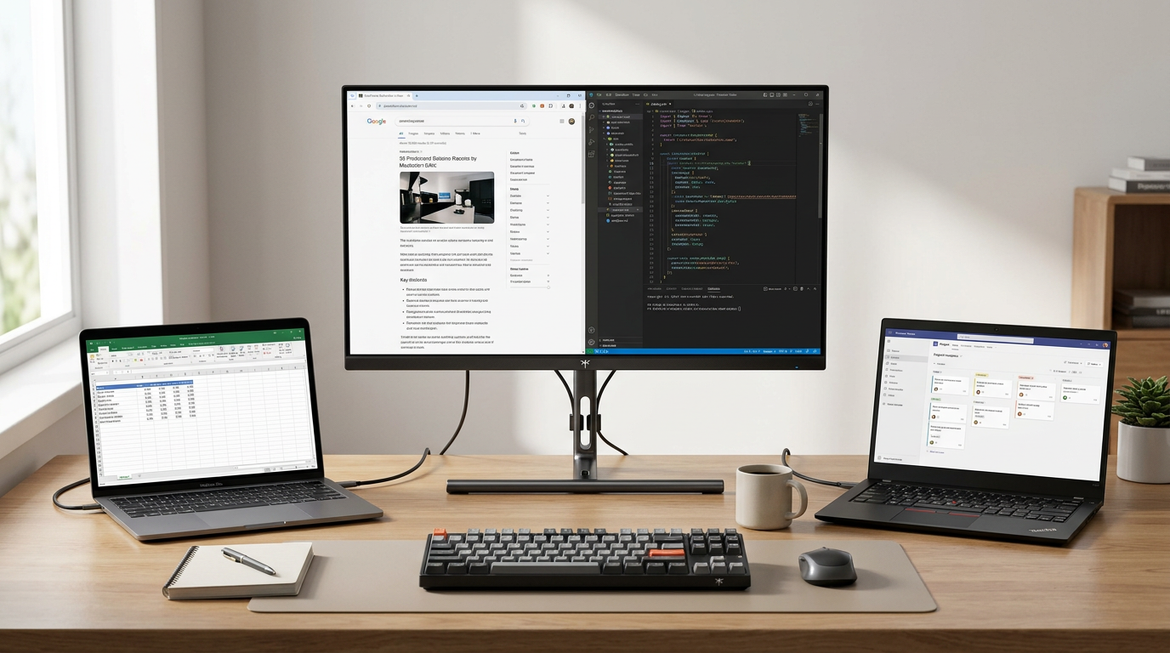
That is why Tandem OLED longevity is easier to justify in mixed work setups than in entertainment-only rooms. Long desk sessions consume panel life in a way short gaming bursts usually do not. The technology does not erase wear, but it can change the pace at which that wear becomes a concern.
Where the Premium Break-Even Usually Sits
A simple amortization view helps. Spread over 3 years, a $200 premium is about $66.67 per year. Over 6 years, it falls to roughly $33.33 per year. Over 10 years, it is about $20 per year. This is only an illustrative model, but it is useful because it turns a vague upgrade fee into a usable ownership filter.
Tandem OLED $200 Premium Amortized Over Time
Annualized premium cost falls as the ownership horizon lengthens; this shows cost spread, not guaranteed payback.
View chart data
| Category | Annualized premium cost ($/year) |
|---|---|
| 3 years | 66.67 |
| 6 years | 33.33 |
| 10 years | 20.0 |
The chart does not prove a universal payback date. It shows why the same premium feels expensive to short-cycle buyers and fairly modest to people who keep displays for years.
What Mixed Productivity Use Changes
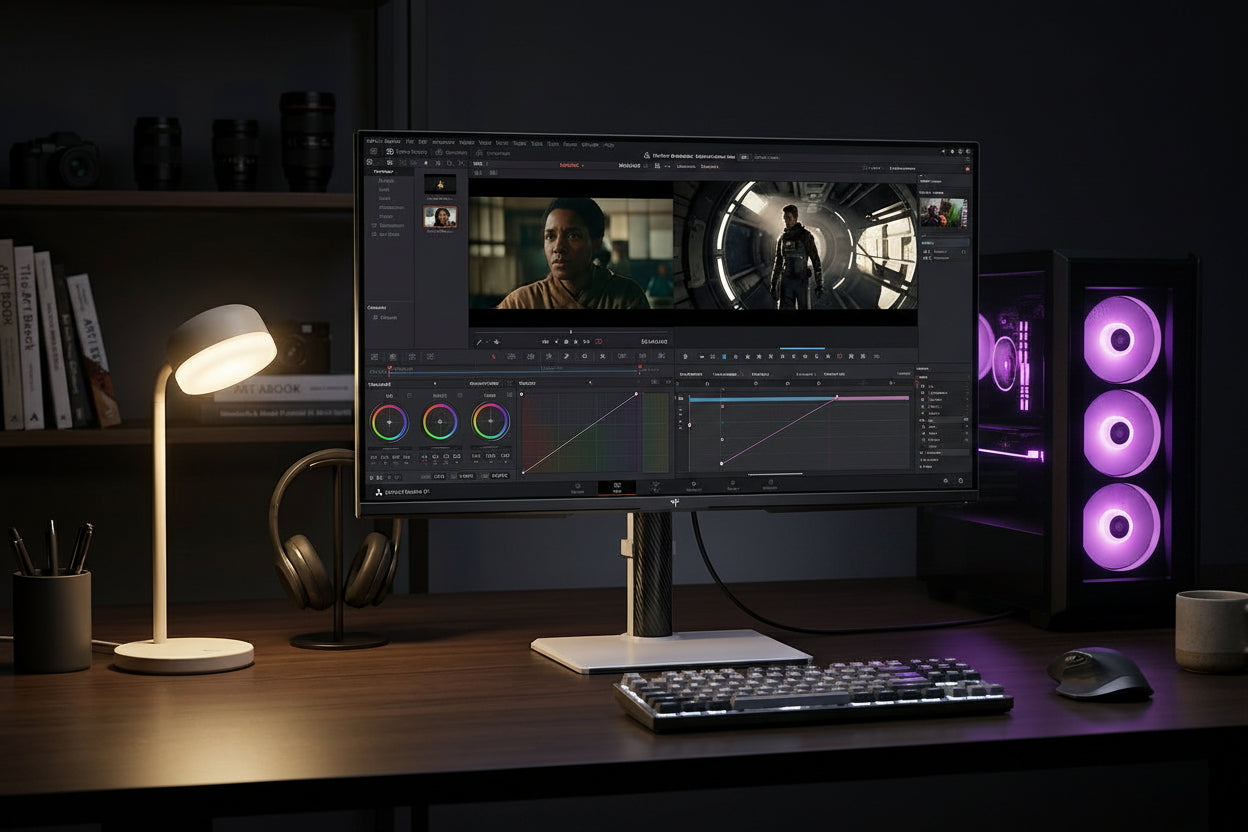
Mixed use is where the math usually flips. If your day is split between documents, coding, and media, you are more likely to care about both image quality and long-session durability. That makes Tandem OLED longevity more relevant than it is for a pure entertainment panel, because the screen is doing real desktop duty instead of occasional game duty.
If your use is mostly static and you want the zero-retention baseline, the safer comparison is a Mini-LED productivity monitor rather than another OLED. And if you want to browse OLED options more broadly, the All-OLED Monitor collection is the cleaner starting point than chasing a single spec headline.
Tandem OLED Versus QD-OLED in Practice
The real comparison is not “which one sounds more advanced.” It is which panel class matches your room, your workload, and your tolerance for maintenance. Tandem OLED is easier to defend when static windows, long sessions, and moderate brightness needs all show up in the same setup. A different OLED type can still be attractive for buyers who care more about color behavior or pure media use than ownership horizon. For readers who want a longer technical comparison, see the Tandem OLED vs. 2000-Zone Mini-LED text clarity test.
In practice, Tandem OLED uses a dual-stack design that spreads luminance work across layers. That can reduce stress per pixel and help with long-session stability, but it should be read as extended longevity, not a promise of zero burn-in. Mini-LED remains the better “sleep at night” option when absolute retention risk matters most, because it does not carry OLED-style burn-in concerns.
| Buyer Condition | Tandem OLED | Standard OLED | Mini-LED |
|---|---|---|---|
| 6 to 10 hours a day of static UI | Stronger fit | Possible, but less comfortable | Safest choice |
| Mostly HDR movies and gaming | Good, but may be overkill | Often sufficient | Strong option if brightness matters |
| Wants the lowest retention anxiety | Better than standard OLED | Weakest fit of the three | Best fit |
| Plans to keep the display for many years | Strong fit | Moderate fit | Strong fit if OLED is not required |
If your use is mostly dynamic, the premium is easier to question. If your use is mostly static, the decision changes fast and the “best” panel may no longer be the one with the flashiest image quality claim.
Why the Alternative Sometimes Wins
Mini-LED is often the cleaner pick for users who view retention risk as a hard stop. That is especially true in office-heavy setups, finance workflows, and shared desks where bright static content stays on screen all day. The Mini-LED monitor collection is the more direct path for that buyer profile, while the broader Gaming Monitor collection is better if you are still deciding whether you want speed, HDR impact, or durability first.
Tandem OLED longevity becomes less compelling when the user already knows they will refresh the monitor frequently. In that case, the longer rated life may be more reassurance than return.
Warranty and Mitigation Features That Matter
Warranty helps, but it is a financial buffer, not proof that burn-in risk disappears. The useful question is how much of the ownership risk the policy actually shifts away from you. For a panel built around extended longevity, coverage matters most when the service process is reasonable and the protection window matches your expected keep time.
The OSD control and maintenance habits are relevant here because longevity is not only about the panel stack. OSD control, brightness discipline, and a usable protection menu can reduce unnecessary wear if you are willing to use them consistently. The trade-off is friction: more toggling, more setup habits, and sometimes more manual work when you move between documents and media.
What matters most:
- Warranty length that matches your real ownership plan.
- Protection features that reduce wear, not just anxiety.
- OSD settings you are actually willing to use.
- Brightness discipline in static desktop work.
- A service policy that does not make downtime worse than the defect.
The hidden cost here is effort. A panel can have good longevity potential and still feel annoying if the workflow requires frequent manual changes. If that friction would bother you, it is worth checking a lower-maintenance category before paying extra.
Who Should Pay the Premium
-
Long-session professionals: best fit if you spend most of the day in documents, dashboards, code, or timelines. They are the most likely to consume the extra lifespan and feel the confidence benefit.
-
Hybrid creators: good fit if you split time between content work and entertainment. This group gets some value from the image quality while still caring about retention risk.
-
Value-conscious long-term buyers: reasonable fit if you keep displays for many years and dislike replacing hardware early. The premium only makes sense if your keep time is long enough to use it.
-
Dynamic gamers: weaker fit if your use is mostly short, fast, and entertainment-driven. In that case, the premium can be harder to recover, and a standard OLED or Mini-LED may make more sense.
If you want a nearby comparison point, the G27P6 OLED gaming monitor sits in the OLED side of the decision, while the M27P6 4K Mini-LED offers a zero-retention alternative.
The shortest version is this: if your desk life is long and static, Tandem OLED longevity is a rational upgrade. If your usage is brief or mostly dynamic, the premium looks more optional.
Final Purchase Check Before You Upgrade
Check your real daily static hours first. Then confirm whether you will keep the monitor long enough for the added life to matter and whether warranty plus mitigation features match your habits.
- Count average static UI hours per day.
- Compare keep horizon against 30,000-hour target.
- Verify OSD and brightness tools you will actually use.
- Test Mini-LED alternative if retention anxiety remains high.
If answers point to short cycles or low static use, choose the safer Mini-LED path instead.