

Yes, but usually not the way buyers expect. Offline viewing on a smart display is most reliable through USB playback, local files, or a connected phone, tablet, or PC rather than direct downloads inside the monitor’s streaming apps.
Stuck in a hotel, dorm, or apartment with weak wireless internet, it is easy to assume a smart monitor will behave like a tablet and just store your shows. In practice, the setups that work best are much simpler: local files, a cable, and a display that handles rebooting cleanly. Here is how to tell which type of monitor will actually keep playing when the internet drops.
What “Offline Viewing” Really Means on a Smart Display
Smart features are not the same as download rights
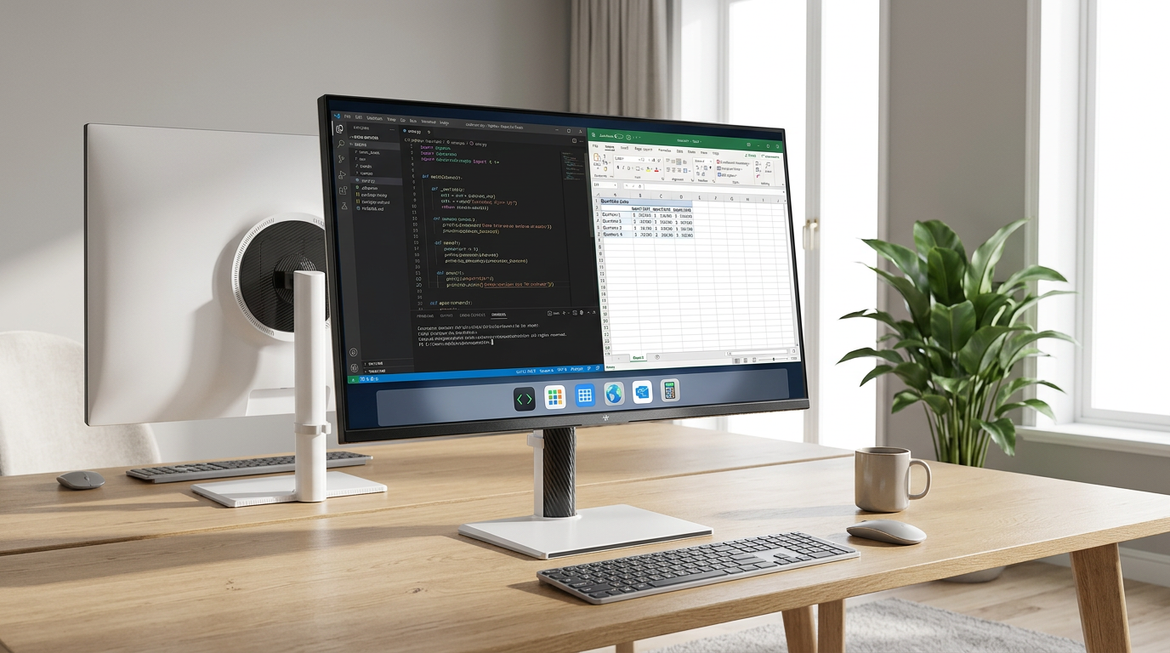
For buyer purposes, smart monitors combine a regular display with a built-in OS and apps, which makes them more flexible than a regular monitor but also more dependent on software rules. A 27-inch or 32-inch smart monitor can browse, stream, and mirror devices on its own, but that does not automatically mean it can store movies or episodes locally for later playback.
The better way to think about it is that offline mode depends on locally stored data, cached files, or synced content. So the real buying question is not “Does this monitor have apps?” It is “Where will my content live when there is no internet?”
When Direct Downloads Work, and When They Do Not
Built-in streaming apps usually come first, downloads second
That distinction matters because some major streaming apps do not let the TV app store downloads locally, even when the app itself is available on the display. In practical terms, a smart monitor may open the service just fine online, but offline rights may stay limited to a phone, tablet, or computer.
The least frustrating workaround is usually a cable
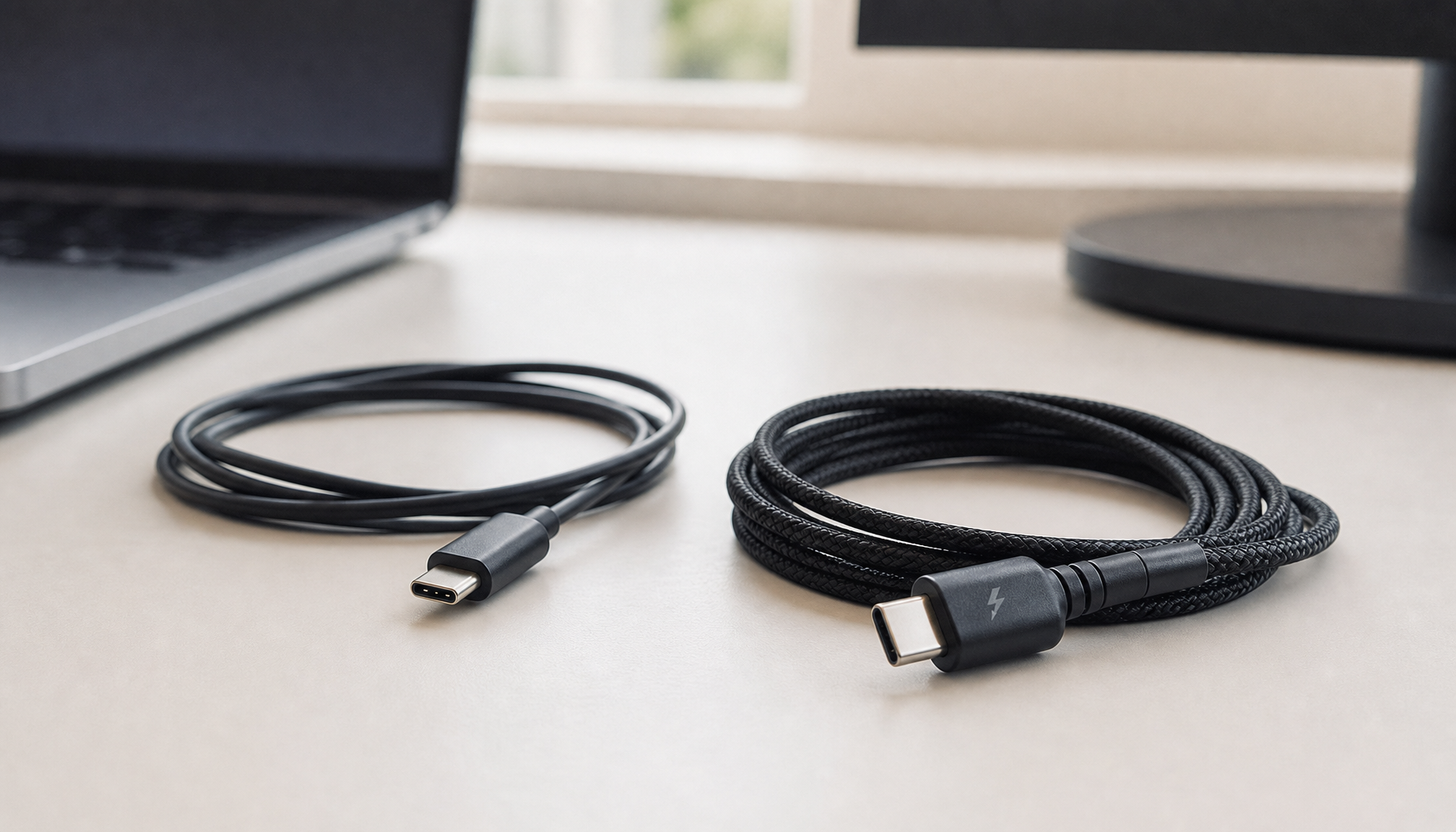
In day-to-day use, wired mirroring is the most stable offline method: download the content on the device that owns the license, then connect it by a video cable and play it locally. That is especially useful on a desk monitor, a dorm-room display, or a portable second screen where you want predictable playback and do not want to debug wireless internet, app logins, or casting quirks.
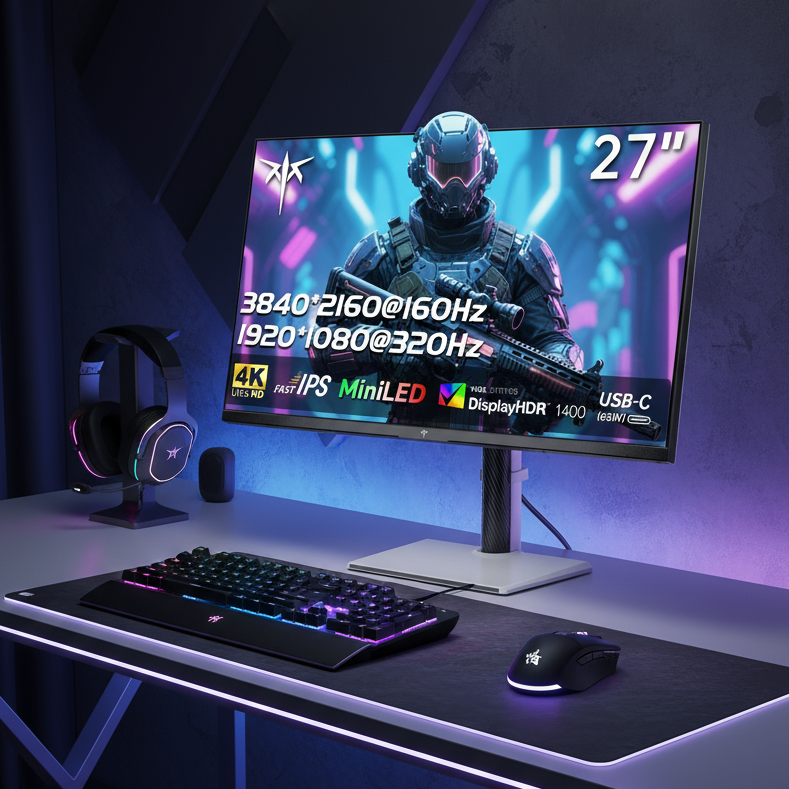
If you care about gaming monitors or high-refresh displays, this approach is even cleaner. Your laptop, handheld, or console handles the file or download rights, while the monitor stays focused on image quality, refresh rate, and input response instead of app compatibility.
The Offline Setups That Actually Work
USB or local-file playback
For personal media libraries, a smart display can often play local files from a USB drive, which is the simplest no-subscription path. This works best for home video, recorded gameplay, training clips, downloaded classes, or product demos that you control directly.

Local apps and preloaded media
Some offline-capable TV apps work only with preloaded content or a local network, such as media-library apps, photo-frame apps, and local casting tools. That makes them useful for a family photo slideshow, a showroom loop, or a portable monitor next to a laptop, but they are not a universal fix for protected movies.
Signage-style playback is a separate category
For unattended playback, signage displays can auto-play content from internal storage or a USB drive after power-on. That is a very different offline model from a consumer smart monitor. If you need a screen to loop a 4K promo reel every morning without a person touching it, signage behavior is often a better match than consumer app ecosystems.
Which Display Type Fits Your Offline Use Case?
Comparison at a glance
As a buying category, smart monitors can run without a separate CPU and usually sit below TV sizes, while regular monitors and portable monitors depend on an external source device. That one design choice changes how much offline friction you will deal with.
Display type |
Best offline method |
What it does well |
Main limitation |
Best fit |
Smart monitor |
USB playback, local apps, wired phone/PC playback |
One-screen setup for light work and casual viewing |
Built-in streaming apps may not support direct downloads |
Dorms, apartments, secondary desks |
Regular monitor or gaming monitor |
Laptop, console, mini PC, or phone over a video cable |
Most predictable offline behavior, strong performance focus |
No standalone playback or remote-based app use |
Buyers who prioritize refresh rate, response, or color performance |
Portable monitor |
Phone, tablet, or laptop over a video cable |
Excellent for travel, hotel rooms, and dual-screen work |
Usually no onboard storage or smart OS |
Students, travelers, field work |
Signage display |
Internal storage or USB autoplay |
Reliable looping content after reboot or power loss |
Not designed around consumer streaming downloads |
Retail, events, kiosks, lobbies |
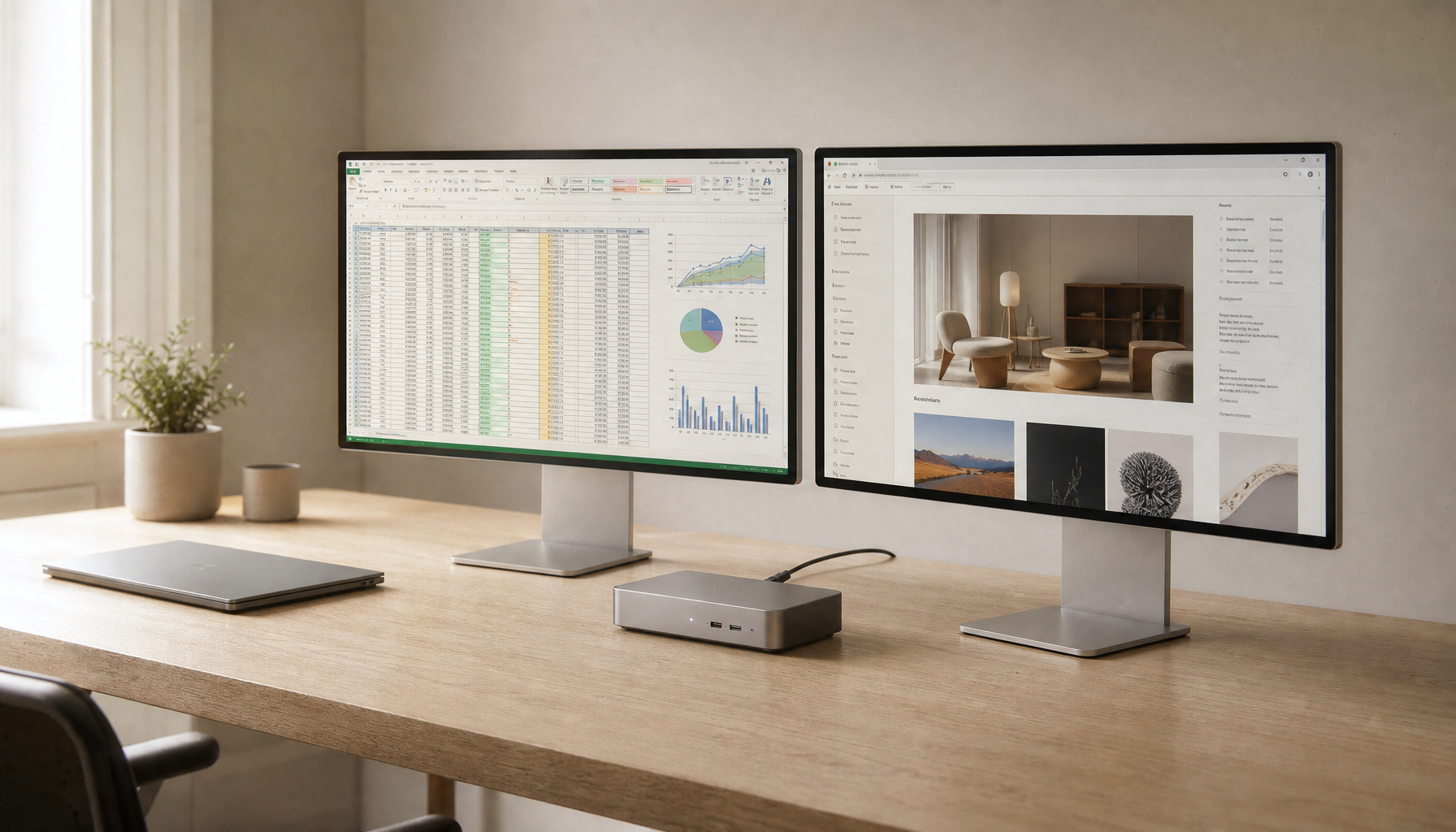
If you already download content on a laptop, tablet, or handheld, a regular monitor is often the safest answer because the display never has to negotiate app rights. If you want one compact screen for work and entertainment, a smart monitor is more convenient, but only if USB playback or wired mirroring covers the offline cases you actually have.
Portable monitors follow a simpler pattern. They are great offline companions because they behave like pure screens, not mini streaming boxes. Signage displays sit at the other extreme: they are built for repeatable local playback, not personal binge-watching.

Buying Checks That Prevent Offline-Viewing Surprises
Inputs matter more than app catalogs
Before you buy, smart displays remain useful offline mainly through local playback, mirroring, and connected devices. That makes video input, USB media support, and clean source switching more important than the number of apps on the home screen.
4K claims do not guarantee 4K offline playback
Real-world storage limits can break an otherwise good plan. One offline 4K playback discussion highlights the usual trouble spots: slow USB ports, hard-drive size limits, and missing audio-format support. A display may have a sharp 4K panel and still fail at the exact file, drive, or soundtrack you planned to use.
Reboot behavior is part of the buying decision
Reliability matters just as much as compatibility. A support thread about a smart monitor repeatedly showing offline is a good reminder that reconnect issues, power cycling, and re-pairing can turn a “smart” screen into a time sink. For travel kits, trade-show screens, and apartment setups with spotty wireless internet, one clean offline reboot test tells you more than a spec sheet.
Action checklist
- Check whether your must-have service allows downloads on displays, or only on phones, tablets, and computers.
- Confirm the monitor or display can play local files from USB or internal storage.
- Verify the ports you need: video input, USB video, and any adapter support for your phone or tablet.
- Test the exact file type, subtitles, audio, and drive size you plan to use before a trip or install.
- Unplug the network, reboot the display once, and make sure playback still works the way you expect.

FAQ
Q: Can a smart monitor download shows directly for offline viewing?
A: Sometimes it can install the app, but that does not mean the app will store downloads locally. In many cases, offline rights stay on a phone, tablet, or computer, so the monitor works best as the playback screen.
Q: Is USB playback better than screen mirroring?
A: For files you own, usually yes. USB playback avoids wireless dropouts and is simple for training videos, photo slideshows, and local movie files. For protected downloads from a streaming service, a wired connection from the licensed device is usually more dependable.
Q: Are portable monitors good for offline viewing?
A: Yes, if you already have the content on a laptop, tablet, or phone. A portable monitor is often the easiest travel setup because it does not depend on a smart OS, account logins, or a home network.
Final Takeaway
If your priority is dependable offline viewing, do not buy a display based on streaming-app logos alone. Buy based on the playback path: local USB files, wired video input, storage limits, and how the screen behaves after a reboot. For most buyers, the safest offline setup is still a good monitor paired with the device that already owns the content.