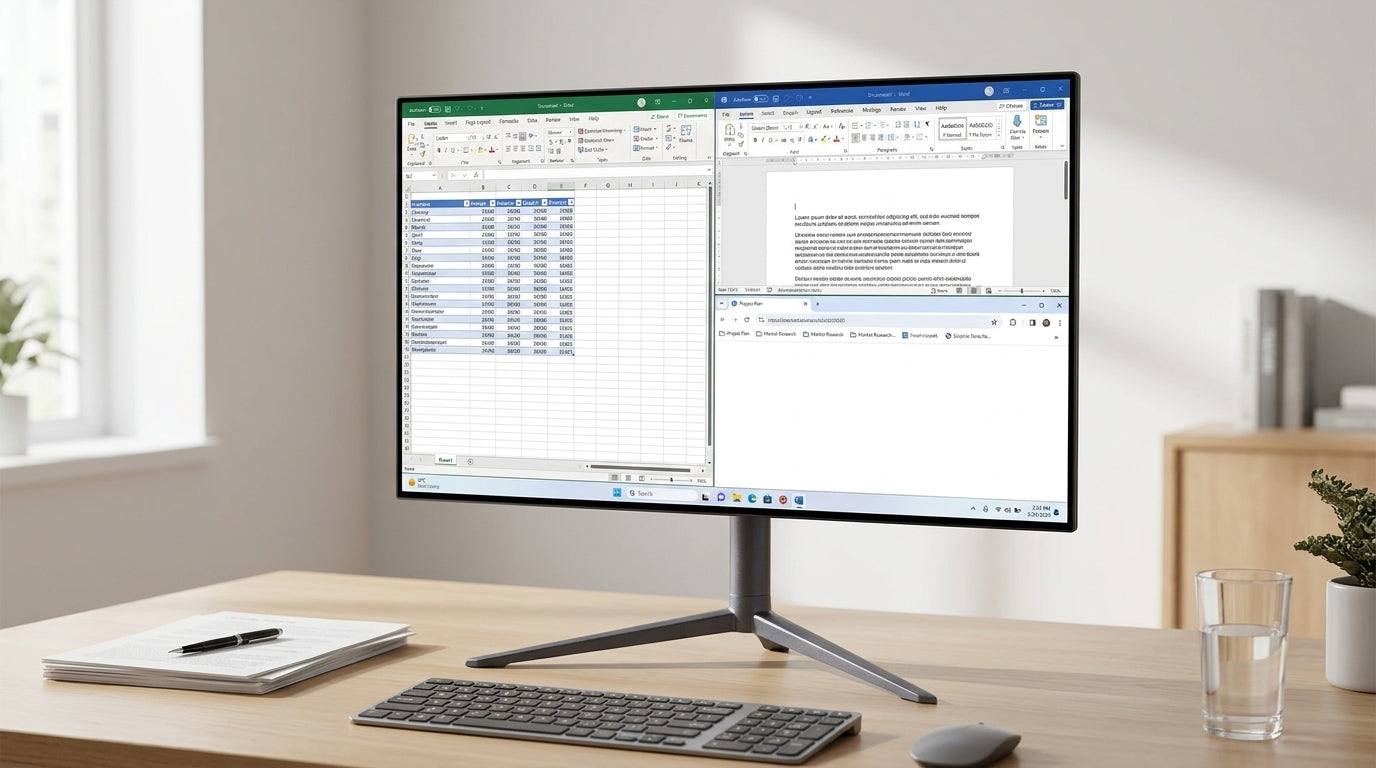
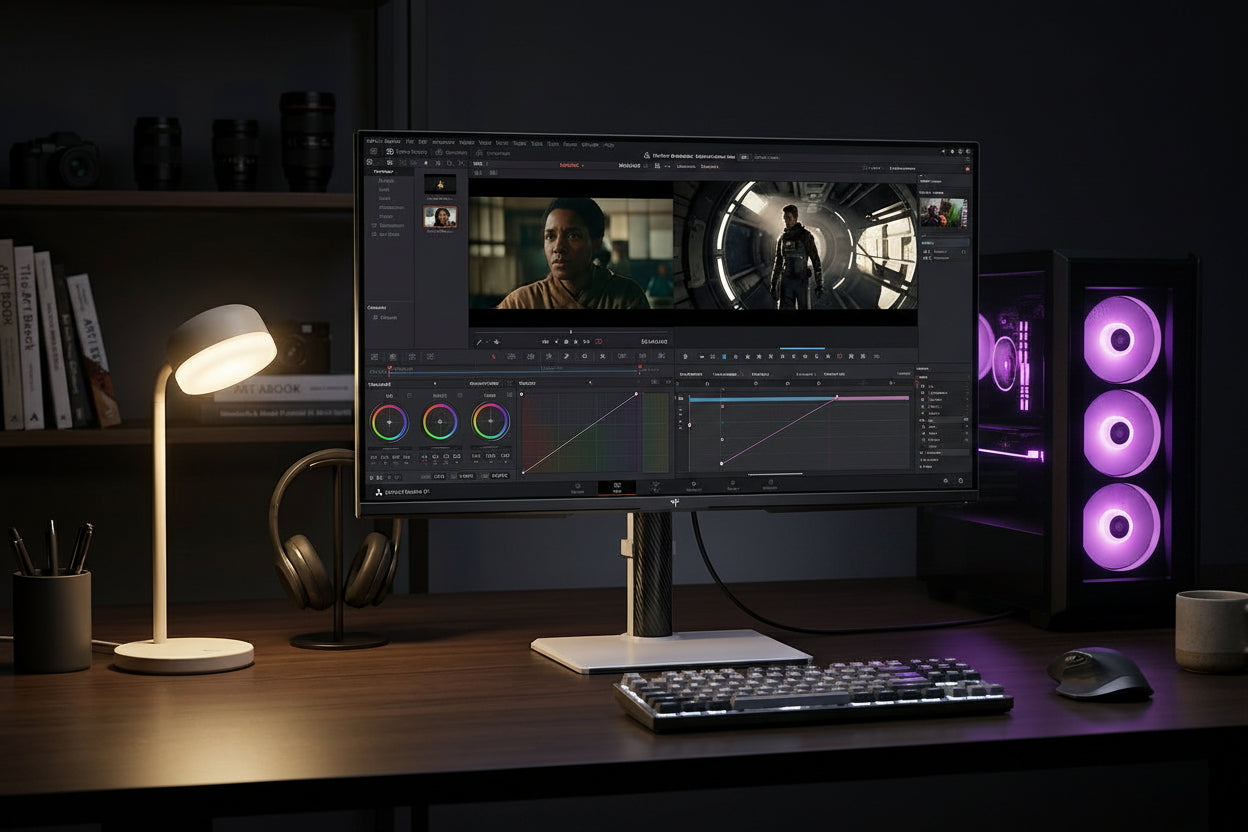
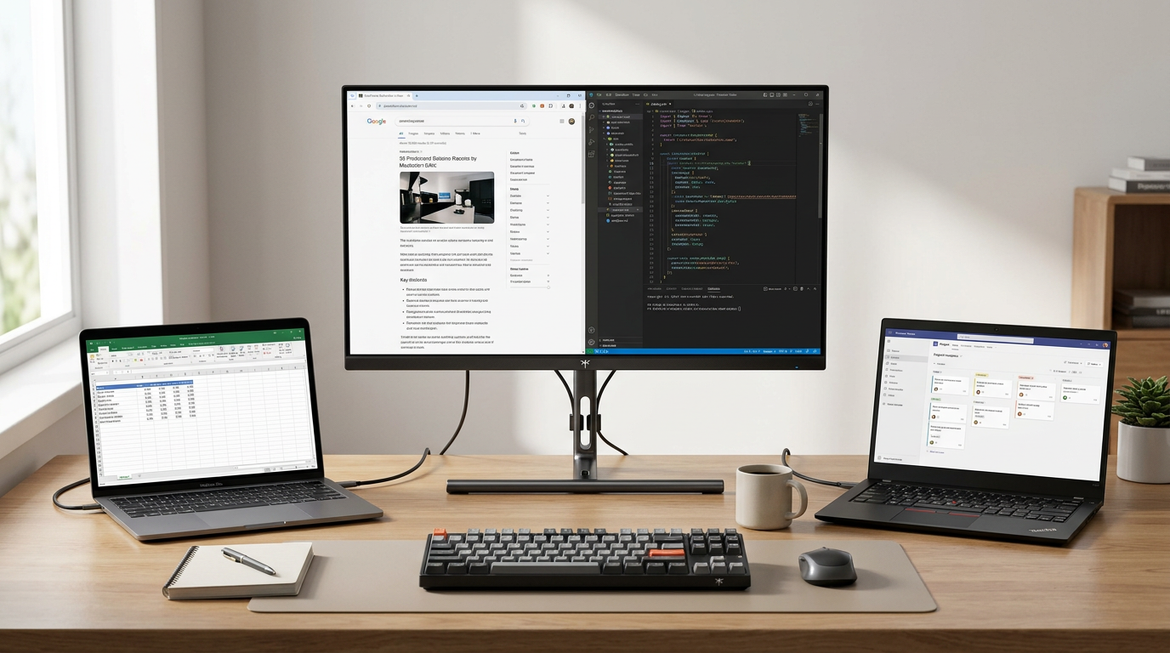
A rolling smart display is useful in 2026 only when it solves a real session-continuity problem, not when it just looks convenient. If you need the same screen to follow you between rooms for work, cooking, or family coordination, it can earn its place. If you mostly want personal viewing, a tablet or fixed TV is usually the simpler fit.

What Makes a Rolling Smart Display Worth Considering
The core question is not whether a rolling smart display is cool. It is whether moving the screen changes the job enough to justify the extra size, weight, charging, and app complexity.
For hybrid homes, the value is continuity. You start a video call in one room, roll the screen to another space, and keep the same task visible without rebuilding the setup. That is the real promise. When the device is treated as a shared household hub rather than a giant tablet on wheels, the category makes more sense.
Battery is part of the value, but only as a ceiling. The useful question is how long the screen lasts in the mode you actually use, not the best-case number on a spec sheet. For that reason, the portable touch screen monitor range is easier to judge by scenario than by headline hours alone.
Where Rolling Displays Earn Their Keep
Rolling smart displays are most useful when the screen stays in use while the person changes location. That makes them a better fit for household coordination, shared viewing, and hybrid work than for purely personal use.

Hybrid Work Between Rooms
A rolling smart display fits best when a meeting, notes panel, or dashboard needs to stay live as you move between office, kitchen, and living area. That matters more than raw portability because the point is not carrying a screen by hand. It is keeping the same session visible while your work location changes.
For people who split time between rooms, the display challenge of working from different rooms is a useful follow-up if you want to think through the workflow before buying.
Shared Family Spaces and Multi-Room Hubs
A shared display can work well as a household hub for calls, recipes, calendars, or streaming. In that role, the screen is useful because different people can use it in different places without mounting anything to a wall.
That said, shared usefulness is the key threshold. If one person owns it and moves it only occasionally, the category starts to look less compelling. A tablet usually wins for solo use because it is lighter, faster to grab, and easier to store.
Small Apartment Living and Flexible Layouts
In a small apartment, a rolling smart display can reduce wall-mount pressure and help one screen serve more than one zone. That said, it only works if the layout already allows easy movement. Narrow paths, cluttered corners, and awkward turns can erase the mobility benefit.
Standing Tasks and Kitchen Counter Setups
This is one of the cleaner use cases. If you want a screen at counter height for cooking videos, standing work, or recipe follow-along, a rolling display can be more ergonomic than a fixed TV.
The catch is that kitchen use also exposes friction quickly. A screen that is convenient in the living room may feel oversized in a cramped cooking lane. For readers testing that use case, portable monitor kitchen counter setups are worth reviewing alongside the device itself.
Battery and Performance Decide the Experience
This is the section where the category either feels practical or becomes annoying. In real use, battery, wake time, app switching, and reconnect time all matter more than the marketing phrase "portable." The MegPad battery runtime guidance is helpful because it shows how much the workload changes the result.
For the 25-inch model, the listed runtime reaches up to 11 hours at 55% brightness, 30% volume, and 2K video streaming, but that is a best-case setting, not a universal floor. At higher brightness and louder audio, runtime drops sharply, with the same model listed at 4 hours under full brightness and volume. The practical takeaway is simple: if you need a rolling smart display for all-day unplugged use, check the lowest realistic setting, not the highest one.
The 32-inch model follows the same rule. Its listed up to 11-hour runtime is useful for planning, but bright-room or high-volume sessions will shorten it. If your day includes long cooking or workout sessions, battery comfort matters more than a single headline number.
Software responsiveness is the other hidden cost. A laggy interface can make room-to-room movement feel slower than it should, especially when you are reopening apps, resuming a call, or switching to a laptop feed. That is why the built-in Android experience matters more than it might on a passive display.
The product line’s EDLA-certified touch monitor option is relevant here because the built-in Android environment, Google app access, and update path are part of what separates a usable mobile hub from a more fragile open ecosystem. The difference is not magic. It is lower friction, fewer setup surprises, and less uncertainty around app availability.
External input adds another small but real delay. The manual for the 32-inch model says HDMI and USB-C handshakes can take about 10 to 20 seconds, which is fine for planned switching but not ideal if you expect instant laptop handoff all day. If you are comparing this category to a monitor at a desk, that wait is one of the hidden costs.
Rolling Displays Versus Tablets and Fixed TVs
A rolling smart display only beats the alternatives when the job changes. The comparison below helps separate the right tool from the convenient-looking one.
| Option | Best Fit | Main Advantage | Main Trade-Off |
|---|---|---|---|
| Rolling smart display | Shared, room-to-room sessions | Follows the task without wall mounting | More expensive, heavier, and slower to move than a tablet |
| Tablet | Personal use, reading, light work | Fast to grab, easy to store, highly portable | Small canvas and less suitable for shared viewing |
| Fixed TV | Anchored entertainment in one room | Stable, simple, and usually the easiest to live with | No mobility and little flexibility for mixed-use homes |
For most buyers, the decision flips on one question: do you need the same live task to move with you? If yes, a rolling smart display can make sense. If no, the tablet or TV is usually the cleaner choice.
The home-screen hub category is worth browsing only if you actually want that middle ground between entertainment screen and shared work display. If you do, the mobile touch display collection gives you the broader category view without forcing a brand-first decision.
The strongest case for a rolling display is a household that reuses the same screen in multiple rooms every day. The weakest case is a buyer who wants portability mainly in theory. That is where tablets usually win.
Apartment Constraints That Change the Verdict
A rolling smart display starts to lose its appeal when the apartment layout fights the wheels. Narrow hallways, cluttered floor paths, and tight turns turn a mobile screen into something that behaves more like a semi-fixed appliance.
Weight matters too. Larger models can be difficult enough to reposition that the screen ends up parked in one spot most of the time. Once that happens, the category’s biggest advantage weakens.
Charging placement is another quiet veto. If the nearest usable outlet defines where the display lives, then it is not really mobile in practice. That is especially true in smaller homes where cable management becomes part of the daily routine.
For readers comparing larger units, the 32-inch mobile touch monitor is a useful reference point because it shows how quickly size and battery expectations rise together. The 27-inch Google EDLA model is also worth a look if you want a slightly smaller footprint for room-to-room use.
How to Decide If One Is Actually Worth Buying
- Start with the job. If the screen needs to move with the same live task, keep going. If not, stop here and choose a tablet or TV instead.
- Check move frequency. Occasional repositioning does not justify the category. Daily or near-daily cross-room use does.
- Test battery against your longest realistic session, not the lightest one. Bright rooms, loud audio, and streaming all reduce comfort margins.
- Check layout clearance. If the route is awkward, the device will be used less than you expect.
- Verify app and handoff behavior. A rolling smart display is most useful when it wakes, reconnects, and switches sources predictably.
- Only then compare models. If you want to browse by category first, the mobile touch screen range is the cleanest starting point.
A good buying rule is simple: if the screen will serve multiple rooms and multiple people, the category may be worth it. If it will mostly stay in one place, you are probably paying for movement you will not use.
FAQs
Q1. How Much Battery Do You Actually Need for Room-To-Room Use?
For short moves, you only need enough battery to avoid constant charging anxiety. For long sessions, judge the device by its worst-case brightness and audio setting, because that is where the real ceiling shows up.
Q2. Can a Rolling Smart Display Stay Useful If the Wi-Fi Drops?
It can still function for local media or some offline apps, but the value drops fast if your main use depends on cloud services, casting, or video calls. In weak-signal homes, connectivity stability matters almost as much as battery life.
Q3. What Should I Check Before Using One in a Kitchen or Hallway?
Check turning space, cable placement, and whether the route stays clear when people are walking through. Kitchen use is often where a rolling display looks best on paper but reveals the most friction in practice.
Q4. Why Does a Rolling Display Feel Slower Than a Tablet?
Part of it is physical, because the screen is larger and heavier. Part of it is software load, because a mobile smart display is doing more than a simple tablet display and may take longer to wake, switch, or reconnect.
Q5. Can a Rolling Smart Display Replace a Fixed TV for Daily Viewing?
Sometimes, but only if you want the same screen to serve both entertainment and household tasks. If your viewing is mostly anchored in one room, a fixed TV is usually simpler and less awkward to live with.
When the Category Is Worth It
A rolling smart display earns its keep when the same live session must move between rooms daily and a tablet or fixed TV cannot handle the workflow. Check layout clearance first, then test battery at your actual brightness and volume settings. The MegPad for senior accessibility and rolling displays for post-op rehab examples show where shared, mobile use justifies the weight and charging trade-offs; otherwise choose a lighter device.