Yes, but it depends on the smart display platform. Assistant-first smart displays can support personalized results through household members, voice recognition, and app-linked accounts, while many smart screens or monitor-like displays only support device-level settings rather than true per-user recommendations.
Is your kitchen display showing someone else’s calendar, commute, playlists, or video suggestions when you just want your own workflow? With the right account setup, a shared smart display can separate personal answers, routines, and media cues well enough for a family, team space, or hybrid work desk. Here’s how to tell whether your screen supports real profiles, what personalization actually changes, and how to set it up without making privacy an afterthought.
What Multiple User Profiles Mean on a Smart Display
A smart display profile is not just a wallpaper preset. On a modern assistant-based display, it usually means the device can recognize who is speaking or interacting, then surface personal content such as calendar events, reminders, contacts, music preferences, video recommendations, smart home controls, or commute-style information.
Official smart display support documentation frames this around household access and personalization, where users can be added to a home and receive personal results on shared devices through account-linked setup and recognition features like voice or face matching where supported. That matters because personal results are the difference between a display that merely answers questions and one that behaves like your own command center.
For productivity users, this distinction is critical. A 27-inch monitor remembers brightness, refresh rate, and input source; a smart display profile remembers identity. If your morning command pulls up your next meeting, your focus playlist, and the right lighting scene, the screen is contributing to flow instead of adding friction.

Which Smart Displays Are Most Likely to Support Personalized Recommendations?
Smart displays tied to mature voice assistant ecosystems are the strongest candidates. Independent review roundups consistently treat smart displays as a category built around assistant access, video calling, media playback, smart home control, and information at a glance. In that category, smart display ecosystems matter as much as panel size or speaker quality.
That ecosystem point is where profiles live. A display with mature assistant support is more likely to offer account-aware results than a generic portable screen with streaming apps. A portable smart monitor might be excellent for hotel-room streaming, laptop extension, or desk flexibility, but it may not know that one user prefers market news while another wants recipe videos.
The practical buying test is simple: before purchasing, look for explicit support for household members, voice recognition, personal results, app account switching, and parental controls. If the product page only mentions Wi-Fi, screen mirroring, Bluetooth speakers, and streaming apps, assume recommendations are app-based rather than full-device profile-based.
What Personalized Recommendations Can Actually Change
Personalized recommendations usually show up in four places: media, schedule, smart home shortcuts, and assistant responses. Media is the most visible. One person’s cooking videos, workout music, or news briefings should not dominate everyone else’s home screen. Schedule personalization is the most sensitive, because calendar cards and reminders can expose private details in a shared room.
Smart home dashboards add another layer. Central smart home dashboard guidance describes the value of bringing lighting, security, climate, entertainment, and other controls into one shared interface, and central smart home dashboard use makes user permissions more important, not less. A shared display beside the couch should not necessarily give every guest the same access as the homeowner.
For a real-world example, imagine a 10-inch kitchen display used by two adults and one teenager. The adults may want calendar previews, grocery lists, thermostat access, and video call contacts. The teenager may need music and homework timers, but not door lock controls or private calendar details. A good profile setup lets the same screen remain useful without making every user equally privileged.
Profiles vs. Monitor Profiles: Don’t Confuse the Two
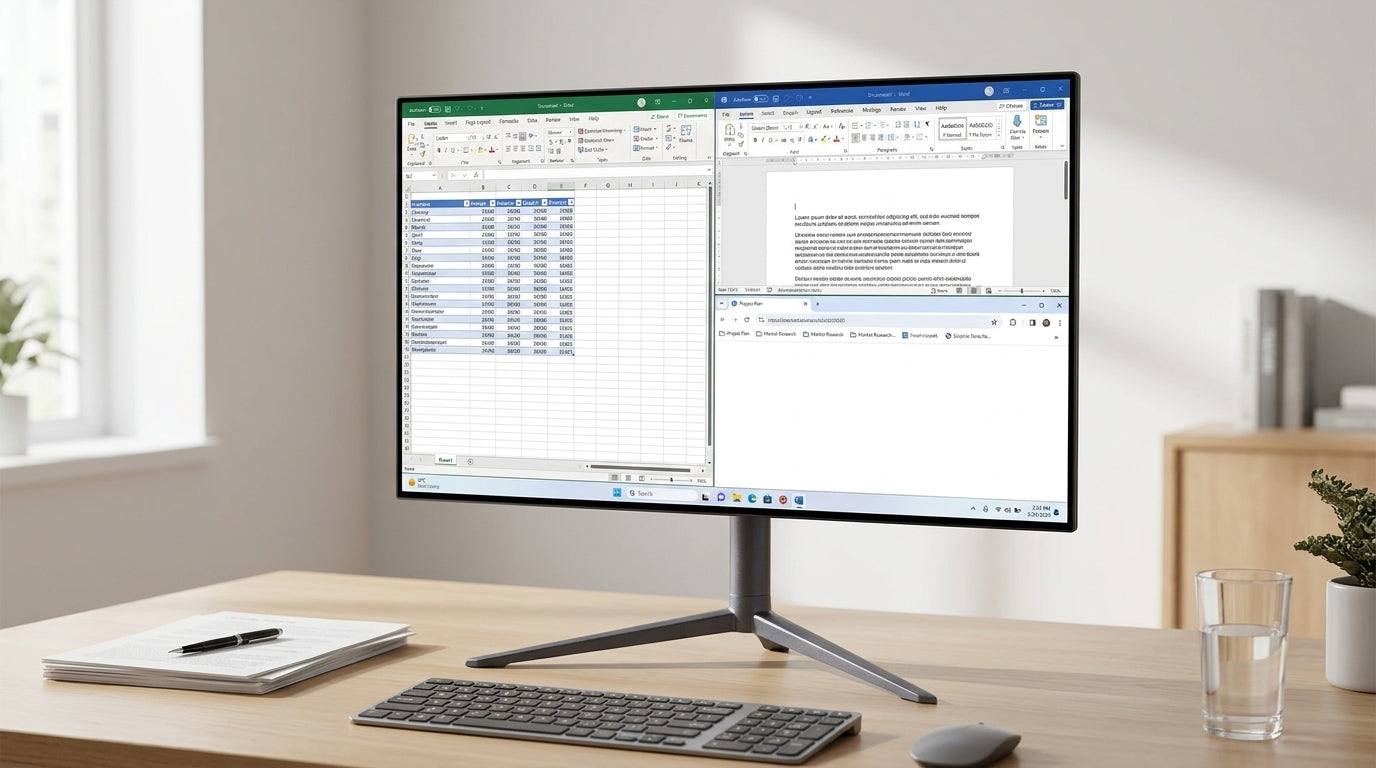
In display and monitor culture, profiles can mean something completely different. Monitor management software can save and restore arrangements such as resolution, position, refresh rate, and multi-monitor layouts, and monitor profiles are valuable for productivity rigs with multiple screens. That is powerful, but it is not the same as personalized recommendations.
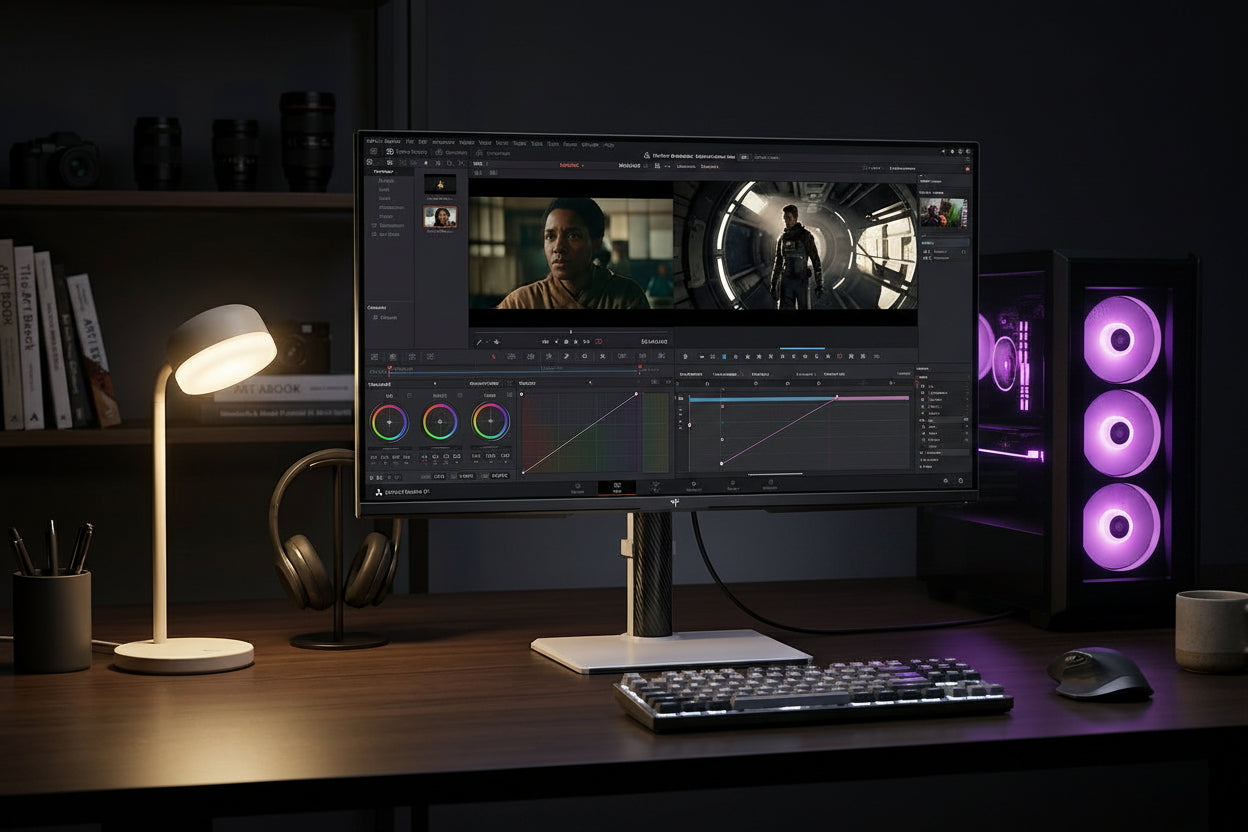
This distinction matters for buyers comparing smart displays, portable screens, and productivity monitors. A creator’s dual-monitor setup may need a color-accurate office layout by day and a high-refresh gaming layout at night. A family smart display needs identity-aware content. Both are profiles, but one is visual configuration and the other is personal context.
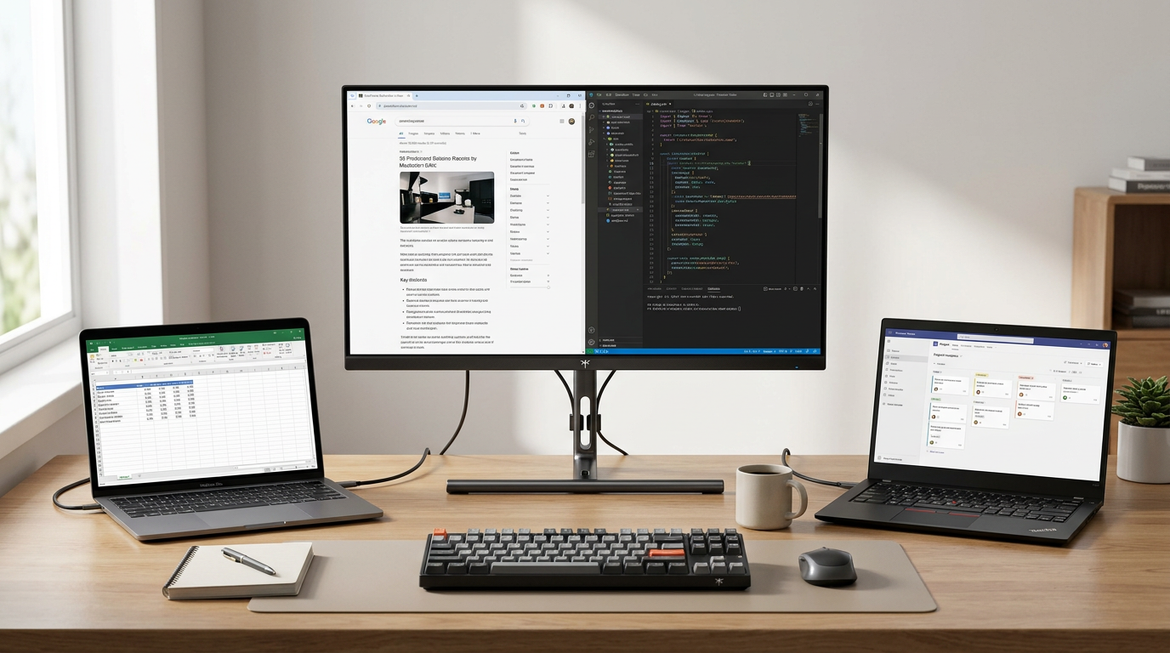
The best setup may combine both. On a desk, a main monitor can use saved display arrangements while a smaller smart display handles calendar cards, timers, calls, and ambient controls. That keeps your high-performance panel focused on work or play while the smart screen handles quick-glance interactions.

Pros and Cons of Using Multiple Profiles
The biggest advantage is relevance. A shared display becomes faster because it stops treating every user as the same person. Personalized recommendations reduce noise, protect attention, and make the screen feel less like a public billboard.
Privacy is the main tradeoff. Personal results can show calendar items, contacts, reminders, and media history in a visible place. In an open-plan apartment, kitchen, dorm room, or shared office, that can be uncomfortable. Recognition can also fail occasionally, especially with similar voices, background noise, or users standing too far from the microphone.
There is also an ecosystem lock-in cost. The more value you get from profiles, the more you depend on the assistant platform, connected apps, and account structure. Independent reviews often emphasize that the strongest smart display experience depends on picking the ecosystem that fits your existing services; a great screen in the wrong ecosystem can feel limited.
Profile Feature |
Best For |
Watch Out For |
Voice-based personal results |
Shared kitchens, offices, family rooms |
Misrecognition in noisy rooms |
App-level account switching |
Streaming, video, music |
Not always system-wide |
Smart home control |
Setup takes time |
|
Monitor display profiles |
Gaming and productivity layouts |
No personalized content |
How to Set Up Profiles the Smart Way
Start with the primary home or device owner account, then add household members through the platform’s official app. Turn on personal results only for users who actually need private information on the display. For a shared kitchen, calendar and reminders may be useful; for a guest room, they may be unnecessary.
Next, test voice recognition with practical commands. Ask for “my calendar,” “my reminders,” and “play my music” from each user. If the display gives the same response to everyone, you are probably seeing shared-device behavior rather than true profile personalization.
Finally, tune the screen for location. A bedside smart display can be more personal because fewer people see it. A living room display should be more conservative, with fewer private cards and tighter smart home permissions. A desk-side portable smart screen should prioritize quick app access, calls, timers, and status widgets over sensitive personal feeds.
When Multiple Profiles Are Worth It
Multiple profiles are worth using when at least two people regularly ask the display for personal information or media. They are especially useful in homes where the display acts as a smart home hub, a kitchen assistant, or a family command screen.
They are less important if the screen is mainly a portable entertainment display, a single-user desk companion, or a basic monitor with smart features. In that case, panel quality, input flexibility, speaker performance, and app support may matter more than profile depth. Smart display coverage often highlights how devices compete across screen experience, assistant usefulness, and entertainment features, so judge a display by the role it will actually play in your space.
FAQ
Can one smart display recommend different videos or music for different users?
Yes, if the recommendation source is tied to individual accounts and the display can identify the user or switch accounts. If the device only has one shared app login, recommendations will blend across everyone’s viewing and listening habits.
Can profiles protect private calendar events?
They can reduce accidental exposure, but they are not a substitute for good privacy settings. Keep personal results off on displays placed in public rooms if sensitive calendar details may appear.
Do portable smart screens usually support full user profiles?
Some support app accounts, but many do not offer the same household-level personalization as assistant-first smart displays. Check for household member support and personal results before assuming profile-based recommendations are available.
Final Word
Multiple user profiles can make a smart display feel genuinely personal, but only when the platform supports account-aware recommendations, recognition, and permission control. For the strongest setup, match the screen to the room: personal profiles for private or family command zones, restrained shared settings for public spaces, and monitor profiles for performance-focused desk layouts.