A monitor warranty only helps if the policy text actually covers the issue you care about. For most buyers, the key question is not whether a page says "warranty," but whether it names burn-in, dead pixels, or panel defects clearly enough to match your risk. That matters even more for an OLED monitor burn in for productivity is it a problem decision, where static desktop use makes the wording worth checking before checkout.
What Monitor Warranty Coverage Usually Means
A monitor warranty often splits coverage into parts, the panel itself, labor, replacement terms, and exclusions. That is why monitor warranty comparisons can feel confusing: two products may both advertise a warranty, but only one may spell out the issue you care about. In US warranty law, the FTC's guide to federal warranty disclosures is a good reminder that terms should be readable and specific, especially when the policy is limited rather than full.
For dead pixels and similar defects, a generic "panel defect" label is not enough on its own. The technical baseline is ISO 9241-307, which uses pixel-error classes to show that defect thresholds can be more precise than a yes-or-no label. In practice, that means the buyer check is simple: ask what issue is named, what is excluded, and whether a threshold applies.
Burn-In Versus Image Retention
Burn-in and image retention are not interchangeable. A policy may mention one and leave out the other, or cover both only under a narrow manufacturing-defect clause. If you are comparing OLED options, look for the exact phrase burn-in coverage rather than assuming it is included because the monitor is premium or because another OLED model offers it.
Panel Defects Versus Dead Pixels
Panel defects can mean different things depending on the warranty language. Some buyers mean dead pixels, some mean stuck pixels, and some mean visible uniformity issues or other display irregularities. That is why a policy that says "panel defect" may still leave you guessing unless it also explains what count, class, or symptom qualifies for replacement.
What a Buyer Should Verify First
Start with the warranty section, then check exclusions, claim window, and proof requirements. If the product page, warranty page, and order confirmation do not say the same thing, the most specific operative language usually matters most. Also keep return rules separate from warranty rules, because a return can be easier than a warranty claim in the first few days after delivery.

How to Read Burn-In and Exclusion Language
The FTC's warranty guidance matters here because it makes the central point plain: warranty terms should be disclosed clearly, and buyers should know whether they are looking at a full or limited warranty. That is the right mindset for monitor warranty burn in coverage, too. Read the policy in the same order you would read a contract: coverage first, exclusions second, claim steps third, and timing last.

- Find the exact coverage statement. Look for language that names burn-in, image retention, pixel errors, dead pixels, or panel defects. If the policy only says "manufacturing defects," treat that as narrower than it first sounds.
- Read the exclusions section next. Words like normal wear, cosmetic issues, misuse, or usage-related damage often narrow the promise more than the headline does.
- Check whether the claim rule asks for photos, serial numbers, a certain failure pattern, or a time limit. A coverage promise can still be inconvenient if the claim step is hard to satisfy.
- Separate warranty coverage from the return window. A monitor that can be returned easily is not the same thing as a monitor that is covered for a later panel issue.
- Save the page or screenshot before purchase. If the wording changes later, your saved copy helps you compare what was promised at checkout.
The practical rule is this: if the policy does not explicitly tell you what is covered, you should assume the boundary is still unclear. That is especially true when the product page looks reassuring but the actual terms use softer wording elsewhere.
For more background on how defect counts and return-versus-claim decisions get handled, the store's dead pixel policy guide is a useful follow-up after you finish reading the warranty text.
OLED, Mini-LED, and IPS: Warranty Trade-Offs
| Panel family | What shoppers usually worry about | What to verify first | What the wording should answer |
|---|---|---|---|
| OLED | Static content, burn-in, and whether the warranty names it directly | Does the policy say burn-in, image retention, or only manufacturing defects? | Whether prolonged static use changes your risk or your claim path |
| Mini-LED | Panel defects and general failure coverage | Is the panel covered like a standard display, and are there exclusions? | Whether the warranty is mostly about defects rather than burn-in |
| IPS | Dead pixels, stuck pixels, and uniformity issues | Does the policy define pixel-error classes or a replacement threshold? | Whether a visible defect still falls inside the allowed count |
This is where the market has shifted a bit. As FlatpanelsHD noted in its 2024-2026 OLED warranty comparison, some monitor brands have started to advertise explicit burn-in protection for limited periods, often in the 2 to 4 year range. That is useful context, but it is not a universal rule. The only safe conclusion is that panel family changes the question you should ask, not the answer you should assume.
If you want a broader background view, the store's warranty audit is a helpful companion because it shows why clearer support language matters before buying.
Which Buyer Profiles Need Extra Coverage
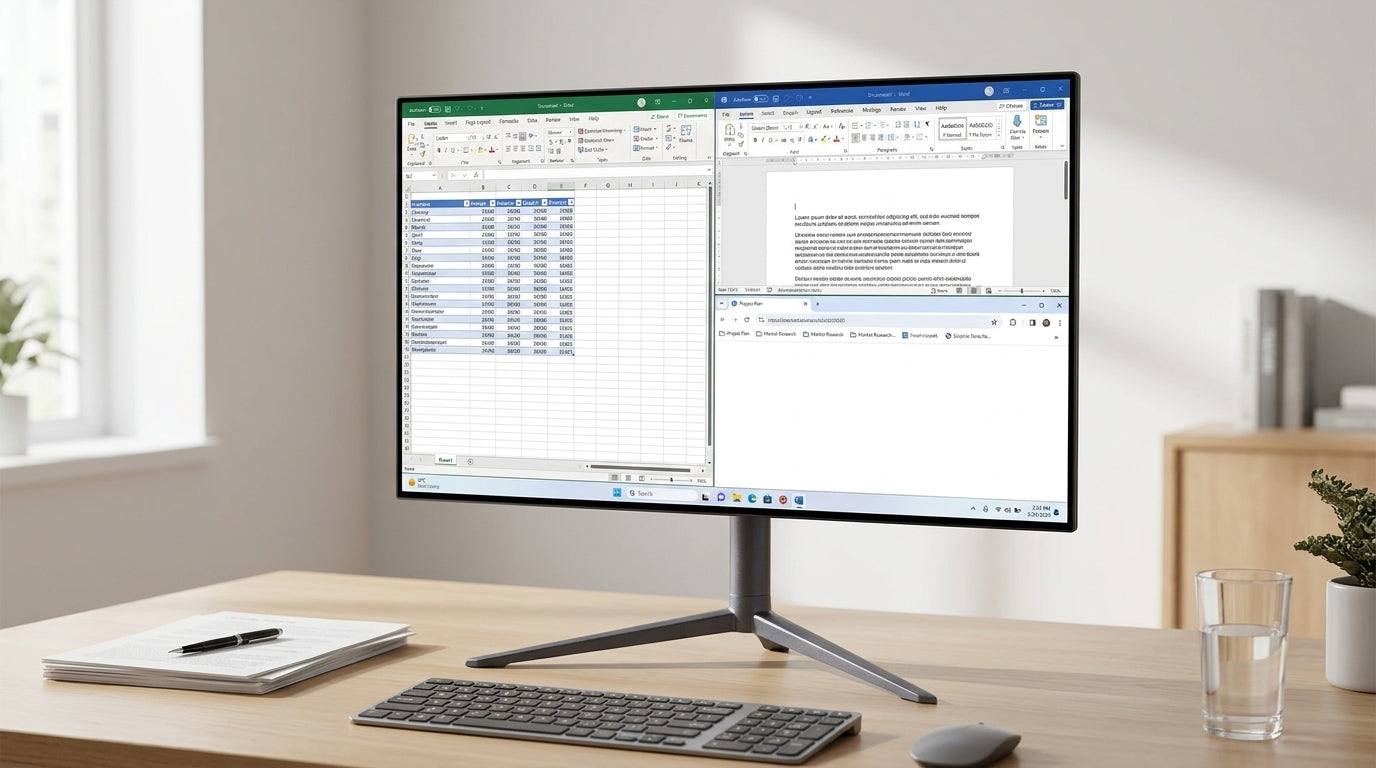
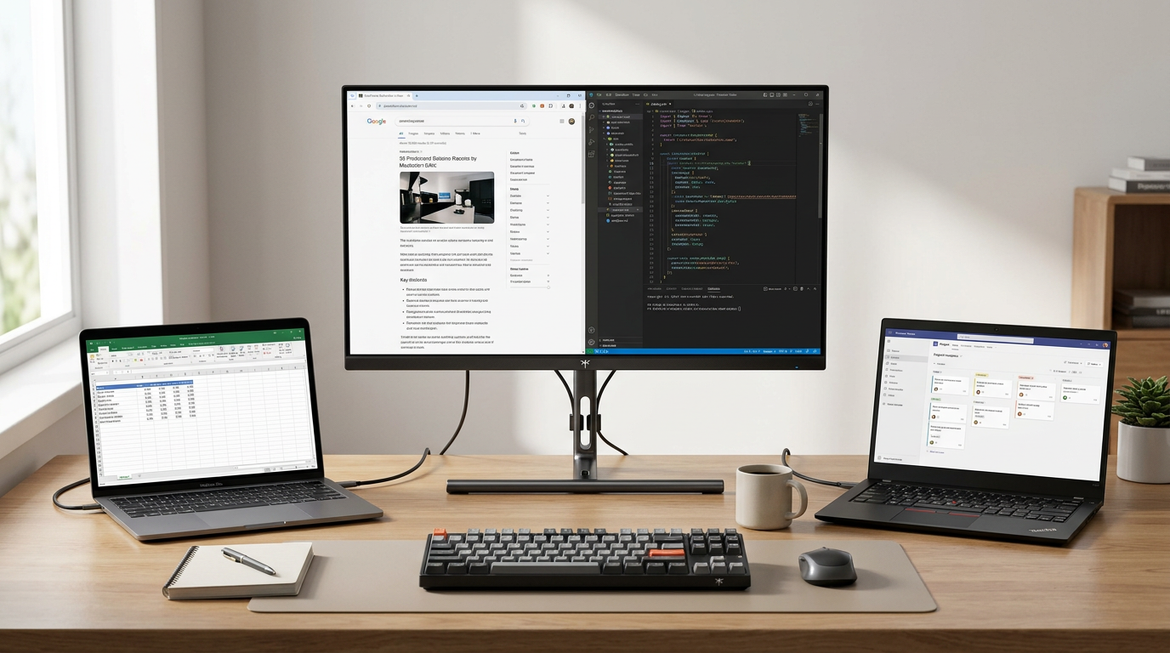
If your desktop has static taskbars, code windows, timelines, dashboards, or launcher screens, burn-in wording matters more. That does not mean OLED is off-limits for productivity. It means the monitor warranty needs to match the way you actually use the screen. If the policy only covers manufacturing defects, a productivity buyer should slow down and verify the fine print before checking out.
Gamers should do the same thing, especially if the HUD, minimap, or score banner stays visible for long sessions. A good monitor warranty burn in coverage policy can matter more on OLED than on IPS or Mini-LED, but panel defects still matter on every panel type. If your concern is a visible defect on arrival, pixel language may be more important than burn-in language.
Budget buyers can sometimes accept narrower coverage if the price gap is meaningful. Risk-averse buyers usually should not. The decision sentence is straightforward: if you would be frustrated by a claim being denied over wording, pay more attention to the exclusions and claim steps than to the sticker price alone.
A neutral check on the store's protection add-on can help here, but only as an order-level extra. Its cart and confirmation details show the specific protections for that order, so it should be checked separately from the monitor manufacturer warranty. It is a useful second layer only when its own terms match the gap you are trying to cover.
For buyers comparing panels directly, the longer-form Mini-LED versus OLED longevity guide helps explain why productivity users often ask different warranty questions than gamers do.
Productivity and Creator Work
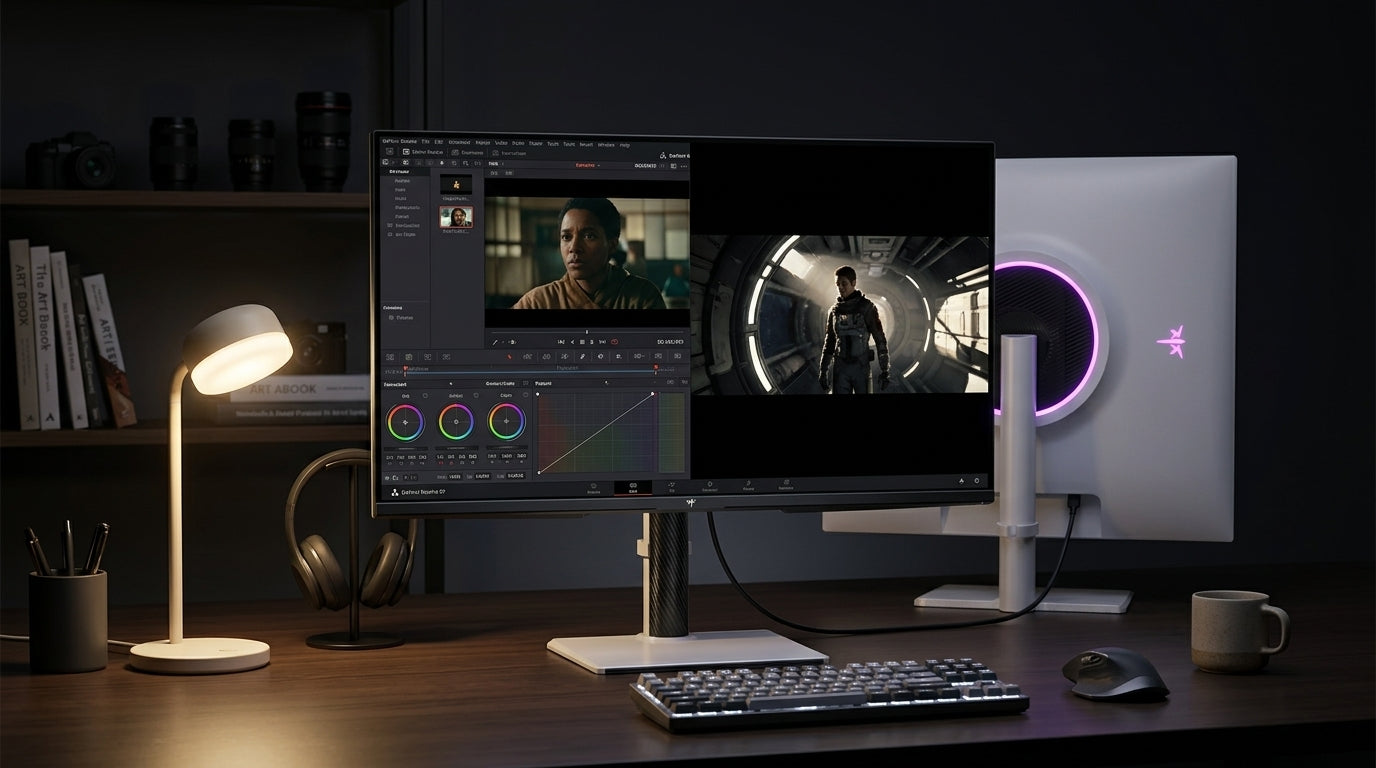
Long static sessions make burn-in wording more relevant. If your workday keeps the same menu bars, timelines, or code editor layout on screen, ask whether the policy names burn-in or image retention directly. If it does not, treat that as a warning to verify before buying rather than as proof of coverage.
Gaming and Static HUD Use
Games with fixed HUD elements can make OLED monitor burn in coverage a real comparison point. That does not mean every gaming setup creates the same risk, but it does mean you should not assume a premium gaming monitor has burn-in coverage just because the rest of the spec sheet looks strong.
Budget Buyers Versus Risk-Averse Buyers
Budget buyers may accept a narrower warranty if the savings are large enough. Risk-averse buyers usually care more about wording clarity, claim window length, and how the seller handles pixel errors or panel issues. If your priority is avoiding surprise exclusions, the best deal is the one you can interpret quickly and confidently.
A Neutral Fit Check on a Specific Model
The Worry-Free Purchase add-on is only worth considering if your order summary shows the exact protection you want. It is not proof of monitor burn-in coverage, and it does not replace the manufacturer warranty. Use it as an extra layer only after you confirm what the base warranty leaves out.
A Practical Pre-Purchase Coverage Checklist
- Check the exact coverage wording first. You want burn-in, image retention, dead pixels, or panel defects named clearly enough to match your concern.
- Read the exclusions next. If the policy leans on manufacturing defects only, normal wear, or cosmetic issues, your protection may be narrower than the headline suggests.
- Verify the claim window and proof steps. A short window can make a technically good warranty feel weaker in real life.
- Compare the warranty page with the product page and checkout summary. If they conflict, treat the most specific current policy text as the one to trust.
- Decide whether returns and warranty claims are different tools. A return can solve an arrival defect faster than a warranty claim.
- Save screenshots or a PDF before you buy. That gives you a clean record if the wording changes later.
If the coverage language matches your actual risk, buy with confidence. If it does not, keep looking. For shoppers who want clearer support language, the support audit and the pixel threshold guide are good next steps before checkout.
FAQ
How Do I Know If Burn-In Is Covered Under a Monitor Warranty?
Look for the exact phrase burn-in or image retention in the warranty text, then check exclusions and claim conditions. If the policy only says manufacturing defects, that may not be enough to assume display-artifact coverage. The safest move is to verify the operative language before purchase.
What Is the Difference Between Panel Defects and Dead Pixels?
Panel defect is the broader label, while dead pixels are one specific visible issue. A warranty may use pixel-error classes or a defect threshold, so the general phrase alone does not tell you whether your exact issue qualifies for replacement.
Can an OLED Monitor Be a Good Choice for Productivity Work?
Yes, if your workflow includes long static content and you have checked the warranty wording carefully. Productivity buyers should verify burn-in language, image-retention language, and any exclusions before buying. The panel can fit the use case, but the policy still needs to match the habit.
Why Do Some Monitor Warranties Exclude Burn-In or Image Retention?
Some policies treat these issues as usage-related wear or as conditions outside the manufacturing-defect promise. That does not make them unreasonable, but it does mean the buyer should not assume coverage from the panel type alone.
Can a Protection Add-On Replace a Manufacturer Warranty?
Usually not. An order-level protection add-on can add separate coverage for eligible purchases, but it does not automatically expand the manufacturer warranty unless its own terms say so. Check the cart, checkout, and confirmation email before relying on it.
When Should I Choose a Return Instead of a Warranty Claim?
If the issue appears right after delivery, a return is often the simpler first step. Warranty claims matter more for later defects or longer-term issues. Because return rules and warranty rules are separate, it helps to keep both windows in mind before you buy.