KTC monitor value makes sense when the specs you are paying for match how you actually use the screen, and when you are comfortable treating the first month as a real inspection window. If you want the strongest spec-per-dollar play, KTC can look appealing; if you want the smoothest ownership experience, the better choice may be to spend more.

Where KTC’s Value Actually Shows Up
KTC monitor value tends to get attention because the brand often packs more refresh rate, resolution, and panel features into a lower price than many mainstream alternatives. That matters most when those specs change what you can feel on the desk, not just what looks good in a listing.
Why the Price-To-Spec Story Gets Attention
For buyers comparing value-tier monitors, the appeal is straightforward: KTC can offer high-refresh QHD, Mini-LED, and 4K options without pushing every shopper into a higher brand-tax tier. That does not make every model the best buy, but it does mean the math can be attractive when the monitor class matches the job.
A budget monitor browsing path can help if you are starting from a price ceiling rather than a brand loyalty list. The useful question is not whether the spec sheet is impressive on its own. It is whether the extra resolution, refresh rate, or color coverage will actually be visible in your games, work, or media.
Where Extra Specs Turn Into Real Benefits
For gamers, higher refresh rates matter only if the PC or console can push enough frames to use them. A 200Hz or 240Hz panel can feel smoother than 100Hz, but that benefit shrinks if your GPU or game settings keep you far below the monitor’s top range. In plain language, you are buying headroom, not automatic speed.
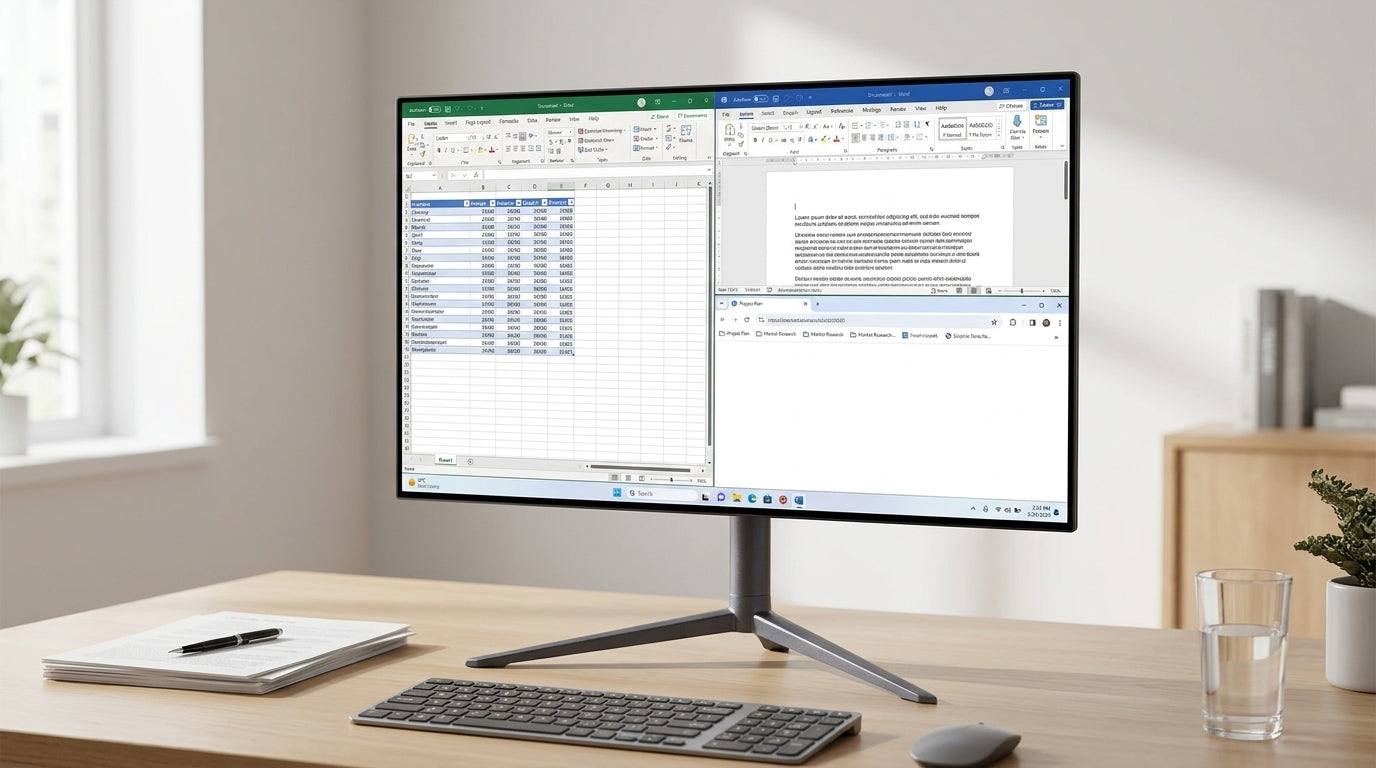
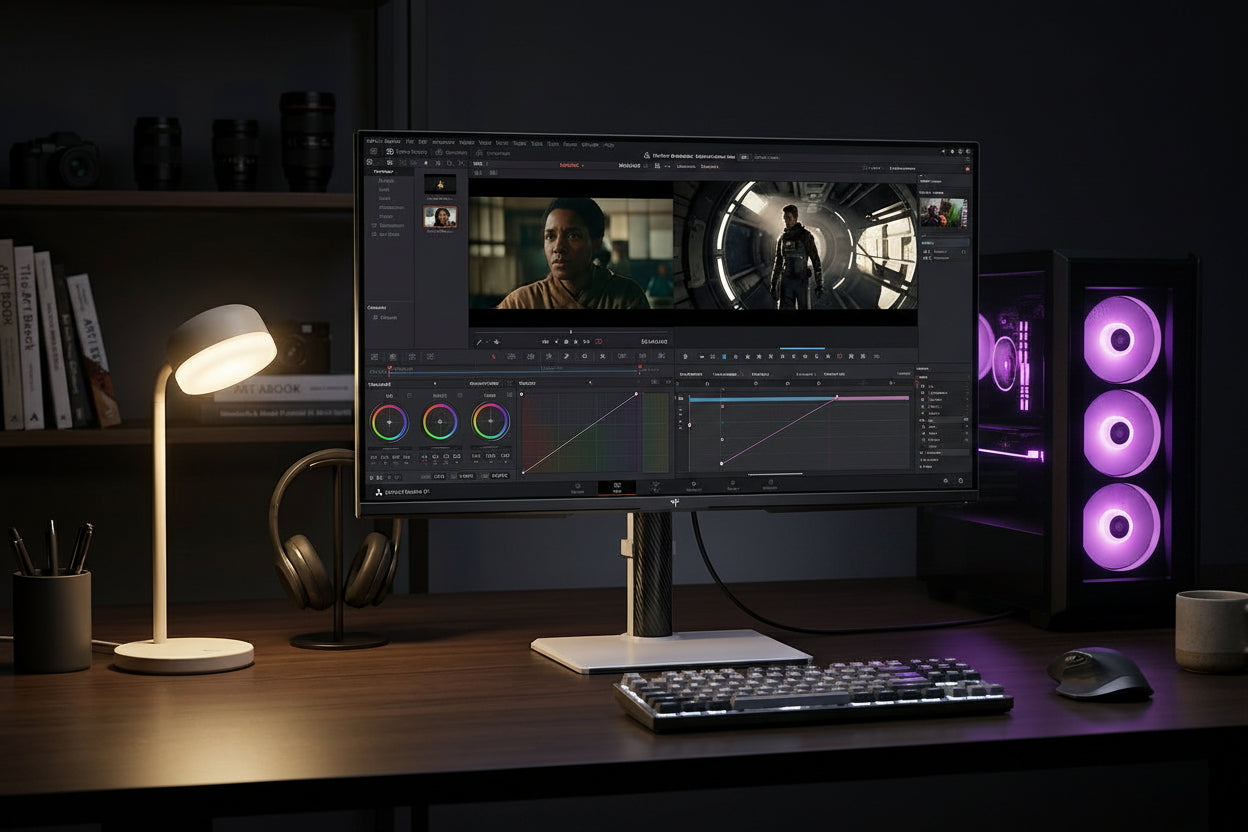
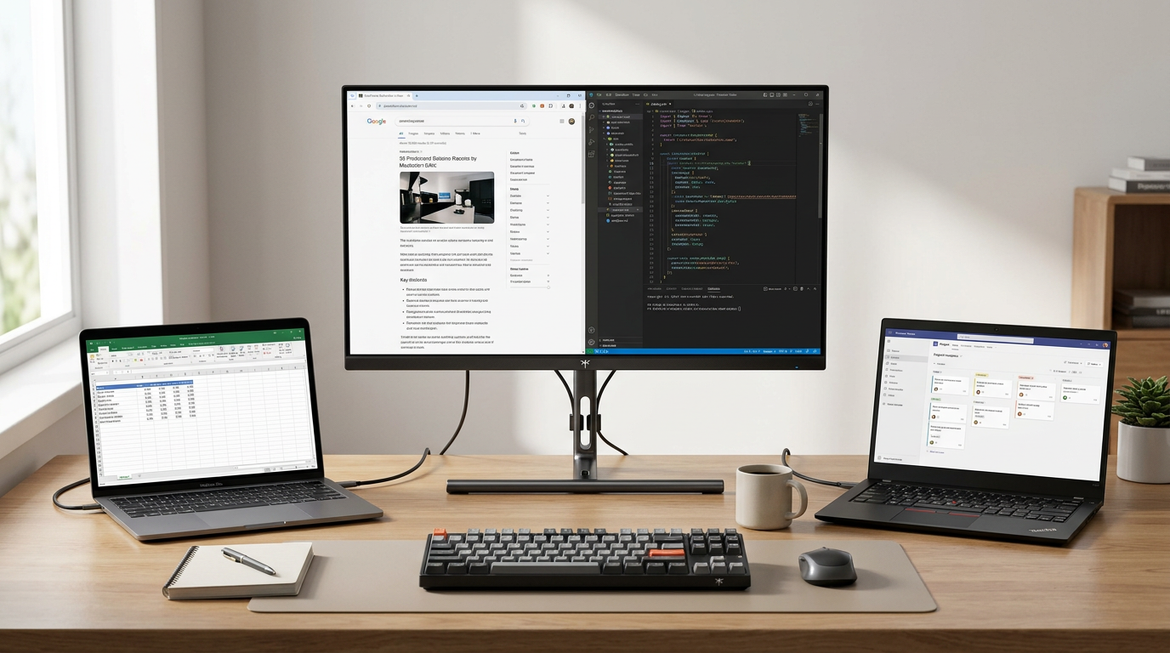
For office and mixed-use buyers, sharper 1440p or 4K panels can improve text clarity and split-screen comfort, but only if the desk distance and screen size fit the layout. Color coverage matters more for creators, photo work, and video than for a basic gaming setup. KTC monitor value is strongest when the screen’s strengths line up with a real daily task.
A practical example is the OEM monitor buying checklist: specs are only useful when you also check stand fit, ports, HDR claims, and return terms before the box lands on your desk. That is where a well-priced monitor starts to feel like a better value instead of just a cheaper one.
If you are comparing a few price bands, the 200 to $400 monitor range is where KTC’s stronger gaming and mixed-use models often make the most sense. That range is large enough to include fast QHD panels, Mini-LED choices, and sharper 4K options without drifting into premium pricing.
Risk Factors Buyers Should Price In
The other side of KTC monitor value is ownership friction. Current official policy gives US buyers a 3-year limited warranty and 30-day returns, which is a meaningful safety net, but it is not the same thing as fast help or trouble-free exchanges.

Community and review-based reporting points to two recurring concerns: email-first support with slower response windows and quality-control variance such as dead pixels or backlight bleed. Those are not proof that every unit is bad. They are a reason to price support and exchange hassle into the buying decision.
For mixed-use buyers, another hidden cost is feature-toggle friction. If you switch often between work, gaming, HDR, or local-dimming settings, a monitor that needs frequent menu changes can feel more annoying than its spec sheet suggests. That is a real ownership cost, even when the panel itself is good.
A practical way to think about it is this: if a monitor saves money only because you are willing to absorb an extra return, a support ticket, or a long setup check, the savings are smaller than they first appear.
Which KTC Models Fit Which Buyers
KTC’s lineup is broad enough that the right fit depends more on buyer type than on the brand name itself. The examples below use only current product facts, so treat them as fit guidance rather than a universal ranking.
| Buyer type | Safer KTC fit | Why It Fits | Main Tradeoff |
|---|---|---|---|
| Budget gaming on a smaller desk | 27M1 or H27T22C-3 | 1440p with high refresh, plus enough color coverage for mixed use | Fixed or simpler stands on some models, so desk setup matters |
| Mixed gaming and work | H27P22S or H27P27 | Sharper 4K text and enough speed for casual gaming | 60Hz models are not esports picks, and basic stands can limit positioning |
| Fast esports focus | H25X7, H27E6, or H32S25E | Higher refresh rates fit competitive play and motion-first gaming | These favor gaming first, not comfort-first office use |
| HDR and creator-adjacent use | M27T6 or M27P6 | Mini-LED and wide color support are more useful when HDR and contrast matter | You are paying for a more specialized panel, not a universal bargain |
For value shoppers who want a mid-price path without moving into premium territory, the Gaming Monitor collection is a clean place to compare KTC options against each other. The main tradeoff is simple: gaming-first buyers usually benefit most from the refresh-rate-heavy models, while work-first buyers should care more about ergonomics, text clarity, and stand flexibility.
If you are shopping for mixed use, avoid assuming that a faster model is automatically better. A 240Hz curved gaming monitor can be a stronger fit for esports, while a 4K model with a more flexible stand is often the better day-to-day pick for work plus play. The right choice flips when comfort and screen layout matter more than raw speed.
How to Decide If the Risk Is Worth It
Use a short checklist. Buy KTC if the model clearly fits your use case, you are willing to inspect it carefully in the first 30 days, and you would rather keep more of the budget in the panel than in the brand name. Skip it if you need the quickest support path or do not want to think about exchanges at all.
- Decide whether you are buying KTC for spec-per-dollar value or for a lower-friction ownership experience. If you want both, be prepared to pay more somewhere else.
- Treat the KTC quality control checklist as a first-month plan. Inspect ports, stand fit, image quality, and return terms while the 30-day window is still active.
- Use the FTC warranty guide as context for what a warranty means in the US. A warranty is a backstop, not a guarantee of fast service.
- Pay more for a mainstream brand if you want faster support, fewer setup questions, or less tolerance for exchange hassle.
A simple pass/fail rule works well here: buy KTC if the model clearly fits your use case and you are comfortable with some QC and support uncertainty; skip it if you want the least ownership friction possible. That is the cleanest way to judge KTC monitor value without turning the choice into a spec contest.
FAQs
How Much Risk Tolerance Do I Need for a KTC Monitor?
You need enough tolerance to treat the first 30 days as a real inspection period and to handle a possible support delay without frustration. If that sounds manageable, KTC can still be a rational buy. If you want quick, low-effort resolution when something is wrong, a more established mainstream option is the safer path.
What Type of Buyer Is KTC Best For?
KTC is usually strongest for shoppers who care most about specs per dollar, especially gaming-first buyers and mixed-use buyers who want more features without moving up the price ladder. It is less attractive for people who value brand comfort, easy support, and a very predictable return experience over the highest spec count.
When Should I Pay More for a Mainstream Brand?
Pay more when your main goal is lower ownership hassle, not maximum spec density. That usually means you want faster help, fewer setup surprises, and less concern about QC variance. If the extra cost buys real peace of mind, it is often the better value even when the spec sheet looks weaker.
Can KTC Be a Good Choice for Work and Gaming?
Yes, if you choose the model around the work/gaming split you actually have. A sharper 4K or well-sized 1440p model helps with text and multitasking, while a high-refresh gaming model helps more with motion. The mistake is picking a fast gaming panel for a desk setup that really needs ergonomics and clarity first.
What Should I Verify Before I Buy a KTC Monitor?
Check the return window, warranty length, port support, stand adjustment, and whether the chosen resolution and refresh rate match your PC or console. If you use a dock, adapter, or console, confirm the connection path before you buy. Those checks usually matter more than one extra spec on the marketing page.