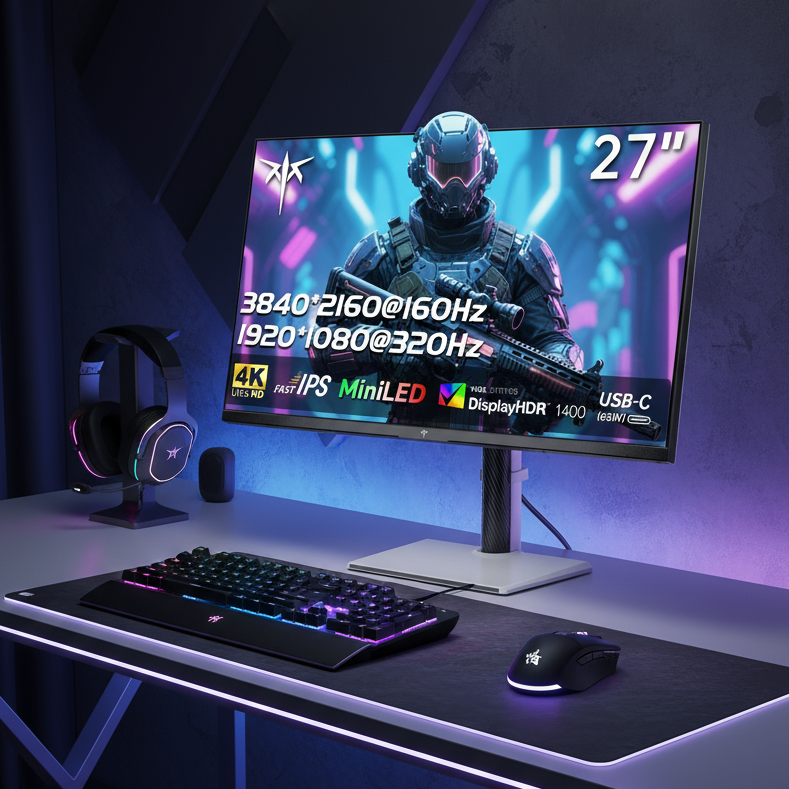
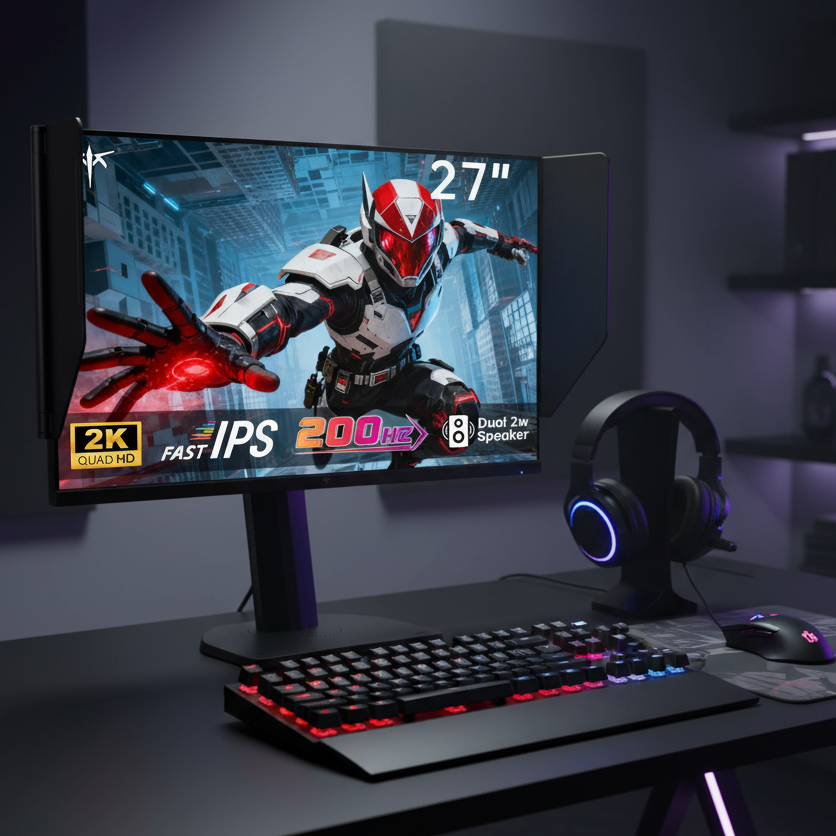
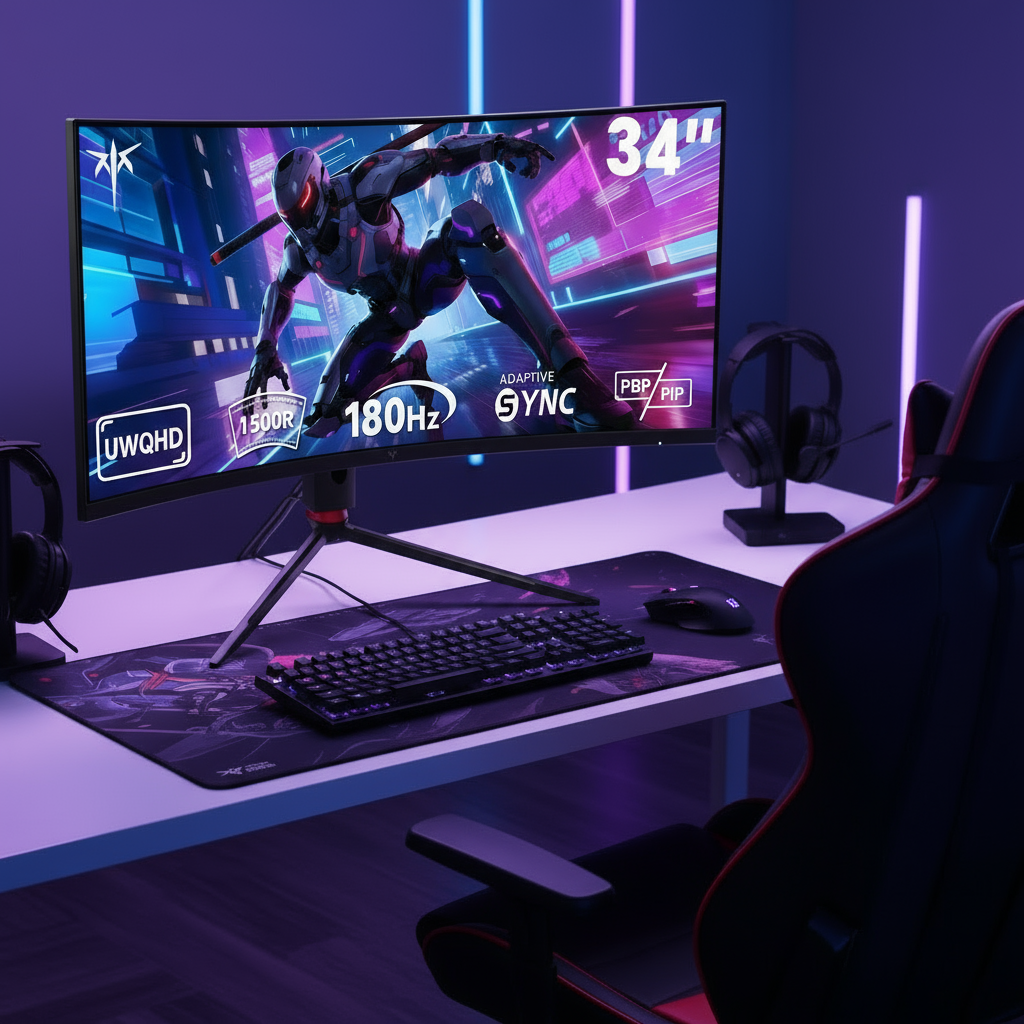


Featured storyDisplay Use and Age-Related Vision Decline: What Monitor Buyers Should KnowMonitors for aging eyes should prioritize comfort. This guide details how text readability, glare control, and ergonomics reduce digital eye strain, headaches, and fatigue.Jun 9, 2026/15 min read
Eye Health Considerations for Glasses and Contact Lens Wearers Choosing a MonitorMonitors for glasses and contact lens wearers present unique challenges. Get guidance on choosing the right screen size, resolution, and anti-glare features for eye comfort.Jun 9, 2026/13 min read
Why Dry Eye Symptoms Get Worse During Monitor Use: Display Factors, Viewing Habits, and Buying Choices That MatterDry eye symptoms from monitor use are common. Reduced blinking and tear evaporation cause irritation. Get practical guidance on monitor setup, features, and buying choices to improve comfort.Jun 9, 2026/13 min read
Can Long-Term Monitor Use Permanently Damage Your Eyes?Long-term monitor use is linked to digital eye strain, not permanent eye damage. The real risks are poor setup, glare, and incorrect viewing distance. Get practical tips.Jun 9, 2026/16 min read
How Monitor Panel Technology Affects Eye Comfort During Long Reading SessionsChoosing the right monitor panel technology for reading helps reduce eye strain. Get a clear comparison of IPS, VA, OLED, and Mini-LED for text clarity and comfort.Jun 9, 2026/15 min read
Why Children and Teenagers Need Extra Care When Choosing and Using MonitorsMonitors for children and teens need special consideration to protect developing eyes. Get practical advice on choosing the right display and setting it up for healthy habits.Jun 9, 2026/12 min read
Why Ambient Light Sensors in Monitors Do Not Prevent Eye Strain for Every UserAn ambient light sensor in your monitor doesn't always prevent eye strain. Real comfort depends more on glare control, text size, viewing distance, and manual settings.Jun 9, 2026/11 min read