A good rolling display placement for shared family spaces starts with the room, not the screen. The right spot keeps the display easy to use without turning the family room into a cluttered tech corner. In most homes, that means checking traffic flow first, then viewing comfort, then where the display can park safely when it is not in use. Families often choose a rolling smart display because it can shift with the room, but the placement question is still less about where it fits and more about where it can live without getting in the way.

How a Shared Room Decides the Right Spot
A rolling display has to work for more than one person, so the first question is not what features it has, but where it can live without getting in the way. In a shared room, the best spot is usually the one that supports daily routines, keeps walkways open, and still gives the main seating area a clear view.
That is why rolling display placement for shared family spaces should be treated as a household decision. If the room changes from TV time to homework to calls, the display needs a spot that can flex with those uses.
A simple rule of thumb helps: if the display only works when everyone rearranges the room around it, the spot probably is not a good fit. If it can stay visible, stay out of the path, and still be easy to move when needed, you are closer to a workable setup.
What Makes a Family Room Placement Work
For most families, the best placement comes down to four checks: sightlines, traffic paths, power access, and how the room is used across the day. The seated-eye-level viewing rule is a useful starting point here. It is a comfort heuristic, not a universal law, but it helps you judge whether the main viewing position will feel natural from a sofa or chair.
For readers who want a broader comparison of use cases, why rolling smart monitors are a TV alternative explains where the flexible format fits best.

Sightlines and Seating Zones
The display should face the main seating area in a way that avoids awkward neck turns. If the room has a main sofa, sectional, or reading chair cluster, the screen belongs where most people can see it from a normal seated position. Bright windows, shiny walls, or reflective decor can make that placement feel worse even if the location seems ideal on paper, so check the room in daylight and evening.
Traffic Paths and Open Floor Space
A rolling screen should not claim the same lane people already use to cross the room. In a family room, that often means staying away from the main doorway path, toy zones, or the tight gap between a sofa and a wall. A spot that looks fine when the room is empty can become annoying once people are walking through it all day.
Power Access and Cable Reach
Placement also has to make sense when the screen needs charging or a wired connection. Loose cable runs across a walkway can create clutter and trip risk, so the parking spot should let cords stay tidy and out of the main path. If the room layout forces awkward extension paths, the screen may still be usable, but the setup will feel less natural.
Where the KTC MEGAPAD 32 Inch Fits
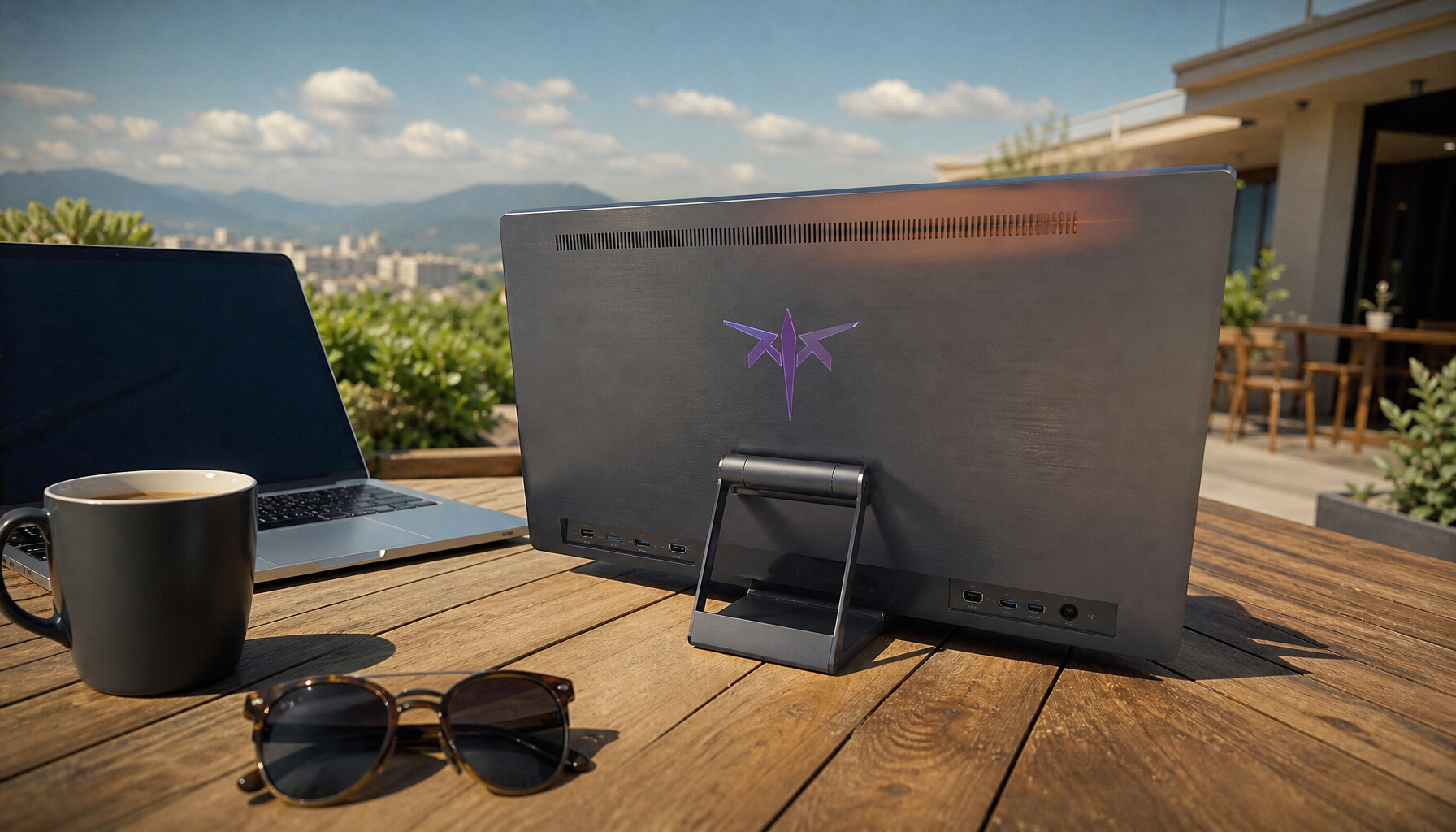
If you want one concrete example of a mobile shared-room display, the KTC MEGAPAD 32-inch 4K smart touch monitor is a conditional fit to check. It has a 31.5-inch 4K panel, adjustable height, tilt, and rotate, plus a built-in battery, so it may suit households that want a larger display they can move between uses without fixing it to one wall.
That does not make it the default answer for every family room. It is most relevant when the room needs flexibility, the household is comfortable moving the unit as part of normal use, and the placement still leaves enough open floor space to keep the room feeling like a living area.
How to Keep the Screen Accessible Without Causing Friction
The easiest way to avoid daily friction is to decide who moves the screen, where it starts, and where it parks when the room is doing something else. In mixed-age homes, that matters as much as screen size. A rolling display on wheels should feel available, but not unstructured.
- Identify the main daily use. If the room is mostly for streaming, homework, video calls, or casual work, the primary viewing zone should serve that use first.
- Pick the default position. Choose the spot that gives the best normal viewing angle without forcing furniture changes every time.
- Set a move-and-park routine. Decide when the screen stays put and when it rolls away so the room does not feel crowded.
- Define child-access rules. Mixed-age households should be clear about who can move the display and when adult help is needed.
- Test the routine for a few days. If the room still feels open and the screen is easy to return to place, the placement is probably working.
If you want another angle on repeated access and simple household rules, the memory-care setup guide shows how rolling displays can support daily routines without overcomplicating the room.
A placement only looks good if the routine around it stays simple. If people keep bypassing the "official" spot because it is awkward to reach, the household will stop using it well, even if the display itself is a good match.
Placement Checks for Safety and Stability
Before leaving a rolling display in a shared room, check the things that tend to create everyday problems rather than dramatic ones. The usual issues are not complicated: a cord drifting into a walkway, a unit parked too close to a climbing path, or a screen left in a spot that feels stable until someone bumps the furniture around it.
- Keep the parked position out of the main path. A screen that is easy to see is not automatically easy to live with if people keep walking around it.
- Watch cable slack. Any loose run should be short, neat, and away from feet whenever possible.
- Think about child reach. In mixed-age homes, a rolling screen should stay away from obvious climbing spots, toy piles, or areas where kids tend to gather without supervision.
- Re-check after moving it. If the display was rolled across a rug, threshold, or uneven transition, pause and make sure it still sits the way you want before walking away.
- Look at the room from normal use height. What feels safe in setup mode can look more crowded once the room fills up again.
The point is not to guarantee safety, because no placement can do that. The point is to reduce obvious friction and avoid the mistakes that make a flexible screen feel like a permanent obstacle. CDC home safety guidance and the CPSC childproofing guide both point readers toward removing avoidable household hazards, and that logic fits rolling-display placement too.
Parking and Storage That Keeps the Room Open
The best parking spot is the one that is easy to retrieve, stays out of the main path, and lets the room return to normal living quickly. In other words, the display should disappear from the room's daily traffic without becoming hard to bring back when someone needs it.
That often means parking near a practical power point, but not so close to the center of the room that it dominates the view. It should feel like part of the household layout, not a piece of furniture everyone has to work around. If you are still comparing product classes, browse mobile touch screen options or compare smart monitor setups for broader placement-friendly options.
If the room still feels balanced after a few days, the spot is probably right. If you keep noticing the display before you notice the room, move it again.
FAQs
How Do You Choose the Best Spot for a Rolling Display in a Family Room?
Start with the main seating area, then check whether the display can stay out of walkways and still be easy to park. A good spot supports normal viewing without forcing the family to reroute everyday movement around the screen.
Can a Rolling Display Stay in the Room All Day?
Yes, if its parked position still leaves the room comfortable to use. The key is whether it stays tidy, keeps cords under control, and does not invite people to brush past it or crowd it during normal traffic.
What Should You Avoid When Placing a Rolling Display Near Kids?
Avoid climbing paths, loose cords, narrow corners, and any spot where the display becomes easy to bump or pull toward. The goal is not to promise child-proofing, but to make the room less likely to create avoidable handling or trip issues.
Where Should a Rolling Smart Display Go in an Open-Plan Home?
In open-plan rooms, place it where it serves the main seating zone without crossing kitchen traffic or door swings. If one location works for both viewing and circulation, that is usually better than a spot that looks convenient but interrupts the whole space.
What Makes a Good Parking Spot When the Display Is Not in Use?
A good parking spot is easy to reach, close enough to power to stay practical, and far enough from the main path to keep the room open. If the parked screen still feels like part of the living area, the spot is probably doing its job.
Final Takeaway
The best rolling display placement for shared family spaces is the one that fits the room's routines, not just the screen. Put traffic flow and seating comfort first, then confirm the parking spot keeps the room open. If a setup still feels clear after a few days of real use, you are likely close to the right answer.